
Achieving a healthy work-life balance is a universal concern, yet its definition and implementation vary significantly from one culture to another. In some countries, like the US, high-stress cultures are deeply ingrained in the professional environment, often prioritizing productivity over employee well-being. On the other hand, innovative solutions in places like Singapore and New Zealand have made significant strides in creating a better balance between work and personal life. By exploring these global perspectives, you’ll gain valuable insights into what works and what doesn’t, allowing you to identify actionable steps that can be applied worldwide. This article will delve into country-specific approaches to achieving work-life balance, highlighting successful strategies that prioritize employee well-being while fostering productivity.
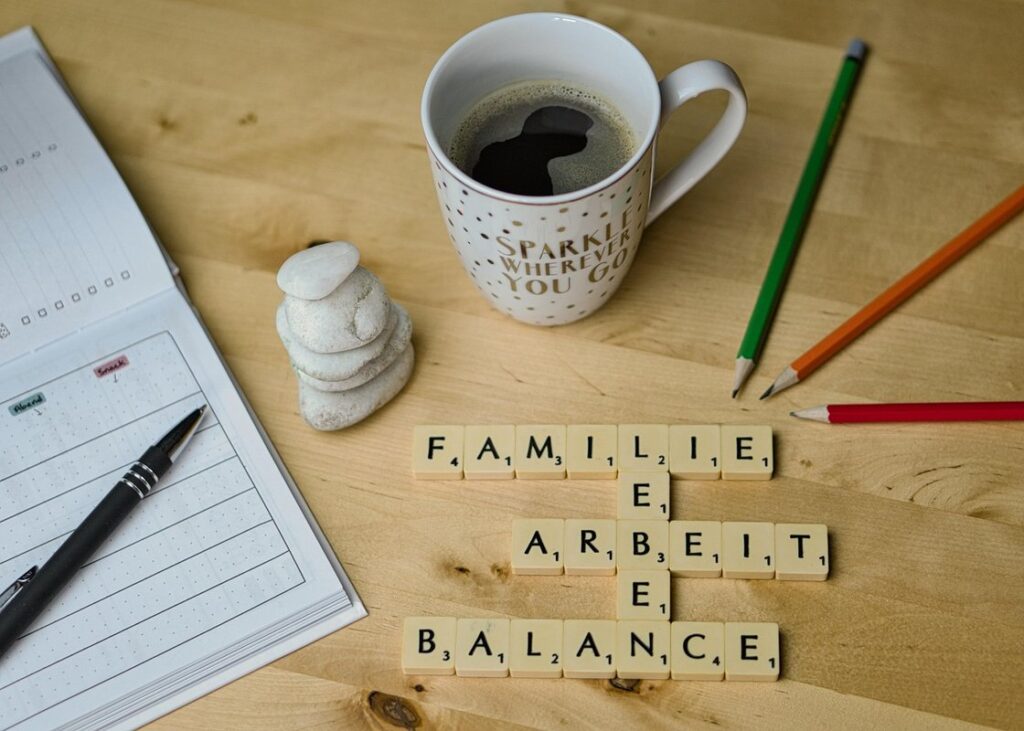
Understanding Global Perspectives
Understanding how different cultures approach work-life balance is crucial for any expat or remote worker looking to maintain a healthy lifestyle abroad. This section examines the nuances of various countries’ attitudes towards leisure time and employee well-being.
Defining Work-Life Balance Across Cultures
The concept of work-life balance is often perceived as a universal ideal, but its meaning and significance vary greatly across cultures. In some societies, work is deeply ingrained in daily life, while others prioritize leisure time and personal relationships. Historical context plays a significant role in shaping these attitudes, with industrialization and urbanization contributing to the rise of dual-income households and the subsequent pressure on individuals to balance work and family responsibilities.
For instance, in many East Asian cultures, including Japan and South Korea, hard work and dedication are deeply ingrained values that often lead to long working hours and limited personal time. In contrast, Mediterranean countries like Greece and Italy have traditionally prioritized family and leisure activities, with siestas and extended vacation periods being common practices.
Understanding these cultural differences is crucial for achieving a genuine work-life balance, as one-size-fits-all solutions are unlikely to be effective. Employers and policymakers must consider the unique historical, social, and economic contexts of different countries when developing strategies to promote work-life balance. By doing so, they can create policies that genuinely support employees’ well-being and foster a more sustainable and inclusive approach to work.
International Benchmarks for Work-Life Balance
The Organisation for Economic Co-operation and Development (OECD) has developed a set of indicators to measure work-life balance across countries. These metrics include the average number of paid annual leave days, the percentage of employees working more than 50 hours per week, and the proportion of people aged 15-64 who have flexible working arrangements. According to OECD data, the Nordic countries consistently rank high in these areas.
The World Health Organization (WHO) also tracks work-life balance metrics, focusing on the impact of long working hours on health outcomes. Studies show that excessive working hours are linked to a range of negative effects, including cardiovascular disease, diabetes, and mental health issues. In contrast, employees with better work-life balance tend to have improved physical and mental well-being.
The OECD’s Better Life Index uses these metrics to rank countries based on their work-life balance performance. For example, Denmark ranks highest in terms of paid annual leave days, while Sweden tops the list for flexible working arrangements. These data points provide a useful benchmark for governments and organizations seeking to improve work-life balance policies and practices.
Western Countries: Challenges and Solutions
Western countries face unique challenges when it comes to achieving work-life balance, from long working hours to limited parental leave. We’ll explore these issues in detail.
The US Model: High-Stress, High-Reward
The US Model: High-Stress, High-Reward
In the United States, a culture of overwork and high expectations pervades many industries. The emphasis on individual achievement and long work hours can lead to burnout, with 61% of employees reporting feeling overwhelmed by their workload. This stress takes a toll on mental health, with anxiety and depression rates higher in the US compared to other developed countries.
The pressure to succeed is driven by a meritocratic system that rewards hard work and dedication. However, this focus on individual achievement can lead to a culture of competition rather than collaboration. Employees feel pressured to put in extra hours, often at the expense of their personal lives. To mitigate this stress, some companies are adopting flexible scheduling policies or providing mental health resources for employees.
For individuals seeking better work-life balance, it’s essential to prioritize self-care and set realistic boundaries. This may involve learning to say “no” to excessive workload demands or finding ways to delegate tasks effectively. By acknowledging the high-stress nature of the US work culture, individuals can take steps to mitigate its effects and cultivate a healthier relationship with their job.
Canada and Europe: Balancing Work and Life
Canada and Europe have made significant strides in achieving work-life balance by implementing policies that prioritize employee well-being. For instance, Germany offers a minimum of 35 days of paid vacation per year, which is significantly more than the US average of 10 days. This allowance allows German employees to recharge and spend quality time with family.
In Sweden, parental leave policies are designed to support work-life balance for both parents. Both mothers and fathers are eligible for 480 days of leave, which can be shared between them as needed. This policy has led to increased participation in childcare responsibilities among fathers, promoting a more equal distribution of domestic duties.
Canada’s approach is also noteworthy, with flexible work arrangements becoming increasingly common. Many companies offer telecommuting options or compressed workweeks, enabling employees to better balance their professional and personal lives. Additionally, the Canadian government provides generous parental leave benefits, including 35 weeks of paid leave for new mothers and 37 weeks for adoptive parents.
These policies demonstrate a commitment to work-life balance in Canada and Europe, serving as models for other countries to follow.
Eastern Countries: Unique Challenges and Approaches
Eastern countries present a fascinating case study on work-life balance, where cultural norms and economic realities often intersect in complex ways. Here, we’ll examine some of the unique challenges these nations face.
Japan’s Cult of Overwork
Japan’s notorious “karoshi” culture has become a significant concern for its workforce. Karoshi translates to “death from overwork,” and it refers to the phenomenon of employees dying from exhaustion, heart attacks, or strokes caused by prolonged periods of overtime and burnout. According to reports, thousands of Japanese workers die each year due to karoshi.
This culture is deeply ingrained in Japan’s business landscape, where long working hours are often seen as a necessary sacrifice for career advancement. Many companies pressure employees to work extended shifts, even on weekends and holidays, to meet productivity targets. The impact is devastating: mental health issues, strained relationships with family and friends, and decreased job satisfaction.
In recent years, the Japanese government has introduced reforms aimed at addressing karoshi. The country’s labor law now requires employers to provide a minimum of five days’ paid annual leave for all employees, including part-timers. Additionally, some companies have started to adopt flexible work arrangements, such as telecommuting and compressed working hours.
While these efforts are promising, more needs to be done to change the cultural attitude towards overwork in Japan. Employers must prioritize employee well-being by promoting work-life balance and providing a healthy work environment.
India and China: Economic Pressures vs. Work-Life Balance
In India and China, rapid economic growth has created significant economic pressures that often clash with traditional values emphasizing family and social harmony. In these emerging markets, long working hours and high expectations are common, particularly in industries like technology and manufacturing. The Indian concept of “dhoti” culture, which emphasizes a strong work ethic, can sometimes lead to burnout.
In China, the “996” schedule – working from 9 am to 9 pm, six days a week – has become a benchmark for success in many companies. However, this grueling pace takes a toll on employees’ physical and mental health. To maintain work-life balance, it’s essential to prioritize self-care and set boundaries.
The cultural emphasis on saving face and maintaining social status can also hinder open discussions about burnout or asking for time off. Companies are beginning to recognize the importance of providing resources and support systems to help employees manage these pressures. This may include flexible working arrangements, mental health days, or access to wellness programs.
By acknowledging these unique challenges and adapting policies accordingly, companies in India and China can promote a healthier work-life balance that aligns with local values while also driving business success.
Latin American Countries: Emphasis on Family and Leisure
Latin America is a region where family ties are strong, and leisure time is cherished, making it an interesting case study in achieving work-life balance. From Mexico to Argentina, we’ll explore how these countries prioritize personal time.
Mexico’s Focus on Familismo
Mexico places a strong emphasis on Familismo, prioritizing family time and leisure activities as essential components of a balanced life. This cultural focus is rooted in traditional Mexican values, which highly value close relationships within families. As a result, Mexicans often balance work responsibilities with ample time for family gatherings and social events.
In Mexico, Sundays are typically reserved for family days, where people spend quality time with loved ones, often over meals or while engaging in activities together. This emphasis on family bonding is also reflected in the country’s holiday celebrations, such as Día de los Muertos (Day of the Dead), which honors ancestors and deceased relatives.
Mexico’s focus on Familismo also translates to its work culture, where employers are more likely to offer flexible scheduling and generous vacation time to allow employees to spend time with family. This approach not only improves employee well-being but also boosts productivity, as workers feel supported in managing their personal and professional responsibilities. By prioritizing Familismo, Mexico demonstrates that achieving a balance between work and life is achievable through a cultural shift in values and priorities.
Brazil’s Approach to Work-Life Balance through Social Programs
Brazil’s approach to work-life balance is deeply ingrained in its social programs. The government has implemented initiatives aimed at supporting caregivers and low-income workers, who are often most vulnerable to work-life imbalance. One notable program is Bolsa Familia, a conditional cash transfer scheme that provides financial assistance to families living below the poverty line. This support enables parents to balance work with family responsibilities.
The Brazil Government’s Programa Bolsa Família also offers benefits for caregivers of elderly and disabled relatives, allowing them to continue working while receiving some compensation for their caregiving duties. Low-income workers can access training and education programs that help improve employability and increase earning potential. This approach addresses the pressing need for affordable childcare and eldercare services.
Brazil’s emphasis on social welfare demonstrates a unique understanding of work-life balance as a human right rather than just an individual responsibility. By prioritizing support for caregivers and low-income workers, Brazil aims to create a more inclusive environment where people can pursue their careers without sacrificing family obligations or struggling financially.
Case Studies: Successful Implementations
Let’s look at real-life examples of how different countries have implemented policies and practices that support work-life balance, often with surprising results. For instance, Scandinavian nations offer generous parental leave policies.
Singapore’s Innovative Solutions
Singapore’s innovative solutions to work-life balance are multifaceted and effective. The city-state has implemented a range of policies to support employees’ well-being, including telecommuting options. Many companies offer flexible work arrangements, allowing employees to choose when and where they work, as long as their tasks are completed.
Childcare support is another key aspect of Singapore’s approach. The government provides subsidies for childcare services, making it more affordable for working parents to access quality care. Companies like DBS Bank have also implemented innovative solutions, such as on-site childcare centers and flexible parental leave policies.
Wellness programs are also a vital component of Singapore’s work-life balance strategy. Many companies offer employee wellness initiatives, including meditation classes, fitness programs, and mental health support services. For example, the Singapore government has launched the “Healthy Workplace” initiative, which encourages employers to promote workplace wellness and reduce stress among employees.
These innovative solutions have contributed significantly to improving work-life balance in Singapore. By providing flexible work arrangements, childcare support, and wellness initiatives, the country is setting an example for others to follow.
New Zealand’s Emphasis on Work-Life Balance in the Workplace
New Zealand companies have made significant strides in prioritizing employee well-being through flexible work arrangements. Many organizations offer compressed workweeks, telecommuting options, and job sharing to accommodate employees’ diverse needs. For instance, the government-backed initiative, “Flexible Work Arrangements,” encourages businesses to adopt flexible scheduling practices.
In addition to flexible work arrangements, New Zealand companies prioritize mental health resources. Some companies provide access to employee assistance programs (EAPs), which offer confidential counseling services for stress management and other personal issues. Others have implemented mindfulness workshops and meditation sessions in the workplace. For example, a survey by the New Zealand Human Resources Institute found that 70% of employers offer some form of mental health support to their employees.
Team-building activities are also integral to promoting work-life balance in New Zealand’s corporate culture. Many companies organize regular team outings, volunteer days, and social events to foster camaraderie and reduce stress. These initiatives not only improve employee well-being but also boost productivity and retention rates. By prioritizing employee well-being through flexible work arrangements, mental health resources, and team-building activities, New Zealand companies demonstrate a commitment to creating a healthy work environment.
Policy Recommendations for a Global Work-Life Balance
To truly achieve work-life balance, governments and policymakers must play a crucial role by implementing supportive policies that benefit employees. We examine some effective policy recommendations from around the world.
Cross-Cultural Insights for Implementing Change
When implementing policies to promote work-life balance, it’s essential to draw from international models and adapt them to local contexts. Singapore’s approach to work-life balance is particularly noteworthy. The country has implemented a range of initiatives, including flexible working hours, paid parental leave, and a government-run childcare program.
These policies have contributed to Singapore’s impressive ranking in the World Happiness Report, where it ranked 34th out of 156 countries in 2020. By prioritizing employee well-being, Singaporean businesses have seen significant benefits, including increased productivity and reduced turnover rates.
New Zealand is another country that has successfully integrated work-life balance into its policy framework. The country’s emphasis on “work-life balance” rather than simply “work-life conflict” reflects a more holistic approach to employee well-being. New Zealand’s policies include mandatory paid parental leave, flexible working arrangements, and support for employees with caring responsibilities.
When adapting these international models to your own country or organization, consider the following: what are the unique challenges and cultural norms in your context? How can you tailor existing policies to better meet the needs of your workforce? By doing so, you may uncover innovative solutions that foster a healthier balance between work and life.
Prioritizing Employee Well-being: A Call to Action
As we conclude our country-by-country comparison of work-life balance, it’s clear that prioritizing employee well-being is not just a moral imperative, but a business necessity. Employees who feel supported and valued are more productive, engaged, and loyal – leading to better outcomes for both individuals and organizations.
To prioritize employee well-being, organizations should start by recognizing the signs of burnout: chronic stress, absenteeism, and decreased productivity. They can then implement policies like flexible work arrangements, mental health days, and employee wellness programs. Governments can also play a crucial role by implementing policies that promote paid leave, affordable childcare, and safe working conditions.
Here are some key steps to take:
• Conduct an employee well-being survey to identify areas of concern
• Develop a comprehensive wellness program with resources for physical, emotional, and mental health
• Offer flexible work arrangements, such as telecommuting or compressed workweeks
• Provide access to affordable healthcare and mental health services
By prioritizing employee well-being, organizations can reap the rewards of increased productivity, improved job satisfaction, and reduced turnover. It’s time for governments, organizations, and individuals to take action and create a culture that values work-life balance as a fundamental human right.
Frequently Asked Questions
What if my company is too small to implement flexible work arrangements like those in Singapore or New Zealand?
Yes, many large organizations have successfully implemented flexible work policies. However, smaller companies can start by offering flexible scheduling options on a trial basis to see what works best for their employees and business needs.
Can countries with strict work-life balance regulations really expect to improve productivity?
Research suggests that employees who have better work-life balance tend to be more productive in the long run. While some may argue that stricter regulations stifle innovation, others point out that they can lead to a healthier workforce that is more engaged and motivated.
How do companies in countries with strict parental leave policies handle childcare responsibilities for working parents?
Some companies provide on-site childcare facilities or offer generous parental leave packages to support working parents. Others partner with local childcare services to make it easier for employees to balance work and family responsibilities.
Is there a specific length of parental leave that is most beneficial for employee well-being, based on international models?
While there’s no one-size-fits-all answer, countries like Sweden and Norway have implemented generous parental leave policies that allow new parents to spend quality time with their children without sacrificing their careers. These policies often include flexible scheduling options and paid family leave.
What if my country doesn’t have a strong culture of work-life balance – can we still implement changes in our own organization?
Yes, organizations can create their own culture of work-life balance by prioritizing employee well-being through flexible policies, employee resource groups, and leadership buy-in. This can be especially important in countries where traditional cultural values emphasize long working hours over personal time off.

