
Parisian charm is not just found in its iconic landmarks and art museums, but also in its vibrant antique markets. For those seeking unique, authentic pieces to bring home, navigating Paris’s many markets can be a daunting task. With so much history and character packed into each market stall, it’s easy to get lost in the process of finding that one special item. You may be looking for a vintage Louis XVI armchair or an antique French clock, but without insider knowledge, you might end up settling for reproductions or overpriced items from tourist traps. In this article, we’ll take you on a journey through the best of Paris’s antique markets, covering their rich history and providing expert tips to help you find authentic treasures that reflect the city’s elegance and sophistication. By the time you finish reading, you’ll be equipped with the knowledge to hunt down one-of-a-kind pieces like a seasoned collector.
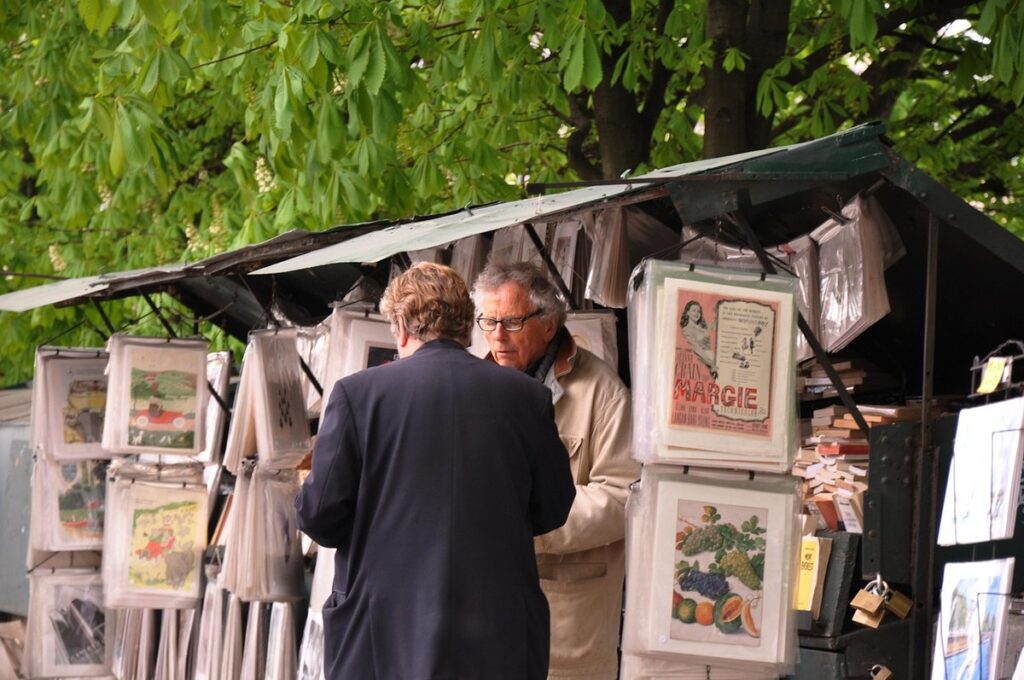
The History of Parisian Antique Markets
The City of Light has been home to a rich history of antique markets, with their origins dating back to the 18th century. We’ll take you on a journey through the evolution of these iconic markets over time.
Origins and Evolution of the Trade
Antique markets in Paris have a rich history that spans centuries. The tradition of collecting and trading antique items dates back to the 17th century, when aristocrats would hold grand sales to liquidate their estates. These early sales were often held in opulent settings, such as châteaux or mansions, and featured high-end pieces like furniture, artwork, and jewelry.
As the city’s reputation as a hub for art and culture grew, so did the demand for antique items. By the 19th century, professional dealers began to organize their own sales, which were often held in designated market areas. The most famous of these early markets was the Marché aux Puces de Saint-Ouen, which still thrives today.
Over time, other markets emerged to cater to specific tastes and budgets. For example, the Marché d’Aligre is known for its affordable antiques and vintage items, while the Marché Biron specializes in high-end art and collectibles. Today, Paris boasts a vibrant network of antique markets that offer something for every collector, from rare artifacts to unique one-of-a-kind finds.
Notable Market Districts and Their Specialties
Le Marais is renowned for its upscale antique shops and art galleries, where you’ll find high-end furniture, artwork, and decorative items from the 18th to early 20th centuries. The neighborhood’s rich history and cultural significance are reflected in its offerings.
Montmartre, on the other hand, is a haven for vintage enthusiasts. You’ll discover an array of second-hand shops, flea markets, and antique dealers selling everything from distressed furniture to unique collectibles. Keep an eye out for rare books, vinyl records, and antique postcards.
Saint-Ouen Flea Market, located just outside the city center, is one of Paris’ largest and most famous antique markets. Spanning over 2.5 kilometers, it’s a treasure trove of antiques and vintage items, including mid-century modern furniture, Art Deco pieces, and intricate clockwork mechanisms.
Other notable market districts include Rue Cler in the 7th arrondissement, which specializes in high-end antiques and luxury goods; and Belleville, where you’ll find a mix of antique shops, thrift stores, and vintage clothing boutiques.
Insider Tips for Visiting Antique Markets
When visiting Parisian antique markets, it’s essential to be prepared for a sensory overload. To make the most of your experience, consider arriving early, when vendors are still setting up and prices tend to be lower. Be sure to bring a list of specific items you’re searching for, as well as a budget in mind – this will help you stay focused and avoid impulse purchases.
To navigate the markets effectively, familiarize yourself with the layout and organization of each district. For example, the Marché aux Puces de Saint-Ouen is divided into several smaller markets, including the famous Le Jardin d’Hiver, which specializes in antique furniture and decorative arts.
When interacting with vendors, don’t be afraid to haggle – it’s a common practice in Parisian markets. However, be respectful of their time and expertise, and avoid making lowball offers that might offend them. Instead, focus on building relationships and asking questions about the items you’re interested in. This approach will not only help you find unique pieces but also gain valuable insights into the world of antique collecting.
A small percentage of vendors may speak little to no English, so it’s a good idea to learn basic French phrases or bring a translation guide with you.
Preparing for a Day at the Markets: What to Expect and Bring
Before you head out to explore Paris’s antique markets, make sure you’re prepared for a fun-filled day of treasure hunting by knowing what to expect and bringing along the essentials. Pack wisely and arrive feeling confident and ready to shop!
Researching Your Interests and Budget Beforehand
Before arriving at Paris’ antique markets, spend some time researching specific types of antiques or collectibles you’re interested in. Browse online marketplaces, such as 1stdibs and Chairish, to get a sense of current prices for items like Art Deco jewelry, Louis XVI furniture, or vintage textiles. You can also join online forums, like Reddit’s r/antiques, to learn from collectors and dealers about recent trends and discoveries.
In addition to researching specific interests, it’s essential to set a budget before shopping at the markets. Consider your maximum spend per item and stick to it to avoid buyer’s remorse or financial strain. Most vendors will be willing to haggle, but being realistic about what you can afford upfront will help you navigate negotiations more effectively.
To give yourself a better understanding of your budget, think about how much you’re willing to allocate for each type of item. For example, if you’re looking for several smaller decorative pieces, plan to spend €500-€1,000 total on these items. By having a clear idea of your interests and budget beforehand, you’ll be able to focus on finding the perfect treasures during your market visit.
Getting to the Markets and Navigating the Area
Getting to Paris’ antique markets by public transportation is a convenient option. The closest métro stations are typically listed on market signs and websites. For example, the historic Saint-Ouen Flea Market is accessible from the Porte de Clignancourt station (line 4). You can also use online journey planners like the RATP website or Google Maps to plan your route.
Driving to the markets is possible but be aware that parking is often limited and expensive. Some markets, like Marché aux Puces de Saint-Ouen, offer paid parking on site, while others have nearby street parking options. Be sure to check for any restricted hours or zones before leaving your vehicle.
Once you’ve arrived at the market, navigating the area can be a challenge due to the often labyrinthine layout and crowded conditions. Consider arriving early to beat the crowds or visiting smaller markets like the Marché aux Enfants Rouges in the Marais district. Familiarize yourself with the market’s layout by asking vendors or staff for directions or using a map provided at the entrance.
Essential Items to Bring Along
When browsing Parisian antique markets, it’s essential to bring along a few key items to ensure a smooth and enjoyable experience. Start with a comfortable pair of walking shoes, as you’ll likely be doing a lot of wandering and exploring. A reusable shopping bag is also a must-have, allowing you to carry your finds without breaking the bank or accumulating unnecessary packaging.
A camera can come in handy for documenting potential purchases, especially if you’re short on time or have difficulty communicating with vendors due to language barriers. Many dealers are happy to provide detailed descriptions of their pieces and share their expertise via photographs or written notes.
Additionally, consider bringing a portable charger for your phone or camera, as you may be taking extensive photos or researching items while on-site. A small notebook and pen can also prove useful for jotting down important details, such as vendor names, prices, and contact information.
Finding Unique and Authentic Pieces: Tips from Experts and Regulars
When scouring Paris’ antique markets for one-of-a-kind treasures, it’s essential to know where to look and how to spot genuine pieces among the masses. Experienced collectors share their insider tips on finding authentic vintage gems.
Insider Knowledge from Seasoned Collectors and Dealers
Seasoned collectors and dealers have honed their skills over years of scouring Paris’ antique markets. They know where to look for hidden gems and how to spot authentic pieces amidst the crowds. For instance, Pierre, a veteran dealer, notes that “Authenticity often lies in the details: a piece’s age, its patina, and the materials used.” He recalls discovering an exquisite 19th-century Louis XVI armchair at a small market stall in the Marais district, which turned out to be a rare find due to its impeccable craftsmanship and original upholstery.
When it comes to identifying rare items, collectors like Sophie often keep an eye on emerging trends and upcoming auctions. She explains that “Rare pieces are often those with unique histories or associations, such as having belonged to a notable family or being used in a significant event.” For example, she once acquired a stunning Art Deco mirror at a market in the Saint-Germain-des-Prés district, which was later authenticated by an expert due to its exceptional design and condition.
When negotiating prices, collectors often rely on their knowledge of market values and their relationships with sellers. Experienced dealers like Jean-Pierre advise building trust and rapport with vendors over time, as this can lead to more favorable deals and access to rare items.
How to Spot Counterfeit or Replicated Antiques
When browsing through Paris’ antique markets, it’s not uncommon to stumble upon pieces that seem too good to be true. Counterfeit or replicated antiques can be tempting due to their often lower price point and convincing appearance. However, buying a fake can not only be a financial loss but also damage the reputation of authentic dealers.
To spot counterfeit or replicated antiques, pay attention to red flags such as uneven or inconsistent patina, signs of modern glazing, or excessive wear on surfaces that shouldn’t show wear. Look for unusual materials or techniques used in construction. For example, antique furniture might be made from modern materials like MDF or plywood.
Another indicator is the piece’s provenance – if it lacks documentation or seems too hastily provided, trust your instincts and move on. Verify authenticity by researching similar pieces online or consulting with an expert. Some markets and dealers may offer certificates of authenticity; take advantage of these resources to build confidence in your purchase.
The Role of Condition, Provenance, and Rarity in Pricing
When evaluating an antique piece’s price, condition is a critical factor. A well-preserved item with minimal restoration will generally fetch a higher price than one with significant repairs or damage. Look for pieces with original finishes, patina, and hardware, as these can significantly impact the overall value.
Provenance also plays a crucial role in pricing. Items with documented ownership histories, such as those from royal families or prominent collectors, can command higher prices due to their prestige. Consider the artist’s reputation, the era of creation, and any notable exhibitions or sales history when assessing provenance.
Rarity is another key consideration. Limited-edition pieces, one-of-a-kind items, or those with unique features can significantly impact pricing. Be aware that some dealers may misrepresent an item as rare to inflate its value. Research the market and consult with experts to ensure you’re getting a fair price for your chosen piece.
When evaluating condition, provenance, and rarity, consider the following criteria:
- Original materials and craftsmanship
- Documented ownership history or notable exhibitions
- Limited-edition status or unique features
- Rarity of comparable pieces in the market
Keep these factors in mind when negotiating prices, and don’t be afraid to walk away if you feel a piece is overpriced.
Shopping at Paris Antique Markets: What to Buy and Why
As you browse through the vintage stalls, you’ll want to know what treasures are worth buying and why they’re so valuable. Let’s talk about the must-have items that will elevate your collection.
Tips for Buying Furniture, Artwork, and Decorative Items
When selecting antique furniture, artwork, and decorative items at Paris’ markets, condition is a top priority. Examine the piece carefully for signs of wear, damage, and restoration. Look for cracks, dents, and scratches on wood surfaces, and inspect upholstery and fabrics for tears, stains, or fading. Consider the era in which the item was created; 18th-century pieces tend to be more valuable than those from later periods.
Provenance – a piece’s ownership history – can significantly impact its value. Check for documentation, such as certificates of authenticity or records of previous sales. Some sellers may also provide information about the piece’s past owners or exhibitions.
In terms of decorative items, consider the era and style that best suit your taste and space. For example, if you’re drawn to Art Deco, look for pieces from the 1920s and 1930s. Artwork should be evaluated based on its condition, rarity, and provenance. Inspect the piece’s signature, stamp, or other identifying marks.
When purchasing multiple items, think about how they will work together in your space. For instance, a console table with matching chairs can create a cohesive look, while a statement piece of artwork may require more context to fully appreciate.
Collecting Vintage Clothing, Accessories, and Textiles
When browsing vintage clothing, accessories, and textiles at Paris’ antique markets, it’s essential to be discerning about the quality of materials and authenticity of pieces. Look for high-quality fabrics such as silk, velvet, or wool, which were often used in French couture from the 19th century onwards. These materials are not only luxurious but also durable.
For rare or unique pieces, seek out items with interesting labels, embroidery, or other forms of decoration that suggest they may have been made by a notable designer or workshop. Consider the era and context in which the piece was created. For instance, 1920s flapper dresses often feature intricate beading or sequins, while 1960s mod clothing tends to have geometric patterns.
When evaluating accessories like hats, handbags, or jewelry, examine the craftsmanship and any visible signs of wear. Are the stitches even and secure? Are there any repairs or restorations that could impact the item’s value? For textiles, inspect the fabric for any damage, fading, or discoloration. By taking a closer look at these details, you can increase your chances of finding high-quality, rare, or unique vintage clothing, accessories, and textiles to add to your collection.
Unconventional Items to Consider: From Vinyl Records to Musical Instruments
When browsing Paris’ antique markets, you might stumble upon items beyond traditional antiques like furniture, artwork, and decorative objects. Consider exploring unconventional treasures such as vinyl records, vintage cameras, or even musical instruments. These unique finds can add character to a room without breaking the bank.
Vintage clothing and accessories are often the main attractions at antique markets, but some vendors may also sell vinyl records from the 1960s onwards. Condition is crucial when buying records – look for those with original sleeves and minimal wear on the discs themselves. You might find rare or hard-to-find albums among the stacks.
Musical instruments, particularly those made of wood, can be excellent investments due to their craftsmanship and potential resale value. Consider looking at old keyboards, guitars, or violins from reputable dealers who can vouch for their authenticity. Some vendors may also sell vintage music sheets or posters, adding an extra layer of collectibility to your purchase.
Be prepared to inspect items carefully, and don’t be afraid to ask the vendor about provenance or restoration work done on the item.
Storing and Restoring Your Acquired Treasures
Now that you’ve found your unique treasures, it’s time to think about how to store them safely, and when they need a little TLC, learn how to restore them to their former glory.
Tips for Transporting and Storing Large or Fragile Items
When transporting large or fragile antiques from Paris’ markets, it’s essential to prioritize their safety and security. For items too bulky for personal transport, consider hiring a reputable shipping company that specializes in fine art and antique transportation. These companies will provide expert packing, loading, and delivery services, ensuring your treasures arrive at their destination undamaged.
For smaller or more delicate pieces, use sturdy boxes specifically designed for transporting antiques. Wrap fragile items carefully in acid-free tissue paper or bubble wrap to prevent damage from shocks or scratches. Label each box clearly with its contents and any special handling requirements.
When storing large or fragile items, opt for climate-controlled storage facilities that maintain a stable temperature between 60°F and 70°F (15°C and 21°C) and humidity levels below 50%. Avoid storing items in direct sunlight or proximity to moisture-prone areas. Consider investing in custom-made storage solutions, such as wooden crates or velvet-lined cabinets, to protect your antiques from dust, scratches, and other forms of damage.
Restoration and Conservation Options
When it comes to restoring and conserving your antique treasures, Paris offers a range of professional services. Local ateliers specialize in delicate tasks such as gilding, upholstery, and wood restoration. These skilled artisans can be found through recommendations from market vendors or online directories like the Association des Artisans et Marchands d’Objets de Collection (AMOC).
Costs vary depending on the piece’s complexity, materials, and size, but expect to pay anywhere from €50 to several thousand euros for a complete restoration. Timelines also depend on the project’s scope, with smaller tasks taking a few weeks to a month, while larger projects may require 3-6 months or more.
To ensure a successful restoration, it’s essential to provide detailed information about your piece’s history, materials, and desired outcome. This includes any existing documentation, provenance, or research you’ve conducted on the item. With clear communication and realistic expectations, Parisian artisans can help bring new life to your treasured acquisitions. Some notable ateliers and conservators in Paris include Les Ateliers de la Madeleine and the Centre de Conservation des Arts Graphiques et Industriels (CCAGI).
Caring for Your Antiques: Tips for Long-Term Preservation
When handling antique items, it’s essential to be gentle and avoid sudden movements, which can cause damage. When dusting, use a soft-bristled brush or a clean, dry cloth to avoid scratching surfaces. For more delicate pieces, consider using gloves to prevent oils from your skin from transferring to the item.
For long-term preservation, maintain a stable environment with controlled temperature and humidity levels. Avoid exposing antiques to direct sunlight, as UV rays can cause fading and discoloration. Instead, place them near north-facing windows or use UV-filtering glass.
When cleaning antique furniture, avoid using harsh chemicals or polishes, which can damage finishes or strip away patina. For more severe stains, consider consulting a professional conservator. Regularly inspect your antiques for signs of pests or mold, and address any issues promptly to prevent further damage.
To preserve the integrity of your collection, store each item separately in acid-free tissue paper or cloth. Avoid stacking fragile items on top of one another, and use custom boxes or crates for larger pieces. By following these simple tips, you can ensure the long-term preservation of your precious antiques.
Conclusion: Making the Most of Your Paris Antique Market Adventure
Now that you’ve explored the best Paris antique markets, it’s time to make the most of your adventure by incorporating your finds into your home and lifestyle. We’ll share expert tips on curating a cohesive collection.
Recap of Key Takeaways and Insider Tips
When exploring Paris’ antique markets, several key takeaways can help you make the most of your experience. For first-time visitors, it’s essential to research specific market districts and their specialties beforehand. This will enable you to focus on the types of items that interest you the most, whether it’s vintage furniture, artwork, or decorative items.
Additionally, familiarize yourself with common pricing factors, such as condition, provenance, and rarity. This knowledge will empower you to make informed purchasing decisions and avoid overpaying for items. Seasoned collectors recommend inspecting pieces carefully, asking dealers about their origins, and considering the long-term storage and restoration needs of your acquisitions.
To further enhance your experience, consider visiting during off-peak seasons or weekdays when crowds are smaller. Bring a notebook and camera to record the names and descriptions of standout pieces, as well as any questions you’d like to ask dealers in follow-up visits. Finally, don’t be afraid to negotiate prices politely – many dealers appreciate haggling and will work with you to reach a mutually agreeable price.
Key items to bring along include a sturdy shopping bag, gloves for handling fragile items, and a small measuring tape or ruler for assessing piece dimensions.
Final Thoughts on the Joy of Collecting and the Experience of Shopping at Paris’ Antique Markets
As you wrap up your Paris antique market adventure, take a moment to reflect on the joy of collecting and the experience itself. For many visitors, it’s not just about finding unique treasures, but about immersing themselves in history, culture, and community. The thrill of the hunt, the satisfaction of discovering a rare piece, and the pleasure of haggling with vendors all contribute to an unforgettable experience.
Consider this: you’ve spent hours browsing through stalls, rubbing shoulders with fellow enthusiasts, and learning from seasoned dealers. You’ve developed your own aesthetic, identified patterns in prices, and begun to trust your instincts as a collector. As you pack up your finds and bid farewell to the markets, remember that the true value of collecting lies not just in the pieces themselves, but in the memories created along the way.
To preserve this experience and keep it alive, consider taking photos or writing notes about your time at the markets. Share your stories with fellow collectors or friends who share your passion. By doing so, you’ll not only relive the excitement of your Parisian adventure but also inspire others to embark on their own treasure hunts.
Frequently Asked Questions
What if I find an amazing piece but it needs restoration? Can I restore it myself or should I hire a professional?
Restoration and conservation services in Paris offer a range of options for restoring your antique treasures. While it’s possible to try some basic repairs yourself, it’s usually best to leave complex restoration work to professionals who have the necessary expertise and equipment. This will ensure that your piece is restored safely and effectively.
Are there any specific documents or certificates I should look for when buying an antique?
Yes. When purchasing an antique, look for documentation such as certificates of authenticity, provenance records, and appraisals from reputable experts. These can provide valuable information about the item’s history, materials, and condition, helping you make informed purchasing decisions.
How do I transport large or fragile items back to my home country?
When transporting large or fragile antiques, consider hiring a professional shipping company that specializes in art and antique transportation. They will have the necessary expertise and equipment to ensure your pieces arrive safely at their destination. Be sure to research and compare different companies to find one that meets your needs.
What if I’m not fluent in French? Can I still navigate the markets and communicate with vendors?
Yes. While it’s helpful to know some basic French phrases, many vendors in Paris’ antique markets speak English or have staff who do. You can also bring a translation app or phrasebook to help with communication. Don’t let language barriers hold you back from exploring these incredible markets.
Can I visit the markets during off-peak seasons or weekdays for better deals?
While some vendors may offer better prices during off-peak seasons or weekdays, others may actually raise their prices in anticipation of fewer customers. It’s best to research and visit multiple markets to compare prices and find the best deals, regardless of the time of year or day of the week you visit.

