Korean cuisine has a rich history that spans centuries, with its unique flavors and traditions born from the country’s harsh climate and cultural heritage. At the heart of Korean cooking are essential ingredients like gochugaru (Korean chili flakes), soy sauce, garlic, and sesame oil, which combine to create bold and aromatic dishes. But what makes Korean cuisine truly exceptional is its advanced techniques, such as double-frying and marinating, that elevate even simple ingredients into culinary masterpieces. From the spicy kick of kimchi stew to the sweet and savory flavors of bibimbap, there’s a world of authentic Korean flavors waiting to be explored. In this article, we’ll take you on a journey through Korea’s culinary history, exploring its essential ingredients, popular dishes, and advanced cooking techniques to help you elevate your own Korean cuisine experience with authentic traditions promised.
History and Evolution of Korean Cuisine
Korean cuisine has a rich history that spans thousands of years, with influences from Chinese, Japanese, and Mongolian cultures shaping its unique flavors and dishes. Let’s take a step back in time to explore how Korean cuisine evolved into what we know and love today.
Influences from Traditional Korean Cooking
Traditional Korean cooking has been shaped by a complex array of historical influences. Buddhism played a significant role in introducing new ingredients and culinary techniques to Korea. For example, Buddhist monks brought back from their travels seeds for sesame, which became a staple ingredient in many Korean dishes. Confucianism also had an impact on Korean cuisine, emphasizing the importance of respect for tradition and hierarchy in cooking. This is reflected in the use of traditional Korean utensils and tableware.
The Chinese also left their mark on Korean cuisine. During the Goryeo Dynasty (918-1392 CE), Chinese immigrants introduced new ingredients such as soy sauce, sugar, and tea, which quickly became integrated into Korean cooking. The Silla Kingdom (57 BCE-935 CE) also had significant trade relationships with China, leading to the exchange of culinary ideas and techniques.
The result of these influences is a unique fusion of flavors and techniques that can be seen in many traditional Korean dishes. To appreciate this fusion, try making a simple Korean-style soup using sesame oil, soy sauce, and dried anchovies – a classic combination reflecting the Buddhist introduction of sesame seeds and Chinese influence on seasoning.
Regional Variations in Korean Cuisine
Korean cuisine is incredibly diverse, with distinct regional variations that reflect the country’s geography and cultural heritage. The climate, soil quality, and available ingredients differ significantly across regions, influencing the types of dishes and cooking techniques used. For instance, Jeju Island’s unique volcanic soil produces sweet potatoes that are a staple in Jeonju-style black bean sauce. In contrast, the mountainous regions of Gangwon-do rely heavily on dried fish and fermented soybeans.
In the south, where paddy fields dominate the landscape, dishes like jeyuk bokkeum (stir-fried pork) and makchang gui (grilled pork intestines) are popular due to the abundance of pork. Meanwhile, in the north, where cattle farming is common, beef-based dishes like bulgogi and galbi are more prevalent.
Understanding these regional differences can help you navigate Korean restaurants or cookbooks and appreciate the nuances of each dish. It’s also a good idea to explore local markets and try seasonal ingredients to experience the authentic flavors of Korea. By embracing the diversity of regional variations, you’ll be able to better appreciate the complexity and richness of Korean cuisine.
Essential Ingredients in Korean Cooking
At the heart of every delicious Korean dish are a few essential ingredients that bring depth and complexity to the flavor. From soy sauce to sesame oil, we’ll explore these must-haves next.
Gochujang: The Spicy Fermented Soybean Paste
Gochujang is a fundamental component of Korean cuisine, adding depth and heat to a wide range of dishes. This fermented soybean paste has a thick, sticky texture and a sweet, savory flavor profile that’s both umami-rich and spicy. The key to gochujang’s complex taste lies in its fermentation process, which involves mixing soybeans with red pepper flakes, rice flour, and other ingredients.
The resulting paste is then aged for several months, allowing the flavors to mature and intensify. This slow-cooked process gives gochujang a rich, velvety texture that’s perfect for adding body to sauces and marinades. In Korean cooking, gochujang is often used as a marinade for grilled meats or as an ingredient in stir-fries and stews.
Some common uses of gochujang include making bibimbap sauce, adding heat to kimchi, and seasoning soups like doenjang jjigae (fermented soybean paste stew). When working with gochujang, it’s essential to start with a small amount and adjust to taste, as its flavor can quickly overpower other ingredients. Experimenting with different ratios of gochujang to sugar or garlic can help you find the perfect balance for your dish.
Doenjang: The Savory Fermented Soybean Paste
Doenjang is a fundamental ingredient in Korean cooking, often overlooked yet essential for depth and umami flavor. This fermented soybean paste has been a staple in Korean cuisine for centuries, with its rich history reflected in its unique flavor profile. Unlike gochujang, doenjang’s savory character makes it an excellent addition to soups, stews, and marinades.
Doenjang’s flavor is often described as earthy and nutty, with a slightly sweet undertone. This complexity allows it to pair well with a variety of ingredients, including garlic, ginger, and sesame oil. In Korean cooking, doenjang is commonly used in combination with other fermented ingredients like kimchi and gochujang to create bold, savory flavors.
Some common pairings for doenjang include using it as a marinade for beef or pork dishes, adding it to soups like doenjang jjigae (doenjang stew), or mixing it into sauces for noodles. When working with doenjang, it’s essential to note that the fermentation process can vary greatly depending on the manufacturer and age of the paste. Look for a high-quality doenjang that has been fermented for at least six months to ensure optimal flavor.
Popular Korean Dishes for Beginners
For those new to Korean cuisine, starting with some popular dishes is a great way to dip your toes into the flavors and spices of Korea. Let’s explore some must-try options that are easy to love.
Bibimbap: Mixed Rice Bowl
Bibimbap is a quintessential Korean dish that has gained popularity worldwide for its vibrant presentation and harmonious balance of flavors. At its core, bibimbap consists of a bed of warm white rice topped with an assortment of colorful vegetables, lean meat (usually beef), and a fried egg. However, the art of preparing bibimbap extends beyond the individual components to the way they’re arranged.
Presentation is key in bibimbap, as the visual appeal of the dish is meant to be almost as important as its taste. A good bibimbap should have an aesthetically pleasing arrangement of ingredients on top of the rice, with each component complementing the others. The vegetables, for example, are typically arranged in a symmetrical pattern, while the meat and egg are placed strategically to add texture and visual interest.
To achieve this balance of flavors, it’s essential to use a variety of ingredients that work together in harmony. A classic bibimbap recipe might include sautéed zucchini, carrots, bean sprouts, and mushrooms, along with a sprinkle of toasted sesame seeds for added crunch. The key is to experiment with different combinations to find the perfect balance of flavors that suits your taste buds.
Japchae: Stir-Fried Glass Noodles
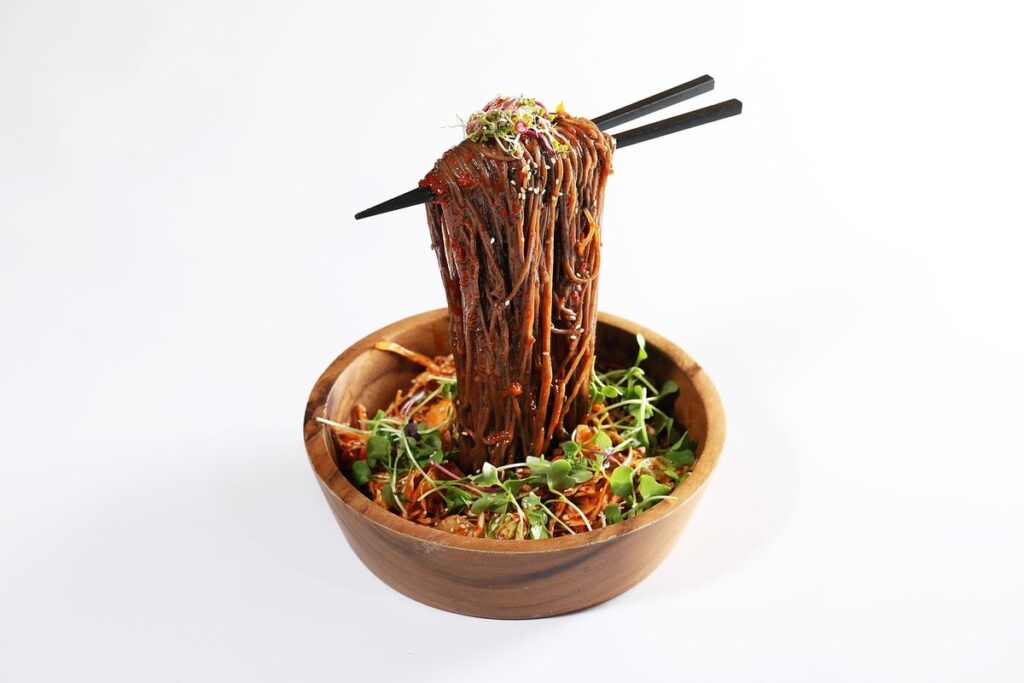
Japchae is a beloved Korean dish made from stir-fried glass noodles, vegetables, and sometimes meat. This vegetarian delight has its roots in traditional Korean cuisine, where it was originally served as a royal court dish during the Joseon Dynasty. The name “japchae” literally means “mixed glass noodles,” which refers to the combination of chewy glass noodles with various vegetables.
The ingredients used to make japchae are relatively simple and accessible. Glass noodles are made from sweet potato starch or mung bean starch, giving them a unique texture that’s both firm and slightly elastic. Alongside the noodles, you’ll typically find a mix of sautéed vegetables like spinach, carrots, and zucchini. Some recipes may also include beef or other protein sources, but the vegetable-only version is particularly popular among vegetarians.
When cooking japchae, it’s essential to stir-fry the ingredients quickly over high heat to prevent the noodles from becoming mushy. You can add a small amount of oil to help achieve this crispy texture. To make your own japchae, start by soaking the glass noodles in cold water for about 10 minutes. Then, heat some oil in a wok or large skillet and stir-fry the vegetables until they’re tender-crisp. Finally, add the drained noodles and continue stir-frying for another 2-3 minutes, until everything is well combined.
Korean Street Food and Snacks
Korean street food is a culinary treasure trove, offering a diverse array of mouth-watering snacks that are both flavorful and affordable. From savory kimchi pancakes to sweet hotteok, we’ll explore some of Korea’s tastiest treats.
Tteokbokki: Spicy Rice Cakes
Tteokbokki is a quintessential Korean street food that has gained worldwide popularity for its bold flavors and addictive textures. This spicy rice cake dish originated in the 19th century as a simple, cheap snack sold by street vendors. Over time, tteokbokki evolved to incorporate a variety of ingredients, including gochujang (Korean chili paste), soy sauce, sugar, garlic, and sesame oil.
The unique flavor profile of tteokbokki is characterized by its spicy kick from the gochujang, balanced by sweetness from the sugar and savory notes from the soy sauce. The texture of the dish is equally fascinating, with chewy rice cakes (tteok) cooked in a sweet and spicy broth. Some variations of tteokbokki include add-ins such as fish cakes, boiled eggs, or green onions.
To appreciate the true essence of tteokbokki, it’s essential to try it at a street food stall or market, where the flavors are more vibrant and authentic. When making tteokbokki at home, use a high-quality gochujang and don’t be afraid to adjust the level of spiciness to your liking. Experimenting with different combinations of ingredients will help you create your signature tteokbokki recipe.
Hotteok: Sweet Pancake-Filled Buns
Hotteok is a sweet pancake-filled bun that has become a staple at street food stalls and markets across Korea. Its history dates back to the 19th century when it was introduced from China as a variation of the traditional Chinese dessert, youjeon. Over time, Korean vendors adapted the recipe to incorporate local ingredients such as sugar, honey, and cinnamon.
The filling of hotteok typically consists of a mixture of sugar, flour, and eggs, which is then wrapped in a thin dough wrapper. The bun is deep-fried until golden brown and crispy on the outside, while remaining soft and fluffy within. Some variations of hotteok are savory rather than sweet, featuring fillings such as kimchi or tofu.
To make hotteok at home, you’ll need to combine sugar, flour, eggs, and milk to create a smooth batter. Then, mix in your desired filling ingredients, whether it’s cinnamon sugar or spicy kimchi. The dough wrapper is typically made from a mixture of flour, cornstarch, and water, which should be rolled out thinly before being filled and sealed.
When trying hotteok at a street food stall, look for vendors that offer both sweet and savory options to experience the full range of flavors this dessert offers.
Advanced Korean Cooking Techniques
Now that you’ve mastered basic Korean cooking techniques, it’s time to take your skills to the next level by learning advanced methods to create even more authentic dishes. From multi-component dishes to intricate presentation, we’ll explore it all.
Making Kimchi at Home
Proper fermentation is crucial for creating authentic kimchi. The process involves allowing a natural yeast and bacteria culture to develop on the vegetables, which can take anywhere from several hours to a few days. To achieve optimal fermentation, choose a clean and well-ventilated workspace, and use a food-grade container with a wide mouth.
Select the right ingredients: Korean chili flakes (gochugaru) give kimchi its distinctive heat, while napa cabbage provides the crunchy texture. For a more authentic flavor, use a combination of natural ingredients like garlic, ginger, and fish sauce. Avoid over-handling the vegetables, as this can damage their cell walls and inhibit fermentation.
Store the kimchi in a cool, dark place to slow down fermentation. Check on it daily to ensure that it’s not developing off-flavors or mold. A well-fermented kimchi will have a tangy, sour taste and a slightly effervescent texture. If you’re new to making kimchi at home, start with a small batch to gauge your results and adjust the seasoning as needed.
For long-term storage, consider using a jar with a tight-fitting lid or a vacuum-seal container to maintain freshness.
Preparing Bulgogi: Marinated Beef Dishes
Bulgogi’s rich flavor profile and tender texture make it a staple dish in many Korean households. At its core, bulgogi is a marinated beef dish that has evolved over time to incorporate various regional flavors and ingredients.
Traditionally, bulgogi was made with thinly sliced ribeye or sirloin beef, marinated in a mixture of soy sauce, sugar, garlic, ginger, and sesame oil. The marinade’s sweetness and savory flavors balance the bold taste of the beef, creating a harmonious flavor profile. Modern variations often include additional ingredients such as Gochujang (Korean chili paste) or doenjang (fermented soybean paste), which add depth and umami to the dish.
When preparing bulgogi, it’s essential to choose high-quality beef with good marbling, as this will ensure tender and juicy results. Additionally, the marinade should be allowed to sit for at least 2-3 hours or overnight in the refrigerator to allow the flavors to penetrate the meat evenly. Finally, bulgogi can be grilled, pan-fried, or stir-fried, each method yielding a distinct texture and presentation style.
Korean Desserts and Drinks
Korean desserts are a sweet surprise, from creamy patbingsu to warm hotteok, and we’re excited to share our favorite treats. Let’s indulge in these delicious Korean sweets and drinks together!
Patbingsu: Shaved Ice with Sweet Red Beans
Patbingsu is a quintessential Korean dessert that perfectly captures the essence of summertime. Its origins date back to the 1970s when shaved ice desserts became popular in Korea, influenced by Japanese and Western cultures. The name “pat” means “shaved ice,” and “bing-su” translates to “sweet red bean.” This refreshing treat typically consists of shaved ice topped with sweetened red beans, mochi, fruit such as strawberries or kiwi, and condensed milk.
To prepare patbingsu, start by scooping a generous helping of shaved ice into a bowl. You can use a traditional Korean-style ice shaver or even a modern electric one for a smoother consistency. Next, add a scoop of sweet red beans, which are made from azuki beans that have been boiled and then sugar-coated. For added texture, sprinkle in some mochi bits and top with sliced fresh fruit.
When assembling patbingsu, remember to balance the sweetness levels. You can adjust the amount of condensed milk or try using a different type of sweetener like honey or agave nectar. To make it more substantial, add some Korean-style rice cakes or even a scoop of ice cream for an extra creamy treat. Experiment with various combinations to find your perfect patbingsu ratio of sweet and refreshing elements.
Makgeolli: Traditional Rice Wine
Makgeolli is a traditional Korean rice wine with a rich history dating back to the Goryeo Dynasty (918-1392 AD). It was initially consumed by royalty and nobility, but eventually became popular among the general population. The production process involves fermenting a mixture of rice, water, and nuruk, a type of Korean fermentation starter culture.
The traditional method of making makgeolli is labor-intensive and time-consuming, requiring regular stirring and monitoring to achieve the perfect balance of flavors and textures. This hands-on approach allows for a high degree of customization, as brewers can experiment with different rice varieties, water sources, and nuruk ratios to create unique flavor profiles.
In Korean culture, makgeolli holds significant social and cultural importance. It is often served at family gatherings, holidays, and traditional festivals, symbolizing hospitality and respect for guests. The communal aspect of drinking makgeolli encourages conversation, laughter, and bonding among those who share it. When trying makgeolli, look for a brew that has been aged for several months to allow the flavors to mature, and be prepared for a slightly cloudy appearance due to the natural fermentation process.
Conclusion: Embarking on a Korean Cuisine Journey
As you conclude your culinary journey through the best of Korean cuisine, it’s essential to remember that the experience is just beginning. Korean food is not just about consuming dishes; it’s an immersion into a rich culture and history. To truly appreciate the complexity of Korean cuisine, start by exploring regional specialties. For instance, try the spicy stews of Gyeongsang-do Province or sample the delicate seafood dishes from Jeollanam-do Province.
To take your journey further, experiment with cooking Korean dishes at home. Start with simple recipes like bibimbap or bulgogi, and gradually move on to more complex ones like kimchi stew or Japchae noodles. Don’t be afraid to try new ingredients and flavors – Korean cuisine is known for its bold combinations.
When exploring the world of Korean cuisine, keep an open mind and be willing to learn. Visit local Korean restaurants, attend cooking classes, or join online forums to connect with fellow enthusiasts. By embracing this culinary journey, you’ll not only discover a rich food culture but also gain a deeper appreciation for the country’s history and traditions.
Frequently Asked Questions
How to Choose the Right Gochujang Brand for My Recipes?
When selecting a gochujang brand, consider the ingredients and flavor profile. Look for brands that use high-quality fermented soybeans and have minimal added sugars. Some popular brands include Sempio and Kikkoman, but feel free to experiment with different options to find your preferred taste.
What If I Don’t Have Korean Ingredients Available in My Area?
If you can’t find gochujang or doenjang locally, consider substituting with other fermented condiments like miso paste or sriracha. While these alternatives won’t perfectly replicate the authentic flavor, they can still add depth to your dishes.
Can I Make Bulgogi at Home Without a Korean Market Nearby?
To make bulgogi without access to Korean markets, focus on using high-quality beef and marinade ingredients that are readily available. Try using a combination of soy sauce, garlic, ginger, and sugar for a flavorful marinade. Don’t be afraid to experiment with different spices and seasonings to create your own unique flavor profile.
What’s the Best Way to Store Kimchi at Home?
To store kimchi properly, keep it in an airtight container in the refrigerator. Make sure to pack it tightly to prevent air from entering and causing fermentation issues. You can also consider using a kimchi fridge or a specialized container with a built-in weight to help maintain optimal fermentation conditions.
Can I Use Makgeolli as a Substitute for Other Alcoholic Beverages in Recipes?
While makgeolli has a unique flavor profile, it’s not suitable for direct substitution in most recipes. Its high water content and low ABV make it best suited for traditional Korean drinks. If you’re looking to substitute with other beverages, consider using sake or mirin as alternatives in cooking and baking applications.