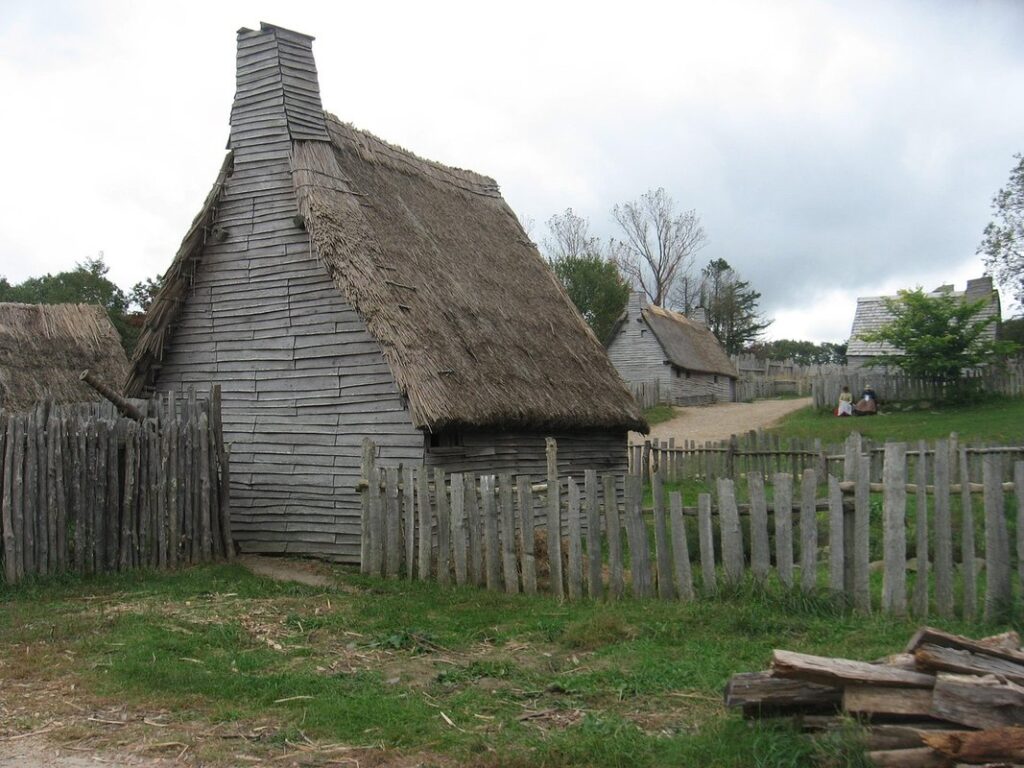
Life in the city is a world apart from life in the countryside. While urban areas boast economic opportunities, cultural diversity, and access to modern amenities, rural areas offer a slower pace, closer community ties, and a stronger connection to the natural environment. The differences between urban and rural life are not just anecdotal, but have significant implications for daily life and long-term development. From the job market to environmental sustainability, the contrasts between these two lifestyles are multifaceted and far-reaching. In this article, we’ll explore the key differences between urban and rural life, examining the benefits and drawbacks of each, and what this means for individuals, communities, and the future of development. By the end of this article, you’ll have a deeper understanding of the complexities of urban and rural life and be able to make more informed decisions about your own place in the world.
Defining Urban and Rural Life
To truly grasp the nuances of the urban-rural divide, we need to start by understanding the fundamental characteristics that define urban and rural life.
Characteristics of Urban Areas
Urban areas are characterized by high population density, with a large number of people living in a relatively small space. This density is often accompanied by a diverse range of economic activity, including a mix of industries, services, and entrepreneurship. Urban areas typically have easy access to amenities such as public transportation, shops, restaurants, and entertainment venues. These features create a vibrant and dynamic environment that is often associated with urban life.
In terms of population density, cities like New York City and Tokyo have populations that exceed 25,000 people per square mile. This density is a result of historical migration patterns, economic opportunities, and infrastructure development. Urban areas also tend to have a high concentration of services, including healthcare facilities, schools, and cultural institutions.
One of the key benefits of urban areas is their access to amenities and services. For example, residents of urban areas can walk or take public transportation to work, school, or other destinations, reducing their reliance on personal vehicles. This, in turn, can lead to a reduced carbon footprint and improved air quality.
Characteristics of Rural Areas
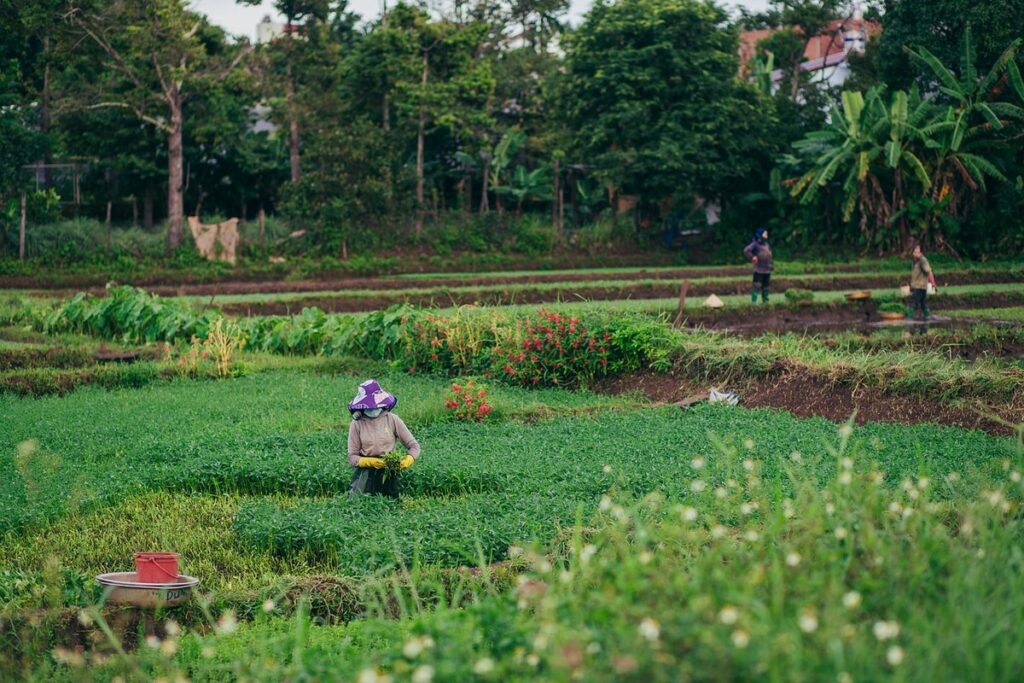
Rural areas are characterized by lower population density, with fewer people living on a larger land area compared to urban areas. This lower population density can lead to a greater sense of community, as residents often know and interact with one another. For example, in a small town with a population of just a few thousand, it’s common for neighbors to wave hello or offer help with yard work.
Rural areas also often have limited economic opportunities, with fewer job options and lower paying wages compared to urban areas. Many rural residents commute to nearby cities for work, while others rely on agriculture, small businesses, or self-employment to make a living. Access to natural resources is another defining feature of rural areas, with many residents able to hunt, fish, or gather wood for heat and other purposes.
In terms of housing, rural areas often feature single-family homes, farms, or ranches, with larger lots and more open space. This can be a major draw for those looking to escape the crowds and noise of urban life. However, it’s worth noting that rural areas can also be isolated, with limited access to amenities like grocery stores, healthcare services, or public transportation.
Economic Differences Between Urban and Rural Life
One of the most significant differences between urban and rural life is the way people earn and manage their finances, with distinct economic challenges and opportunities arising from each environment.
Urban Economic Opportunities
Urban areas offer a diverse range of job opportunities, with many industries represented, from finance and healthcare to technology and arts. This diversity is particularly beneficial for individuals with transferable skills, as they can easily adapt to new roles and industries. In contrast, rural areas often have limited job opportunities, with a greater reliance on agriculture and small businesses.
Higher salaries are also a hallmark of urban areas, with median incomes often significantly higher than in rural areas. This is due in part to the concentration of high-paying industries and the presence of major corporations. However, it’s worth noting that these higher salaries are often accompanied by higher costs of living, including housing and transportation expenses.
For entrepreneurs, urban areas provide access to a wealth of resources, including coworking spaces, business incubators, and networking events. These resources can be instrumental in helping new businesses get off the ground and attract funding. To take advantage of these opportunities, individuals should be prepared to network and seek out mentorship from experienced entrepreneurs and industry experts.
Rural Economic Challenges
Rural areas often struggle with limited job opportunities, which can be attributed to the smaller population and lack of major industries. Many rural areas rely heavily on agriculture, which can be subject to fluctuations in crop prices and weather conditions. This can lead to seasonal employment, making it difficult for workers to find stable, year-round employment. Additionally, rural areas often have lower median salaries compared to urban areas, which can make it challenging for residents to afford basic necessities, let alone invest in education or entrepreneurship.
Access to capital is also a significant challenge for rural areas. Many rural residents lack access to traditional banking services, making it difficult to secure loans or credit. This can limit their ability to start or grow a business, further exacerbating the lack of job opportunities. Furthermore, rural areas often have limited access to venture capital and angel investors, making it even harder for entrepreneurs to secure funding. To overcome these challenges, rural residents may need to explore alternative funding options, such as crowdfunding or community development financial institutions.
Social and Cultural Differences Between Urban and Rural Life
As you explore the urban-rural divide, it’s essential to understand the distinct social and cultural nuances that define life in these two vastly different environments. This includes varying community values, social norms, and cultural practices.
Urban Social Dynamics
Urban areas are melting pots of diverse cultures, with people from various ethnic backgrounds, ages, and socioeconomic statuses living in close proximity. This diversity can lead to cultural exchange and a more accepting attitude towards differences. For instance, urban residents often frequent international restaurants, attend cultural festivals, and participate in community events that celebrate the diversity of their surroundings. This exposure can foster empathy and tolerance, making urban areas more inclusive environments.
However, the fast-paced and often competitive nature of urban life can also lead to social isolation. With many people focusing on their careers and daily routines, it’s easy to overlook the needs of those around them. This can result in a sense of disconnection, even among neighbors. To combat this, urban residents can actively engage with their communities by volunteering for local organizations, attending neighborhood meetings, or participating in community gardens. By doing so, they can build stronger relationships with their neighbors and contribute to the well-being of their urban communities.
Rural Social Dynamics
Rural communities often rely on traditional practices to maintain social cohesion and a sense of belonging. For instance, many rural residents participate in annual festivals and events that have been passed down through generations. These events not only bring people together but also serve as a way to preserve cultural heritage. The close-knit nature of rural communities can be both a blessing and a curse, however. While it provides a strong support system, it can also limit opportunities for cultural exchange and exposure to new ideas.
In rural areas, people often know one another well, and social norms are deeply ingrained. This can lead to a sense of community and cooperation, but it can also make it difficult for outsiders to integrate. As a result, rural residents may be more resistant to change and may be slower to adopt new technologies or practices. This can be a challenge for entrepreneurs and businesses looking to establish themselves in rural areas.
Rural communities often also have a strong sense of self-reliance, which can be a valuable asset in times of need. However, it can also lead to a lack of access to resources and services that are readily available in urban areas.
Environmental Differences Between Urban and Rural Life
One of the most striking differences between urban and rural life is the environment itself, shaped by unique factors in each setting. From pollution to wildlife, the surroundings can have a profound impact on daily life.
Urban Environmental Challenges
Urban areas face a unique set of environmental challenges. Air pollution, for instance, is a significant concern in cities, where vehicle emissions and industrial activities contribute to high levels of particulate matter and other pollutants. This can lead to respiratory problems, cardiovascular disease, and even premature death. In addition to air pollution, urban waterways often suffer from contamination, as untreated sewage and industrial waste can flow into rivers and lakes.
Traffic congestion is another environmental challenge in urban areas, contributing to greenhouse gas emissions, air pollution, and noise pollution. To mitigate these effects, cities can implement congestion pricing, promote public transportation, and encourage carpooling and ride-sharing. Furthermore, the loss of green spaces in urban areas can have serious environmental consequences, including reduced air quality, increased urban heat island effect, and decreased stormwater management capacity.
Cities can reclaim some of these lost green spaces by implementing urban agriculture projects, community gardens, and green roofs. These initiatives not only provide ecological benefits but also offer opportunities for community engagement, social cohesion, and economic development.
Rural Environmental Benefits
Rural areas often boast cleaner air and water, thanks to lower population densities and fewer industrial activities. Residents can expect to breathe easier, with fewer pollutants and particulate matter in the air. In terms of water quality, rural communities typically have access to natural springs and wells, which can provide fresher water than urban tap water. Green spaces are also abundant in rural areas, with many homes and neighborhoods surrounded by parks, forests, and farmland. These natural areas not only provide aesthetic benefits but also support local wildlife and ecosystems.
For those interested in sustainable living, rural areas offer a range of opportunities. Many rural residents grow their own fruits and vegetables, reducing reliance on industrial agriculture and transportation. Others engage in renewable energy projects, such as solar or wind power, to reduce their carbon footprint. Some rural communities have even implemented innovative waste management systems, such as composting and recycling programs. By embracing these practices, rural residents can live more sustainably and reduce their impact on the environment.
Healthcare and Education Differences Between Urban and Rural Life
One of the most significant disparities between urban and rural life is access to quality healthcare and education, which can have a lasting impact on overall well-being and opportunities.
Urban Access to Healthcare and Education
Urban areas typically have a wide range of specialized medical facilities, including hospitals, clinics, and research centers. These institutions often provide access to cutting-edge treatments and technologies, such as advanced imaging equipment and robotic surgery. For example, a city like New York or Los Angeles has numerous top-ranked hospitals, including those that specialize in specific areas like cancer treatment or neurology. In contrast, rural areas often have limited access to these specialized facilities, relying on smaller, general-practice hospitals or community health centers.
As a result, urban residents are more likely to receive timely and effective care for complex medical conditions. This is particularly important for conditions like heart disease, diabetes, and stroke, where early treatment can significantly improve outcomes. Urban areas also tend to have more medical specialists, including doctors who have completed advanced training in their field. For instance, a person in an urban area can easily find a cardiologist or endocrinologist with expertise in their specific condition.
Urban areas also boast top-tier educational institutions, including universities and colleges that offer a wide range of academic programs. These institutions often have state-of-the-art facilities, including research centers, libraries, and laboratories.
Rural Access to Healthcare and Education
Rural communities often struggle with limited access to healthcare services. This is due in part to a shortage of medical facilities and specialized care providers in these areas. Many rural hospitals have closed in recent years, forcing patients to travel long distances for even basic medical care. This can be a significant barrier for people in rural areas who may not have access to reliable transportation or who may be unable to take time off work for extended periods.
In addition to limited healthcare options, rural schools often perform lower on standardized tests and have fewer resources than their urban counterparts. This is often attributed to a lack of funding and experienced teachers in these areas. As a result, rural students may have fewer opportunities for advanced courses and extracurricular activities, which can impact their academic and professional prospects.
These disparities can have long-term consequences for the health and economic well-being of rural communities. Addressing these challenges will require a sustained effort from policymakers, healthcare providers, and educators to develop targeted solutions and invest in the infrastructure and resources needed to support rural residents.
The Future of Urban and Rural Life
As we continue to explore the urban-rural divide, let’s examine the evolving landscapes of urban and rural life, including the impact of technological advancements on these distinct environments.
Trends Shaping Urban and Rural Development
Urbanization, driven by factors like demographics and economic shifts, is redefining cityscapes and influencing the surrounding rural areas. In cities, vertical farming and green roofs are being implemented to increase food production and reduce carbon footprints. This trend is also seen in rural areas, where farmers are adopting precision agriculture techniques to boost yields and minimize waste.
Rural revitalization efforts are underway, focusing on preserving traditional skills and industries, such as crafts, textiles, and artisanal foods. Many rural communities are embracing the concept of “agri-tourism,” offering visitors the chance to experience farm-to-table cuisine and hands-on agricultural activities. This not only generates revenue but also helps maintain cultural heritage.
Sustainable development is another key trend, with both urban and rural areas striving to reduce their ecological impact. Cities are investing in renewable energy sources, such as solar and wind power, while rural areas are promoting eco-friendly practices like permaculture and regenerative agriculture. By adopting these technologies and approaches, communities can create more livable environments, improve public health, and enhance economic resilience.
Conclusion
The urban-rural divide is a complex phenomenon, shaped by the unique characteristics of each setting. By examining the economic, social, cultural, environmental, and healthcare differences between urban and rural areas, we can gain a deeper understanding of the opportunities and challenges faced by both. The key takeaway from this exploration is that there is no one-size-fits-all approach to addressing the needs of urban and rural communities. Instead, policymakers and community leaders must consider the distinct challenges and benefits of each setting.
In urban areas, policymakers can focus on addressing issues like overcrowding, air pollution, and limited access to green spaces. In rural areas, the emphasis may be on improving internet connectivity, providing access to healthcare services, and supporting local economic development. By tailoring solutions to the specific needs of each community, we can work towards a more equitable and sustainable future. This requires a nuanced understanding of the trade-offs between urban and rural life and a willingness to adapt policies and initiatives to meet the unique needs of each setting. Ultimately, this will enable us to create more livable, thriving, and resilient communities across the urban-rural spectrum.
Frequently Asked Questions
Can I apply the lessons learned from urban planning to rural areas?
Yes, many of the strategies used in urban planning, such as community engagement and participatory budgeting, can be adapted and applied to rural areas to improve community development and decision-making processes. By doing so, rural communities can benefit from the same level of participation and inclusivity found in urban areas.
How do I know if I’m ready to make the transition from rural to urban life?
Transitions from rural to urban areas can be complex, and it’s essential to consider factors such as job opportunities, access to education and healthcare, and personal preferences. Assess your priorities, research the urban area you’re interested in, and consider visiting or interning in the city to get a feel for the culture and lifestyle.
What if I’m living in a rural area with limited job opportunities, but I have a specific skillset that could be valuable in an urban setting?
In this scenario, it may be beneficial to explore remote work or freelancing opportunities, which can allow you to leverage your skills and earn a higher income without having to physically relocate. Many companies are open to remote work arrangements, especially in fields like software development, writing, or design.
How can I contribute to the revitalization of my rural community, given the challenges it faces?
You can contribute to rural revitalization by getting involved in local initiatives, such as community gardens, farmers’ markets, or arts and crafts programs. These efforts can help stimulate local economies, foster community engagement, and promote a sense of pride and ownership among residents. Additionally, you can advocate for policy changes that support rural development and economic growth.