
Achieving a balance between work and life is a universal goal, yet the way it’s perceived and prioritized varies significantly across cultures. In Western societies, the emphasis is often on work ethic and productivity, while in many Eastern cultures, family and community ties take precedence. As a result, what constitutes a healthy work-life balance can be vastly different from one culture to another. For instance, in some cultures, it’s common to work long hours and prioritize professional success, while in others, it’s expected to prioritize family time and community obligations. Understanding these cultural nuances is crucial in today’s globalized workplace, where employees from diverse backgrounds interact and collaborate. This article will explore the complexities of work-life balance across cultures, examining the benefits of mindfulness, cultural diversity, and policy changes in creating harmony in the modern workplace.
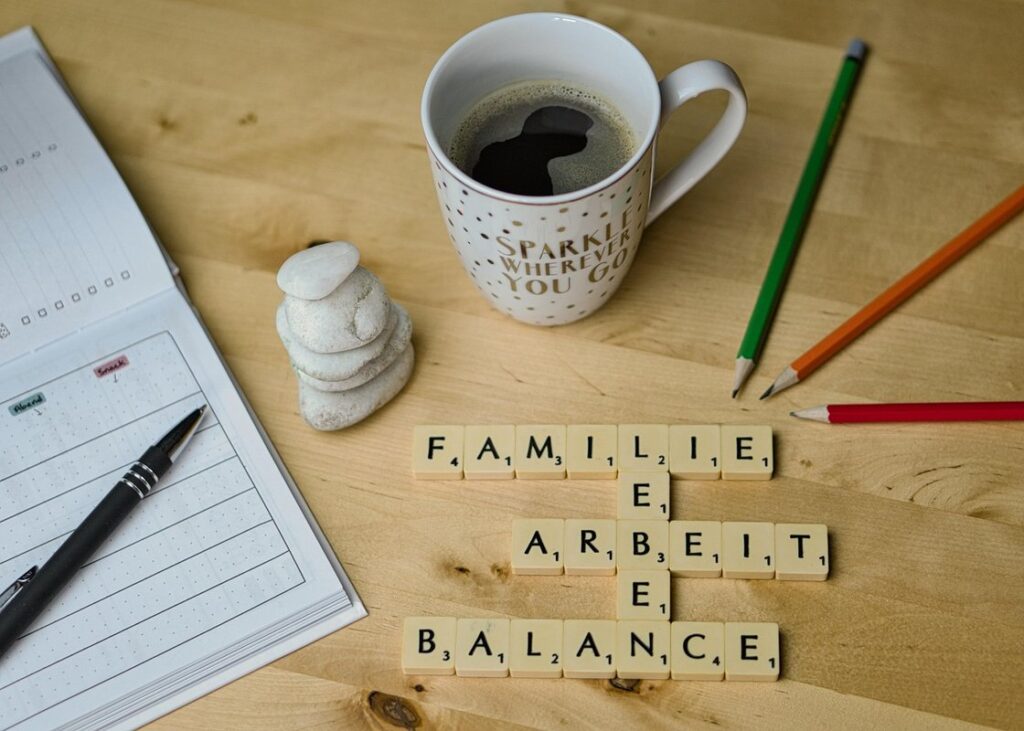
Understanding Cultural Perspectives on Work-Life Balance
Understanding work-life balance varies greatly across cultures, with some societies prioritizing family time and others valuing career advancement above all else. Let’s examine some of the key cultural differences that shape attitudes towards work-life balance.
The Concept of Work-Life Balance in Western Cultures
In Western cultures, the concept of work-life balance has its roots in the Enlightenment era, where the idea of a strict separation between work and personal life emerged. This dichotomy was further solidified during the Industrial Revolution, as workers began to leave their homes and factories became the primary place of work. As a result, the notion of a “nine-to-five” schedule and the expectation of a clear distinction between work and personal time became deeply ingrained in Western societies.
The emphasis on separating work and personal life has been perpetuated by the rise of industrialized societies and the growth of the middle class. This has led to the development of suburban communities, where the separation of work and personal space is physically manifest. However, this separation has also been criticized for perpetuating burnout, as individuals are often expected to be “on the clock” even when not physically present at work. To achieve a more balanced approach, some Western cultures are beginning to adopt flexible work arrangements and prioritize self-care practices, such as mindfulness and meditation.
Eastern Perspectives on Work-Life Integration
In Eastern cultures, particularly in countries influenced by Buddhism and Taoism, work-life integration is deeply ingrained in philosophy and daily practice. The concept of work-life balance is not seen as a separate entity, but rather an integral part of a harmonious and balanced life. In Buddhism, for example, the notion of “work” is not just about physical labor, but also about mental and spiritual pursuits. The idea is to cultivate a sense of mindfulness and presence in all aspects of life, including work. This approach is reflected in the concept of “wu-wei,” or effortless action, which encourages individuals to align their actions with their natural flow.
In Taoist philosophy, the balance of opposites is key to achieving harmony. This is reflected in the concept of yin-yang, which represents the interconnectedness and interdependence of all things. Practically, this means that work and life are not separate domains, but rather complementary aspects of a single, unified whole. To apply these principles in daily life, individuals can try incorporating mindfulness practices, such as meditation or deep breathing, into their workday. They can also strive to cultivate a sense of flow and engagement in their work, allowing themselves to be fully present and immersed in the task at hand. By embracing these Eastern perspectives, individuals can begin to shift their focus from achieving a balance between work and life to cultivating a deeper sense of harmony and integration.
The Impact of Globalization on Work-Life Balance
Globalization has reshaped the concept of work-life balance, introducing new dynamics that impact individuals and organizations worldwide. As companies expand globally, they often bring Western-style work cultures with them, influencing local norms and expectations. This can lead to the erosion of traditional work-life boundaries, as employees are expected to be available 24/7 and adapt to new time zones and work schedules. The rise of remote work has also contributed to the blurring of work-life boundaries, as the physical separation between work and personal life is diminished.
In some cases, globalization has created opportunities for improved work-life balance. For instance, companies that adopt flexible work arrangements and prioritize employee well-being may find that productivity and job satisfaction increase. However, the benefits of globalization on work-life balance are often unevenly distributed, with some individuals facing increased pressure to conform to Western-style work norms. To mitigate these effects, organizations can adopt culturally sensitive approaches to work-life balance, recognizing and respecting local customs and traditions. By doing so, they can create a more inclusive and supportive work environment that promotes balance and well-being for all employees.
Traditional Cultural Approaches to Work-Life Balance
In many cultures, work-life balance is not just a modern concept, but a deeply ingrained aspect of daily life, with traditional practices and values playing a significant role in achieving equilibrium.
Indigenous Cultures and Community-Based Work-Life Balance
In many traditional Indigenous cultures, community and collective well-being take precedence over individual pursuits. The concept of work-life balance is deeply intertwined with the notion of contributing to the greater good. For example, in some Indigenous societies, the daily routine is structured around communal activities, such as hunting, gathering, and childcare. This shared responsibility allows individuals to balance their work and family responsibilities while fostering a sense of unity and interdependence.
In these cultures, work and life are not compartmentalized but are instead fluid and interconnected. Decision-making is often a collective process, ensuring that the needs of the community are considered alongside individual needs. This approach promotes a sense of balance and harmony, as individuals work together to maintain the well-being of the community.
Practically, this means that individuals in Indigenous cultures often prioritize tasks that benefit the community over personal goals. For instance, a hunter might choose to hunt for the community’s benefit rather than for personal gain. By prioritizing collective well-being, Indigenous cultures demonstrate a unique approach to work-life balance that emphasizes interdependence and cooperation.
African and Asian Cultural Approaches to Work-Life Balance
In many African societies, respect and hierarchy play a significant role in achieving work-life balance. For instance, in some West African cultures, the concept of “ubuntu” emphasizes the interconnectedness of individuals and their communities. This understanding of interdependence is reflected in the way work and personal life are organized, with a strong emphasis on family obligations and community responsibilities. In these cultures, work is not just a means of survival, but also a way to contribute to the well-being of others.
In contrast, many Asian societies place a strong emphasis on social hierarchy and obligation. For example, in Japan, the concept of “honne” and “tatemae” highlights the importance of maintaining social harmony and avoiding conflict. This can manifest in the way employees prioritize their work responsibilities over personal needs, leading to a blurring of the boundaries between work and life. However, this cultural approach also emphasizes the importance of family and community support, which can be a valuable resource for achieving work-life balance. Understanding these cultural nuances is essential for developing effective strategies that respect and build upon existing cultural values.
The Role of Family and Community in Supporting Work-Life Balance
Family and community play a vital role in supporting work-life balance across cultures. In many traditional societies, family and community ties are strong, and individuals often rely on these social support networks to manage their work and personal responsibilities. For example, in some Indigenous cultures, community members may come together to care for children and elders, allowing working parents to focus on their jobs without the added burden of childcare. Similarly, in some African cultures, extended family members may provide emotional and practical support to working individuals, helping them navigate the demands of work and family life.
In many Asian cultures, the concept of “filial piety” emphasizes the importance of caring for one’s parents and respecting their needs. This can lead to a strong sense of responsibility among family members to support each other in achieving work-life balance. By tapping into these social support networks, individuals can reduce their stress levels, increase their productivity, and improve their overall well-being. To apply this principle in your own life, consider building strong relationships with your family and community, and don’t be afraid to ask for help when you need it. By doing so, you can create a more balanced and sustainable approach to work and life.
Modern Challenges to Achieving Work-Life Balance
Achieving a healthy work-life balance has become increasingly difficult, especially as traditional boundaries between work and personal life continue to blur. We’ll examine the key challenges that make it tough for individuals to strike a balance in today’s fast-paced environment.
The Digital Age and the Blurred Boundaries of Work and Life
In the digital age, the boundaries between work and life have become increasingly blurred. With the rise of remote work, employees are often expected to be available 24/7, leading to an always-on culture that can be detrimental to work-life balance. Digital distractions, such as social media and email notifications, can also encroach on personal time, making it difficult to disconnect from work.
The shift to remote work has been particularly pronounced in the wake of the pandemic, with many companies adopting flexible work arrangements as a matter of necessity. While this has opened up new possibilities for work-life balance, it also requires employees to be more mindful of their boundaries. In many cultures, the concept of a clear separation between work and personal time is still evolving.
To maintain a healthy work-life balance in this digital landscape, it’s essential to establish clear expectations with your employer and set boundaries that work for you. This might involve designating specific times for work and personal activities, or using tools and apps to help manage digital distractions. By being intentional about how we use technology, we can create a better balance between our work and personal lives.
The Pressure to Conform to Western Work-Life Balance Expectations
When non-Western cultures engage with Western ideals, they often face pressure to adopt Western work-life balance expectations. This can lead to cultural exchange, but also to tensions and conflicts. For instance, a company with a Western management team may impose traditional Western work hours and expectations on employees from a culture that values flexibility and communal work.
In some cases, this pressure can be subtle, manifesting as a “best practices” manual that assumes Western norms. In others, it can be overt, with explicit demands for employees to conform to Western-style work-life balance. Employees from non-Western cultures may feel forced to choose between their cultural values and their job requirements.
The result can be cultural dissonance, as individuals struggle to reconcile their personal and professional lives with the expectations of their Western employers. This can lead to feelings of disconnection, burnout, and demotivation. To mitigate this effect, it’s essential for companies to be aware of cultural differences and to approach work-life balance with a nuanced understanding of the cultural context. By doing so, they can create a more inclusive and supportive work environment that values diversity and promotes well-being.
The Impact of Economic Inequality on Work-Life Balance
Economic inequality has a profound impact on work-life balance, particularly for low-income households. The disproportionate burden of caregiving and domestic work falls on these households, exacerbating the challenges they face in achieving a balance between work and life. Women, in particular, are often expected to take on the bulk of caregiving responsibilities, leaving them with limited time and energy for their own pursuits. This can lead to burnout, stress, and a sense of isolation.
In many cultures, the notion of “family support” can be a double-edged sword. While it’s true that family members may be willing to lend a hand, this often comes at the cost of the individual’s autonomy and work-life balance. For example, a study in a developing country found that 70% of working mothers reported sacrificing their own work hours to care for their families. This not only affects their productivity and job satisfaction but also perpetuates the cycle of inequality.
To mitigate this impact, policymakers and employers can implement flexible work arrangements, such as telecommuting or job sharing, to support low-income workers. Additionally, education and awareness-raising programs can help to redistribute caregiving responsibilities and promote greater gender equality in the home.
Strategies for Achieving Work-Life Balance Across Cultures
Different cultures approach work-life balance with varying degrees of emphasis on personal time and professional obligations, leading to unique challenges and opportunities for individuals. Understanding these cultural nuances is crucial to achieving a balanced life.
Mindfulness and Self-Care in the Pursuit of Work-Life Balance
Mindfulness and self-care are essential components of achieving work-life balance, particularly in today’s fast-paced and often demanding work environments. Cultures that prioritize mindfulness and self-care, such as those in the Far East, offer valuable lessons for individuals seeking balance. For example, the Japanese concept of “mono no aware” emphasizes the importance of appreciating the fleeting nature of life and the beauty of impermanence. This mindset can help individuals cultivate a sense of detachment from work-related stress and anxiety.
Incorporating mindfulness and self-care practices into daily routines can be as simple as taking a few minutes each day to breathe deeply, practice gratitude, or engage in physical activity. Many cultures also place a strong emphasis on community and social support, recognizing that individuals are not alone in their pursuit of balance. For instance, in some Indigenous cultures, community members come together to share meals, stories, and responsibilities, promoting a sense of interconnectedness and shared well-being. By embracing these cultural perspectives and incorporating mindfulness and self-care practices, individuals can better navigate the challenges of work-life balance and cultivate a more harmonious relationship between their professional and personal lives.
Embracing Cultural Diversity in the Workplace
Embracing cultural diversity in the workplace is essential for achieving work-life balance across cultures. Cultural sensitivity is critical, as it enables organizations to tailor their policies and practices to meet the unique needs of their diverse workforce. This includes providing training on cultural awareness and accommodation, which helps to break down barriers and foster a sense of belonging among employees from different backgrounds.
For instance, a company in the US with a large population of Asian employees might consider offering flexible work arrangements to accommodate the traditional family obligations that are common in many Asian cultures. Similarly, a company in Europe with a high proportion of Muslim employees might provide a prayer room or adjust its scheduling to accommodate the daily prayers that are essential for many Muslims.
By embracing cultural diversity, organizations can reap several benefits, including improved employee retention, increased productivity, and enhanced creativity. Moreover, it can also help to create a positive work environment where employees feel valued and respected. To achieve this, companies should strive to create inclusive policies and practices that recognize and accommodate the diverse needs of their workforce.
Policy and Systemic Changes to Support Work-Life Balance
To create a supportive work environment, organizations must adopt policy and systemic changes that acknowledge the diverse needs of their employees. Flexible work arrangements, such as telecommuting or flexible hours, can be particularly beneficial for employees with caregiving responsibilities or those from cultures that value work-life integration. For instance, Microsoft Japan’s four-day workweek trial resulted in a 23% increase in productivity and significant cost savings.
Other essential policy changes include providing adequate parental leave and ensuring paid family leave is accessible to all employees, regardless of their cultural background. A notable example is Iceland’s 2019 introduction of a 3-month paid parental leave, which has led to a significant increase in breastfeeding rates and improved work-life balance.
Workplace wellness programs also play a crucial role in promoting work-life balance. These programs can include stress management workshops, mental health support, and on-site childcare services. By incorporating these programs, organizations can foster a culture of well-being and support employees in achieving a better balance between their work and personal lives. By implementing these systemic changes, employers can create a more inclusive and supportive work environment that values the diverse needs of their employees.
Conclusion
Now that we’ve explored the complexities of work-life balance across cultures, let’s summarize the key takeaways from our discussion so far.
Synthesizing Cultural Perspectives on Work-Life Balance
Achieving work-life balance is a complex issue that varies significantly across cultures. By examining traditional cultural approaches to work-life balance, we see that many indigenous cultures and some African and Asian cultures prioritize community-based work-life balance. In contrast, Western cultures often emphasize individualism and separate work and life into distinct spheres. The impact of globalization has also contributed to the homogenization of work-life balance expectations, with many non-Western cultures being pressured to conform to Western standards. However, this approach neglects the importance of cultural context and can lead to cultural insensitivity.
To achieve work-life balance across cultures, it’s essential to adopt a culturally sensitive approach. This involves recognizing and respecting the unique cultural values and practices of different societies. For instance, in some African cultures, work and family life are deeply intertwined, and it’s common for family members to work together on farms or in small businesses. In these contexts, work-life balance is not about separating work and life but about finding harmony between them. By embracing cultural diversity and adopting a more nuanced understanding of work-life balance, we can create more inclusive and effective solutions for achieving balance across cultures.
Future Directions for Research and Practice
To advance the field of work-life balance across cultures, researchers and practitioners must adopt more nuanced and culturally informed approaches. This involves acknowledging the diversity of cultural perspectives and experiences, rather than imposing a single, Western-derived model. One direction for research is to explore the unique strengths and resilience of non-Western cultures, where work-life balance is often integrated into daily life rather than compartmentalized. For instance, a study on the Japanese concept of “ikigai” could provide insights into the cultural values that prioritize personal fulfillment and contribution.
Practitioners should also prioritize cultural sensitivity in their work, avoiding the imposition of Western-style work-life balance solutions on diverse populations. This might involve collaborating with local stakeholders, community leaders, and cultural experts to develop context-specific interventions. A more culturally informed approach to work-life balance would also recognize the importance of community and family support, rather than solely focusing on individualized solutions. By moving beyond a one-size-fits-all approach, we can create more effective and sustainable strategies for achieving work-life balance across cultures.
Frequently Asked Questions
How do I apply the principles of mindfulness and self-care to my work environment?
Mindfulness and self-care are not limited to personal practices. You can also apply them in the workplace by incorporating mindfulness exercises into team meetings, encouraging employees to prioritize self-care, and fostering a culture of wellness. Consider implementing flexible work arrangements, such as telecommuting or flexible hours, to help employees better manage their work-life balance.
Can I use the strategies discussed in this article to improve work-life balance in a small business or startup?
Yes, the strategies discussed in this article can be applied to businesses of all sizes, including small businesses and startups. However, it’s essential to consider the unique challenges and limitations of smaller organizations, such as limited resources and tight timelines. Be creative and flexible when implementing changes, and prioritize the most critical strategies that align with your business goals.
How do I navigate cultural differences in the workplace when implementing work-life balance policies?
When implementing work-life balance policies, it’s essential to consider the cultural backgrounds and needs of your employees. Be open to feedback and suggestions from employees from diverse cultural backgrounds, and be willing to adapt policies to meet their needs. This may involve providing cultural sensitivity training, offering flexible work arrangements, or adjusting leave policies to accommodate different cultural norms.
Can I use technology to support work-life balance, or will it just create more distractions?
Technology can be both a blessing and a curse when it comes to work-life balance. While it can provide flexibility and convenience, it can also blur the boundaries between work and personal life. To minimize distractions, consider implementing technology-free zones or times, using productivity apps that help you stay focused, and setting clear boundaries around work-related activities outside of work hours.
How do I measure the success of work-life balance initiatives in my organization?
Measuring the success of work-life balance initiatives can be challenging, but there are several metrics you can use to evaluate their effectiveness. Consider tracking metrics such as employee satisfaction, turnover rates, productivity, and absenteeism. You can also conduct regular surveys or focus groups to gather feedback from employees and identify areas for improvement.

