The night sky over Paris is set ablaze with vibrant colors and patterns on July 14th, as the city celebrates Bastille Day with its annual fireworks display. This iconic event is a testament to the rich history and culture of France, and a must-see experience for anyone visiting the city during this time. But where are the best spots to catch the action, and what can you expect from the show? This article will delve into the history behind Bastille Day, provide insider tips for securing a great viewing spot, and offer advice on how to make the most of this unforgettable celebration. By the end of this article, you’ll be equipped with the knowledge to plan an unforgettable Bastille Day fireworks experience in Paris.
History of Bastille Day Fireworks
Bastille Day fireworks in Paris have a rich and storied history that spans centuries, with the tradition dating back to the early days of the French Revolution. From humble beginnings to the elaborate displays we know today, this section takes a closer look.
Origins of Bastille Day Celebrations
Bastille Day, celebrated on July 14th, marks the anniversary of the Storming of the Bastille in 1789, a pivotal event in the French Revolution. This event was a turning point in modern history, symbolizing the end of absolute monarchy and the beginning of the French Republic. The Revolution’s emphasis on liberty, equality, and fraternity laid the groundwork for modern democracy. In the years following the Storming of the Bastille, the French people celebrated their newfound freedom with street festivals and fireworks.
The first fireworks displays were held in the gardens of the Tuileries Palace, where the French monarchy once resided. These early displays were a way for the people to express their joy and relief at the fall of the monarchy. Over time, the tradition of fireworks on Bastille Day has continued, with each display becoming more elaborate and impressive. Today, fireworks are an integral part of the celebrations, illuminating the night sky over the Eiffel Tower and other iconic Parisian landmarks.
In Paris, the fireworks display is a spectacle not to be missed, and it’s essential to plan ahead to secure a good viewing spot.
Evolution of Bastille Day Fireworks
Over the years, the Bastille Day fireworks displays in Paris have undergone significant changes in technology and design. One notable shift has been the increased use of digital projections, which have enhanced the visual effects of the fireworks. For instance, in 2019, the Eiffel Tower was adorned with a massive digital display of the French flag, adding a new dimension to the traditional pyrotechnic displays.
In addition to digital projections, fireworks designers have also experimented with new shapes, colors, and patterns. The displays now often feature intricate designs, such as floral motifs, geometric shapes, and even 3D images. This evolution has been made possible by advances in pyrotechnic technology, which allow for greater precision and control over the firing of fireworks.
The use of drones has also become more prevalent in recent years, adding a new level of complexity to the displays. Some shows have even incorporated live music and dance performances, further blurring the line between fireworks and entertainment. These innovations have transformed the Bastille Day fireworks experience, making it more engaging and immersive for spectators.
Cultural Significance of Bastille Day Fireworks
Bastille Day fireworks are an integral part of French national identity, and their cultural significance is deeply rooted in the country’s history. The fireworks display on July 14th is a celebration of the Storming of the Bastille, a pivotal event in the French Revolution that marked the end of absolute monarchy and the beginning of the modern era. The fireworks are a way to commemorate the bravery and sacrifice of the French people who fought for their freedom.
In Paris, the fireworks display is a spectacle that brings the city together. The Eiffel Tower, a symbol of French engineering and ingenuity, is the backdrop for the fireworks, adding to their grandeur. The display is carefully choreographed to include a range of colors, patterns, and effects, making it a truly immersive experience. The fireworks also serve as a reminder of the importance of democracy and the values that France holds dear.
For tourists and locals alike, the Bastille Day fireworks are a must-see event. To make the most of the experience, try to find a spot along the Seine River or near the Eiffel Tower, as these areas offer stunning views of the fireworks display.
Best Viewing Spots for Bastille Day Fireworks
For a truly unforgettable Bastille Day experience, finding the perfect spot to watch the fireworks is crucial. Here are our top recommendations for the best viewing spots in Paris.
Champ de Mars: The Most Popular Spot
The Champ de Mars is the most popular spot to watch the Bastille Day fireworks, and for good reason. This iconic park has been the epicenter of Paris’ Independence Day celebrations for over a century. Its history dates back to the original 1789 celebrations, when the park was used as a gathering spot for the masses. Today, it remains the go-to destination for both locals and tourists.
The park’s accessibility is also a major draw. Located on the Seine’s left bank, it’s easily accessible by public transportation, making it a convenient option for those staying in nearby neighborhoods. As you arrive, you’ll be swept up in the festive atmosphere, complete with street performers, food vendors, and live music. The park’s sprawling lawns offer ample space to set up a blanket and enjoy the show, while the surrounding gardens provide a picturesque backdrop for the fireworks display.
When it comes to the fireworks themselves, the Champ de Mars offers an unobstructed view of the Eiffel Tower, making it a truly unique experience. As the sun sets and the fireworks begin, the park erupts in a kaleidoscope of color and sound, with the tower serving as the perfect focal point.
Other Popular Viewing Spots
If you’re not able to snag a spot on the Champ de Mars, don’t worry – there are plenty of other great places to watch the Bastille Day fireworks in Paris. One of the most iconic spots is the Eiffel Tower, which offers a unique view of the fireworks reflected in the tower’s iron latticework. Another popular spot is along the Seine River, where you can find great views of the fireworks and the city’s twinkling lights. The Montmartre neighborhood is also a great place to watch the fireworks, with its narrow streets and charming cafes providing a lively atmosphere.
The Eiffel Tower is particularly popular because it’s one of the few spots where you can get a clear view of the fireworks without being completely packed in with other spectators. However, be prepared for long lines and security checks, as this spot is heavily policed and crowded. Along the Seine River, you can find a variety of viewing spots, from the riverbanks to the bridges and piers. Some of the best spots can be found near the Pont des Arts and the Pont Neuf, which offer great views of the fireworks and the city’s landmarks.
In the Montmartre neighborhood, you can find a more laid-back atmosphere, with plenty of cafes and restaurants to grab a bite to eat while you watch the fireworks. However, be aware that this spot can get crowded quickly, especially around the Sacré-Cœur Basilica.
Tips for Finding the Perfect Viewing Spot
Arrive early to secure a spot on the Champ de Mars or other popular viewing areas. The crowds can be overwhelming, and getting there before sunset will give you a better chance of finding a good spot. Consider arriving by 4-5 pm to soak in the pre-fireworks atmosphere and get comfortable before the main event.
If you can’t make it to the Champ de Mars, other popular spots include the Eiffel Tower, the Seine River banks, and the Pont des Arts. These areas often have great views, but be prepared for crowds and noise. To avoid the chaos, look for smaller, less crowded spots like the Square René Le Gall or the Parc du Champ-de-Mars.
When choosing your viewing spot, consider the type of experience you want. Do you want to be close to the action or enjoy a more relaxed view? Think about the time of day and the lighting – the firework displays are often more breathtaking in the evening or at twilight. Bring snacks, drinks, and a comfortable blanket to make the most of your experience.
Tips for Enjoying the Fireworks
To make the most of the Bastille Day fireworks, consider the best viewing spots and plan your arrival to beat the crowds, ensuring a memorable experience. Be prepared for the crowds and chaos that come with the festivities.
Preparing for the Fireworks
When arriving at the Champ de Mars or any other viewing spot, it’s essential to be prepared for the evening’s festivities. Dress warmly, as the summer evenings in Paris can still be cool, especially near the Seine River. Wear layers that can be easily removed if you get too warm, and don’t forget to bring a scarf or light jacket to keep you cozy.
It’s also crucial to bring the right gear to make the most of your experience. Bring a blanket or towel to sit on, and consider bringing a portable charger for your phone or camera to capture the stunning displays. A small backpack or bag with essentials like snacks, water, and a map of the area will also come in handy.
Staying safe is another key consideration. Be aware of your surroundings and keep an eye on your belongings, especially in crowded areas. Follow the instructions of the local authorities and security personnel, and avoid trying to get too close to the fireworks displays. By being prepared and mindful of your surroundings, you’ll be able to fully enjoy the breathtaking Bastille Day fireworks in Paris.
During the Fireworks
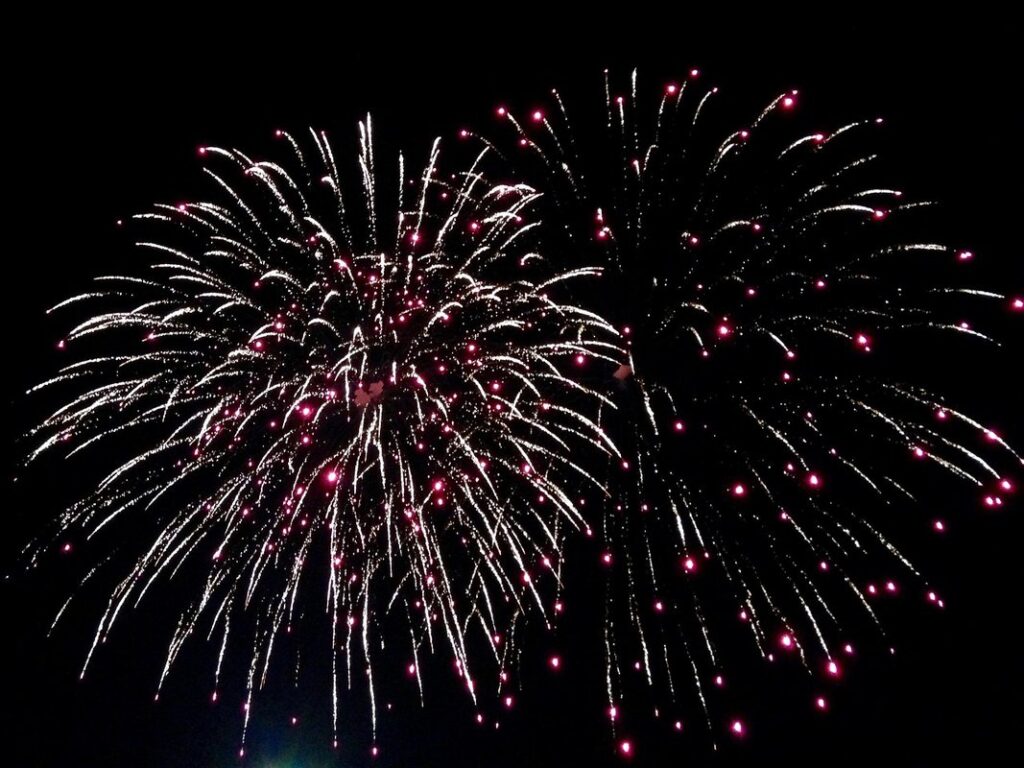
As the clock strikes 11:45 PM on July 14th, the sky above the Eiffel Tower erupts into a kaleidoscope of colors and sounds. The Bastille Day fireworks display is a 15-minute spectacle that promises to leave you awestruck. The show typically begins with a gentle build-up of golden sparks, gradually intensifying into vibrant explosions of red, orange, and purple. You’ll witness an array of pyrotechnic effects, including bursts of confetti, glittering fountains, and majestic comets that streak across the sky.
The schedule is meticulously planned to synchronize with the music, ensuring a seamless experience for the audience. You can expect a mix of classical and contemporary tunes, often featuring French composers and artists. To maximize your enjoyment, find a spot with a clear view of the Eiffel Tower, as the fireworks are perfectly choreographed to highlight the iconic landmark’s grandeur. Be prepared for crowds and noise, but also for an infectious sense of excitement and camaraderie that comes with celebrating France’s national holiday. Don’t forget to arrive early to secure a good spot, as the area around the Champ de Mars is likely to be packed.
After the Fireworks
After the fireworks, the real celebration begins. Paris transforms into a vibrant party zone, with music, food, and drink flowing freely. To make the most of this post-fireworks atmosphere, consider staying in the area to enjoy the live music and street performances. The Champ de Mars, in particular, is a great spot to linger, as it’s filled with food stalls and bars offering everything from classic French fare to international cuisine.
If you’re looking for a place to grab a bite to eat, try one of the many restaurants and cafes in the surrounding areas. Some popular options include Le Jardin des Plantes, which offers beautiful views of the Eiffel Tower, and La Grande Epicerie de Paris, a historic food hall with a wide selection of French delicacies. For a more low-key option, consider grabbing a crepe or baguette from a street vendor.
When it’s time to head home, be aware that public transportation options may be limited due to the large crowds. Plan ahead and consider taking a taxi or ride-sharing service to avoid getting stuck in traffic. Additionally, be mindful of your belongings in crowded areas and keep an eye on your phone and wallet.
Behind the Scenes: How the Fireworks are Organized
Behind the scenes, a team of skilled professionals work tirelessly to bring the Bastille Day fireworks to life in Paris. From planning to execution, let’s take a closer look at the intricate process.
Planning and Preparation
The planning and preparation for the Bastille Day fireworks in Paris is a meticulous process that involves several stakeholders and logistical considerations. The event is organized by the City of Paris in collaboration with the French Armed Forces, who provide the pyrotechnics. A dedicated team of around 50-60 people is responsible for the planning and execution of the event. They work closely with the pyrotechnic companies to design and prepare the fireworks, which involves selecting the best firing sites, testing the pyrotechnics, and rehearsing the sequence of the fireworks display. The budget for the fireworks is typically around 4-5 million euros, which is allocated by the City of Paris. The team also coordinates with the local authorities, security services, and emergency responders to ensure a safe and smooth operation. This meticulous planning and preparation are essential to delivering the spectacular fireworks display that Parisians and tourists alike have come to expect on Bastille Day.
Fireworks Design and Technology
The Bastille Day fireworks in Paris are a marvel of modern pyrotechnics, with displays that feature a wide range of fireworks, from traditional shells and cakes to more complex designs like flowers and palm trees. The pyrotechnicians responsible for designing and executing the displays are highly trained and skilled professionals who use advanced software to create and simulate the effects of each display.
One of the most impressive aspects of the Bastille Day fireworks is the use of computer-aided design (CAD) software to create intricate and complex designs. This software allows pyrotechnicians to model and simulate the effects of each firework, ensuring that the display is both visually stunning and safe to execute. Some of the most popular types of fireworks used in the Bastille Day displays include titanium shells, which produce a bright, silver-colored burst of light, and gold and silver strobes, which create a shimmering, iridescent effect.
To give you an idea of the level of detail involved in designing these displays, consider that a single firework can be made up of hundreds of individual components, each with its own unique characteristics and effects. By combining these components in carefully planned and executed sequences, the pyrotechnicians are able to create the stunning displays that have become a hallmark of the Bastille Day celebrations.
Safety Measures
Paris Fireworks Authority personnel and volunteers work together to implement various safety measures. These include installing metal detectors and bag checks at all entrances to prevent unauthorized items from entering the viewing areas. The security personnel also conduct regular sweeps of the crowd to identify and address any potential issues. Emergency services, such as ambulances, fire trucks, and police units, are stationed throughout the area to respond quickly in case of an emergency.
In addition to crowd control measures, fire safety protocols are also in place. Firefighters are stationed at regular intervals along the Seine River, and water cannons are positioned to quickly extinguish any fires that may start. Fireworks displays are also carefully designed to minimize the risk of fires. For example, the fireworks are launched from barges in the Seine River, which reduces the risk of fires spreading to nearby buildings.
To further ensure a safe and enjoyable experience, all viewing areas have clear exit routes and emergency evacuation procedures in place. The Paris Fireworks Authority also provides clear instructions and warnings to the public through loudspeakers and digital displays in case of an emergency.
Conclusion
As we conclude our comprehensive guide to Bastille Day fireworks in Paris, it’s clear that this iconic celebration is an experience unlike any other. With its rich history, stunning display of pyrotechnics, and electric atmosphere, it’s no wonder that Bastille Day fireworks remain a top attraction for tourists and locals alike. To make the most of this spectacle, we recommend arriving early to secure a prime viewing spot, as popular areas can fill up quickly. Bring a picnic or grab a baguette from a local bakery to enjoy during the show, and don’t forget to stay hydrated and wear comfortable shoes. With these insider tips and a little planning, you’ll be well-equipped to fully immerse yourself in the magic of Bastille Day fireworks in the City of Light.
Frequently Asked Questions
Can I Bring My Own Food and Drinks to the Viewing Area?
Yes, you can bring your own food and drinks to the viewing area, but be aware that some popular spots may have restrictions or limited space for picnics. It’s best to check with the local authorities or tourism websites for specific guidelines.
How Do I Handle the Crowds and Long Lines on Bastille Day?
Be prepared for large crowds and long lines by planning ahead, arriving early, and considering alternative viewing spots. You can also try to avoid peak hours or consider using a guided tour to skip the lines.
What If It’s Raining on Bastille Day? Will the Fireworks Still Happen?
The fireworks display will still take place, rain or shine. However, in extreme weather conditions, the event may be cancelled or postponed. Keep an eye on local news and updates from the organizers for any changes to the schedule.
Can I Watch the Fireworks from a Different Location, Such as the Eiffel Tower or the Seine River?
Yes, there are many alternative locations to watch the Bastille Day fireworks, including the Eiffel Tower, the Seine River, and the Montmartre neighborhood. However, be aware that these locations may have their own restrictions, such as limited viewing areas or crowd control measures.
Are There Any Special Events or Activities for Children During the Fireworks Display?
Yes, there are often special events and activities for children during the Bastille Day fireworks display, such as face painting, games, and interactive exhibits. Check with the local authorities or tourism websites for specific information on family-friendly activities.