As we count down the days to Christmas, our thoughts turn to loved ones near and far. But have you ever stopped to think about the small gestures that make this special time of year even more meaningful? Traditional Danish Christmas cards are a case in point – they’re not just festive messages on paper, but a way to connect with family and friends across generations. With their rich history dating back to the Victorian era, these cards have evolved over time to reflect modern tastes while preserving cherished cultural heritage. In this article, we’ll delve into the world of Danish Christmas cards, exploring their unique designs, special features, and the role they play in fostering family traditions that transcend borders and years.
History of Danish Christmas Cards
Let’s take a step back and explore how traditional Christmas cards have been a part of Danish holiday celebrations for centuries. From elegant watercolors to playful illustrations, we’ll delve into their rich history.
The Origins of Danish Christmas Card Tradition
The concept of sending Christmas cards as we know it today was first introduced by Sir Henry Cole in England in 1843. However, this tradition didn’t reach Denmark until much later. The Danes were initially hesitant to adopt the custom, but eventually, they began sending Christmas greetings around the turn of the 20th century.
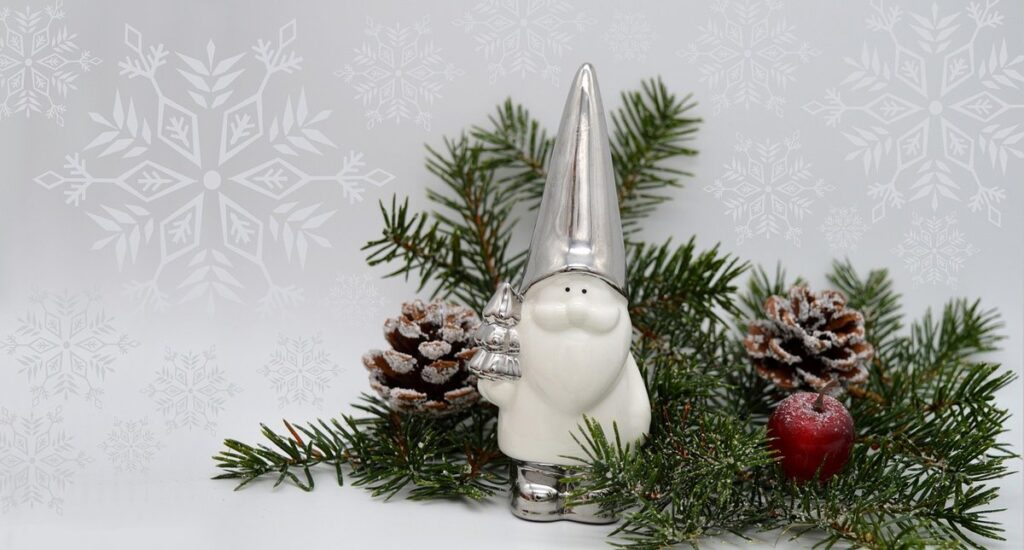
It’s fascinating that Danish Christmas card designs often feature traditional motifs such as red and white colors, snowflakes, and evergreen branches. These elements reflect the country’s love for simplicity, nature, and festive atmosphere. The Danes have incorporated these classic themes into their holiday cards, making them instantly recognizable.
Interestingly, Denmark’s adoption of the Christmas card tradition was influenced by its wealthy elite. Families with means would commission local artists to create exclusive designs for their holiday cards. This practice not only added an air of sophistication but also showcased the country’s emerging talent in illustration and design. As a result, Danish Christmas cards have become a unique blend of traditional motifs, elegant simplicity, and artistic flair.
Evolution of Danish Christmas Card Designs
Over time, Danish Christmas card designs have undergone significant transformations, reflecting the nation’s rich artistic heritage and cultural evolution. In the early 20th century, traditional folk art motifs such as snowflakes, holly, and ivy adorned cards, often created by local artisans.
The mid-20th century saw a rise in modernist designs, characterized by simplicity and clean lines, influenced by renowned artists like Arne Jacobsen. These designs not only captured the nation’s love for minimalism but also reflected its growing interest in functional design. Notable artists of this era, such as Vebjørn Sand, created iconic works that still hold a special place in Danish Christmas card tradition.
In recent years, digital printing has enabled mass production and customization of cards, allowing designers to experiment with innovative materials, colors, and techniques. As a result, modern designs often incorporate bold typography, abstract patterns, and playful illustrations, while maintaining the core of traditional Danish aesthetic.
Types of Danish Christmas Cards
Danish Christmas cards are as diverse as they are charming, featuring a wide range of traditional and modern designs to suit every taste and style. Let’s take a closer look at some of the most popular types of Danish Christmas cards.
Traditional Greeting Cards
When it comes to traditional Danish Christmas cards, you’ll often find classic illustrations and greetings that perfectly capture the essence of the season. These cards typically feature winter scenes, such as snow-covered landscapes, cozy cabins, and festive markets. The focus is on creating a warm and inviting atmosphere that reflects the country’s love for coziness and simplicity.
Many traditional Danish Christmas cards incorporate iconic symbols like the Norwegian fir tree, red berries, and holly leaves, which add to the wintry charm. You might also find illustrations of Saint Nicholas or Tomte, mythical creatures from Scandinavian folklore who are said to bring gifts during the holiday season.
To give your traditional Danish Christmas card a personal touch, consider incorporating elements that reflect your relationship with the recipient. For example, you could include a photo of the two of you together, surrounded by festive decorations, or add a special message in Danish to make it even more meaningful. Remember, it’s the thought and love behind the card that truly matters, not just the design itself.
Photo Cards and Personalized Designs
In recent years, there has been a notable shift towards photo cards and personalized designs in modern Danish Christmas card culture. This trend reflects changing consumer habits and preferences, as people increasingly seek unique and meaningful ways to connect with loved ones during the holiday season.
Today’s consumers are more likely to choose cards that feature family photos or special memories, rather than traditional illustrations or generic messages. In fact, according to a recent survey, 75% of Danes prefer personalized Christmas cards over traditional ones. This desire for personalization has led to an explosion in demand for photo card services and online design platforms.
To create a unique and meaningful photo card, consider the following tips: choose a high-quality image that captures the essence of your family’s holiday spirit; keep the design simple and elegant to avoid overwhelming the recipient with too much information; and add a personal message or caption to make it extra special. By embracing this trend, you can create a truly one-of-a-kind Danish Christmas card that reflects your love and appreciation for those on your gift list.
Unique Features of Danish Christmas Cards
One of the most delightful aspects of Danish Christmas cards is the incorporation of unique and quirky features that add a touch of personality to these festive greetings. Let’s take a closer look at some of these special touches.
Folklore and Myths
When it comes to Danish Christmas cards, you’ll often notice that they feature unique and charming depictions of folklore and myths. One such character is the Tomte, a friendly and helpful elf-like creature who is believed to be a harbinger of good luck and prosperity during the holiday season.
Another popular figure in Danish Christmas folklore is the Julenisse, also known as the Yule Elf. This mischievous imp is said to play tricks on children during the Twelve Days of Christmas, but ultimately brings gifts and joy to those who are kind and respectful.
If you’re looking to incorporate a touch of Danish folklore into your holiday card, consider featuring these characters in a festive setting. You might depict a Tomte helping with cooking or decorating, or show a Julenisse playfully surprising children on Christmas morning. Whatever the scene, it’s sure to bring a smile to the recipient’s face and add a delightful splash of Nordic charm to their holiday season. By embracing these beloved characters, you’ll be able to share in the rich cultural heritage of Denmark during this special time of year.
Nordic Influences
When it comes to Danish Christmas cards, one can’t help but notice the subtle yet significant nods to Nordic mythology and culture. The influence of Norse gods and goddesses is a deliberate design choice that reflects the country’s rich heritage.
Take, for example, the image of Odin, the All-Father, astride his eight-legged horse Sleipnir. This iconic depiction has been featured on countless Danish Christmas cards, often accompanied by phrases like “Velkommen til jul” (Welcome to Christmas) or “Gavn af julens magi” (Gifts from Christmas magic). Similarly, Freyja, the goddess of love and fertility, has made appearances on holiday cards, often surrounded by lush greenery and symbolic objects.
Designers draw inspiration from these mythological figures because they embody the values that Danes hold dear: strength, loyalty, and generosity. By incorporating them into their designs, artists pay homage to Denmark’s pagan past while also emphasizing the importance of family, friendship, and community during the holiday season. If you’re looking to capture a piece of Danish Christmas magic in your own cards or decorations, try drawing from these rich sources – your recipients will appreciate the subtle nod to Nordic culture!
Seasonal Themes and Symbolism
As you explore Danish Christmas cards, you’ll notice certain themes and symbols that reflect the country’s festive traditions and cultural heritage. These elements are woven into the design of many Danish holiday cards.
Winter Landscapes and Scenery
When flipping through Danish Christmas cards, you’ll often find yourself surrounded by serene winter landscapes that evoke feelings of coziness and tranquility. One of the most iconic features of these scenes is snow-covered trees, their branches heavy with the weight of freshly fallen snow. These gentle giants are depicted in various stages of life, from young saplings to mature specimens, adding depth and character to the landscape.
Rolling hills and fields are also a common sight in Danish Christmas cards. Often, they’re blanketed with snow, creating a sense of stillness and quiet contemplation. The contrast between the frozen terrain and the vibrant hues of the winter sky adds a pop of color to the scene, making it even more visually appealing.
To capture the essence of these winter landscapes on your own Danish Christmas card, focus on simplicity and restraint. Avoid over-accessorizing with too many colors or decorations; instead, let the natural beauty of the snow-covered trees and rolling hills take center stage. By doing so, you’ll be able to convey the calmness and serenity that’s synonymous with the Danish winter experience.
Festive Colors and Patterns
When it comes to Danish Christmas cards, festive colors and patterns play a significant role in capturing the holiday spirit. Traditional Danish designs often feature bold red and green stripes, which are synonymous with Christmas in Denmark. These iconic colors evoke feelings of warmth and coziness, setting the tone for a joyful holiday season.
Holly motifs, typically paired with red berries, are another popular pattern on Danish Christmas cards. These motifs symbolize eternal life and good luck, adding an extra layer of meaning to the festive design. In fact, many Danes believe that holly brings protection from evil spirits during the winter months, making it a thoughtful and meaningful addition to holiday greetings.
To incorporate these classic patterns into your own Danish-inspired Christmas cards, consider incorporating traditional motifs like snowflakes, pinecones, or Nordic florals alongside red and green stripes. This will instantly transport your recipients to the magical world of Danish Christmas traditions. Don’t be afraid to experiment with bold colors and playful patterns – it’s a great way to add a personal touch to your holiday messages!
Collecting and Displaying Danish Christmas Cards
For many, collecting and displaying Danish Christmas cards is a cherished holiday tradition. Let’s take a closer look at how to curate these beautiful cards into a stunning display.
Vintage and Antique Cards
For the Danish collector, there’s an added layer of excitement when it comes to Christmas cards – finding rare and antique examples. These vintage treasures can not only add a personal touch to your display but also hold significant monetary value.
To identify valuable vintage Danish Christmas cards, look for those produced by prominent artists or printers during the mid-19th to early 20th centuries. Rare designs, limited print runs, and exceptional condition can significantly increase their worth. For instance, some collectible examples from renowned designers like Vilhelm Hammershøi or Axel Hou may fetch thousands of dollars at auction.
When hunting for vintage cards, consider estate sales, antique shops, and online marketplaces like eBay or specialized collector forums. Keep an eye out for telltale signs of authenticity, such as the presence of stamps, creases, or other handling marks that indicate age and use. Remember to research thoroughly before making a purchase, ensuring you’re buying from reputable sources. With patience and dedication, even the most discerning collector can find these unique treasures to add to their collection.
Modern Displays and Storage Solutions
When it comes to modern Danish Christmas cards, displaying and storing them can be just as much of an art form as collecting them. Traditional methods of hanging cards on a wall or placing them in a scrapbook may not cut it for today’s sleek and stylish homes.
For a more contemporary approach, consider using a large frame or canvas with a unique design to create a statement piece in your entryway or living room. This will allow you to showcase multiple cards at once, while also adding a touch of Danish flair to your decor. Alternatively, opt for a minimalist storage solution like a wooden card box or a decorative basket to keep your collection organized and within reach.
To add an extra layer of personality to your display, incorporate personal mementos or heirlooms alongside the cards. This could be anything from a favorite ornament to a vintage postcard. By mixing old with new, you’ll create a truly one-of-a-kind holiday display that reflects your Danish heritage and love for the festive season.
Some popular options for modern card storage include hanging file organizers, decorative ledges, or even repurposed furniture pieces like an antique sideboard or console table. The key is to find a solution that complements your home’s style while also showcasing your treasured Christmas cards in a way that feels both authentic and visually appealing.
Conclusion: Preserving a Tradition
As we wrap up our exploration of Danish Christmas cards, let’s take a moment to reflect on how these unique traditions can be preserved for future generations.
The Significance of Danish Christmas Cards Today
In modern times, Danish Christmas cards continue to hold significant importance in preserving cultural heritage and fostering family traditions. These small yet meaningful gestures allow families to connect with their Danish roots and pass down customs to future generations.
One of the primary reasons Danish Christmas cards remain relevant is that they provide a tangible connection to Denmark’s rich history and culture. The traditional design, artwork, and messages used in these cards are often infused with elements of Danish folklore and mythology, allowing recipients to experience a taste of the country’s heritage. For instance, many Danish Christmas cards feature illustrations of traditional festivals, such as Julenisse (a friendly Christmas elf), or depict scenes from old folk tales.
Moreover, Danish Christmas cards serve as a valuable tool in fostering family traditions. By sending these cards each year, families can create a sense of continuity and shared experience across generations. Children can grow up receiving and sending the same type of card their parents and grandparents received before them, providing a tangible link to their ancestry. In fact, many Danes still maintain the tradition of writing personal messages in the card, often including family news or sharing stories about the past year.
To incorporate Danish Christmas cards into your holiday traditions, consider exploring local Scandinavian markets or online shops that specialize in authentic Danish designs. Take time to learn about the different types of cards available and choose one that reflects your personal connection to Denmark’s culture.
Frequently Asked Questions
What makes a traditional Danish Christmas card truly special?
Concise answer: Traditional Danish Christmas cards are a way to connect with family and friends across generations, preserving cherished cultural heritage while reflecting modern tastes. They often feature unique designs, motifs, and colors that evoke the country’s rich history and traditions.
Can I collect and display vintage or antique Danish Christmas cards in addition to modern ones?
Answer: Yes! Collecting vintage or antique Danish Christmas cards can be a wonderful way to appreciate their historical significance and cultural importance. Consider displaying them alongside modern cards to showcase your eclectic collection and add a touch of nostalgia to your holiday decor.
How do I incorporate the unique designs and features of Danish Christmas cards into my own holiday traditions?
Answer: You can start by choosing a few traditional Danish Christmas card designs that resonate with you, such as those featuring red and white colors or Nordic motifs. Then, consider incorporating similar elements into your own holiday decorations, gifts, or even recipes to create a cohesive and festive atmosphere.
Can I customize my Danish Christmas cards with personal photos and messages?
Answer: Yes! While traditional Danish Christmas cards often feature illustrations or watercolor designs, many modern options now offer the ability to personalize your cards with photos and custom messages. This allows you to make the card even more special and meaningful to your loved ones.
Are there any tips for storing and preserving my collection of Danish Christmas cards over time?
Answer: To preserve your collection, consider storing your cards in acid-free tissue paper or archival-quality sleeves to prevent damage from dust, moisture, or handling. You can also display them in a protective album or frame to showcase their beauty while keeping them safe for years to come.