Thanksgiving is one of the most beloved American holidays, celebrated with traditional foods like roasted turkey, mashed potatoes, and pumpkin pie. At its core, Thanksgiving is about coming together with family and friends to express gratitude for the blessings in our lives. But have you ever wondered where these customs came from or how they vary across cultures? In this article, we’ll explore the rich history of Thanksgiving, from its early roots as a harvest celebration to its modern-day practices. We’ll also examine cultural variations on the holiday, including unique foods and traditions. By the time you finish reading, you’ll have a deeper understanding of the significance of Thanksgiving customs and how they bring people together in meaningful ways.
History of Thanksgiving
The modern American celebration of Thanksgiving has its roots in a 1621 harvest feast shared by European colonizers and Native Americans in Plymouth, Massachusetts. Let’s take a closer look at this pivotal moment in history.
The Origins of the Holiday
The first Thanksgiving in American history took place in 1621 at Plymouth Colony, Massachusetts. This event was a harvest celebration shared by the English colonists and the Wampanoag Native American tribe. Key figures involved were Governor William Bradford and Massasoit, the Wampanoag leader who had formed an alliance with the English. The gathering lasted for three days and included games, feasting, and ceremonial activities.
Historians believe that the event was not as spontaneous as popularly depicted in media. Instead, it was a carefully planned celebration to strengthen alliances between the two groups. The Wampanoag helped the English survive their first winter in the New World by teaching them farming techniques and providing crucial guidance on local resources.
The foods consumed during this early Thanksgiving are largely unknown due to incomplete records. However, it is known that venison, wild fowl, and corn were staples of the celebration. This early harvest feast laid the groundwork for modern-day American Thanksgiving traditions. Understanding its historical context provides a nuanced appreciation for the complexities surrounding this holiday.
Evolution of the Holiday Over Time
The tradition of Thanksgiving has undergone significant changes over time, influenced by various cultural and societal factors. In the early 17th century, the first Thanksgiving was a harvest celebration between the English colonists and the Wampanoag tribe, featuring traditional foods such as deer, turkey, and squash. As European settlers arrived in greater numbers, their customs merged with those of Native American communities.
As American culture evolved, so did the holiday’s traditions. The mid-19th century saw a shift towards more formalized gatherings, often centered around a roasted turkey. The iconic image of a family gathered around the table has since become synonymous with Thanksgiving. However, not all families observed this practice equally; many Native American communities continued to celebrate harvest festivals in their own ways.
Today, Thanksgiving is a holiday that blends diverse cultural influences, reflecting America’s complex history and ongoing evolution. While some may choose to honor traditional foods or recreate historical reenactments, others prefer to create new customs that reflect their personal backgrounds and preferences. Ultimately, the celebration’s flexibility allows families and communities to adapt traditions and forge their own paths.
Impact on Native American Communities
The traditional narrative of Thanksgiving often glosses over the complex history between European colonizers and Native American communities. However, it’s essential to examine the impact of this celebration on Indigenous peoples.
From the Wampanoag tribe’s perspective, the first Thanksgiving was a brief moment of peace, but it did not mark the beginning of a lasting friendship with English settlers. Instead, it set off a chain reaction of events that led to disease, violence, and displacement of Native American communities. Many tribes suffered significant population decline due to European-brought illnesses, which spread rapidly through Native American populations.
Today, some Native American communities view Thanksgiving as a painful reminder of historical trauma. Others see the holiday as an opportunity to reclaim their stories and share their perspectives with wider audiences. To honor this history, consider engaging in respectful dialogue with Native American friends or community members. By listening to their experiences and acknowledging the complexities of the past, we can work towards a more inclusive understanding of Thanksgiving’s meaning and significance.
Modern-Day Thanksgiving Traditions
As you gather around the table with loved ones, modern-day Thanksgiving traditions have evolved to become a unique reflection of our diverse cultures and personal preferences. Let’s explore some of these fresh takes on a classic holiday.
Preparations for the Big Day
As Thanksgiving approaches, families and individuals alike begin preparing for the big day. Cooking is a top priority, with many households devoting several days to menu planning, grocery shopping, and meal prep. Turkey is often the centerpiece of the meal, but other dishes like mashed potatoes, stuffing, and cranberry sauce are also crucial components. Some hosts may even try their hand at making traditional desserts like pumpkin pie or apple crisp.
In addition to cooking, decorating plays a significant role in setting the tone for the holiday. Homes are typically decked out with autumnal decorations such as pumpkins, corn husks, and fall-colored table runners. Outdoor spaces may also be adorned with lanterns, candles, and other seasonal touches. Many families also participate in pre-holiday activities like making place settings, writing gratitude cards, or creating a family recipe book.
Preparations often extend beyond the home itself, as individuals and families prepare for guests by cleaning and tidying living areas, setting up additional seating, and ensuring that everyone has enough to eat and drink. By taking care of these practical details, hosts can focus on what truly matters: sharing quality time with loved ones and giving thanks for the blessings in their lives.
The Traditional Menu
Traditional Thanksgiving dishes are often a blend of old European recipes and new American flavors. Roasted turkey is the centerpiece of most modern-day Thanksgivings, but it wasn’t always so. In the early days of American colonization, wild fowl such as goose and duck were more common on tables. It’s thought that roasted turkey became the preferred choice due to its ease of availability in the northeastern United States.
Mashed potatoes are another staple at modern Thanksgiving tables, often served alongside stuffing, which can be a mix of bread, herbs, and vegetables cooked inside or outside the bird. Pumpkin pie is typically the dessert course, but sweet potato casserole and apple crisp have gained popularity as alternatives. The traditional menu’s reliance on rich, comforting foods makes sense when considering the harvest season’s bounty.
When preparing a classic Thanksgiving meal, consider using traditional techniques such as roasting a whole turkey in the oven or making homemade pumpkin puree from scratch. Many modern recipes rely on convenience ingredients like canned vegetables and pre-made pie crusts, but these methods can yield superior flavors.
Football and Family Gatherings
For many families, Thanksgiving has become a day not just for feasting and reflection but also for sports and family reunions. In recent years, watching football games on TV has become a staple of the holiday. The NFL typically broadcasts several games on Thanksgiving Day, with popular teams like the Detroit Lions and Dallas Cowboys hosting matchups.
This tradition is believed to have originated in the 1930s, when the Lions first began playing on Thanksgiving Day as a way to attract fans and boost local economy. Today, millions tune in to watch their favorite teams compete while enjoying a plate of turkey and sides. The event has become so ingrained that some families plan their holiday gatherings around specific games.
The cultural influence of sports on Thanksgiving is particularly evident in areas with strong football traditions. In the Midwest, for instance, where Friday night high school football games are a long-standing tradition, many families continue this custom by watching college or professional games on Thanksgiving Day. By incorporating sports into their celebrations, families can create new memories and strengthen bonds while honoring the holiday’s spirit of community and connection.
Cultural Variations of Thanksgiving
Around the world, Thanksgiving customs vary greatly, reflecting local traditions and cultural influences that shape the way people celebrate this special holiday. From Canada to Japan, every country has its own unique twist on giving thanks.
Celebrating Thanksgiving Abroad
In many parts of the world, harvest-themed holidays similar to Thanksgiving are celebrated with unique customs and traditions. Japan’s Labor Thanksgiving Day (Kinro Kansha no Hi), for instance, honors the country’s workers and the hard work that goes into harvesting crops. Celebrated on November 23rd, this national holiday is marked by visits to shrines and temples, as well as family gatherings.
In China, the Mid-Autumn Festival (Zhongqiu Jie) commemorates the harvest season and is celebrated with traditional foods like mooncakes and dragon fruits. Families often gather together to give thanks for the bountiful harvest and to honor their ancestors.
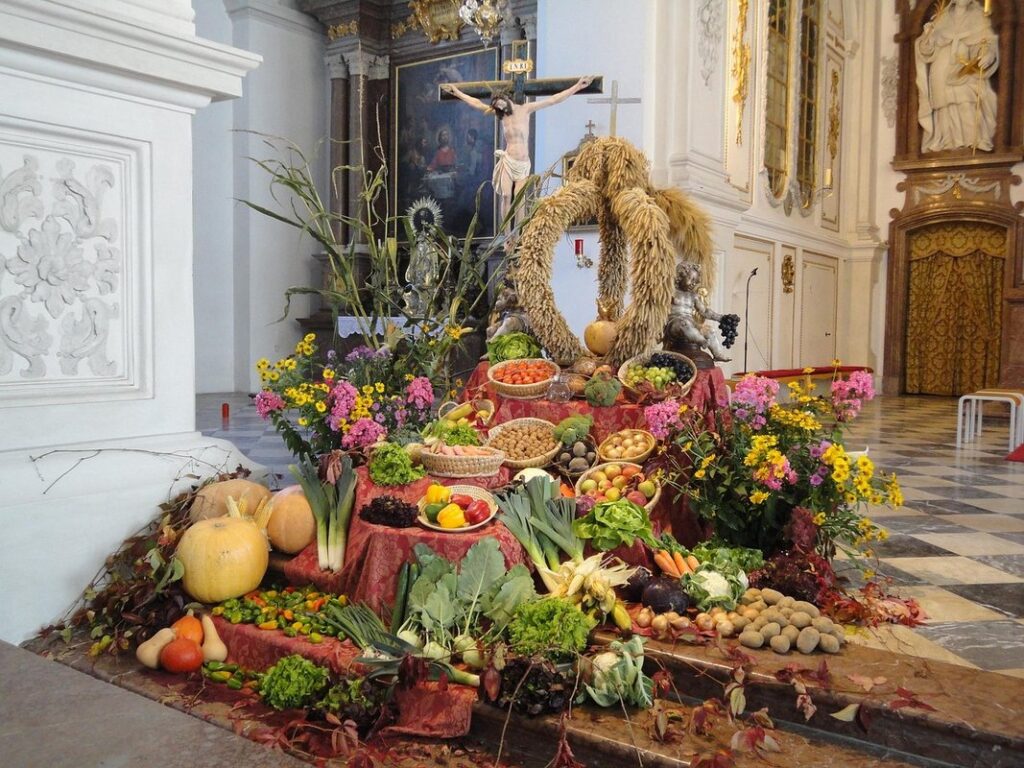
Germany’s Erntedankfest, or Harvest Festival of Thanks, takes place in late September and early October. This celebration features parades, church services, and traditional German cuisine. In some parts of Germany, it’s customary to bring a sheaf of grain to the church service as an offering of thanks for the harvest.
When celebrating Thanksgiving abroad, consider incorporating local customs and traditions into your festivities. This can be a meaningful way to connect with the culture and show appreciation for the people and places you’re visiting.
Non-Traditional Thanksgiving Celebrations
Many people choose to celebrate Thanksgiving in non-traditional ways, often reflecting their personal values, dietary choices, or family dynamics. For instance, some families have adopted vegan or vegetarian options for their holiday gatherings, featuring plant-based alternatives to the classic turkey centerpiece. These individuals may find inspiration from cuisines like Indian, Middle Eastern, or Asian, which offer a rich array of flavorful and nutritious dishes.
Some households also opt for non-traditional family gatherings by including close friends as part of their celebrations. This can be an especially appealing option for those who are estranged from immediate family members or have chosen not to participate in the traditional holiday. When hosting a non-traditional Thanksgiving, it’s essential to consider dietary restrictions and preferences, using clear labeling or separating dishes to accommodate different needs.
Ultimately, what defines a meaningful Thanksgiving celebration is not the specific menu or guest list but rather the time spent with loved ones, sharing gratitude, and fostering connection.
Regional Twists on Classic Traditions
In the Southern United States, traditional Thanksgiving foods often feature sweet potatoes, collard greens, and cornbread dressing. These regional specialties are deeply rooted in African American and European American traditions. For example, many Southerners cook their turkey with a mixture of butter and hot sauce, adding a spicy kick to this classic dish.
In the Northeast, particularly in New England, Thanksgiving is often associated with clam chowder, lobster rolls, and apple cider donuts. These local flavors reflect the region’s strong maritime and agricultural heritage. To incorporate these regional specialties into your own Thanksgiving celebration, consider substituting traditional side dishes like mashed potatoes or green beans with more locally inspired options.
In areas where Hispanic and Latin American communities are prominent, such as in Florida and California, traditional Thanksgiving foods may include tamales, arroz con pollo (chicken and rice), and pumpkin empanadas. These regional twists not only reflect the cultural diversity of these communities but also add a unique flavor to this quintessential American holiday.
Symbolism and Significance of Thanksgiving
Thanksgiving traditions are rich in symbolism, reflecting our gratitude for family, community, and the harvest that sustains us. Exploring these deeper meanings adds a new layer to your holiday celebrations.
The Role of Food in American Culture
Food plays a pivotal role in American culture, especially during holidays like Thanksgiving. It’s a time when families come together to share meals and create lasting memories. The significance of food at Thanksgiving extends beyond sustenance; it represents hospitality, generosity, and tradition.
The traditional Thanksgiving feast, typically centered around roasted turkey, mashed potatoes, and pumpkin pie, is steeped in symbolism. Each dish has its own story and cultural roots. For instance, wild game meats like venison were staples for early American settlers, while corn was a primary crop. The turkey, often associated with abundance and gratitude, became a national symbol after the first Thanksgiving.
Food also serves as a means to connect with heritage and community. Many Americans continue to incorporate traditional recipes and cooking methods passed down through generations into their holiday celebrations. This fusion of old and new traditions reflects the dynamic nature of American culture, where diverse influences shape our shared experiences. By embracing these culinary connections, families can strengthen bonds and create a sense of belonging around the Thanksgiving table.
Expressions of Gratitude and Appreciation
Expressing gratitude and appreciation is a fundamental aspect of Thanksgiving celebrations. People show their thanks through various gestures, often tailored to the individual’s preferences and relationships. Some write heartfelt letters or make handcrafted cards for family members, acknowledging their presence and support in times of need.
Others use this opportunity to share meals with those who might otherwise go without. Volunteering at soup kitchens or hosting dinner gatherings for neighbors and acquaintances is a meaningful way to express appreciation for the community’s collective good fortune. These actions not only bring people together but also highlight the importance of kindness and generosity during Thanksgiving.
Practically, you can demonstrate gratitude by expressing your thanks through small gestures like surprising loved ones with their favorite treats or offering to help with household chores. For those who are far away, consider sending a care package or making a video message to show appreciation for their presence in your life.
Reflecting on Personal Traditions and Meaning
Reflecting on Personal Traditions and Meaning
As you prepare for Thanksgiving, take time to reflect on the customs and traditions that are unique to your family. What does this holiday mean to you, and how have your parents or grandparents passed down their own stories and practices? Perhaps your family always makes a traditional dish from scratch, or gathers around the table for a specific activity each year. Whatever it is, consider why these rituals hold significance and how they contribute to your sense of belonging.
To create meaningful connections to the holiday, try exploring your family’s history through conversations with older relatives or by looking through old photographs and recipe books. You might also consider reviving an abandoned tradition or incorporating new ones that reflect your changing family dynamics. For example, you could start a gratitude journal or write thank-you notes to those who have made a positive impact on your life this year.
By honoring your own personal traditions and meaning, you can infuse the holiday with authenticity and create lasting memories for yourself and your loved ones.
Frequently Asked Questions
Can I Still Celebrate Thanksgiving if I Have Family Members with Different Traditions?
Yes, it’s possible to celebrate Thanksgiving while respecting and incorporating different family traditions. Start by having an open conversation with your loved ones about their preferences and boundaries. You can also consider creating a new tradition that blends elements from various cultures and customs.
How Can I Adapt Traditional Thanksgiving Foods for Dietary Restrictions or Preferences?
To adapt traditional Thanksgiving foods for dietary restrictions or preferences, focus on substituting ingredients rather than recreating entirely new dishes. For example, use vegan-friendly alternatives to butter or eggs, or swap out traditional grains for gluten-free options. Be mindful of cross-contamination and consider labeling dishes clearly to ensure everyone’s comfort.
What If I’m Hosting a Thanksgiving Dinner but Have Limited Budget?
Hosting a successful Thanksgiving dinner on a limited budget requires creative planning. Consider shopping for seasonal produce in bulk, using coupons or discounts, and repurposing leftovers into new meals. You can also invite guests to contribute by bringing a dish to share or helping with setup.
How Can I Incorporate Cultural Variations of Thanksgiving into My Own Celebrations?
Incorporating cultural variations of Thanksgiving into your celebrations can add depth and meaning to the holiday. Research different countries’ harvest-themed holidays, such as Germany’s Erntedankfest or Japan’s Labor Thanksgiving Day, and find ways to incorporate their traditions, foods, and decorations into your own festivities.
Is it Possible to Celebrate a Non-Traditional Thanksgiving if I’m Not in a Large City or with Family?
Yes, you can celebrate a non-traditional Thanksgiving even without access to large cities or family gatherings. Consider reaching out to local community groups, attending public events, or hosting a solo celebration with friends. You can also use digital platforms to connect with others and share your own unique traditions.