Oktoberfest is more than just a celebration of German beer and food. It’s a vibrant expression of Bavarian culture that brings people together from around the world in a shared experience of tradition and community. Every year, millions flock to Munich for the festivities, which have been a staple of German heritage since 1810. But Oktoberfest is more than just a party – it’s a window into the rich history and customs of Bavaria, where every detail, from the Dirndls and Lederhosen to the Oompah bands, has its own significance. In this article, we’ll explore the deeper cultural roots of Oktoberfest, examining its traditions, symbolism, and enduring appeal as a celebration of German culture that transcends borders. By the end of it, you’ll understand what makes Oktoberfest such an iconic and inclusive event.
History and Origins of Oktoberfest
The rich history of Oktoberfest dates back to 1810 when Crown Prince Ludwig of Bavaria married Princess Therese, sparking a joyous celebration that would become an annual tradition. Let’s examine how this event evolved into the vibrant festival we know today.
The Roots of Oktoberfest in Munich
Oktoberfest began as a humble celebration in 1810 to mark the marriage of Crown Prince Ludwig of Bavaria to Princess Therese of Saxony-Hildburghausen. The royal wedding was held on October 12, 1810, and to honor the occasion, the people of Munich were invited to join in festivities that would take place outside the city gates. Over 40,000 guests attended the five-day event, which featured horse racing, music, and food stalls selling traditional Bavarian delicacies.
The success of this inaugural celebration led to it becoming an annual tradition, with the first official Oktoberfest taking place in 1811. The event was moved to the Theresienwiese, a large open space within Munich’s city limits, where it has remained ever since. As Oktoberfest evolved over the years, it absorbed elements from various cultural and social movements of the time, solidifying its unique character as a celebration of Bavarian culture and identity. To this day, visitors to Munich can still experience the authentic spirit of Oktoberfest by attending the event or visiting the Theresienwiese during off-peak periods to see the historic grounds up close.
Evolution of Oktoberfest Over the Years
Oktoberfest has undergone significant transformations since its humble beginnings as a small celebration in 1810. Initially held to commemorate the marriage of Crown Prince Ludwig and Princess Therese of Saxony-Hildburghausen, it drew an estimated 60,000 attendees. Over time, the event evolved into a grand festival, attracting millions of visitors from around the world.
As the years passed, Oktoberfest expanded beyond its original size and scope. By the mid-19th century, the celebration had grown to include horse racing, music, and other entertainment options. This expansion not only increased attendance but also helped shape the modern Oktoberfest experience. In the post-WWII era, Germany began to rebuild and reinvent itself, with Oktoberfest emerging as a symbol of national unity and resilience.
Today, Oktoberfest is a behemoth event, hosting over 6 million visitors annually in Munich alone. The festival’s growth has led to the creation of satellite events and celebrations worldwide, each offering its unique twist on traditional German culture. Visitors can expect an immersive experience, complete with authentic beer halls, traditional cuisine, and lively entertainment.
Traditional Oktoberfest Activities and Customs
Oktoberfest enthusiasts, let’s delve into the authentic traditions that have been passed down for generations: singing, dancing, and feasting with friends and family in a lively atmosphere.
Beer Tasting and Drinking Traditions
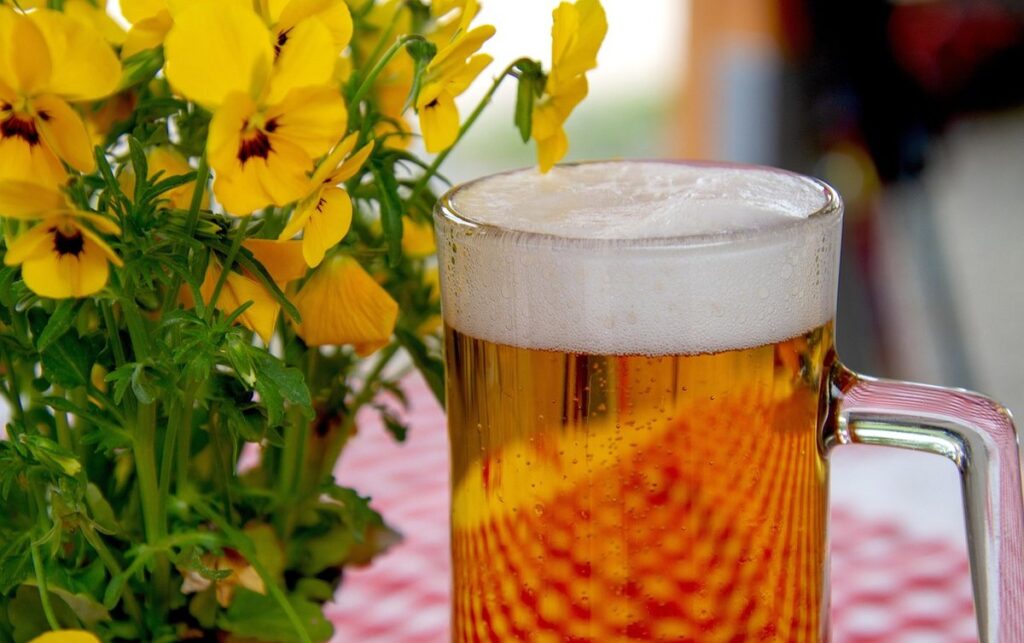
Oktoberfest is a celebration deeply rooted in German culture and tradition. At its core, beer plays an integral role in these festivities. While various types of beer are available during Oktoberfest, the traditional choices remain Märzen and Weissbier. The former is a dark, full-bodied lager that pairs well with hearty dishes like schnitzel or sausages. On the other hand, the lighter Weissbier complements more delicate options such as fish or salads.
The drinking tradition at Oktoberfest emphasizes communal enjoyment over individual preferences. Beer is typically served in one-liter steins for those seated at tables, while standing crowds opt for smaller glasses. The liter stein has become an iconic symbol of Oktoberfest and often features intricate designs showcasing the event’s rich heritage. When partaking in this tradition, be mindful of the beer etiquette: always keep your stein on the table, never leave it unattended, and respect those around you who may not share your enthusiasm for a lively atmosphere.
In recent years, some bars and restaurants have started offering smaller servings to accommodate patrons with different tolerance levels. However, adhering to traditional measures is still an integral part of Oktoberfest’s cultural significance.
Food at Oktoberfest: A Taste of German Cuisine
Oktoberfest is as much about indulging in delicious German cuisine as it is about revelry and merriment. Traditional Oktoberfest foods are hearty and satisfying, reflecting the rich culinary heritage of Bavaria. Sausages, or Bratwurst, are an iconic staple, often grilled to perfection and served with a side of sauerkraut and mustard.
For those looking for something a bit more substantial, Schnitzel is a popular choice, typically breaded and fried to a golden crisp. It’s often paired with a side of fries or potatoes. But it’s not all savory dishes – sweet treats like Apple Strudel and Black Forest Cake are also staples at Oktoberfest.
When trying traditional German cuisine for the first time, consider starting with a few smaller plates rather than diving straight into a massive Schnitzel or Sausage. This will allow you to sample a variety of flavors without feeling overwhelmed. Additionally, don’t be afraid to ask your server for recommendations – locals often have insider knowledge on the best dishes and hidden gems.
Music, Dance, and Entertainment at Oktoberfest
Oktoberfest is where tradition meets revelry, and music, dance, and entertainment play a vital role in creating an unforgettable experience for attendees from around the globe. From oompah bands to energetic polka sessions.
Live Music and Performances
During Oktoberfest, live music and performances take center stage, immersing attendees in traditional German culture. Oompah bands, characterized by their energetic horn sections and infectious rhythms, are a staple of the festival. These groups typically feature brass instruments like trumpets and trombones, often accompanied by accordions or other stringed instruments.
Folk dancing is another key component of Oktoberfest’s live music scene. Traditional German dances like the Schuhplattler and the Polka are frequently performed on outdoor stages or in designated dance areas. These energetic routines often feature intricately choreographed movements and colorful costumes, adding to the festive atmosphere. If you’re interested in participating, many festivals offer dance lessons or tutorials for visitors.
The combination of live music and performances helps create a lively, communal atmosphere that’s at the heart of Oktoberfest’s cultural significance. By embracing these traditional elements, attendees can gain a deeper appreciation for German heritage and customs. Be prepared to tap your feet, raise your stein, and join in on the revelry – it’s all part of the fun!
German Folk Dancing: A Tradition Revived
At the heart of Oktoberfest’s lively entertainment is traditional German folk dancing. The polka and schuhplattler are two classic dances that have been an integral part of the celebration for centuries. Originating in Eastern Europe, the polka was brought to Germany by Polish immigrants and quickly gained popularity among Bavarians. Its upbeat tempo and carefree steps have made it a staple at Oktoberfest gatherings.
The schuhplattler, on the other hand, is a more energetic dance that involves slapping one’s shoes against the floor in time with the music. This traditional Bavarian folk dance has its roots in pre-Christian pagan rituals and is often performed during Oktoberfest to evoke a sense of communal celebration. When participating in these dances, visitors are encouraged to let loose and join in with the locals – it’s a great way to get immersed in the festive atmosphere.
Some of the most authentic Oktoberfest experiences can be found at smaller, family-run tents that focus on traditional music and dance performances. Visitors can expect to see energetic groups performing choreographed routines or simply dancing in the aisles.
Festive Atmosphere and Decorations at Oktoberfest
Oktoberfest celebrations are elevated by vibrant decorations that transform Munich’s streets into a festive wonderland, immersing visitors in traditional German charm. Colorful beer tents and twinkling lights add to the revelry.
Colorful Costumes and Traditional Attire
Oktoberfest is a celebration of German culture, and its festive atmosphere would not be complete without traditional clothing. For men, lederhosen are a staple of Oktoberfest attire, often made from high-quality leather and typically worn with suspenders and a shirt. The style varies depending on the region in Germany; for example, Bavarian-style lederhosen tend to be more ornate than those from other parts of the country.
Women’s traditional clothing is equally vibrant, with dirndls being the most iconic representation of German heritage. Dirndls are typically long skirts with intricate embroidery and come in a variety of colors and patterns. A fitted blouse with a white or colored apron completes the outfit. In modern times, women often wear dirndls as a nod to their cultural roots, but also as a fashion statement.
When attending Oktoberfest, you can incorporate traditional attire into your wardrobe by adding lederhosen or a dirndl-inspired top to your existing clothing. Alternatively, consider purchasing traditional German clothing from reputable vendors to ensure authenticity and high quality.
Iconic Oktoberfest Decorations: The Giant Beer Barrel and More
Giant beer barrels, flags, and bunting are an integral part of creating a festive atmosphere at Oktoberfest. These iconic decorations not only set the tone for the celebrations but also pay homage to the festival’s rich history. The giant beer barrels, often adorned with flowers and foliage, serve as a nod to the traditional beer-making process that dates back centuries.
Flags bearing the Bavarian colors of blue and white are another ubiquitous sight at Oktoberfest. These flags are not only a symbol of national pride but also represent the unity among the various groups attending the festival. The brightly colored bunting that hangs from stalls and buildings adds to the vibrant atmosphere, creating an immersive experience for visitors.
To replicate this festive ambiance at home or in your community, consider incorporating similar decorations into your celebrations. Hang colorful flags, set up a few giant beer barrels as centerpieces, and adorn tables with traditional Bavarian-themed table runners and flower arrangements. By doing so, you’ll create an inviting atmosphere that honors the cultural heritage of Oktoberfest while also fostering a sense of camaraderie among attendees.
Celebrating with Family and Friends: A Time for Togetherness
As you gather with loved ones to celebrate Oktoberfest, it’s a time-honored tradition that brings families and friends together in joyful revelry. Festive gatherings are at the heart of this cherished German holiday.
Oktoberfest as a Social Event
Oktoberfest is a celebration that brings people together, fostering a sense of community and strengthening bonds with family and friends. The festive atmosphere, complete with traditional German music, dancing, and delicious food, creates an ideal setting for socializing and making memories.
In Germany, Oktoberfest is often a time for families to gather together and celebrate their heritage. For many, it’s a chance to reconnect with loved ones who live far away or don’t see each other frequently. The festival provides a relaxed atmosphere, allowing people to let loose and enjoy good company. Traditional activities like beer tent sing-alongs and stein-holding competitions add to the lively atmosphere.
When attending Oktoberfest as a social event, consider arriving early to secure a spot in a popular beer tent. Don’t be afraid to strike up conversations with fellow revelers – it’s all part of the festive spirit! You might even make new friends or discover shared interests. Whether you’re celebrating with family or making new connections, Oktoberfest offers an authentic German experience that will leave you feeling connected and inspired.
Making Memories: Tips for Enjoying Oktoberfest with Loved Ones
When celebrating Oktoberfest with loved ones, it’s essential to approach the experience as a time for creating shared memories. This means being open to new foods, drinks, and activities that can bring everyone together. One way to do this is by trying traditional Bavarian dishes such as bratwurst, schnitzel, or sauerkraut-filled pierogies.
Don’t be afraid to step out of your comfort zone and sample different beers, like Weissbier or Märzen, which are staples at the festival. It’s also a good idea to participate in traditional activities like polka dancing or stein-holding contests. These lighthearted events can help create a sense of camaraderie among attendees.
To make the most of your Oktoberfest experience with loved ones, consider arriving early to avoid crowds and securing a spot at a popular table. Be prepared to try new things, even if they may seem unfamiliar or intimidating. By embracing the spirit of festivity and trying new foods, drinks, and activities, you can create lasting memories with your family and friends.
Oktoberfest Around the World: A Celebration of German Culture
From Germany’s vibrant beer halls to cities across the globe, Oktoberfest celebrations showcase a rich cultural heritage that transcends borders. Let’s see how this beloved tradition has taken root in international communities.
Bringing Oktoberfest to Your City or Neighborhood
Oktoberfest is a celebration that transcends geographical boundaries. While attending the original Munich event can be an exhilarating experience, it’s not feasible for everyone to travel to Germany every year. Fortunately, there are ways to bring Oktoberfest to your city or neighborhood.
Many cities around the world host their own Oktoberfest celebrations, often in traditional German beer gardens or festivals. Research local events and join in on the fun by attending a nearby celebration. You can also start small by organizing a potluck dinner with friends and family, where everyone brings a German-inspired dish to share.
If you’re feeling more ambitious, consider starting a neighborhood Oktoberfest tradition. Reach out to local businesses to see if they’d be willing to sponsor or participate in the event. This could involve setting up a temporary beer garden, hosting a stein-hoisting competition, or even organizing a bratwurst-eating contest.
To add an extra layer of authenticity to your celebration, consider incorporating traditional German music and dance performances. Many cultural organizations offer this type of entertainment for hire, or you can search online for local musicians who specialize in German folk music. You could also create a DIY photo booth with traditional German props, such as lederhosen and dirndls.
Ultimately, the key to hosting an unforgettable Oktoberfest celebration is to focus on community building and cultural exchange. By bringing people together and sharing in the joy of German culture, you can create a truly immersive experience that’s as festive as any event held in Munich itself.
Frequently Asked Questions
Can I participate in Oktoberfest if I’m traveling solo?
Yes. While Oktoberfest is often associated with socializing and family gatherings, many people attend alone and still have a great time. You can join large groups of fellow travelers or meet new friends through online forums or local tourism websites.
How do I know what type of beer to try at Oktoberfest?
Start by trying the traditional Munich-style lagers, such as Weissbier or Märzen. Don’t be afraid to ask for recommendations from locals or servers, and consider trying smaller pours (called ” Maß”) before committing to a full liter.
What if I’m not comfortable with large crowds and long lines at Oktoberfest?
Consider visiting during the week instead of weekends when possible, or arriving early in the morning before the main crowds arrive. You can also explore smaller Oktoberfest events in your local area or consider attending during the off-season (usually November to March).
How do I incorporate traditional German clothing into my own fashion style for Oktoberfest?
Start by adding subtle touches like a Dirndl-inspired blouse or lederhosen-inspired pants to your wardrobe. Don’t feel pressured to wear full traditional attire if it’s not your personal style – the key is to have fun and show appreciation for the culture.
What happens if I accidentally spill beer on someone at Oktoberfest?
Don’t panic! While accidental spills can be embarrassing, they’re a common occurrence in crowded events like Oktoberfest. Apologize immediately, help clean up the mess, and then offer a round of drinks as a gesture of goodwill – it’s all part of the festive spirit.