Thai culture is renowned for its vibrant festivals, mouthwatering street food, and deep respect for elders. You may be familiar with the colorful water fights of Songkran or the ornate beauty of Thai temples, but there’s more to Thailand’s rich cultural heritage than meets the eye. In Thai society, age is revered, and traditions surrounding family and community are deeply ingrained. For instance, the wai, a traditional Thai greeting that involves placing your palms together in prayer-like fashion, is a sign of respect for elders and a way of showing deference to those who have come before us. This article will take you on a journey through Thailand’s unique customs and traditions, exploring the significance of respect for elders and how it shapes daily life in this fascinating country. By the end of this article, you’ll gain a deeper understanding of Thai culture and its many nuances.
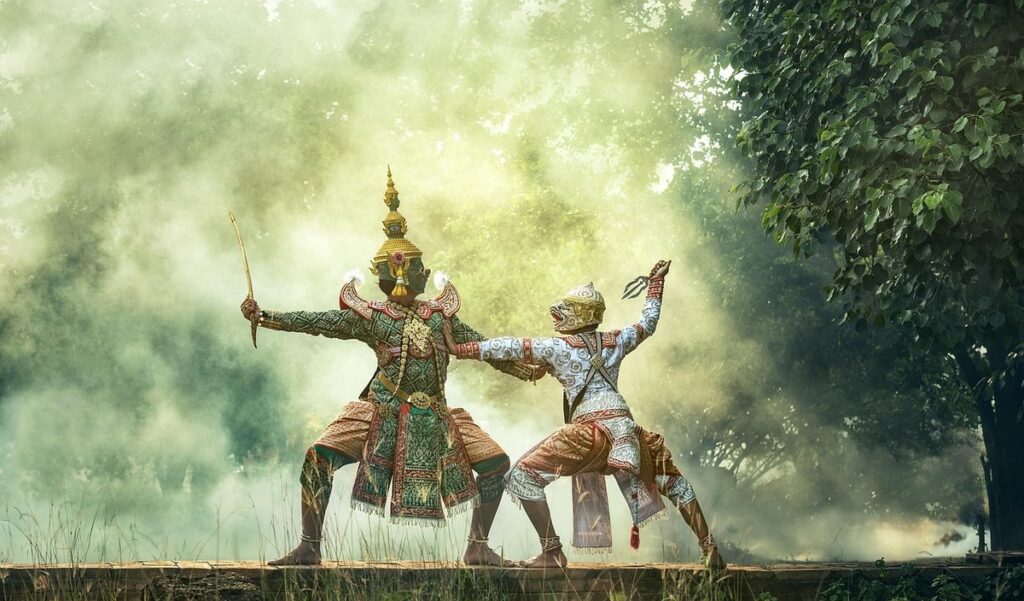
The Significance of Tradition in Thai Society
Tradition plays a vital role in Thai culture, shaping the daily lives and values of its people. Let’s explore how these customs have been passed down through generations to maintain social harmony.
Understanding the Importance of Respect for Elders
In Thai culture, respect for elders is a deeply ingrained tradition that permeates every aspect of society. This reverence for age and experience is rooted in Buddhism’s emphasis on hierarchy and submission to authority. In Thai Buddhist temples, monks are often revered as living embodiments of the Buddha’s teachings, highlighting the importance placed on wisdom and guidance.
In daily life, older individuals are frequently consulted for advice and counsel. Family members, particularly those who have lived through significant historical events or economic changes, are sought out for their perspective and insights. This respect is also reflected in etiquette rules: younger individuals are expected to remove their shoes before entering a home where an elder resides, as a sign of deference.
This cultural emphasis on respecting elders has far-reaching implications for Thai society. It reinforces the value placed on experience, tradition, and continuity, allowing communities to tap into the knowledge and wisdom of past generations. By understanding this aspect of Thai culture, visitors can better appreciate the significance of tradition in daily life, from family gatherings to business meetings.
Cultural Norms and Etiquette
In Thai society, cultural norms and etiquette play a vital role in maintaining social harmony. Respect for revered figures is particularly important, with monks occupying a position of great esteem. Monks are often seen as embodiments of Buddhist wisdom, and their presence at important life events such as births, weddings, and funerals is considered crucial for blessings and good fortune.
Royal family members also command great respect, with the current monarch serving as a unifying figurehead for the nation. Members of the royal family frequently attend cultural festivals and ceremonies, demonstrating their connection to Thailand’s rich heritage. Visitors can demonstrate respect by dressing modestly when attending events featuring the royal family or monks.
When interacting with revered figures, Thais often use polite language and avoid direct eye contact as a sign of deference. For example, in Buddhist temples, visitors typically remove their shoes before entering the main prayer hall, while monks are usually addressed with honorific titles such as “Ajahn” or “Luang Por”.
Traditional Thai Festivals and Celebrations
Thai festivals are a vibrant reflection of the country’s rich heritage, showcasing the warmth and hospitality that defines the Thai culture. From water fights to intricate performances, we’ll take you through some of the most colorful celebrations.
You can expect to discover key elements like Phuket’s Vegetarian Festival, Loy Krathong, and Songkran in this comprehensive overview of Thailand’s traditional festivals.
Songkran Water Festival: A Celebration of Renewal
The Songkran Water Festival is a beloved Thai tradition where water plays a central role. This three-day celebration marks the traditional Thai New Year and is observed throughout the country. The festival’s origins are rooted in ancient rituals, where water was used to purify and cleanse individuals, temples, and homes.
In modern times, the festivities have evolved into a joyous and playful occasion, where participants splash and douse each other with water as a symbol of renewal and purification. Families gather together to participate in this vibrant celebration, which is also an opportunity for people to let loose and wash away their past mistakes and regrets.
During Songkran, locals offer blessings and good wishes by pouring scented water over the hands of elders, known as “Nam Oak” or “water pouring,” a gesture that brings respect and honor. Visitors can join in on the fun by participating in this tradition with locals, but it’s essential to follow local customs and etiquette guidelines to avoid unintentionally offending anyone.
The festival’s significance extends beyond its entertainment value; it represents a renewal of life, water being an integral element in Thai culture symbolizing rebirth and vitality.
Loy Krathong: The Floating Lantern Festival
Loy Krathong is one of Thailand’s most cherished festivals, observed annually on a full moon night in November. The origins of Loy Krathong date back to ancient times when Thai people believed that releasing candles and flowers onto rivers would appease the gods and bring prosperity. Today, the festival has evolved into a poignant celebration where people let go of negative emotions by releasing floating lanterns onto water.
To create a krathong, you’ll typically need three main components: a decorative basket or container made from natural materials like banana leaves or rattan, candles, and flowers. The process involves carefully placing the candles and flowers into the krathong before gently setting it adrift on a nearby river or stream. This symbolic act of release allows participants to bid farewell to past grievances, heartaches, and disappointments.
In practical terms, Loy Krathong is an excellent opportunity for visitors to experience Thai culture firsthand. Observing locals gather at riverside pavilions to release their krathongs, accompanied by soft chanting and traditional music, can be a truly captivating sight. If you’re attending the festival, consider bringing your own krathong or purchasing one from local vendors; just remember to follow safety guidelines and respect the environment.
Traditional Thai Arts and Crafts
Thai artisans have perfected various traditional crafts over centuries, from intricately carved wooden figurines to delicate silk embroidery. You’ll discover some of these timeless techniques in this next section.
The Art of Thai Dance: Ram Thai and Other Styles
Ram Thai is one of Thailand’s most revered traditional dances, characterized by intricate hand gestures and elegant movements. Performed to honor the king, Ram Thai showcases a blend of Buddhist and Hindu influences on Thai culture. The dance requires precision, control, and musicality, making it a true display of Thai artistic expression.
Other notable styles include Fon Lei and Nang Saphan, each with its unique flavor and storytelling approach. Fon Lei is often performed in honor of the Buddha, while Nang Saphan is associated with the legend of the “Dance of the Serpent Queen”. These dances are not just aesthetically pleasing; they also carry significant cultural and spiritual meaning.
Watching traditional Thai dance requires attention to detail and patience, as it is a slow-paced art form that rewards close observation. When attending a performance, pay attention to the dancer’s footwork, hand positions, and facial expressions. Note how the dancers use their movements to convey emotions and tell stories through subtle gestures. By understanding the cultural context and significance of these dances, you can appreciate the true beauty of traditional Thai dance.
The Intricacies of Thai Textiles: A Symbol of Rich Heritage
Thai textiles are a testament to the country’s rich cultural heritage. The intricate patterns and colors woven into these fabrics tell stories of Thailand’s history, mythology, and traditions. Take, for example, the Ayutthaya period’s iconic motifs of elephants, lotus flowers, and mythical creatures – each symbolizing power, purity, and good fortune.
The craftsmanship involved in creating Thai textiles is equally impressive. Skilled artisans employ traditional techniques passed down through generations to weave, print, and dye fabrics. The process often begins with hand-woven cotton or silk threads, which are then intricately patterned using natural dyes derived from plants and minerals. This labor-intensive approach yields garments that not only exude elegance but also carry spiritual significance.
To appreciate the cultural importance of Thai textiles, look for pieces featuring auspicious symbols like the nine-headed naga or the majestic peacock. These motifs not only add beauty to the fabric but also signify the wearer’s status and connection to their heritage. When shopping for authentic Thai textiles, opt for items produced using traditional methods and materials – this ensures that you’re supporting local artisans and preserving cultural traditions.
Traditional Thai Cuisine and Ingredients
Thai cuisine is a staple of the culture, with its unique blend of flavors and ingredients that set it apart from other international cuisines. Let’s take a closer look at some of the traditional Thai dishes and key ingredients used in cooking.
The Significance of Street Food in Thai Culture
Street food is an integral part of Thai culture, playing a significant role in social gatherings, festivals, and everyday life. In Thailand, mealtimes are often considered opportunities to bond with family and friends. Street vendors offer a diverse range of dishes at affordable prices, making it possible for people from all walks of life to gather and share meals together.
During festivals like Loy Krathong and Songkran, street food stalls are set up to cater to the large crowds. These events showcase the diversity of Thai cuisine, with vendors selling everything from spicy tom yum soup to sweet mango sticky rice. Street food is also a major part of daily life in Thailand’s cities, with vendors operating 24/7 to satisfy late-night cravings.
To experience the authentic taste and culture of street food, visitors should venture off the beaten path and try local dishes at night markets or street stalls. For example, trying a traditional pad thai from a street vendor is an excellent way to sample the country’s culinary heritage. By indulging in Thai street food, travelers can gain a deeper understanding of the nation’s rich cultural traditions and values.
Unique Thai Ingredients: Exploring the Flavors and Herbs
Thai cuisine is distinguished by its bold and aromatic flavors, which are largely derived from an array of unique ingredients. Among these is galangal, a pungent rhizome with a flavor profile that’s often described as a cross between ginger and lemongrass. Galangal adds depth to soups like Tom Yum, where it’s typically combined with chilies, lemongrass, and lime leaves.
Other key players in Thai cooking include kaffir lime leaves and Thai basil. Kaffir lime leaves have a distinctive, slightly bitter flavor that pairs well with fish sauces and coconut milk-based curries. Thai basil is a staple herb used extensively in stir-fries and salads; its anise-like flavor adds a pungency that complements the sweetness of chilies.
Understanding the flavors and uses of these ingredients can help cooks experiment more confidently with traditional dishes. To get started, try substituting galangal for ginger in your favorite recipes or adding Thai basil to stir-fries. The result will be a dish with a distinctly Thai flavor profile.
Thai Traditions and Philosophy
At the heart of Thai culture lies a rich tapestry of traditions and philosophical beliefs that have been passed down through generations, shaping the country’s unique identity. Let’s explore the foundational principles of Thai philosophy.
The Concept of “Wai” in Thai Culture: A Gesture of Respect
In Thai culture, a traditional greeting is not just a casual hello, but a meaningful exchange of respect. This concept is embodied in the “wai,” a gesture that involves placing the palms together and bowing the head. The wai is an expression of gratitude, respect, and goodwill towards others, and it’s often used as a way to show appreciation for someone’s presence or help.
When you’re about to receive a wai from someone, you should return one with the same level of formality. This means placing your palms together and bowing slightly, usually at an angle of 15-20 degrees. It’s essential to maintain eye contact and smile to convey respect and friendliness.
The significance of the wai lies in its ability to create a sense of connection and harmony between individuals. In Thai culture, it’s not just a greeting, but a way to acknowledge the other person’s importance and value. By practicing this tradition, you can foster stronger relationships with locals and show your respect for their customs.
The Influence of Buddhism on Thai Traditions
Buddhism’s profound influence on Thai traditions is evident in the country’s spiritual practices. Meditation is a cornerstone of Buddhist teaching, and Thais often engage in mindfulness exercises to cultivate mental clarity and inner peace. Chanting, another important practice, involves reciting sacred mantras to invoke blessings and purify the mind. These spiritual disciplines are not only deeply ingrained but also intricately woven into daily life.
Thai monasteries serve as vibrant hubs for meditation and chanting, attracting devotees from across the country. In these tranquil settings, monks lead guided meditations, while laypeople gather to chant sacred texts. One notable aspect of Thai Buddhism is its emphasis on community participation. Devotees often join in chanting ceremonies, fostering a sense of communal harmony.
While Thai traditions have evolved over time, their Buddhist underpinnings remain strong. Visitors can experience these spiritual practices firsthand by attending morning chants at Wat Phra Kaew or observing monks meditate at Wat Arun. By embracing the serenity and mindfulness of these traditions, travelers can gain a deeper appreciation for Thailand’s rich cultural heritage.
Modern-Day Applications and Revival of Traditions
Thai traditions have evolved significantly over time, and today you can see their influence in various modern-day applications, from festivals to fashion. Let’s take a closer look at how these ancient customs continue to thrive.
Preserving Traditional Thai Arts in the Digital Age
Traditional Thai arts face a unique challenge in the digital age. On one hand, online platforms can provide a global stage for showcasing and preserving cultural heritage. However, the very nature of digital media often prioritizes modernity over tradition, risking the erasure of time-honored practices.
To combat this trend, organizations like the Thailand Creative & Design Center (TCDC) are working to promote traditional arts online. The TCDC’s social media channels feature intricate Thai paintings, skillfully crafted silverware, and delicate ceramics, among other artifacts. These digital exhibitions not only raise awareness about traditional Thai arts but also provide a platform for artisans to share their techniques with the world.
Another initiative worth noting is the Royal Thai Government’s Digital Cultural Heritage project. This initiative aims to digitize and preserve Thailand’s rich cultural heritage by scanning ancient manuscripts, recording oral traditions, and creating interactive exhibits. By leveraging technology in this way, the government seeks to safeguard its national treasures for future generations.
Reviving Ancient Traditions for a Sustainable Future
In Thailand, reviving ancient traditions is not just a nostalgic endeavor but also a vital step towards creating a more sustainable future. Initiatives such as the “Sustainable Arts” program are pioneering innovative approaches to preserving cultural heritage while promoting eco-friendly practices. This program utilizes traditional art forms like batik-making and woodblock printing to create unique, environmentally conscious products.
The “Community-led Conservation” project in Ayutthaya province is another notable example of blending tradition with sustainability. Local communities work together to restore ancient temples and sites using traditional building techniques that minimize waste and reduce the carbon footprint. This collaborative effort not only preserves cultural heritage but also provides economic benefits for local residents through ecotourism.
One key takeaway from these initiatives is the importance of community involvement in preserving Thai traditions. By engaging with locals, organizations can create culturally relevant and sustainable projects that benefit both people and planet. For those looking to apply this knowledge, consider supporting local artisans or visiting heritage sites that promote eco-friendly practices. This not only preserves Thai culture but also contributes to a more environmentally conscious future.
Frequently Asked Questions
Can I incorporate Thai traditions into my own wedding ceremony?
Yes, many couples choose to incorporate elements of Thai tradition into their wedding ceremonies, such as the wai (traditional Thai greeting) or a blessing by a Buddhist monk. This can add a unique and meaningful touch to your special day.
How can I respectfully participate in a Songkran water festival if I’m not familiar with the customs?
Start by observing how locals participate in the festivities, and try to learn a few basic phrases in Thai, such as “sawatdee” (hello) and “khop khun krap” (thank you). You can also ask your host or a fellow participant for guidance on proper etiquette.
What if I accidentally offend someone with my actions during a traditional ceremony?
If you unintentionally cause offense, apologize sincerely and explain that you were not aware of the cultural norms. Often, Thais will appreciate your effort to learn and understand their traditions, even if you make mistakes along the way.
Can I use traditional Thai clothing as everyday wear in Western countries?
While it’s possible to incorporate elements of Thai fashion into your wardrobe, be mindful of local customs and dress codes. In some settings, such as work or formal events, it may be more suitable to stick with Western-style attire.