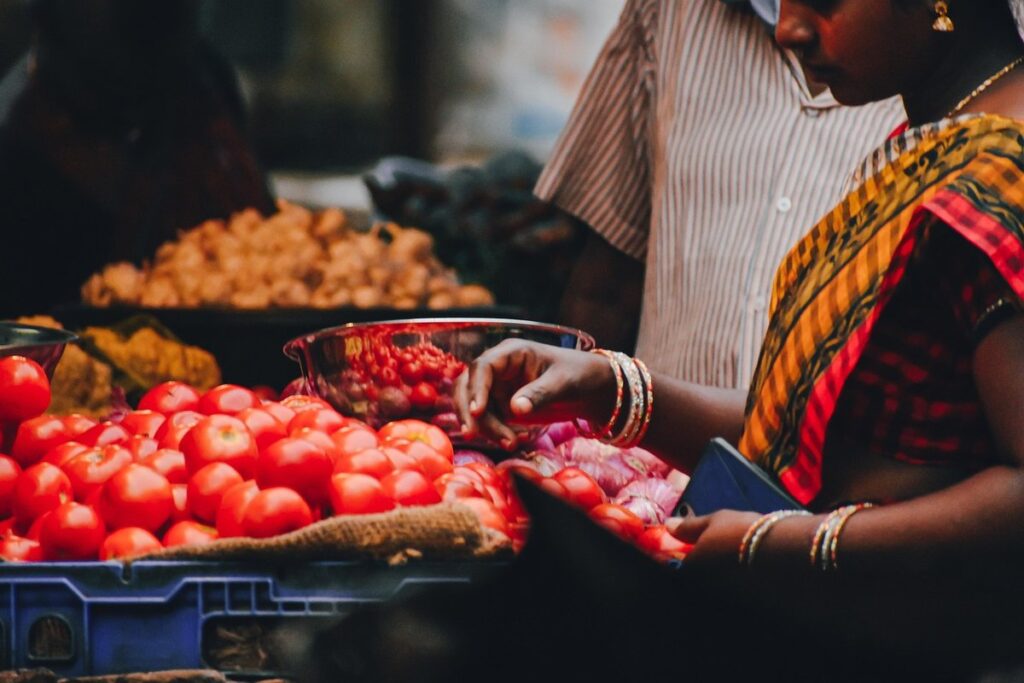
Indian traditions have been the cornerstone of society for centuries, weaving together customs, values, and festivals that create a rich tapestry of cultural heritage. From the vibrant colors of traditional clothing to the complex flavors of regional cuisine, every aspect of Indian life is infused with tradition. But what happens when globalization challenges these time-honored ways? Amidst the rapid changes sweeping modern India, how do ancient texts like the Vedas and the Ramayana continue to influence contemporary society? In this article, we’ll take a closer look at India’s rich cultural heritage, exploring the ways in which tradition evolves in response to global forces. By the end of this exploration, you’ll have a deeper understanding of the customs that shape modern Indian life.

The Significance of Tradition in Indian Society
Tradition plays a vital role in shaping the values and identity of Indian society, influencing every aspect of life from family to festivals. Let’s examine how tradition impacts daily life in India.
Understanding the Concept of Dharma
Dharma, a central concept in Hinduism, plays a vital role in shaping individual behavior and social norms in India. At its core, dharma refers to one’s duty, responsibility, and moral obligations towards oneself, others, and the community. It is often described as the natural order of things, guiding individuals to live in harmony with their surroundings.
In Hindu philosophy, dharma is categorized into four main types: varna, ashrama, karma, and artha. Varna refers to one’s social class or profession, while ashrama signifies the different stages of life. Karma denotes the accumulation of good or bad deeds, affecting an individual’s future lives. Artha pertains to material wealth and prosperity.
Practicing dharma involves understanding one’s place in society, respecting traditions, and contributing positively to the community. By following dharma, individuals aim to achieve spiritual growth, personal fulfillment, and social harmony. This concept encourages self-reflection, empathy, and a sense of responsibility towards others. In everyday life, incorporating dharma principles can lead to more meaningful relationships, better decision-making, and a deeper connection with one’s heritage.
Traditional Values and Social Hierarchy
In Indian society, traditional values have shaped the country’s social hierarchy for centuries. The concept of varna, or caste system, has been a defining characteristic of Indian culture, dividing society into distinct groups based on occupation and social status. This hierarchical structure has influenced every aspect of life, from education to marriage and even death rituals.
The four main varnas – Brahmin, Kshatriya, Vaishya, and Shudra – have historically determined an individual’s profession, marriage eligibility, and overall social standing. For instance, a member of the Kshatriya caste was expected to be a warrior or a ruler, while a Brahmin was considered the spiritual leader. This strict division has led to social stratification, with limited mobility between castes.
The concept of asramas, or stages of life, is another significant aspect of traditional Indian values. It outlines four distinct phases – student, householder, renouncer, and liberate – each with its unique responsibilities and spiritual goals. By following these stages, individuals can achieve a sense of purpose and belonging within their community.
Festivals and Celebrations: A Reflection of Indian Culture
Indian festivals are a kaleidoscope of colors, sounds, and emotions that showcase the country’s rich cultural heritage. From Holi to Diwali, each celebration has its own unique charm and significance in Indian tradition.
Major Hindu Festivals in India
Diwali is one of India’s most popular festivals, illuminating homes with diyas and fireworks to symbolize the triumph of light over darkness. This five-day celebration marks the return of Lord Rama to Ayodhya after a 14-year exile. During Navratri, nine divine forms of the goddess Durga are worshipped through music, dance, and ritual performances. The festival’s vibrant cultural expression is evident in its diverse folk traditions.
Holi, the festival of colors, commemorates the divine love between Lord Krishna and Radha. It marks the arrival of spring with a burst of colorful festivities that often spill into the streets. In some regions, people prepare elaborate thalis (trays) with traditional sweets and snacks as offerings to the gods. Ganesh Chaturthi honors the birth of Lord Ganesha, the remover of obstacles, with vibrant processions and clay idol installations.
These festivals are an integral part of India’s cultural fabric, fostering a sense of community and spirituality among its people. By participating in or observing these celebrations, one can gain insight into the deep significance and symbolism embedded within each tradition.
Regional and Community-Specific Traditions
India’s diverse cultural tapestry is woven from threads of regional and community-specific traditions that unfold during various festivals. The Onam festival, for example, is an essential part of Malayali culture, marked by grand feasts, boat racing, and folk performances. In contrast, the northeastern state of Meghalaya celebrates the Cherry Blossom Festival with music, dance, and traditional Khasi cuisine.
In rural India, community-specific traditions often blend faith with everyday life. During Navratri in Gujarat, women gather for Garba dances, while in some parts of Tamil Nadu, men participate in Thalai Atu, a ritualistic fight with sticks. These festivals not only unite communities but also showcase the region’s distinct cultural heritage.
Travelers can experience these unique traditions by visiting specific regions during festival times. For instance, witness the majestic Rath Yatra processions in Odisha or immerse yourself in the vibrant colors of Holi celebrations in Mathura. By engaging with local customs and rituals, visitors can develop a deeper understanding of India’s rich cultural diversity.
Indian Cuisine: A Culinary Tradition Like No Other
Indian cuisine is renowned for its rich flavors and diverse regional specialties, reflecting the country’s incredible cultural diversity. From spicy curries to fragrant biryanis, each dish tells a story of India’s history and traditions.
Influence of Ayurveda on Indian Cooking
Ayurveda’s influence on Indian cooking is deeply rooted in its ancient medical practices. The concept of Ayurvedic dietetics is based on individual constitution, or prakriti, which determines dietary guidelines for maintaining balance and preventing disease. In India, this philosophy has shaped the way people eat, with a focus on seasonal, locally sourced ingredients and tailored diets to suit specific needs.
Ayurvedic principles emphasize the importance of digestive health, recommending warm spices like ginger, cumin, and coriander to stimulate digestion and reduce inflammation. Common Indian dishes such as garam masala-infused lentil curries and turmeric-spiced rice exemplify these principles. By incorporating Ayurvedic cooking methods, individuals can harness its numerous health benefits, including improved circulation, reduced stress, and enhanced immunity.
For example, incorporating warm, nourishing foods like soups and stews during the winter months can help to balance vata dosha, while cooling foods like salads and fruits are recommended during the summer. By understanding and applying Ayurvedic dietary guidelines, individuals can cultivate a deeper connection with their own constitution and develop a more intuitive approach to cooking and eating.
Regional and Seasonal Specialties
North Indian cuisine is characterized by rich and creamy curries, often made with ingredients like paneer, butter chicken, and naan bread. In contrast, South Indian cuisine emphasizes spices, chilies, and fermented foods like idlis and dosas. Street food vendors in cities like Mumbai and Delhi serve popular items such as pani puri, bhel puri, and chaat.
Seasonal offerings are also deeply rooted in regional traditions. For instance, winter brings the opportunity to enjoy rich and spicy curries made with winter vegetables like cauliflower and peas. In the summer months, lighter dishes featuring yogurt, cucumber, and mint become more prevalent. Some popular seasonal desserts include kulfi, a frozen dessert flavored with cardamom or saffron, and shrikhand, a sweetened yogurt dessert often topped with fruit.
To experience regional and seasonal specialties, consider visiting different regions during their respective peak seasons or trying traditional dishes at local restaurants. This will not only provide an opportunity to sample unique flavors but also offer a glimpse into the cultural heritage of each region. The variety of ingredients, cooking techniques, and presentation styles in Indian cuisine reflect the country’s rich diversity and its people’s adaptability.
The Art of Traditional Indian Clothing
Traditional Indian clothing is a vibrant reflection of the country’s rich heritage, with intricate patterns and colors that tell stories of its diverse cultures. Let’s take a closer look at the artistry behind these beautiful garments.
Understanding the Significance of Sarees and Kurtas
In India, traditional garments like sarees and kurtas are more than just pieces of clothing – they’re an integral part of the country’s rich cultural heritage. The significance of these garments lies not only in their intricate designs but also in the fabrics used to create them. For instance, silk sarees from Kanchipuram in Tamil Nadu or Banarasi sarees from Uttar Pradesh are renowned for their quality and are often reserved for special occasions.
The designs on traditional Indian clothing hold symbolic importance as well. Floral patterns, for example, represent growth and prosperity, while geometric motifs signify unity and harmony. Understanding the meaning behind these designs can help you appreciate the artistry that goes into creating each garment. When shopping for traditional attire, look for pieces with subtle yet meaningful designs, such as intricate embroidery or hand-printed patterns. This way, you’ll not only be wearing a beautiful piece of clothing but also carrying on India’s cultural legacy. Typically, these garments are worn during festivals and special events, so consider incorporating them into your wardrobe to experience the rich cultural heritage firsthand.
Modern Interpretations and Revivals
Contemporary designers are reimagining traditional Indian attire to suit modern contexts without sacrificing its essence. This revival is evident in the likes of Anamika Khanna and Sabyasachi Mukherjee, who have successfully merged tradition with contemporary silhouettes and fabrics. For instance, Khanna’s fusion of lehengas with global styles has made her a favorite among international fashionistas.
Indian designers are also experimenting with new textiles, like incorporating digital prints on traditional weaves or pairing luxurious fabrics like velvet with ancestral patterns. This blending of old and new is not just visually striking but also culturally significant. By doing so, they’re ensuring that their creations appeal to both the older generation who value heritage and the younger crowd seeking something fresh.
When shopping for contemporary Indian attire, look for designers who respect traditional craftsmanship while innovating with modern twists. Some labels offer bespoke services where clients can customize traditional garments with modern embellishments or fabrics. This approach not only honors tradition but also makes the garment feel truly personal.
Ancient Indian Texts: The Source of Tradition
Ancient Indian texts have been the foundation of tradition for centuries, guiding generations on spiritual and philosophical principles. They hold the secrets to understanding India’s rich cultural heritage.
The Vedas and Upanishads
The Vedas and Upanishads are the foundational texts of Hindu thought and philosophy, shaping Indian tradition over millennia. The Vedas, comprising four collections known as Samhitas, contain hymns, prayers, and philosophical discussions on nature, the cosmos, and human existence. They convey a sense of awe for the mysteries of life, highlighting the interconnectedness of all things.
The Upanishads are philosophical treatises that elaborate on the Vedas’ teachings. These texts explore various themes such as the nature of ultimate reality (Brahman), the individual self (Atman), and the path to liberation from the cycle of birth and death (moksha). Key concepts include the idea of the three states of consciousness, the five elements, and the concept of karma.
These ancient texts have had a profound impact on Indian thought and culture. Their teachings have influenced countless philosophers, spiritual leaders, and artists across centuries. To appreciate their significance, one can start by reading translations of key Upanishads such as the Chandogya or Brihadaranyaka. By immersing oneself in these ancient texts, one can gain a deeper understanding of Hindu philosophy and its timeless wisdom.
Other Important Texts Like the Mahabharata and Ramayana
The influence of Sanskrit epics extends beyond the Mahabharata and Ramayana. Other significant texts like the Bhagavata Purana and the Brahma Vaivarta Purana have shaped Indian tradition, folklore, and cultural practices. The Bhagavata Purana, for instance, is a revered scripture that narrates the divine play of Lord Krishna, emphasizing devotion, duty, and the path to self-realization.
The epic also highlights the role of women in spiritual growth, such as the story of Devi, who attains liberation through intense devotion. Similarly, the Brahma Vaivarta Purana features Radha, a symbol of female empowerment, as the consort of Lord Krishna. These depictions have contributed to the veneration of feminine deities and the emphasis on love as a spiritual path in Indian tradition.
The Agni Purana and the Matsya Purana are other notable Sanskrit texts that continue to influence Indian cultural practices. They contain rituals, ceremonies, and mythological tales that reflect the country’s rich heritage and its deep connection with nature. Understanding these epics provides valuable insights into the underlying principles of Indian tradition, enabling a deeper appreciation for its complexities and nuances.
The Evolution of Tradition in Modern India
As we explore Indian traditions, it’s clear that many customs are evolving to meet the changing needs and values of modern society. How traditional practices are adapting is a fascinating story waiting to be told.
Challenges and Conflicts with Globalization
Globalization has brought about a significant shift in traditional ways of life in India. One of the most notable changes is the alteration of family structures. With increasing urbanization and migration to cities, joint families are becoming less common, replaced by nuclear families. This change has led to a decline in the traditional extended family system, where multiple generations lived together.
Another area affected by globalization is occupation. India’s economy has shifted from an agrarian-based to a service-based industry, resulting in a significant decrease in rural employment opportunities. This has forced many farmers and agricultural workers to migrate to cities in search of better job prospects. As a result, traditional occupations such as farming and craftsmanship are slowly disappearing.
The rise of consumerism is also posing a threat to traditional ways of life. The influx of global brands and Western culture has led to an increase in materialistic values, causing Indians to prioritize modern amenities over their cultural heritage. This shift towards consumerism can be seen in the preference for packaged goods over homemade products, and the emphasis on brand names over traditional craftsmanship.
Efforts towards Preserving and Revitalizing Traditions
Efforts towards preserving and revitalizing traditions in modern India are gaining momentum. Organizations such as the Indian National Trust for Art and Cultural Heritage (INTACH) work to protect cultural heritage sites by documenting and conserving ancient monuments, while also promoting sustainable tourism practices that respect local customs.
Language revitalization initiatives are also underway, with programs like the Central Institute of Hindi’s efforts to promote Sanskrit language education. These initiatives encourage students to learn and appreciate India’s classical languages, which are an integral part of its cultural heritage.
Community engagement is another key aspect of preserving traditions. Programs such as the “Elders’ Wisdom” initiative in rural Maharashtra bring together elderly community members with young people to share stories and pass on traditional knowledge. This exchange not only preserves intangible traditions but also fosters intergenerational connections. By supporting these efforts, individuals can contribute to the preservation of India’s rich cultural heritage. Effective preservation strategies involve collaboration between local communities, governments, and organizations, ensuring that the needs and concerns of each stakeholder are addressed.
Frequently Asked Questions
What if I want to incorporate traditional Indian values into my modern lifestyle?
You can start by exploring the significance of dharma and varna in shaping individual behavior and social norms, as discussed in the article. You can then adapt these principles to your daily life by setting goals aligned with your dharma and making conscious choices about your interactions with others. This might involve practicing mindful communication or cultivating a sense of community involvement.
Can I celebrate traditional Indian festivals even if I’m not from India?
Yes, you can certainly participate in and appreciate Indian festivals, regardless of your cultural background. The article highlights the cultural importance of these events, but also emphasizes their inclusivity. You can attend local celebrations, try traditional foods, or learn about the significance of specific rituals to engage with the festivities.
How do I choose which traditional Indian clothing styles to wear?
When selecting traditional attire, consider the occasion and your personal style. For example, a saree might be more suitable for formal events, while kurtas are often preferred for casual gatherings. You can also experiment with modern interpretations of traditional garments to find what works best for you.
Is it possible to adapt Ayurvedic dietary guidelines to suit modern tastes?
Yes, you can still benefit from the principles of Ayurveda even if you don’t strictly follow its recommendations. The article discusses how Ayurveda has influenced Indian cuisine, but you can apply similar concepts to your own cooking by focusing on using locally sourced ingredients and balancing different flavors.
Can I learn about traditional Indian arts and crafts without traveling to India?
Yes, there are many online resources and local classes that can help you explore traditional Indian arts like textiles, pottery, or jewelry-making. You can also connect with local artisans who specialize in these crafts, either through workshops or online platforms.