
Traveling to Spain or learning Spanish can be an immersive experience, but understanding the country’s rich culture is just as crucial as mastering its language. You’ll encounter a vibrant tapestry of traditions, art, music, and history that permeates every aspect of life in España. From flamboyant festivals like Tomatina and La Mercè to the intricate architecture of Gaudí and Moorish palaces, there’s an incredible depth to this heritage. But what lies beneath the surface? How do these customs shape daily life in Spain? This guide will take you on a journey through Spain’s unique cultural landscape, exploring its traditions, festivals, food, art, music, and more. By the end of it, you’ll have a deeper appreciation for España’s distinctive character and be better equipped to soak up every moment of your travels or language learning journey.
Unpacking Spanish History and Heritage
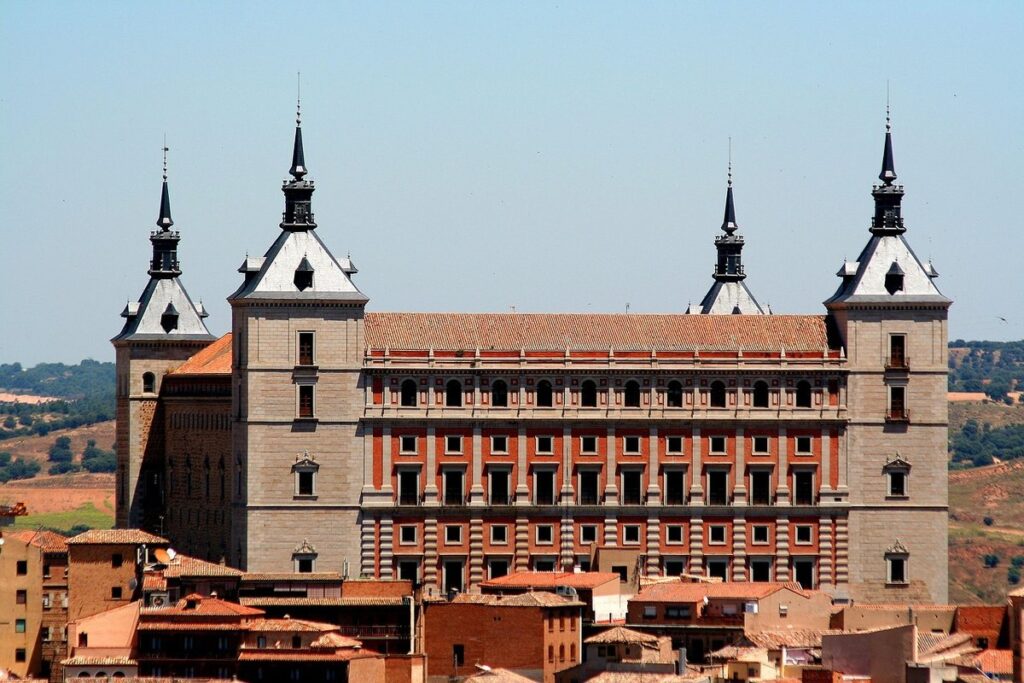
As we explore the rich cultural tapestry of España, it’s essential to understand the historical context that has shaped its people, traditions, and way of life. From Moorish conquests to royal dynasties, Spain’s complex past is woven into every aspect of its heritage.
The Legacy of Ancient Civilizations
Iberian tribes, Phoenicians, Romans, and Moors have left an indelible mark on modern-day español culture. The Iberians, for instance, introduced their unique linguistic and cultural heritage to the peninsula, which would eventually become the foundation of Spanish identity. Their legacy can be seen in the many place names throughout Spain that still bear witness to their presence.
The Phoenicians, with their extensive trade networks, brought Greek and Carthaginian influences to the Iberian Peninsula. They established thriving colonies along the Mediterranean coast, introducing advanced agricultural techniques and metalwork skills. The Romans, who later conquered much of the peninsula, built upon these foundations, creating a rich cultural and architectural heritage that continues to inspire Spanish art and architecture today.
The Moors, who ruled Spain for nearly eight centuries, left an even more profound impact on the country’s language, cuisine, and art. Arabic became the dominant language in many regions, while Islamic culture influenced the development of flamenco music and dance. As a result, modern-day españoles continue to celebrate their diverse heritage by embracing these influences in their daily lives.
For travelers interested in exploring this rich cultural landscape, consider visiting the Alhambra palace in Granada, a testament to Moorish architecture and engineering prowess.
The Golden Age and Beyond
During Spain’s Golden Age, which spanned the 16th and 17th centuries, the country experienced a remarkable flourishing of artistic, literary, and scientific achievements. This period saw the emergence of luminaries like Cervantes, who penned Don Quixote, and Velázquez, whose masterful brushstrokes continue to inspire awe. The works of these iconic figures not only reflected but also shaped the cultural identity of Spain.
One area where this Golden Age left a lasting impact is literature. Cervantes’ groundbreaking novel, Don Quixote, has been translated into more than 140 languages and remains one of the greatest works of fiction ever written. Its influence can be seen in the many literary movements that followed, from Romanticism to Surrealism.
Beyond literature, Spain’s scientific contributions during this period were equally significant. The mathematician and astronomer Pedro Nunes made crucial discoveries about navigation and cartography, while the philosopher and theologian Francisco Suárez laid the foundations for modern philosophical thought. These achievements not only enhanced Spain’s reputation as a center of learning but also paved the way for future breakthroughs in science and philosophy.
Understanding Spanish Traditions and Celebrations
Spanish traditions and celebrations are woven into the fabric of everyday life, reflecting a deep sense of community and connection to heritage. We’ll explore some of the most iconic festivals and customs that define España’s rich cultural identity.
Festivals and Fiestas: A Celebration of Life
La Tomatina, Las Fallas, and Semana Santa are just a few examples of the many vibrant festivals that take place throughout Spain. These events are not only an opportunity to let loose and have fun but also serve as a celebration of life itself. Each festival has its own unique history and cultural significance.
La Tomatina, held in Buñol, is perhaps one of the most unusual festivals on the calendar. It involves participants throwing juicy tomatoes at each other for hours. While this may seem chaotic to outsiders, it’s actually an event steeped in tradition and camaraderie. The festival has been running since 1945 and is a time when people come together to let go of their inhibitions.
Las Fallas, held in Valencia, is another major celebration that takes place every March. It’s a UNESCO World Heritage Site and features elaborate puppets known as ‘ninas’ and ‘ninots’. These are displayed throughout the city before being set ablaze on the final night of the festival. Semana Santa, which translates to ‘Holy Week’, is a somber yet beautiful celebration that takes place in many cities across Spain.
The Role of Food in Spanish Culture
In Spain, mealtimes are sacred institutions that bring families and communities together. The tradition of sharing meals is deeply ingrained in Spanish culture, with a strong emphasis on hospitality and conviviality. Sunday lunches, known as “la comida del domingo,” are especially significant, often featuring elaborate spreads of local specialties and regional delicacies.
The role of food in shaping español identity cannot be overstated. Traditional cuisine plays a vital part in preserving cultural heritage and fostering a sense of community. Tapas bars, for instance, offer a unique opportunity to experience the country’s rich gastronomic diversity, from classic patatas bravas to innovative fusion dishes.
In Spain, mealtimes are not just about sustenance; they’re also an occasion to connect with others. Family gatherings often revolve around food, with generations coming together to share stories and laughter over a leisurely meal. This warm, convivial atmosphere is an essential aspect of Spanish culture, one that has been passed down through generations.
A visit to Spain would be incomplete without sampling the local cuisine. Be sure to try regional specialties like paella in Valencia or gazpacho in Andalusia. Don’t be afraid to ask for recommendations at a local taberna or restaurant – the Spaniards are known for their passion and pride in their culinary traditions.
Exploring Spanish Art and Architecture
As we journey through España, it’s impossible not to be captivated by its rich artistic heritage, from Gaudí’s whimsical Sagrada Família to Velázquez’s masterful Las Meninas. Let’s take a closer look at the country’s most iconic landmarks and artistic treasures.
Masterpieces from Gaudí to Dalí
Antoni Gaudí’s Sagrada Família is an iconic masterpiece that has become synonymous with Spanish art. This sprawling cathedral in Barcelona is a testament to Gaudí’s innovative and often surreal style, which blended Gothic and Art Nouveau elements. Visitors can explore the intricate details of the facade, including the imposing spires and stunning stained glass windows.
Salvador Dalí’s works are equally as captivating, with their dreamlike quality and sense of unease. The Dalí Theatre-Museum in Figueres is a must-visit for fans of the artist, featuring an impressive collection of his paintings, sculptures, and even stage designs. Be sure to explore the surrounding streets, which are adorned with Dalí’s murals and other works.
Pablo Picasso and Joan Miró also left their mark on Spanish art, though their styles differ significantly from Gaudí’s and Dalí’s. The Picasso Museum in Barcelona is home to an extensive collection of the artist’s work, while the Miró Foundation in Palma de Mallorca showcases his surrealist paintings and sculptures.
When visiting these iconic sites, take a moment to appreciate the unique cultural context that inspired each artist’s style.
The Iconic Cathedrals and Palaces
La Sagrada Familia and the Alhambra are just two examples of the breathtaking architecture found throughout España. These iconic landmarks showcase the country’s rich cultural heritage, with influences from Gothic, Renaissance, and Baroque styles. The intricate stone carvings, ornate details, and majestic grandeur of these structures are a testament to the skill and artistry of Spanish builders.
When visiting these sites, take note of the unique architectural features that set them apart. La Sagrada Familia’s towering spires, for instance, are designed to represent the relationship between God and humanity. The Alhambra, on the other hand, boasts intricate Moorish patterns and ornate tile work. Allow at least a few hours to explore each location, taking in the stunning vistas and absorbing the history that permeates every stone.
For those looking to experience more of España’s iconic cathedrals and palaces, consider visiting Seville’s Cathedral of Santa María de la Sede or Madrid’s Royal Palace. Each of these sites offers a glimpse into Spain’s rich cultural past, with unique stories and histories waiting to be discovered. Be sure to plan your visit during the morning or late afternoon to avoid the peak tourist hours, allowing for a more immersive experience.
Unraveling Spanish Music and Dance
From flamenco passion to laid-back Latin rhythms, Spanish music and dance are an integral part of the country’s vibrant cultural identity. We’ll take a closer look at the unique styles that capture the essence of España.
Flamenco: Passion and Expression
Flamenco is an intense and captivating art form that embodies the fiery passion of Spanish culture. Its origins date back to the 15th century, when it emerged as a blend of Andalusian folk music, Romani influences, and Arabic rhythms. This unique fusion gave birth to a distinctive style characterized by intricate hand clapping, footwork, and dramatic arm movements.
There are several styles within flamenco, each with its own distinct flavor and emotional depth. The most well-known is Bulerías, marked by rapid-fire hand clapping and intense energy. Other styles, like Alegrías and Soleá, showcase a more melancholic and introspective tone. Flamenco’s raw emotion is rooted in the personal experiences of its performers, making each performance a deeply human expression.
When witnessing flamenco live, it’s essential to immerse yourself in the atmosphere, letting the music wash over you. Don’t be afraid to show your emotions – flamenco encourages audience participation and connection with the artists. To appreciate flamenco further, try attending a tablao (a small, intimate flamenco venue) where you can see performers up close and feel the energy of the performance.
The Evolution of Traditional Spanish Folk Music
Spanish folk music has undergone significant transformations over the centuries, shaped by regional traditions and cultural exchange. One notable example is Jota from Andalusia, which has its roots in ancient Moorish influences. This lively dance and song combination originated among the shepherds of western Andalusia and has since spread throughout the region.
In contrast, Sardana from Catalonia has a distinct Catalan identity, characterized by intricate footwork and hand gestures. Its origins date back to the 18th century, and it is often performed during festive events like La Diada de Sant Jordi (St. George’s Day). When attending a traditional Spanish festival, you may hear these folk music styles played on instruments such as the castanets or accordion.
The blending of regional traditions has given rise to new and innovative musical forms. For instance, flamenco, which originated in Andalusia but is now performed throughout Spain, combines elements from various cultures, including African, Arab, and Romani influences. By exploring these diverse folk music styles, you can gain a deeper understanding of the rich cultural heritage that underlies modern-day España.
Discovering Modern-Day España
Modern-day España is a vibrant tapestry of old traditions and new influences, blending the country’s rich history with its modern urban vibe. We’ll take you on a journey through this fascinating cultural landscape next.
Urban Centers: Madrid, Barcelona, and Beyond
Madrid’s Malasaña neighborhood is a melting pot of creativity and self-expression. This bohemian district is home to a vibrant arts scene, with street art adorning the buildings and independent galleries showcasing local talent. Nearby, the historic center offers a glimpse into the city’s rich past, from the Royal Palace to the Plaza Mayor.
Beyond Madrid, Barcelona boasts its own unique cultural landscape. The Gothic Quarter’s narrow streets are filled with charming boutiques, while the beachside promenade of La Rambla is lined with street performers and lively bars. In the heart of the city, Park Güell’s famous mosaic benches offer a glimpse into Antoni Gaudí’s surreal imagination.
Other urban centers, such as Valencia and Seville, also play host to an array of cultural attractions. The City of Arts and Sciences in Valencia is a striking example of modern architecture, while Seville’s Santa Cruz neighborhood is steeped in Moorish history. Visitors can explore these cities’ rich heritage by wandering through their historic districts or attending local festivals, which often celebrate the unique traditions and customs that define each region.
Regional Diversity and Pride
Spain’s 17 autonomous communities are a treasure trove of regional diversity and pride. Each community has its own distinct culture, shaped by history, geography, and language. For instance, the Basque Country in northern Spain boasts a unique language, Euskara, which is unrelated to any other known language. The region’s rich gastronomy is also a reflection of its distinct heritage, with dishes like pintxos and bacalao a la vasca.
In Catalonia, you’ll find a strong sense of regional identity, reflected in the use of Catalan as an official language. The community’s capital, Barcelona, is famous for its stunning architecture, including Antoni Gaudí’s Sagrada Família. Meanwhile, in Andalusia, the southern region’s rich Moorish legacy is evident in its architecture, cuisine, and traditions.
To experience Spain’s regional diversity firsthand, consider visiting each autonomous community to discover their unique customs and languages. Attend a festival or fiesta in a different region to immerse yourself in local culture. You might even pick up some basic phrases in the local language to show respect for the community’s heritage. With its diverse regions and vibrant traditions, Spain is a country that will keep you coming back for more.
Engaging with Español Language and Culture
As you immerse yourself in the rich culture of España, interacting with locals is key to truly experiencing la vida española. This means engaging with their language, customs, and traditions to create unforgettable connections.
Tips for Language Learners
When learning Spanish, it’s essential to surround yourself with authentic materials and practice regularly. Start by using language apps like Duolingo, Babbel, or Rosetta Stone, which offer comprehensive courses and interactive exercises. You can also take advantage of online resources such as Coursera, edX, or Open Culture, which provide free or affordable courses taught by native speakers.
To improve your speaking skills, focus on learning common phrases and expressions used in everyday conversations. Start with basic greetings like “Hola, ¿cómo estás?” (Hello, how are you?) and move on to more complex sentences. Practice pronunciation by listening to Spanish podcasts, audiobooks, or music with lyrics. Watch Spanish movies or TV shows with English subtitles to get accustomed to the language’s rhythm and intonation.
Additionally, consider enrolling in a local language course or finding a language exchange partner to practice speaking with native speakers. This will not only help you improve your language skills but also provide valuable insights into Spanish culture and customs. Remember, consistent practice and exposure are key to mastering the Spanish language.
Immersion and Cultural Exchange Programs
For those eager to truly experience Spanish culture, immersion and cultural exchange programs are an excellent way to engage with the local community. One popular option is participating in homestays, where travelers can live with a host family and immerse themselves in daily life. This allows for language practice, culinary exploration, and genuine interactions with locals.
Another opportunity lies in volunteer programs, which not only provide a chance to give back but also offer a unique perspective on Spanish society. Many organizations focus on environmental conservation, social welfare, or cultural preservation projects. For instance, volunteering at a rural community garden can introduce you to the importance of sustainable agriculture and local food systems.
Language schools are yet another resource for immersion, offering courses tailored to various levels and interests. Some institutions incorporate homestays into their programs, allowing students to practice their language skills in real-life situations. When selecting an exchange program, consider factors such as location, duration, and type of activities offered. Researching local organizations and reading reviews from past participants can also help ensure a fulfilling experience.
Frequently Asked Questions
Can I apply the lessons from Spain’s Golden Age to my own life or work?
Yes. The artistic, literary, and scientific achievements of this period demonstrate the value of collaboration, patronage, and innovation in driving cultural progress. While historical contexts differ, these principles can be applied to modern-day creative endeavors, business partnerships, or community projects.
How do I introduce traditional Spanish music into my language learning routine?
Try listening to flamenco or folk music while practicing your Spanish vocabulary or conversation skills. You can also explore online resources like YouTube channels or podcasts featuring traditional Spanish music and its cultural context. This will help you connect the language with its rich heritage and improve your overall immersion.
What if I’m not traveling to Spain but still want to experience its culture?
You can engage with español culture through local events, festivals, or cultural centers in your area. Many cities offer flamenco performances, Spanish film screenings, or cooking classes that allow you to connect with the culture without leaving your home country. Look for these opportunities and immerse yourself in the sights, sounds, and flavors of España.
Can I use the language tips from this guide if I’m an absolute beginner?
Yes, even as a complete beginner, you can start applying some basic language learning strategies, such as practicing pronunciation, learning essential phrases like “gracias” or “¿dónde está…?”, and using language apps to build your vocabulary. This will help you lay the groundwork for more advanced language skills and deeper cultural understanding.
Is it possible to learn about Spanish culture without visiting Spain?
While traveling to Spain is an ideal way to experience its culture firsthand, there are many resources available online or in local communities that can provide a rich introduction to español heritage. Museums, libraries, and cultural centers often host exhibitions, lectures, or workshops on Spanish art, literature, and music, allowing you to explore the country’s unique identity from afar.

