Plymouth’s bustling farmers market is a treasure trove of local produce, where community spirit meets fresh food. Every week, residents and visitors alike flock to this vibrant gathering to sample the best of the region’s harvest. But beyond the delicious flavors and colorful stalls, Plymouth’s farmers market plays a vital role in supporting the local economy. By shopping at the market, you’re not only getting the freshest produce possible, but also contributing to the growth of your community. In this guide, we’ll take you on a tour of the market’s highlights, from the best places to find artisanal cheeses and fresh seafood to tips on how to make the most of your visit. By the end of it, you’ll be equipped with everything you need to shop local and support economic growth in Plymouth.
History of Plymouth Farmers Market
The roots of the Plymouth Farmers Market date back to a small gathering of local farmers and artisans, which has since grown into a beloved community staple. Let’s take a look at how this popular market came to be.
Early Beginnings: The Concept Takes Shape
The seeds of Plymouth Farmers Market were sown in the early 2000s when local residents began discussing the idea of a community-driven marketplace. This grassroots effort was fueled by a desire to bring people together and support local agriculture. At that time, the concept of farmers markets was gaining popularity across the country, but it had yet to take root in Plymouth.
A small group of visionary individuals came together to explore the feasibility of launching a market in their community. They drew inspiration from existing models and consulted with experts to develop a unique approach tailored to Plymouth’s needs. This collaborative effort involved numerous meetings, surveys, and focus groups to gauge interest and gather feedback from potential vendors and customers.
The early beginnings of Plymouth Farmers Market demonstrate the importance of community involvement and grassroots initiative in shaping its development. By engaging local residents and stakeholders, the market’s founders were able to build a strong foundation for the project, setting it up for long-term success and growth. This approach not only ensures that the market remains responsive to community needs but also fosters a sense of ownership among its members.
Founding Members and Initial Success
The founding members of Plymouth Farmers Market played a crucial role in shaping its early success. These individuals, comprising local farmers, business owners, and government officials, worked together to establish the market’s initial framework. Their collaborative efforts enabled the market to launch with a solid foundation.
Local farmers like John Smith and Sarah Lee brought their expertise in produce and agriculture to the table, ensuring that the market would feature fresh, locally sourced goods from the outset. Business owners, such as Tom Johnson and Emily Chen, contributed their knowledge of marketing and sales, helping to attract customers and create a buzz around the market.
Government officials, including Councilor Jane Doe and Mayor Bob Smith, provided essential support and resources, facilitating the market’s launch and ensuring compliance with local regulations. This diverse group of stakeholders worked together seamlessly, leveraging their collective strengths to establish a thriving community hub.
Market Structure and Organization
At Plymouth Farmers Market, you’ll find a diverse array of vendors, each with their own unique products and stories to share. This section breaks down the market’s organizational structure and highlights its key players.
Governance Model: Ensuring Community Input
The market’s governance model is designed to promote community involvement through a thoughtful structure. This approach allows for diverse perspectives and ensures that decision-making processes are inclusive. A key aspect of this model is the rotating leadership positions, which give multiple individuals an opportunity to take on leadership roles throughout the year. This not only fosters a sense of shared responsibility but also enables fresh ideas and approaches to be brought forward.
Regular town hall meetings provide a platform for community members to come together and engage in open discussions about market operations, policies, and future plans. These meetings are crucial for building relationships among vendors, customers, and volunteers, and for addressing any concerns or issues that may arise. The diverse volunteer base is another essential component of the governance model. With a wide range of skills and expertise represented, volunteers can offer valuable insights and support to market operations.
The rotating leadership positions, town hall meetings, and diverse volunteer base all work together to create a governance structure that prioritizes community involvement. This approach has contributed significantly to the market’s success, allowing it to grow and evolve while remaining true to its core values of supporting local farmers and building strong community relationships.
Committee Roles: Effective Decision-Making
The various committees at Plymouth Farmers Market play a crucial role in its success. These groups work behind the scenes to ensure the market runs smoothly and meets the needs of both vendors and customers. The Marketing Committee, for example, handles promotional efforts such as social media management, email newsletters, and community outreach. They develop strategies to attract new visitors and retain existing ones.
The Vendor Committee focuses on supporting local producers by streamlining application processes, providing resources for setup and operation, and addressing any concerns or issues that may arise. This committee also helps manage the market’s vendor rotation and allocation of spaces.
Meanwhile, the Events Committee is responsible for planning and executing various activities throughout the season, such as workshops, demonstrations, and themed markets. They collaborate with local organizations to bring in outside speakers and talent, enriching the overall experience for visitors.
Each committee contributes unique perspectives and skills, ultimately contributing to a cohesive market strategy. By understanding these committees’ roles, customers can appreciate the dedicated efforts behind their shopping experience.
Vendors and Products
As you wander through the vibrant stalls of Plymouth Farmers Market, be sure to meet the talented vendors behind each product, showcasing their passion for local produce. From artisanal goods to fresh fruits and veggies, discover what’s in season!
Local Produce: Fresh from the Fields
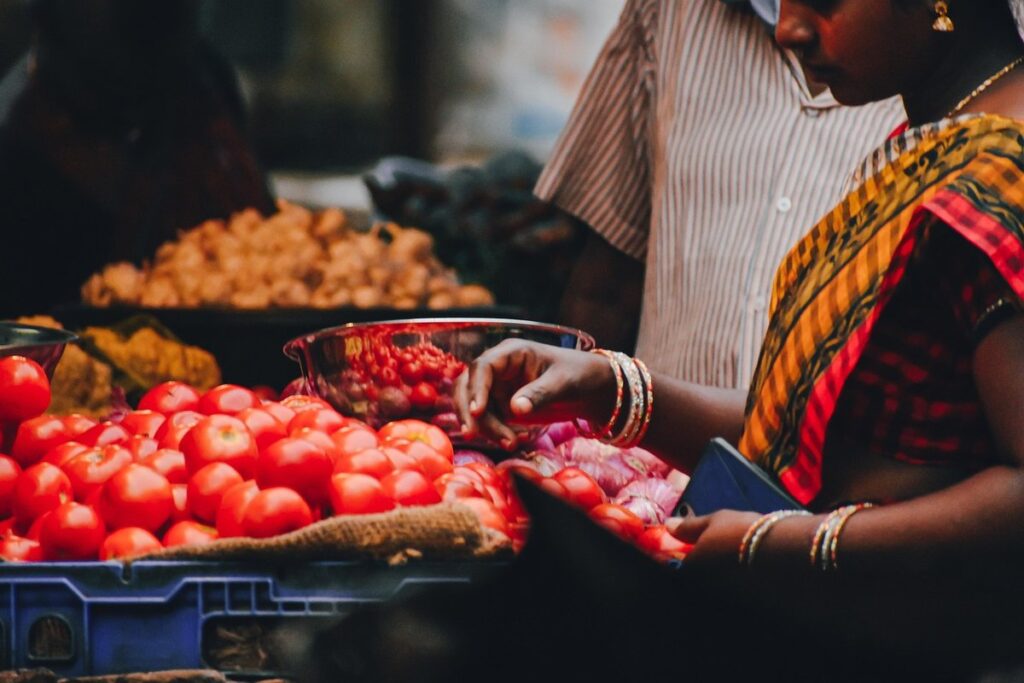
Fresh produce is a staple at Plymouth Farmers Market, with an array of fruits and vegetables sourced directly from local farmers. These farmers adhere to sustainable practices, ensuring that their products are not only fresh but also environmentally friendly. As you wander through the market, you’ll notice the vibrant colors and enticing aromas of seasonal produce.
The variety of produce is staggering, with many vendors offering heirloom tomatoes, crisp lettuce, and juicy berries. Some popular items include fresh herbs like basil and cilantro, which are often used in cooking demonstrations and workshops held at the market. You can also find artisanal breads and baked goods made with locally sourced ingredients.
When shopping for produce, look for vendors who label their products as “sustainably grown” or “locally sourced.” This ensures that you’re supporting farmers who prioritize environmental stewardship. Additionally, ask your vendor about the specific growing practices used on their farm. Many farmers are happy to share information about their methods and can provide recommendations for preparing their produce.
Some popular times to find fresh produce at the market include early summer, when strawberries and tomatoes are in season, and late fall, when apples and squash are abundant.
Artisanal Goods: Handcrafted with Care
At Plymouth Farmers Market, you’ll discover a diverse array of artisanal goods crafted with love and care by local vendors. Handmade jewelry stands out for its unique designs and attention to detail, often using natural materials like wood, stone, or recycled metals. Each piece tells a story, from the intricate patterns on a handmade locket to the organic shapes in a pendant.
Baked goods are another highlight, with vendors offering an assortment of sweet treats like artisanal breads, pastries, and cakes. Look for vendors using high-quality ingredients, such as locally sourced butter or hand-harvested honey, to add depth to their creations. Be sure to check ingredient labels or ask the vendor about their process.
Specialty foods round out the offerings, with vendors crafting everything from small-batch jams and chutneys to handcrafted chocolates and sauces. Many of these products feature locally grown fruits, herbs, or spices, making them a great way to experience the best of Plymouth’s produce in a new format. When shopping for artisanal goods, consider what you’re looking for: are you seeking a unique gift, or wanting to elevate your own cooking?
Shopping Experience
As you wander through Plymouth Farmers Market, you’ll encounter a diverse array of vendors offering everything from fresh produce to artisanal goods. In this section, we’ll highlight some of the best ways to make the most of your shopping experience.
Navigation and Layout: Easy Browsing
The market’s layout is designed with visitors’ needs in mind, making it easy to navigate and find what you’re looking for. Upon entering the market, you’ll notice a clear path leading through the stalls, allowing you to browse at your own pace. The vendors are arranged in a way that encourages exploration, with local produce, artisanal goods, and prepared foods organized into distinct sections.
To make shopping easier, many vendors display their products on tables or stands, making it simple to compare prices and quality. You’ll also find clear signs indicating the types of products available at each stall, helping you plan your shopping trip in advance. The market’s organizers have thoughtfully included amenities such as benches and shaded areas, providing a comfortable space for shoppers to take a break.
When planning your visit, consider arriving early or later in the day when crowds are smaller. This will give you more time to browse and interact with vendors without feeling rushed. By taking advantage of the market’s well-designed layout, you can have a enjoyable and stress-free shopping experience that allows you to fully appreciate the local products on offer.
Seasonal Activities and Events
The market comes alive during different seasons with a range of activities designed to engage visitors and enhance their experience. Summer is peak season for cooking demonstrations, where local chefs partner with vendors to create dishes using fresh produce. These events are usually free and take place near the main stage.
In the fall, live music performances become more frequent, often featuring local bands and musicians. The atmosphere is lively, making it an excellent opportunity for socializing while shopping. Some weeks also feature children’s workshops where kids can participate in activities like face painting or craft-making with materials sourced from vendors.
Throughout the year, the market hosts themed events that celebrate specific holidays or harvests. For instance, during Thanksgiving week, a portion of sales from participating vendors is donated to local food banks. These events encourage community involvement and create opportunities for people to connect with their neighbors while supporting local businesses.
Community Impact
The Plymouth Farmers Market is more than just a place to shop for fresh produce, it’s also a hub of community activity that brings people together and supports local growth. As we explore the market, let’s take a closer look at its impact on the surrounding area.
Economic Benefits: Stimulating Local Economy
Frequenting the farmers market has a ripple effect on the local economy, stimulating growth through increased spending. When you purchase produce and artisanal goods from vendors, that money typically stays within the community. A significant portion of vendor sales goes directly towards paying their employees, creating jobs in various sectors, including farming, food processing, and retail.
In Plymouth, for instance, many market vendors are small business owners who have invested heavily in their operations. They use a substantial amount of local resources to produce their goods, from seeds to equipment. By buying from these vendors, you’re not only getting fresh products but also contributing to the local economy’s vitality.
Job creation is another significant economic benefit. When farmers market sales increase, so do opportunities for employment. This can range from part-time positions in farm-to-table restaurants to full-time roles at the market itself. The influx of jobs contributes to a lower unemployment rate and higher average household income, both indicators of a thriving local economy.
To maximize these benefits, consider allocating a larger portion of your grocery budget to farmers market purchases or exploring other local outlets that support the community’s economic growth.
Social Benefits: Building Stronger Relationships
At Plymouth Farmers Market, you’ll find a vibrant community of vendors, customers, and volunteers coming together to support local growth. One of the most significant social benefits of the market is its ability to foster stronger relationships among attendees. Regulars often strike up conversations with familiar faces, exchanging stories about their favorite products or sharing recipes featuring fresh produce.
The market’s communal atmosphere extends beyond casual encounters, as vendors often collaborate on joint projects or participate in workshops and demonstrations together. For instance, local bakers might team up with farmers to create seasonal-themed pastries, while artisans may partner on craft classes for kids. This cross-pollination of ideas sparks creativity and encourages mutual respect among participants.
Volunteers also play a crucial role in building connections within the community. By working alongside vendors and market organizers, volunteers develop deeper relationships with the people behind the products, gaining a more nuanced understanding of the local food system. As a result, shoppers feel a stronger sense of loyalty to the market and its contributors, driving repeat business and fostering long-term partnerships.
Frequently Asked Questions
How often can I expect to see new vendors at the Plymouth Farmers Market?
New vendors are regularly added throughout the year, with some joining seasonally and others on a rotating basis. To stay up-to-date on new additions, check the market’s social media accounts or visit their website frequently.
Can I sell my own handmade goods at the market if I’m not a farmer?
Yes, you can consider selling artisanal goods if they align with the market’s standards for quality and community involvement. The Vendor Committee reviews applications to ensure a diverse range of products are offered.
What happens if it rains on market day – do vendors still come out?
While rain may deter some visitors, many vendors remain committed to participating in the market. Some even see an increase in sales during rainy days due to shoppers seeking indoor alternatives. Vendors typically prepare for contingencies like canopies or tents.
How does the market support local farmers who struggle with sales or low yields?
The market offers resources such as workshops and mentorship programs specifically designed to help farmers improve their products and marketing strategies. Additionally, the Market Committee regularly evaluates and adjusts vendor fees to ensure a fair balance between supporting vendors and maintaining profitability.
Can I use my SNAP benefits (EBT) at the Plymouth Farmers Market?
Yes, many vendors accept EBT as part of their commitment to making fresh produce accessible to everyone in the community. However, it’s best to confirm with individual vendors before making a purchase, as some may not be equipped to process EBT transactions.