Heritage museum gardens are often an overlooked yet vital component of these cultural institutions. These gardens not only provide a serene escape from the hustle and bustle of daily life but also serve as a tangible connection to the past, preserving cultural heritage for future generations. As you step through the gates of these meticulously designed spaces, you’re surrounded by a symphony of colors, textures, and scents that transport you back in time. But what makes these gardens truly remarkable is their ability to engage visitors, showcase horticultural mastery, and inspire a deeper appreciation for the art of gardening. In this article, we’ll explore the design principles and conservation efforts behind heritage museum gardens, highlighting how they not only preserve our cultural heritage but also contribute to its continued celebration.
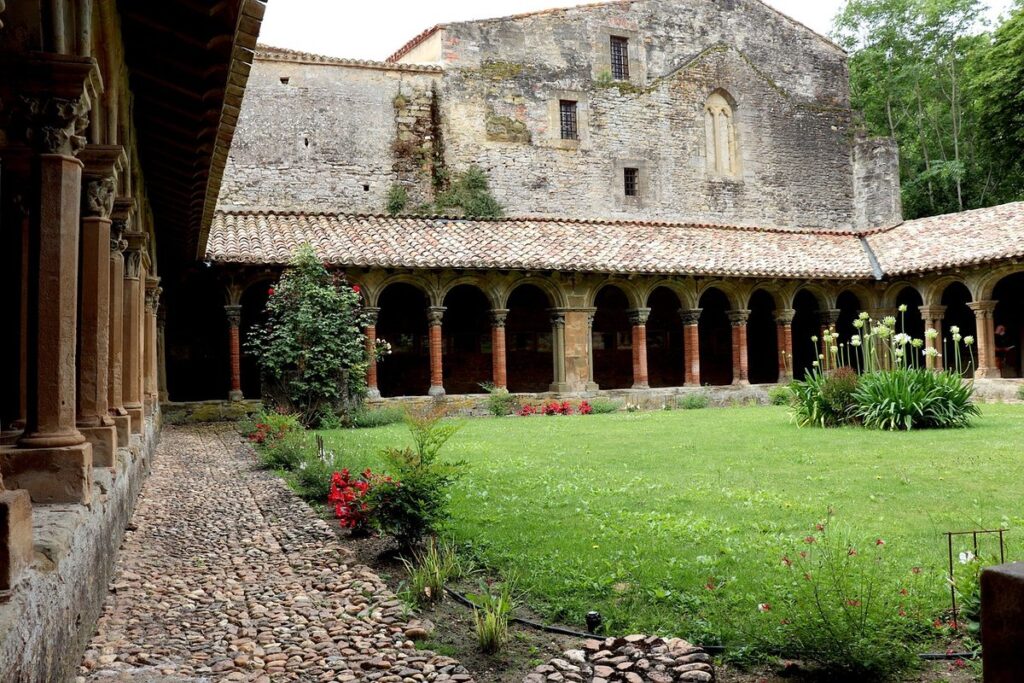
The Importance of Heritage Museum Gardens
Heritage museum gardens are not just beautiful spaces, but also serve as a vital link to our cultural and historical past. In this section, we’ll explore their significance and how they contribute to preserving history.
Role in Preserving Cultural Heritage
Heritage museum gardens offer a tangible link to the past, allowing visitors to experience and learn from historical gardening practices and cultural traditions. By preserving these gardens, museums can safeguard our collective cultural heritage for future generations. A key aspect of this preservation is the documentation and replication of traditional garden designs and plant collections.
Many museums are working with experts in horticulture and conservation to accurately recreate historic gardens, such as those found at Chatsworth House or Hampton Court Palace. These efforts not only provide a glimpse into the past but also serve as a living laboratory for sustainable gardening practices. For instance, researchers can study the materials and techniques used in traditional garden design to inform modern approaches to water conservation and efficient irrigation systems.
By providing a physical connection to history, heritage museum gardens can inspire visitors to appreciate and respect their cultural roots. Furthermore, these gardens often serve as a catalyst for community engagement and education, fostering a sense of shared responsibility for preserving our collective heritage.
Architectural and Horticultural Features
Heritage museum gardens are often characterized by their unique architectural features, such as glasshouses and greenhouses. These structures provide a controlled environment for plants from around the world to thrive, showcasing the diversity of flora on display. One notable example is the Orangery at Chatsworth House in the UK, which boasts an impressive collection of exotic plants.
In addition to these buildings, museum gardens also feature specific horticultural elements that set them apart from other types of gardens. These may include themed planting schemes, such as the Japanese garden at the Metropolitan Museum of Art, or the use of ornamental trees and shrubs to create a sense of grandeur. Some museums also incorporate water features, like fountains or ponds, which add visual interest and help maintain a balanced ecosystem.
When designing your own heritage museum garden, consider incorporating these unique architectural and horticultural features to create an immersive experience for visitors. This might involve selecting plants that are native to specific regions or periods in history, or using materials and construction techniques that evoke a sense of authenticity.
Visitor Experience and Education
Heritage museum gardens are designed to engage visitors through interactive elements, educational programs, and immersive experiences. Many incorporate hands-on activities such as plant propagation stations, where visitors can learn about seed collection and sowing techniques. Some gardens also offer guided tours led by knowledgeable staff or volunteers, providing insights into the garden’s history, design, and maintenance.
To create an immersive experience, gardens may feature themed areas that transport visitors through time and space. For example, a 19th-century rose garden might evoke the elegance of Victorian-era landscaping, complete with ornate fountains and intricately pruned hedges. Other gardens might focus on regional or national themes, showcasing plants native to specific regions.
In addition to interactive elements, heritage museum gardens often host educational programs and workshops for both children and adults. These may include lectures by experts in horticulture, conservation, and environmental science, as well as hands-on activities such as garden design, pruning, and floral arrangement. By incorporating these engaging features, heritage museum gardens provide visitors with a unique opportunity to learn about and appreciate the art and science of gardening.
Design Principles and Characteristics
Heritage museum gardens often reflect the historical era and cultural influences that shaped them, showcasing distinctive design elements that tell a story. Let’s examine these unique characteristics up close.
Historical Authenticity and Reproduction
Recreating historical garden designs is a delicate balance between fidelity to the past and practical considerations. Designers must carefully study the original gardens’ characteristics, such as plant species, layout, and architectural features, to ensure authenticity. However, this can be challenging due to factors like soil degradation, plant availability, and changing climate conditions.
To maintain historical authenticity, designers often rely on archival research, consulting with horticultural experts, and collaborating with museum curators. For instance, the restoration of the gardens at Chatsworth House in England involved extensive research into 18th-century gardening practices. Designers also experiment with period-specific plants that can thrive in modern conditions.
Practical considerations often dictate compromises on historical accuracy. Climate change, for example, has led to an increase in extreme weather events, requiring garden designers to incorporate resilience and adaptability features. In some cases, this means selecting plant species more tolerant of drought or heatwaves. Designers must weigh the importance of historical fidelity against the need for sustainability and maintenance feasibility, ultimately creating a harmonious balance between past and present.
Thematic and Regional Approaches
Heritage museum gardens often employ thematic and regional approaches to create immersive experiences for visitors. These gardens are designed around specific plant collections or regions, such as Japanese or Italian gardens, which transport visitors to a different time and place. For instance, the Japanese garden at the Brooklyn Botanic Garden features carefully selected plants, including cherry blossoms and bamboo, arranged in a harmonious balance of natural elements.
Thematic gardens can also be focused on specific themes, like fragrance or color. The Chelsea Physic Garden in London, for example, boasts an impressive collection of herbs used in perfumery and medicine. This type of garden encourages visitors to engage their senses and explore the relationship between plants and human culture.
Regional approaches often draw inspiration from historical styles, such as French formal gardens or Chinese landscape gardens. These designs require careful research and attention to detail to ensure authenticity and accuracy. The Royal Botanic Gardens, Kew, features a variety of regional gardens, including an Italian garden with ornate fountains and statues, showcasing the beauty and diversity of horticultural traditions from around the world.
Landscape Architecture and Garden Design
Landscape architects and garden designers play a vital role in shaping heritage museum gardens. They must balance historical authenticity with modern functionality, ensuring that the space is both true to its original design and suitable for contemporary visitors. A landscape architect might analyze historic plans, photographs, and documents to recreate a 19th-century parterre or restore a naturalistic landscape designed by a notable horticulturist.
In practice, this means selecting plants that were prevalent during the garden’s original era and reinstating traditional gardening practices such as pruning, mulching, and composting. For example, the Huntington Library in San Marino, California, worked with a landscape architect to restore its 19th-century English gardens using archival research and period-specific plant materials.
To achieve this balance, landscape architects often collaborate with garden designers who specialize in historic gardens. Together, they might develop a phased restoration plan that addresses immediate needs while prioritizing long-term goals. By engaging with these experts, museums can ensure their heritage gardens are not only beautiful but also accurately reflect the past and meet the needs of present-day visitors.
Plant Collections and Horticultural Practices
Heritage museum gardens often feature extensive plant collections, each chosen for its historical significance, cultural relevance, and beauty. We’ll explore these carefully curated collections in more detail below.
Rare and Endangered Species Conservation
Heritage museum gardens play a vital role in preserving rare and endangered species by providing a safe haven for these plants to thrive. Many of these gardens are home to unique collections that would be impossible to cultivate elsewhere, making them invaluable resources for botanists and conservationists. To protect these precious plants, garden staff employ various conservation strategies.
One key approach is to recreate the exact conditions in which these species originally grew, often involving extensive research into historical climate, soil, and water patterns. For example, the Royal Botanic Gardens, Kew’s palm house replicates the tropical conditions of the Amazon rainforest, allowing rare palm species to flourish. Similarly, some gardens have implemented controlled-environment agriculture systems, providing optimal growing conditions for sensitive plants.
Conservation efforts also involve careful selection and introduction of new plant species that are well-suited to their environment. This not only supports biodiversity but also helps mitigate risks associated with disease or pests. Many heritage museum gardens collaborate with botanical institutions and research organizations to ensure the long-term viability of these rare and endangered species collections.
Seasonal Displays and Floral Arrangements
Seasonal displays and floral arrangements play a significant role in enhancing the visitor experience in heritage museum gardens. These carefully crafted exhibits showcase the garden’s horticultural prowess while providing insight into historical gardening practices. For instance, the changing seasons are often reflected in the garden’s design, with plants chosen to thrive during specific periods of the year. This approach not only creates a visually stunning display but also educates visitors about the art of gardening throughout history.
In addition to seasonal displays, floral arrangements can be used to highlight specific themes or periods within the garden’s collection. For example, a 19th-century English rose garden might feature intricate topiaries and classic flower arrangements that evoke the era’s style. Similarly, a tropical exhibit might incorporate vibrant hibiscus and plumeria arrangements, transporting visitors to a different climate.
When planning seasonal displays and floral arrangements, garden designers should consider the garden’s overall aesthetic and historical context. They can also engage with local florists, artists, or historians to create unique and accurate representations of past gardening practices. By incorporating these thoughtful touches, heritage museum gardens can provide an immersive experience for visitors while preserving their cultural significance.
Historical Gardening Practices and Techniques
In heritage museum gardens, traditional gardening practices often blend seamlessly with contemporary design. One such example is the use of topiary, where trees and shrubs are pruned to form ornate shapes. This technique was popular during the 17th and 18th centuries, particularly in European estates. By incorporating topiary into their designs, gardeners can create striking visual elements that evoke a sense of history.
Another traditional method is the use of herb gardens, which were a staple in many historical estates. These gardens typically featured a mix of medicinal herbs, such as chamomile and lavender, alongside culinary ones like rosemary and thyme. Today, these herb gardens can be replicated to not only add visual interest but also provide visitors with a sensory experience.
Practical tips for incorporating historical gardening practices into contemporary designs include:
- Using traditional pruning techniques to create topiary shapes
- Incorporating medicinal herbs that were commonly used in the past
- Replicating period-specific plant combinations, such as those found in 18th-century English gardens
- Considering the social and cultural context of the original garden, including the role of servants and estate owners
By embracing these historical gardening practices, heritage museum garden designers can create immersive experiences that engage visitors on multiple levels.
Conservation Efforts and Management
Heritage museum gardens often rely on careful conservation efforts to preserve their unique characteristics, which is why effective management strategies are crucial for long-term sustainability. We’ll discuss these vital practices next.
Sustainable Practices and Climate Change Mitigation
Heritage museum gardens are not immune to the effects of climate change. Rising temperatures, changing precipitation patterns, and increased frequency of extreme weather events pose significant challenges to these outdoor spaces. To mitigate their environmental impact, many heritage museums are incorporating sustainable practices into their garden management. This includes using drought-resistant plant species, implementing efficient irrigation systems that collect and reuse rainwater, and employing mulching techniques to reduce soil moisture loss.
Some gardens are also adopting climate-resilient designs, such as elevated beds or containers that can adapt to changing water tables. For example, the Huntington Library’s Japanese Garden in California features tiered stone planters that help to conserve water and prevent erosion. By incorporating these strategies, heritage museum gardens can reduce their carbon footprint while preserving their historical integrity.
To take climate change mitigation efforts a step further, garden staff can prioritize native plant species, which often require less maintenance and watering than non-native varieties. This approach not only reduces the environmental impact of the garden but also provides a more authentic representation of the original landscape.
Water Conservation and Efficient Irrigation Systems
Heritage museum gardens are not only visually stunning but also play a crucial role in preserving cultural heritage. To minimize their environmental footprint and ensure the longevity of these beautiful spaces, water conservation is essential. Inefficient irrigation systems can waste precious resources, harm plants, and even damage surrounding ecosystems.
Some innovative irrigation systems that minimize waste and optimize plant care include drip irrigation, which delivers water directly to the roots of plants, reducing evaporation and runoff. Another option is rainwater harvesting systems, where collected rainwater is stored and reused for irrigation, significantly reducing potable water consumption. These systems not only conserve water but also reduce the energy needed for pumping and treating water.
Some notable examples of heritage museums implementing efficient irrigation systems include the Getty Center in Los Angeles, which uses a combination of drip irrigation and mulching to reduce water usage by up to 50%. The Royal Botanic Gardens, Kew, has implemented a rainwater harvesting system that collects over 1 million liters of water annually. By adopting these innovative practices, heritage museum gardens can not only conserve water but also serve as models for sustainable gardening techniques.
Collaborative Partnerships and Community Engagement
Heritage museum gardens often rely on collaborative partnerships with local communities, organizations, and experts to develop and maintain their unique collections. These partnerships can take many forms, from formal agreements between museums and local botanical gardens to informal collaborations between horticulturalists and community volunteers.
In some cases, museums may partner with nearby universities or research institutions to access specialized expertise in plant conservation, taxonomy, and ecology. For example, the Royal Botanic Gardens, Kew, has a long-standing partnership with the Natural History Museum in London to support their conservation efforts. Similarly, the Metropolitan Museum of Art’s garden has collaborated with local nurseries and gardening clubs to develop its plant collections.
These partnerships not only enrich the museum’s collection but also provide opportunities for community engagement and education. Visitors can participate in volunteer days, workshops, or guided tours led by experts from partner organizations. Museums may also invite local schools to use their gardens as outdoor classrooms, promoting hands-on learning about horticulture and environmental science. By engaging with local communities and leveraging expertise from across the region, heritage museum gardens can become vibrant hubs of knowledge sharing and community building.
Visitor Engagement and Programming
As you plan a visit to these stunning heritage museum gardens, let’s look at how they engage visitors through various programming and interactive experiences designed to enhance their appreciation of the space. These initiatives aim to create a more immersive experience for all.
Guided Tours and Educational Programs
Heritage museum gardens often offer a range of guided tours and educational programs that cater to diverse interests and age groups. These programs can be led by knowledgeable garden staff, docents, or even expert horticulturists. Lectures might focus on the historical context of specific plant species, while workshops teach visitors practical gardening techniques. Hands-on activities, such as flower pressing or seed planting, allow participants to engage directly with the garden’s flora.
Some museums also partner with local educational institutions or community groups to develop programs tailored to specific needs and demographics. For example, a children’s garden might offer interactive storytelling sessions or nature scavenger hunts during school field trips. Adult-focused tours could explore the garden’s design principles, horticultural practices, or even its role in preserving cultural heritage.
A key aspect of these programs is their flexibility – many gardens adapt their offerings seasonally to reflect changing plant life and visitor interests. By doing so, they provide a dynamic experience for repeat visitors while encouraging first-time attendees to explore the garden’s depths.
Interactive Exhibits and Art Installations
Interactive exhibits and art installations are becoming increasingly popular in heritage museum gardens, offering visitors a more immersive and engaging experience. These interactive elements often incorporate digital media, such as augmented reality (AR) or virtual reality (VR), to bring the garden’s history and significance to life.
For example, some museums have created AR-enabled walking tours that allow visitors to scan specific plants or features in the garden and learn about their historical context. Others have developed VR experiences that transport visitors to a particular time period or region, recreating the sights and sounds of the garden’s past.
These interactive exhibits can also take the form of immersive art installations, such as soundscapes or light projections, that respond to visitor movement or create an evolving atmosphere within the garden. By incorporating these innovative technologies, heritage museum gardens can breathe new life into their existing collections and provide visitors with a more dynamic and memorable experience. Effective use of digital media requires careful planning and integration with the garden’s existing design and programming.
Special Events and Festivals
Heritage museum gardens often come alive with special events and festivals throughout the year. These events not only attract a broader audience but also provide an opportunity for visitors to engage more deeply with the garden’s significance and design. Concerts, garden tours, and themed celebrations are just a few examples of the types of events that may be held.
Some museums organize concerts in their gardens during the summer months, often featuring local musicians or choirs. These events can be particularly enjoyable when paired with a picnic or barbecue, allowing visitors to relax amidst the beautiful surroundings. Garden tours, on the other hand, offer visitors a more in-depth look at the garden’s design and horticultural features.
Themed celebrations, such as flower festivals or harvest fairs, are also common. These events may feature flower arranging demonstrations, gardening workshops, or even historical reenactments that highlight the garden’s connection to its cultural heritage. Museums may also partner with local artists to create temporary installations or exhibitions within the garden, further enriching the visitor experience.
When planning a visit to a heritage museum garden, it’s worth checking the museum’s website or social media for upcoming events and festivals. This can help visitors make the most of their time in the garden and ensure they don’t miss out on any special activities.
Case Studies: Successful Heritage Museum Gardens
Let’s take a closer look at how real-life museums have successfully combined beautiful gardens with historical significance, often serving as a model for garden design. From tranquil oases to vibrant public spaces, we’ll examine some inspiring examples.
The Garden at the Metropolitan Museum of Art
The Garden at the Metropolitan Museum of Art is a tranquil oasis in the heart of Manhattan, offering a respite from the city’s hustle and bustle. This 45,000-square-foot garden, designed by Mario Nievergelt in the 1970s, features a variety of plant species native to New York State, as well as other regions around the world. A key design element is the use of naturalistic planting beds, which create a sense of intimacy and visual interest.
The garden’s plant collection includes rare and historic specimens, such as a 19th-century English rose bush and a Japanese cherry blossom tree. The Met’s horticultural staff also creates seasonal displays, including floral arrangements that reflect the museum’s temporary exhibitions. Visitors can stroll through the garden, taking in the sights and sounds of nature, or attend one of the many educational programs offered throughout the year.
One notable initiative is the “Artists in the Garden” program, which brings together artists and musicians to create interactive performances and installations in the garden. This innovative approach not only enhances the visitor experience but also fosters a deeper appreciation for the intersection of art, nature, and culture.
The Royal Botanic Gardens, Kew
The Royal Botanic Gardens, Kew is one of the world’s largest and most diverse botanical gardens. Spanning over 121 hectares, it boasts an incredible collection of more than 30,000 different plant species. The gardens are a living museum, showcasing the diversity of plant life from around the globe.
Kew Gardens’ conservation efforts focus on protecting endangered species through seed banking and ex situ conservation programs. For example, the Millennium Seed Bank Partnership has collected and stored seeds from over 40,000 plant species worldwide. This initiative aims to safeguard genetic material for future generations.
The gardens also offer a range of educational programs and activities for visitors. These include guided tours, lectures, and workshops that highlight the significance of Kew’s collections and conservation efforts. The gardens’ website and mobile app provide interactive tools for visitors to explore the gardens and learn more about plant species, habitats, and conservation projects.
A notable feature of Kew Gardens is its Palm House, a stunning Victorian-era glasshouse housing over 500 tropical plant species. Visitors can walk through the humid, tropical environment and experience the sights and scents of a lush rainforest ecosystem.
Frequently Asked Questions
What if I want to create a heritage museum garden in a small space or with limited resources?
Creating a heritage museum garden doesn’t require vast grounds; even compact spaces can be designed to evoke historical charm. Consider vertical gardens, container arrangements, and repurposed structures like greenhouses or conservatories. Consult local experts and prioritize authenticity while making practical adaptations.
How do I balance historical accuracy with modern visitor needs in my heritage museum garden?
Heritage museum gardens often walk a fine line between preserving history and meeting contemporary expectations. Incorporate elements that cater to diverse interests, such as interactive exhibits, educational programs, or sensory experiences. This blend can enhance both authenticity and engagement.
Can you provide examples of successful collaborations between museums and local communities for heritage garden development?
Successful partnerships between museums and local communities often rely on clear communication and mutual goals. The Royal Botanic Gardens, Kew, has effectively collaborated with local organizations to develop and maintain its garden collections. Seek out case studies like these and engage in open dialogue with your community to build a lasting partnership.
Is it feasible to adapt the design principles of heritage museum gardens for urban or indoor spaces?
While traditional heritage museum gardens often evoke rural landscapes, their core principles—preserving cultural heritage, showcasing horticultural mastery, and engaging visitors—are universally applicable. Adapt these principles to fit your specific space by selecting plants that thrive in urban conditions, using innovative materials, and incorporating educational programs tailored to indoor settings.
What if I’m planning a special event or festival within my heritage museum garden; what are some best practices for minimizing environmental impact?
When hosting events or festivals in heritage gardens, focus on sustainable practices such as reducing waste through composting, using locally sourced materials for decorations, and promoting eco-friendly transportation methods. Also, consider the timing of your event to avoid peak water usage periods or sensitive plant growth stages, ensuring minimal disruption to the garden’s natural balance.