The French Riviera is often synonymous with luxury and glamour, but its history stretches far beyond the sun-kissed beaches and crystal-clear waters that have captivated artists, celebrities, and travelers for centuries. From ancient Greek and Roman settlements to the Belle Époque villas and modern-day attractions, this stunning stretch of coastline along the Mediterranean has a rich tapestry of stories waiting to be explored. You may dream of strolling through the cobblestone streets of Nice or Cannes, soaking up the atmosphere in a seaside café, or indulging in some high-end shopping on the famous Promenade des Anglais. This article will guide you through the must-see attractions, activities, and experiences that make the French Riviera a world-class destination for travelers from all walks of life, with expert advice on how to plan your dream trip, from transportation and accommodation to history, culture, and more.
History and Origins
The French Riviera has a rich history that spans centuries, shaped by ancient civilizations, royal patrons, and artists who flocked to its picturesque shores. Let’s take a journey through time to uncover its fascinating origins.
The Ancient Roots of the French Riviera
The ancient Greeks were among the first to be drawn to the French Riviera’s breathtaking landscapes and mild climate. They founded several colonies along the coast, including Massalia (modern-day Marseille), which became a major trading hub. The Greeks left behind a lasting legacy in the region, introducing their language, architecture, and cultural practices that would influence the development of the area for centuries to come.
As the Roman Empire expanded, they too were attracted to the French Riviera’s natural beauty and strategic location. They built roads, ports, and villas along the coast, further solidifying the region’s importance as a hub of commerce and culture. The Romans also brought their own architectural styles, such as the use of arches and domes, which can still be seen in many of the region’s ancient ruins.
The early Christian era saw the establishment of monasteries and churches along the coast, adding to the rich cultural tapestry of the French Riviera. These ancient roots laid the foundation for the region’s subsequent development as a popular destination for aristocrats and intellectuals during the 19th century.
The 19th Century Discovery of the French Riviera
In the mid-19th century, the French Riviera began to transform from a humble fishing village into a haven for European aristocrats and artists. The catalyst for this transformation was the arrival of Lord Brougham, a British nobleman who recognized the region’s untapped potential as a winter retreat. He built a luxurious villa in Hyères, which became a magnet for high-society visitors.
The influx of aristocratic patrons sparked a wave of infrastructure development, including the construction of hotels and roads. The most notable example is the creation of the Promenade des Anglais in Nice, which offered breathtaking views of the Baie des Anges and became an iconic symbol of the French Riviera’s elegance.
As the region gained popularity, it attracted a growing number of artists, including Impressionist painters like Monet and Renoir. They were drawn to the area’s unique light, colors, and Mediterranean scenery, which inspired some of their most celebrated works. Today, visitors can still experience the essence of this artistic heritage by exploring the region’s museums and galleries, many of which showcase an impressive collection of 19th-century art.
The Belle Époque Era: A Time of Grandeur and Luxury
During the Belle Époque era, which spanned from the late 1800s to the early 1900s, the French Riviera transformed into a luxurious playground for Europe’s aristocracy and high society. The era saw an influx of wealthy patrons drawn by the region’s breathtaking landscapes, mild climate, and tranquil atmosphere.
The Belle Époque era was marked by an explosion of grand hotel construction, with iconic establishments like the Hotel Negresco in Nice and the Grand Hôtel du Cap-Ferrat in Saint-Jean-Cap-Ferrat. These opulent hotels catered to the elite’s desire for comfort and exclusivity, offering lavish amenities such as private beaches, gardens, and fine dining.
Towns along the French Riviera, including Cannes and Monte Carlo, began to take on a more polished appearance, with the installation of streetlights, promenades, and other modern conveniences. The region’s reputation as a hub for luxury and sophistication was solidified during this period, earning it the nickname “the playground of the rich.” As a result, the French Riviera became a popular destination for socialites, artists, and writers seeking inspiration in its picturesque setting.
Top Destinations and Towns
As we explore the French Riviera, let’s focus on the most breathtaking destinations and charming towns that make Côte d’Azur a dream vacation spot. From Cannes to Saint-Tropez, get ready to discover the essence of la belle vie.
The Pearl of the French Riviera: Monaco
Monaco’s unique blend of history, culture, and luxury has earned it a reputation as the Pearl of the French Riviera. This tiny principality has been ruled by the Grimaldi family since 1297, making it one of the oldest monarchies in the world. The city-state’s strategic location on the Mediterranean coast has made it a prized possession for centuries, with various powers vying for control.
Today, visitors can experience the rich history of Monaco by strolling through the Old Town, where narrow streets and picturesque squares are filled with boutiques, cafes, and restaurants. One of the main attractions is the Casino de Monte-Carlo, which has been a symbol of luxury and glamour since its opening in 1863. The casino’s grandeur is matched only by the stunning views of the yacht-lined harbor below.
Monaco is also famous for its Grand Prix, held annually on the circuit that winds through the city streets. For those looking to indulge in some retail therapy, the Metropole Shopping Centre offers an upscale shopping experience with designer boutiques and art galleries. Whether you’re interested in history, luxury, or simply soaking up the Mediterranean atmosphere, Monaco is a must-visit destination on the French Riviera.
Saint-Tropez: A Charming Fishing Village Turned Fashion Icon
In the 1950s, Saint-Tropez was a quiet fishing village with a population of just over 6,000 residents. The area’s tranquil atmosphere and picturesque harbor made it an attractive destination for artists, writers, and intellectuals. However, it wasn’t until the arrival of Brigitte Bardot in 1956 that Saint-Tropez began to transform into the stylish and glamorous destination we know today.
Bardot’s presence helped put Saint-Tropez on the map, and the village soon became a hub for fashion, art, and culture. The iconic actress’s love affair with the village was well-documented in the media, and her influence helped attract a new wave of visitors who were drawn to the area’s unique charm.
Today, Saint-Tropez is a bustling tourist destination that offers a range of luxury amenities, including high-end boutiques, art galleries, and upscale restaurants. Visitors can stroll along the picturesque harbor, visit the 17th-century citadel, or simply relax on one of the many beautiful beaches. To experience Saint-Tropez like a local, consider visiting during the shoulder season (April-May or September-October), when the crowds are smaller and prices are more reasonable. Be sure to try some of the local specialties, such as bouillabaisse and ratatouille, which showcase the region’s rich culinary heritage.
Cannes: The Festival Capital of the French Riviera
Cannes has been a hub for film enthusiasts since the first Cannes Film Festival was held in 1939. The city’s rich history as a festival venue is largely due to its founder, Jean Zay, who envisioned a platform to promote French cinema and culture. Over time, Cannes has evolved into a world-renowned destination that attracts A-list celebrities and filmmakers from across the globe.
Cannes’ luxurious hotels and beaches are another major draw for visitors. The city boasts some of the most iconic hotels in the world, including the Hotel Carlton and the Martinez, which have hosted countless Hollywood stars over the years. Visitors can also enjoy the city’s stunning beaches, such as the Paloma Beach and the Plage de la Croisette.
One of the best ways to experience Cannes’ film festival atmosphere is to visit during the annual festival in May. However, even outside of festival season, visitors can still catch a glimpse of the glamorous world of cinema at the city’s many cinemas and film museums. For example, the Palais des Festivals et des Congrès offers guided tours that showcase the history of the festival and its iconic venues.
Beaches, Bays, and Coastal Activities
The French Riviera is renowned for its stunning beaches, picturesque bays, and endless opportunities for water sports and activities. From snorkeling to sailing, we’ll explore the best coastal experiences in Côte d’Azur.
The Best Beaches in the French Riviera
The French Riviera boasts a stunning coastline with numerous breathtaking beaches. To narrow down the options, consider visiting the following top-rated spots:
Plage de la Croisette in Cannes is a 5-kilometer stretch of fine sand and pebbles. It’s lined with upscale boutiques and restaurants, making it an ideal spot for those who want to combine relaxation with luxury shopping.
The Plage du Centenaire in Nice offers a more laid-back atmosphere, with calm waters perfect for swimming. Its proximity to the famous Promenade des Anglais makes it an excellent choice for families or couples seeking easy access to amenities and activities.
Further east, the Plage de la Garoupe in Villefranche-sur-Mer boasts crystal-clear waters and stunning views of the bay. This picturesque beach is surrounded by charming cafes and restaurants, allowing visitors to indulge in local cuisine while taking in the breathtaking scenery.
When choosing a beach on the French Riviera, consider factors such as accessibility, amenities, and desired atmosphere. Some beaches are more secluded, while others offer lively entertainment options, so it’s essential to research beforehand to find the one that suits your preferences.
Water Sports and Activities on the French Riviera
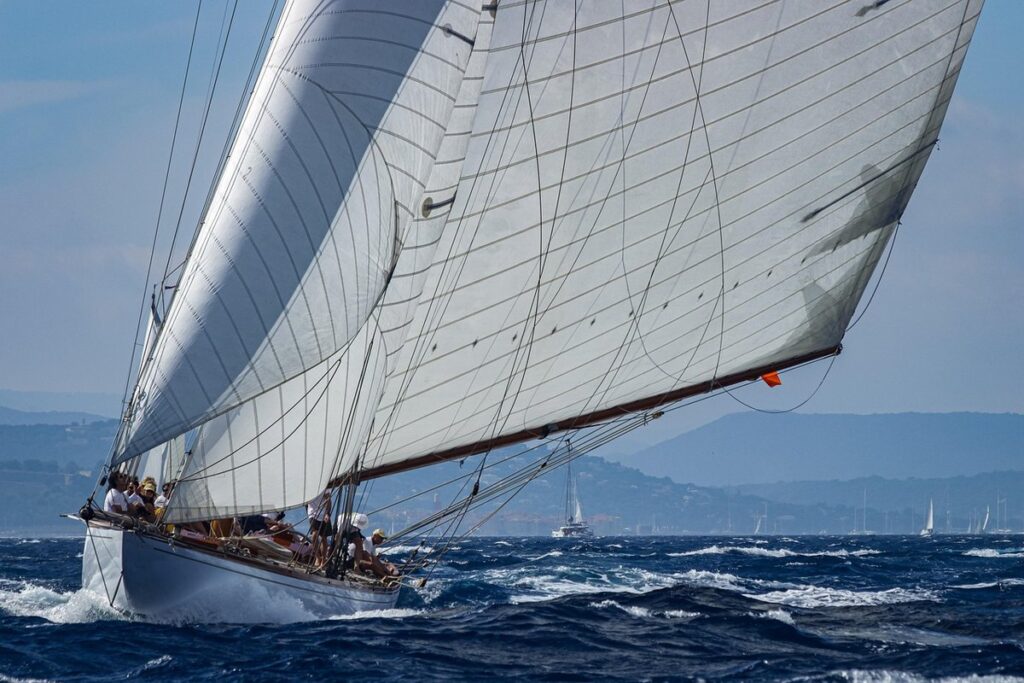
The French Riviera offers a diverse range of water sports and activities for visitors to enjoy. Sailing is a popular pastime, with numerous marinas and yacht clubs along the coast offering boat rentals and charters. You can take a guided tour or rent a sailboat to explore the crystal-clear waters and picturesque coves.
Snorkeling and scuba diving are also excellent ways to experience the region’s marine life. The clear waters allow for visibility of up to 30 meters, making it an ideal destination for spotting sea turtles, rays, and colorful fish. Popular spots include the Calanques de Cassis and the Îles d’Hyères.
Kayaking and stand-up paddleboarding are great options for exploring the coastline from a different perspective. Many rental shops offer guided tours or self-guided rentals, allowing you to discover hidden coves and inlets at your own pace. Windsurfing and kitesurfing are also popular activities, with many beaches offering lessons and equipment rentals.
Some of the best water sports locations include Villefranche-sur-Mer, Beaulieu-sur-Mer, and Saint-Tropez, where you can enjoy a variety of activities amidst stunning scenery.
Scenic Hiking Trails and Bays
The French Riviera’s scenic hiking trails offer breathtaking views of the Mediterranean coastline. One popular trail is the GR51, a 5-day hike from Nice to Èze that passes through picturesque villages and offers stunning vistas of the Baie des Fourmis. For those seeking a more leisurely pace, the Sentier du Littoral is a scenic coastal path that winds its way along the shore between Villefranche-sur-Mer and Saint-Jean-Cap-Ferrat.
In addition to these trails, there are many secluded bays along the French Riviera that are perfect for swimming and snorkeling. The Calanques de l’Estérel, near Fréjus, feature turquoise waters and towering cliffs, while the Baie des Anges, near Villefranche-sur-Mer, is a tranquil spot to soak up the sun.
If you’re planning to explore these bays by boat, consider renting a sailing or kayaking equipment from one of the local marinas. Many beaches along the French Riviera also offer water sports and activities, such as paddleboarding and jet-skiing. Be sure to check the weather forecast and sea conditions before heading out, and always follow safety guidelines when participating in water activities.
Culture, Cuisine, and Nightlife
From vibrant markets to Michelin-starred restaurants, and from stylish bars to world-class theaters, the French Riviera’s culture, cuisine, and nightlife are a true delight. Experience the essence of Côte d’Azur’s glamour.
Gastronomic Delights: Savoring the Flavors of Provence
The French Riviera’s cuisine is a true reflection of its Mediterranean heritage. The region’s gastronomic delights are heavily influenced by the abundance of fresh seafood, locally produced olive oil, and an assortment of aromatic herbs like thyme, rosemary, and lavender. A classic Provençal dish, Ratatouille, exemplifies this harmony, featuring eggplant, zucchini, bell peppers, tomatoes, garlic, and herbs all cooked in olive oil.
When exploring the region’s culinary scene, be sure to try some of the local specialties. Bouillabaisse, a hearty fish stew originating from Marseille, is a must-try. Another popular dish is Tarte Provençale, a savory tart filled with vegetables, cheese, and herbs. To truly experience the flavors of Provence, visit a local market or bakery to sample some fresh bread and pastries infused with olive oil and herbs.
Some essential ingredients to look out for when cooking Provençal cuisine include high-quality olive oil, fresh seafood, and an assortment of herbs like thyme and rosemary. To incorporate these flavors into your own cooking, try substituting olive oil for butter in sautéing vegetables or using a mixture of herbs to add depth to soups and stews.
The Art Scene on the French Riviera
The region’s vibrant art scene is a reflection of its cosmopolitan and avant-garde spirit. Visitors can explore an array of galleries showcasing works by local and international artists, from modern masterpieces to contemporary installations. The Palais des Arts in Nice hosts temporary exhibitions that draw crowds, while the Galerie Gagosian in Monaco features high-profile shows. In addition to these formal settings, street art installations are scattered throughout the region’s towns and villages.
The cities of Nice and Marseille have been hubs for urban art since the 1990s. Street artists like JR and Invader have left their mark on the area’s walls, creating interactive experiences that bring the community together. A stroll through the historic quarter of Vieux-Nice reveals vibrant murals that add to its charm.
When exploring the region’s art scene, consider visiting during peak season (June-September) when new exhibitions are launched and festivals take place. Some notable events include the Nice Jazz Festival, which often features visual arts installations alongside music performances.
Nightlife in the French Riviera: From Casinos to Beach Clubs
The French Riviera’s nightlife scene is as vibrant as its sun-kissed days. While many visitors flock to the beaches and scenic hiking trails, others are drawn to the region’s luxurious casinos and lively beach clubs. The famous Casino de Monte-Carlo in Monaco offers an opulent gaming experience with high-stakes tables and exclusive events. In contrast, the beach clubs along the coast offer a more laid-back atmosphere, often with DJ sets and live music.
The most popular beach clubs are typically found in Saint-Tropez and Cannes, where you can enjoy cocktails and seafood while taking in the sunset. Some popular spots include Nikki Beach, Les Caves du Roy, and Eden Roc. These establishments often have a dress code, so it’s essential to check ahead of time to avoid any issues.
When choosing between these options, consider what type of experience you’re looking for: the high-roller atmosphere of the casinos or the lively party scene at the beach clubs. If you prefer something more low-key, many towns along the coast have their own local nightlife, often centered around charming bistros and bars serving wine and small plates.
Getting There and Around
To get the most out of your French Riviera trip, you’ll want to know how to navigate its scenic coastline and charming towns by car, train, or on foot. From airport transfers to local transportation options, we’ve got you covered.
Travel Options: Airports, Train Stations, and Car Rentals
Traveling to the French Riviera is relatively straightforward, with several airports serving as entry points. The largest international airport on the Côte d’Azur is Nice Côte d’Azur Airport (NCE), which receives flights from major European and global carriers. Marseille Provence Airport (MRS) is another significant hub, offering connections to destinations in Europe, Africa, and Asia.
If you prefer to travel by train, the French Riviera is well-connected to the rest of France via the TGV high-speed rail network. The main stations are Nice Saint-Augustin, Cannes, and Antibes. Train frequencies vary depending on the route and time of day, but you can expect regular departures to major cities like Paris and Lyon.
Renting a car provides flexibility for exploring the region’s scenic roads and hidden coves. Major car rental companies have desks at both airports, while local operators offer a range of vehicles from economy cars to luxury convertibles. Be aware that driving in peak season (June to September) can be challenging due to heavy traffic. Consider using public transportation or booking a driver for the day if you’re not comfortable navigating narrow coastal roads.
Accommodation Options: Hotels, Villas, and Vacation Rentals
From luxurious hotels to private villas, the French Riviera offers a diverse range of accommodation options to suit every taste and budget. When it comes to hotels, you’ll find everything from 5-star resorts like the Hotel du Cap-Eden-Roc in Antibes to boutique hotels like the Les Strelitzias in Nice. These properties often come with stunning views of the Mediterranean, top-notch amenities, and exceptional service.
For a more secluded experience, consider renting a private villa. Many villas are located in prime spots overlooking the sea or nestled among olive groves, offering breathtaking views and tranquil surroundings. Some popular areas to find villas include Saint-Tropez, Villefranche-sur-Mer, and Cap Ferrat.
Vacation rentals, including apartments and houses, are another excellent option for those seeking more space and flexibility. Websites like Airbnb, VRBO, and HomeAway offer a wide selection of properties in various locations throughout the French Riviera. When choosing a vacation rental, be sure to read reviews carefully and check the location’s proximity to public transportation and amenities.
When selecting an accommodation type, consider your priorities: if luxury amenities are key, opt for a high-end hotel; if seclusion is desired, rent a private villa; and for flexibility and affordability, choose a vacation rental.
Planning Your Trip and Tips for Visitors
Before you arrive on the French Riviera, it’s essential to plan your trip wisely to make the most of your time. We’ll share our top tips on where to go, what to do, and how to navigate this stunning destination.
When to Visit: Best Time to Explore the French Riviera
The best time to visit the French Riviera depends on your preferences regarding weather and tourist season. The region’s climate is typically Mediterranean, with warm summers and mild winters. Peak tourist season runs from June to September, when temperatures often reach the mid-80s (°F). This period offers clear skies, gentle sea breezes, and an extensive range of outdoor activities.
However, it also means higher prices for accommodations and flights. If you’re looking for a more relaxed atmosphere and lower costs, consider visiting during shoulder season – April to May or September to October. These periods still offer pleasant weather, with average highs in the mid-60s to low 70s (°F).
Keep in mind that these periods can be busier than usual, especially around Easter and the Cannes Film Festival in May. If you’re interested in specific events or activities, research their schedules and plan accordingly. Winter months are ideal for those seeking a more serene experience, with fewer tourists and lower prices. Just expect some cooler temperatures and possible rain showers.
Budgeting and Staying Within Your Means
Accommodation costs on the French Riviera can range from affordable apartments to luxurious villas. To stay within your means, consider booking a hotel or apartment outside of popular towns like Saint-Tropez and Cannes. You’ll find more affordable options in nearby villages like Villefranche-sur-Mer or Èze.
Daily expenses also vary greatly depending on your lifestyle. Eating at local markets or food stalls can be very budget-friendly, with meals starting from around €5-€10 (£4-£8). Mid-range restaurants typically charge between €20-€40 (£16-£32) per meal, while fine dining experiences can cost upwards of €50-€100 (£40-£80).
To give you a better idea of costs, here are some approximate prices for common activities:
- Bus ticket: €1.50-€2 (£1.20-£1.60)
- Water sports rental (e.g., kayak or paddleboard): €15-€30 (£12-£24) per hour
- Guided hike: €10-€20 (£8-£16) per person
It’s also essential to factor in the cost of transportation between destinations, which can range from €50-€100 (£40-£80) for a one-way taxi ride. To save money on transportation, consider renting a bike or using public buses and trains.
Frequently Asked Questions
What if I’m traveling on a budget and can’t afford luxury accommodations in the French Riviera?
If you’re traveling on a budget, consider staying in a smaller town or village outside of the main tourist areas. You can find affordable vacation rentals or hostels that are still within walking distance to beaches and amenities.
How do I plan my itinerary for the best experience in the French Riviera during peak season?
To make the most of your trip, research popular events and festivals happening during your visit and plan your activities around them. Prioritize visiting less crowded areas like Villefranche-sur-Mer or Beaulieu-sur-Mer.
Can I bring my pet to the French Riviera, and what are some pet-friendly accommodations and activities?
Yes, many hotels and vacation rentals in the French Riviera allow pets, but be sure to book in advance. Some popular pet-friendly beaches include Plage de la Croisette in Cannes and Plage des Sablettes in Saint-Tropez.
How do I get around the French Riviera without a car, especially if I have mobility issues?
The French Riviera has an excellent public transportation system, including buses and trains that connect major towns and cities. Many beaches also offer wheelchair-accessible ramps and facilities.
What are some tips for avoiding tourist traps and finding authentic local experiences in the French Riviera?
To experience the authentic side of the French Riviera, venture off the beaten path to smaller villages like Èze or Tanneron. Try visiting local markets, trying regional specialties at family-run restaurants, and engaging with locals who can share their insider knowledge.