Imagine strolling along the picturesque beaches of the French Riviera, soaking up the sun-kissed Mediterranean charm. This stunning stretch of coastline in southeastern France is renowned for its breathtaking geography, rich history, and luxurious destinations that exude elegance and refinement. But what makes the French Riviera truly unforgettable is the perfect blend of relaxation, culture, and adventure that awaits you on every corner. From the majestic Alps to the crystal-clear waters of the Côte d’Azur, this region is a treasure trove of natural beauty, fascinating history, and world-class amenities. In this article, we’ll take you on an insider’s tour of the French Riviera’s most stunning beaches, hiking trails, wine regions, and high-end accommodations – get ready to plan your dream trip and make unforgettable memories in one of Europe’s most coveted destinations.
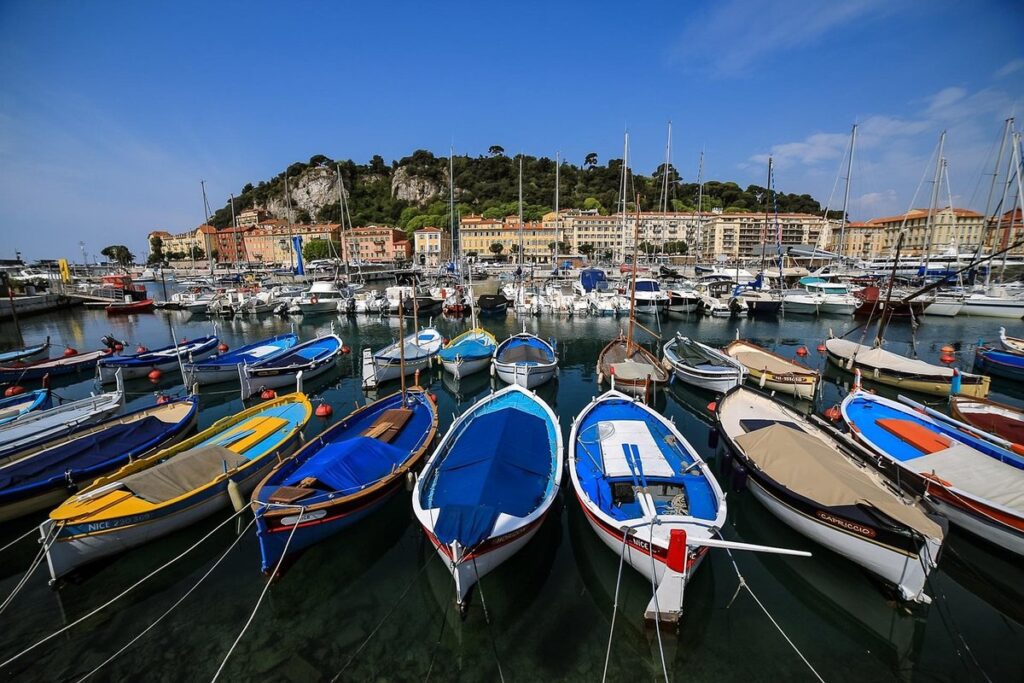
Understanding the French Riviera’s Geography
The French Riviera’s stunning coastline is a product of its unique geography, shaped by rugged mountains and crystal-clear waters that meet in breathtaking harmony. Let’s start by understanding how this distinctive landscape was formed.
The Region’s Unique Landscape
The French Riviera’s unique landscape is characterized by a dramatic interplay between mountains and sea. The region’s backbone is formed by the Préalpes de Nice and the Mercantour National Park, where granite peaks rise abruptly from the Mediterranean coast. In contrast to these rugged mountain ranges, the coastal plain is gently sloping, providing a perfect setting for some of Europe’s most stunning beaches. The hillsides are dotted with picturesque villages, their terracotta-roofed houses tumbling down to the sea.
One notable feature of the region’s landscape is the numerous ravines and gorges carved out by ancient rivers. These waterways have created narrow valleys that offer a glimpse into the region’s natural history. Visitors can explore these areas on foot or by bike, taking in the breathtaking views and spotting local flora and fauna along the way.
As you explore the French Riviera, keep an eye out for the area’s unique geological formations. The Calanques de Piana, near Corsica, are a series of towering limestone cliffs that plunge into turquoise waters below. These natural wonders are steeped in history and offer unparalleled opportunities for outdoor adventure and exploration.
Climate and Weather Patterns
The French Riviera boasts a Mediterranean climate, characterized by mild winters and warm summers. Temperatures fluctuate between these seasons, with average January temperatures ranging from 39°F (4°C) in the north to 48°F (9°C) in the south. The summer months, June through August, bring highs of around 75-85°F (24-29°C), while September and October offer pleasant temperatures, often reaching the mid-70s Fahrenheit.
Rainfall is scarce along the French Riviera, with most areas receiving less than 20 inches (500 mm) annually. The winter months are the wettest, but even then, the rainfall is usually confined to short, intense storms. Sunshine hours are abundant, with an average of 7-8 hours per day during the summer and 5-6 hours in the winter.
Understanding these climate patterns can help you plan your visit. If you’re looking for a beach vacation, the summer months are ideal. However, if you prefer milder weather without the crowds, consider visiting in the shoulder season, April-May or September-October. Keep in mind that the French Riviera’s climate is generally more pleasant than many other Mediterranean destinations due to its proximity to the sea and the moderating influence of the Gulf Stream.
History and Culture of the French Riviera
The French Riviera’s rich history and cultural heritage are deeply intertwined, reflecting centuries of Mediterranean influences on its stunning landscapes. Let’s explore the historical roots that have shaped this picturesque region.
Ancient Settlements and Roman Influence
The French Riviera’s rich history dates back to ancient times, with settlements established by the Greeks and Phoenicians. The strategic location of the region made it an ideal spot for trade and commerce, with cities like Antibes and Nice becoming significant centers of activity. Roman influence soon followed, leaving a lasting impact on the region’s culture and architecture.
The Romans introduced their own brand of urban planning, building roads, bridges, and public buildings that still stand today. Many of these ancient structures have been beautifully restored and now serve as museums, galleries, or even private residences. For example, the Roman ruins in Cimiez, Nice, offer a glimpse into life during this period.
The legacy of these early civilizations can be seen in the region’s distinctive architecture, with elements like arches, columns, and ornate facades still prevalent today. Visitors can experience the charm of ancient Greece and Rome firsthand by exploring the historic districts and landmarks along the French Riviera. Be sure to wander through the narrow streets of Nice’s Old Town or stroll along Antibes’ picturesque ramparts to absorb the region’s rich history.
The Renaissance and Belle Époque Eras
During the 16th-century Renaissance, the French Riviera experienced a significant cultural transformation. The region’s picturesque landscapes and mild climate attracted artists, writers, and intellectuals from across Europe. Cities like Nice and Cannes became hubs for artistic expression, with prominent figures such as Claude Monet and Henri Matisse frequenting these locations to capture the area’s breathtaking light.
The Belle Époque era, spanning from the late 19th to early 20th centuries, saw the French Riviera undergo a period of rapid growth and modernization. The construction of luxurious hotels, casinos, and villas catered to the wealthy elite, who flocked to the region for its charm and beauty. This influx of visitors led to the development of a distinct architectural style, characterized by Belle Époque’s ornate facades, intricate details, and grand proportions.
Many of these iconic buildings still stand today, showcasing the region’s rich cultural heritage. Visitors can explore these historic sites, such as the Villa Rothschild in Cannes or the Hôtel Beau-Rivage in Nice, to gain a deeper understanding of the French Riviera’s artistic and architectural evolution during this pivotal period.
Popular Destinations Along the French Riviera
One of the most iconic and stunning coastlines in the world, the French Riviera boasts an incredible array of breathtaking destinations to explore. From glamorous resorts to picturesque villages, each has its own unique charm waiting to be discovered.
Monaco: A Sovereign City-State
Located on a two-square-kilometer peninsula, Monaco is an independent city-state surrounded by France. Its unique sovereignty allows it to maintain its own government, currency, and laws. This blend of independence and luxury makes Monaco a fascinating destination for visitors.
Monaco’s attractions are numerous, with popular spots including the Prince’s Palace, which serves as both a royal residence and a museum. The Grand Prix circuit is another iconic landmark, hosting one of the world’s most prestigious Formula One racing events every year. For those looking to relax on the beach, Monaco has several picturesque options, such as Larvotto Beach and Fontvieille Beach.
Cultural events also abound in Monaco, with the annual Monaco Jazz Festival being a highlight. The Monaco Yacht Show, held every September, showcases some of the world’s most impressive superyachts. Visitors can experience the city-state’s unique blend of French and Mediterranean influences through its cuisine, fashion, and art scene. With its stunning architecture, breathtaking views, and exclusive atmosphere, Monaco is an unforgettable destination that combines luxury with a dash of independence.
Cannes: The Film Festival Capital
Cannes is renowned for its annual film festival, a 12-day event that draws international attention to the city’s Croisette promenade. Held since 1939, the festival showcases new releases and premieres, with an emphasis on innovative storytelling and cinematic techniques. You can experience the glamour of the festival even when it’s not in session by strolling along La Croisette, where you’ll find luxury boutiques, art galleries, and fine dining restaurants.
Other cultural attractions in Cannes include the Musée d’Art et d’Histoire de la Ville de Cannes, which features a collection of modern and contemporary art. The Palais des Congrès et de l’Exposition is another notable venue, hosting concerts, theater performances, and exhibitions throughout the year. Additionally, the Espace Miramar arts center offers regular screenings of independent films and documentaries.
When attending the film festival or visiting Cannes during a non-festival period, consider purchasing tickets for the opening ceremonies or red-carpet events to experience the excitement firsthand. For those interested in behind-the-scenes tours, there are guided excursions available that provide insight into the city’s cinematic history and architecture.
Outdoor Activities and Sports
From hiking through the picturesque villages of Provence to sailing along the stunning Côte d’Azur, the French Riviera offers a diverse range of outdoor activities. You’ll find plenty of opportunities to get active and enjoy nature’s beauty.
Beaches and Swimming Spots
The French Riviera boasts some of the most picturesque beaches in Europe. From popular destinations like Juan-les-Pins and Antibes to hidden gems like Villefranche-sur-Mer, there’s a beach for every taste. For those seeking seclusion, try Calanque de Sugiton near Marseille, where towering cliffs plunge into turquoise waters.
In addition to its tranquil atmosphere, the region offers an array of swimming spots. The crystal-clear waters at Plage de la Garoupe in Villefranche-sur-Mer are perfect for a leisurely swim or snorkeling excursion. Further north, the beaches of Saint-Tropez, such as Plage des Salins and Plage de la Ponche, offer a mix of calm and lively spots.
Consider visiting during shoulder season (April-May or September-October) to avoid crowds and enjoy comfortable temperatures. Many beaches are accessible via public transportation or bike paths, making it easy to explore the coastline on two wheels. Some beaches also offer equipment rentals for kayaks, paddleboards, and other water sports.
Hiking and Cycling Trails
The French Riviera’s diverse landscape offers a wealth of opportunities for hikers and cyclists of all levels. For beginners, the GR51 trail is an excellent choice, offering breathtaking views of the Mediterranean Sea while traversing through picturesque villages and forests. This 12km trail takes approximately three to four hours to complete and provides a gentle introduction to hiking in the region.
Experienced adventurers can explore more challenging trails such as the Sentier de la Croix de Fer, which winds its way up to the summit of the Mercantour National Park’s highest peak. Alternatively, cyclists can follow the scenic coastal route from Nice to Menton, taking in stunning views of the sea and surrounding mountains.
Many trailheads and bike rental shops offer guided tours and equipment for hire, making it easy for visitors to explore the region on two wheels or by foot. The key to a successful hike or cycle is to choose trails that suit your fitness level and interests. Be sure to check the weather forecast before heading out and pack accordingly, as sudden rain showers can quickly turn mountain paths into muddy quagmires.
Food and Wine of the French Riviera
The culinary delights of the French Riviera are as exquisite as its scenery, where fresh seafood, local produce, and fine wines come together in a truly unforgettable gastronomic experience.
Provençal Cuisine
Provençal cuisine is a reflection of the region’s rich agricultural heritage and Mediterranean climate. The flavors and ingredients that define Provençal cooking are deeply rooted in the local terroir, with an emphasis on fresh vegetables, fruits, and herbs from the surrounding countryside.
Traditional dishes such as ratatouille, a vegetable stew originating from Nice, and daube provençale, a hearty beef stew from the Var region, showcase the simplicity and elegance of Provençal cuisine. Local specialties like tarte provençale, a savory tart filled with goat cheese and herbs, and pissaladière, a thin crust topped with onions and anchovies, demonstrate the region’s love for bold flavors and simple presentation.
When exploring Provençal cuisine, be sure to try some of the local olive oils and wines that complement these dishes perfectly. A visit to a traditional market or bakery in towns like Arles or Marseille will give you a taste of the fresh produce and artisanal products that fuel the region’s culinary scene. By experiencing Provençal cuisine firsthand, you’ll discover why this unique blend of flavors has captivated food lovers for generations.
Wine Regions and Tasting Experiences
The French Riviera is renowned for its exceptional wine production, with several distinct regions offering unique tasting experiences. The most notable region is Provence, where you can explore vineyards like Château d’Esclans and Domaine Tempier. These estates offer guided tours, allowing visitors to delve into the intricacies of winemaking processes.
During your visit, be sure to participate in local wine festivals, such as the Festival des Vins de Provence, which takes place in October. This event showcases a variety of wines from the region and provides an excellent opportunity to taste different vintages. Some popular wine tastings can also be found at the Caves Saint-Michel in Nice, where you can sample wines from various local producers.
A visit to the vineyards of Bandol is another must-try experience, as this region produces some of the finest rosé wines in France. Be sure to plan your visit during the harvest season (September-October) for a truly immersive experience. With its picturesque landscape and exceptional wine quality, exploring the French Riviera’s wine regions is an essential part of any trip to the area.
Luxury and Relaxation on the French Riviera
Imagine yourself strolling along the picturesque beaches of Saint-Tropez, surrounded by crystal-clear waters and luxurious villas. This idyllic setting is just one example of the French Riviera’s unparalleled luxury and relaxation offerings.
High-End Accommodations
The French Riviera’s luxury hotels, resorts, and villas are renowned for their opulence and exceptional service. You’ll find some of the world’s most prestigious hotels, each offering a unique experience tailored to individual tastes. For example, the Hotel du Cap-Eden-Roc in Antibes is a 19th-century villa that has hosted royalty and celebrities over the years.
Other notable establishments include the Hotel Belles Rives in Juan-les-Pins, which boasts elegant Art Deco design, and the Hôtel Métropole in Nice, offering luxurious rooms with stunning views of the Baie des Anges. For those seeking a more private retreat, renting a villa is also an excellent option.
When choosing your high-end accommodation, consider the location – some hotels are situated directly on the beach, while others offer panoramic views of the surrounding landscape. Be sure to research and book well in advance, especially during peak season (June to September). Some luxury hotels also offer private beaches, spas, and wellness centers, so be sure to explore these amenities before making your final decision.
Many luxury hotels along the French Riviera are part of prestigious chains like Four Seasons or Belmond.
Spa and Wellness Centers
The French Riviera is renowned for its luxurious spas and wellness centers, offering a tranquil escape from the stresses of everyday life. One standout destination is the Thermes Marins by La Mer at the Hotel de Paris Monte-Carlo, which features an extensive range of treatments incorporating La Mer’s signature skincare products. Guests can indulge in bespoke facials, massages, and other rejuvenating therapies amidst stunning views of the Mediterranean.
Another notable spa is the Thermes Monte-Carlo, a pioneering wellness center that combines cutting-edge technology with holistic practices. Its unique offerings include cryotherapy sessions, ozone therapy, and personalized nutrition planning. The spa’s expert staff provide guidance on creating a tailored wellness program to suit individual needs.
For those seeking a more intimate experience, private villas with in-villa spas are also available along the French Riviera. These secluded retreats offer ultimate relaxation and flexibility, allowing guests to enjoy treatments in the comfort of their own surroundings. Some notable options include the Four Seasons Resort Monte Carlo’s lavish villa suites and the Hotel du Cap-Eden-Roc’s serene private villas.
Frequently Asked Questions
Can I drive along the entire French Riviera coast?
Yes, but be prepared for narrow roads and scenic detours. The main coastal route is well-marked, but you may encounter occasional road closures due to weather or maintenance. Plan ahead and consider renting a GPS device or downloading a mapping app for the best navigation.
What if I’m not a fan of crowded beaches? Are there any secluded spots?
Yes, many of the French Riviera’s beaches are smaller and less crowded than popular destinations like Nice or Cannes. Look for secluded coves and hidden gems in areas like Villefranche-sur-Mer or Èze, where you can enjoy a more peaceful beach experience.
How do I plan a wine tasting tour along the French Riviera?
Start by selecting a region, such as Provence or the Côte d’Azur. Research local wineries and vineyards that offer tours and tastings. Consider hiring a private guide or joining a group tour to make the most of your experience. Be sure to book ahead, especially during peak season.
Can I hike from one town to another along the French Riviera?
Yes, the region offers many trails for hikers of all levels. However, be aware that some sections may involve steep inclines or uneven terrain. Plan your route in advance and consider hiring a guide if you’re unsure about trail conditions or navigation.
Is it possible to visit the French Riviera on a budget? Any affordable options?
Yes, while luxury resorts are plentiful, there are also many affordable accommodations and activities available. Consider staying in smaller towns like Antibes or Juan-les-Pins, which offer more budget-friendly options. Look for free or low-cost attractions like beaches, markets, and local festivals to make the most of your trip without breaking the bank.