As the calendar flips through the seasons, a kaleidoscope of festivals erupts around the globe, each one a vibrant celebration of the changing times. From the spring equinox’s renewal in Japan to the winter solstice’s magic in ancient Europe, every season has its own unique traditions, foods, and music that make each celebration special. You might be familiar with the likes of Carnaval in Brazil or the Tomatina festival in Spain, but there’s a whole world of seasonal festivals waiting to be explored. In this article, we’ll take you on a journey to discover the most fascinating and lesser-known festivals around the world, from the cherry blossom viewing in Japan to the winter wonderland of Lapland. By the end of this article, you’ll know how to plan a trip to experience the world’s most enchanting seasonal festivals, and what to expect from each of these unforgettable celebrations.
Celebrating Spring: Festivals from Renewal to Renewal
As spring awakens, vibrant festivals erupt across the globe, celebrating renewal and rebirth in all their colorful glory. Let’s take a closer look at some of these stunning springtime celebrations.
Spring Equinox Celebrations in the Northern Hemisphere
The spring equinox, typically falling on March 20 or 21 in the Northern Hemisphere, marks a pivotal moment in the calendar. As the sun’s path across the sky shifts, day and night become equal in length, signaling the beginning of spring. This significant event has been celebrated by various cultures for centuries.
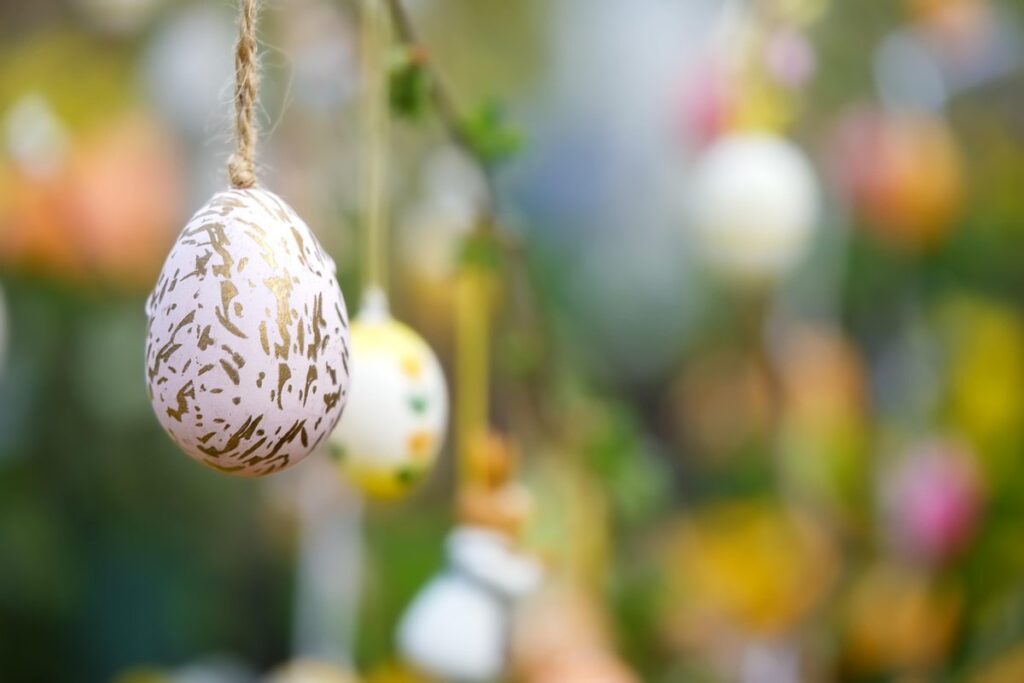
One prominent festival tied to the spring equinox is Ostara, observed in Germany, the United Kingdom, and other parts of Europe. Ostara honors the goddess of spring, often depicted as a maiden carrying eggs and flowers. Celebrants decorate eggs, plant seeds, and hold feasts to mark the occasion. In Japan, Higan, or “spring equinox day,” is a time to honor ancestors. Families often visit graves, clean and decorate them with flowers, and hold ceremonies to pay respects to their loved ones.
To incorporate the spring equinox into your celebrations, consider hosting a spring-themed dinner or gathering. Decorate your space with blooms, greenery, and pastel colors to evoke the season’s renewal. You could also plant a small garden or start seeds indoors to symbolize new life.
Nowruz: A Persian New Year Celebration
Nowruz, the Persian New Year celebration, marks the beginning of spring and the renewal of life. This ancient festival has its roots in Zoroastrianism, dating back over 3,000 years to the time of the Achaemenid Empire. For Persians around the world, Nowruz is a time for new beginnings and a fresh start.
One of the key traditions of Nowruz is spring cleaning, known as “khaneh takani.” This involves thoroughly cleaning and organizing the home, often with the help of family and friends. The goal is to create a clean and welcoming space for the new year, free from the dust and clutter of the past. Many people also decorate their homes with traditional flowers, such as tulips and hyacinths, and exchange gifts with loved ones.
Nowruz is a time for renewal and rejuvenation, and many people use the holiday as an opportunity to reflect on the past year and set new goals for the future. In Iran, for example, families often gather together to share traditional foods, such as sabzi polo (herbed rice) and fesenjan (chicken in a pomegranate sauce), and to participate in festive activities, like playing the traditional instrument, the tar.
Cherry Blossom Festivals in Japan
In Japan, the iconic cherry blossom festivals, or Hanami, are a beloved tradition. These events celebrate the fleeting beauty of the blossoms, which typically bloom for just a few weeks in late March and early April. Hanami is not just a celebration of nature’s beauty, but also a time for socializing and community bonding.
During Hanami, families and friends gather in parks and gardens to admire the blossoms, often with a picnic or barbecue. The most famous Hanami spot is the Ueno Park in Tokyo, which attracts millions of visitors each year. Other popular spots include the Maruyama Park in Kyoto and the Philosopher’s Path in Tokyo.
The cultural significance of Hanami goes beyond just admiring the blossoms. It’s a time to appreciate the fleeting nature of life and to appreciate the beauty in the present moment. Visitors to Japan can experience Hanami by attending a traditional tea ceremony, taking a stroll through a park filled with blossoming trees, or joining a picnic with locals.
Vibrant Summer Festivals: Music, Food, and Fun
Summer is a time for vibrant festivals that bring communities together with music, delicious food, and fun activities that create lifelong memories for all who attend. From jazz to folk, there’s something for every taste.
Tomatina: Spain’s Famous Tomato Fight Festival
In the small town of Buñol, Spain, a peculiar celebration takes place every year on the last Wednesday of August. The Tomatina festival has been a beloved tradition since 1945, when a group of locals accidentally started a food fight during a parade. The event has since evolved into a joyous, messy spectacle that attracts tourists from around the world. Participants don protective goggles and gloves, then engage in a 90-minute tomato-throwing frenzy. The event’s organizers estimate that over 150,000 kilograms of tomatoes are used each year.
The Tomatina festival is a unique celebration that showcases the carefree spirit of Spanish culture. It’s a time for people to let loose, have fun, and forget their troubles. While it may seem chaotic, the festival has a few rules in place to ensure everyone’s safety. For example, participants must wear the provided goggles and gloves, and the tomato-throwing must stop when the signal is given. If you’re planning to attend, be prepared to get messy and have a good time! The festival is a once-in-a-lifetime experience that’s not to be missed.
Mardi Gras: A Carnival Celebration of Music and Color
Mardi Gras is one of the most iconic and vibrant festivals around the world, originating from medieval Europe. The name itself, French for “Fat Tuesday,” refers to the last day of indulgence before the Christian season of Lent. This carnival celebration has evolved into a spectacular display of music, color, and self-expression, with parades, masquerade balls, and street parties taking center stage.
At its core, Mardi Gras is a celebration of community and creativity. The festival’s signature events, such as the Rex Organization’s parade in New Orleans, feature elaborately decorated floats, marching bands, and costumed performers. The iconic purple, green, and gold colors of the festival are a nod to the rich history and cultural heritage of the city. Attendees can expect to immerse themselves in a kaleidoscope of music, from jazz to brass bands, and sample a variety of traditional Creole and Cajun cuisine.
For those who want to experience Mardi Gras firsthand, plan to visit New Orleans in late winter, typically in February or early March. Be prepared for crowds, but also be ready to let loose and join in the revelry. With its unique blend of music, art, and community spirit, Mardi Gras is an unforgettable experience that embodies the true spirit of celebration and joy.
Obon Festival: Honoring the Ancestors in Japan
The Obon Festival is a significant Buddhist holiday in Japan, honoring the spirits of one’s ancestors. Its origins date back to the 13th century, when a young girl named Mokuren is said to have discovered the bones of her father, a Buddhist priest, and helped him return to the afterlife. This legend led to the development of the Bon festival, which was later influenced by Buddhism and became Obon.
During Obon, families typically prepare for the return of their ancestors’ spirits by cleaning their homes, visiting family graves, and performing traditional dances, such as the Bon Odori. These dances are often accompanied by music and the lighting of lanterns to guide the spirits back to their loved ones. In many regions, people also release floating lanterns onto rivers and oceans to carry the spirits back to the afterlife.
To participate in the Obon Festival, visitors can attend a local Bon Odori dance performance or join in on the festivities at a family-owned shrine or temple. They can also try traditional foods, such as kakinoha-zushi (persimmon leaf sushi), and participate in the release of floating lanterns. By engaging in these activities, visitors can experience the rich cultural heritage and spiritual significance of the Obon Festival.
Autumn Leaves and Harvest Festivals
As we welcome the crisp air and vibrant hues of autumn, let’s explore the festive traditions that celebrate the season’s bounty, from Japan’s stunning koyo to North America’s harvest hayrides.
Thanksgiving: A Harvest Celebration in the United States
In the United States, Thanksgiving is a harvest celebration steeped in history and tradition. The first Thanksgiving took place in 1621 when European colonizers, the Pilgrims, held a feast with the Wampanoag Native American tribe to celebrate their first successful harvest. This early gathering was not only a time for food and merriment but also a chance for the two cultures to come together and share in the abundance of the land.
Today, Thanksgiving is celebrated on the fourth Thursday of November, typically with families and friends gathering for a large meal featuring traditional dishes such as roasted turkey, mashed potatoes, and pumpkin pie. While the menu may have changed over time, the core spirit of the holiday remains the same: gratitude and appreciation for the harvest.
One key aspect of Thanksgiving is its cultural significance. The holiday has evolved to become an important part of American identity, symbolizing the country’s values of gratitude, community, and generosity. Many families also incorporate personal traditions and stories into their celebrations, making each Thanksgiving unique and meaningful.
Oktoberfest: A German Beer Festival
Oktoberfest is one of the world’s most famous festivals, held annually in Munich, Bavaria, Germany. The celebration has its roots in a 16th-century marriage between Ludwig I, the Duke of Bavaria, and his bride, but it didn’t become a large-scale event until the early 19th century. Today, Oktoberfest is a 16-day extravaganza that attracts millions of visitors from around the globe.
The festival is all about beer, with over 6 million liters consumed each year. The traditional brews are served in one-liter steins, and visitors can sample a variety of local beers. However, Oktoberfest is not just about drinking; it’s also a cultural celebration with traditional Bavarian food, music, and dancing. Visitors can enjoy classic dishes like bratwurst, schnitzel, and sauerkraut, as well as watch traditional folk dances like the polka and the schuhplattler.
To experience Oktoberfest like a local, visitors should arrive early to secure a spot at a traditional beer garden. It’s also essential to dress in traditional Bavarian attire, which typically includes a dirndl for women and a lederhosen for men. By immersing themselves in the festive atmosphere and trying the local cuisine and drinks, visitors can truly experience the spirit of Oktoberfest.
Autumn Leaf Festivals in China: A Season of Change
China’s autumn leaf festivals are a celebration of the fleeting beauty of fall foliage. Held in various regions, these festivals showcase the vibrant colors of the changing leaves, attracting tourists from around the world. The most popular autumn leaf festival takes place in the Wuyi Mountains, where visitors can hike through the scenic mountains and enjoy the stunning views.
The cultural significance of these festivals lies in their connection to China’s rich heritage. Autumn has long been associated with harvest and renewal, and the festivals serve as a reminder of the changing seasons. Visitors can experience traditional performances, try local cuisine, and participate in cultural activities such as calligraphy and traditional Chinese painting.
Tourism plays a significant role in these festivals, with many hotels and resorts offering special packages and deals. The festivals also create opportunities for local communities to showcase their products and services, from handicrafts to accommodations. Visitors can take advantage of these opportunities by planning ahead and booking accommodations and activities in advance. By experiencing these festivals firsthand, travelers can gain a deeper appreciation for China’s natural beauty and rich cultural heritage.
Winter Wonderland: Festivals of Light and Joy
Get ready to be enchanted by the magical winter festivals that illuminate the globe, from twinkling lights to joyful celebrations, each one a true winter wonderland experience.
Hanukkah: The Festival of Lights
Hanukkah is a Jewish festival that commemorates the rededication of the Second Temple in Jerusalem during the Maccabean Revolt of the 2nd century BCE. The festival is often referred to as the Festival of Lights, due to the tradition of lighting the menorah, a candelabrum with nine branches, for eight nights. The story behind Hanukkah is that a small group of Jewish rebels, the Maccabees, fought against the Syrian-Greek army and miraculously defeated them, reclaiming the Temple.
During Hanukkah, families gather together to light the menorah, often in a window or door, to symbolize the miracle of the oil that burned for eight days. Traditional foods, such as latkes (potato pancakes) and sufganiyot (jelly-filled doughnuts), are also prepared and eaten during the festival. Children often receive gifts, play games, and participate in activities, such as spinning the dreidel, a four-sided top with Hebrew letters on each side. The festival is a time for family, community, and celebration, and its traditions have been observed for centuries.
Christmas Around the World: A Celebration of Light and Joy
Christmas is a time for joy, giving, and celebration, but the way it’s observed varies greatly around the world. In Germany, Christmas markets are a staple, offering traditional food, drinks, and handmade crafts. Visitors can sample glühwein, a warm spiced wine, and stroll through the festive stalls, taking in the sights and sounds.
In Italy, the focus is on food and family. The Feast of the Seven Fishes is a traditional Christmas Eve celebration, featuring seven seafood dishes. The night is filled with laughter, music, and delicious food, as families come together to share in the holiday spirit.
In India, Christmas is a time for colorful decorations and vibrant processions. Christians in the country decorate their homes with stars, angels, and fairy lights, and attend midnight Mass, which is often followed by a feast of traditional sweets and snacks.
In Mexico, the Posada Christmas tradition is a reenactment of the journey of Mary and Joseph, with processions, music, and decorations. Families also exchange gifts and share in traditional foods, such as tamales and hot chocolate.
New Year’s Eve Celebrations: Around the World in 24 Hours
As the clock strikes midnight, the world comes alive with vibrant New Year’s Eve celebrations. From Tokyo to New York, Sydney to Rio, each city has its unique twist on the countdown to 12:00 AM. Fireworks light up the sky in a kaleidoscope of colors, accompanied by cheers, whistles, and joyful shouts. In Tokyo’s famous Shinjuku district, revellers gather to watch the stunning display of fireworks over the Tokyo Tower.
In some cultures, the countdown is a serious affair. In Spain, for example, people gather in cities like Madrid and Barcelona to watch the clock strike midnight, often accompanied by champagne toasts and romantic strolls. In contrast, the Chinese New Year is a more family-oriented celebration, with fireworks and dragon dances a key part of the festivities.
Some cities take the countdown to the next level with elaborate light and sound displays. The Sydney Opera House is transformed into a stunning light show, while Singapore’s Marina Bay Sands lights up the sky with a dazzling display of fireworks and lights. Whether you’re in a bustling city or a quiet village, New Year’s Eve is a time to come together and celebrate the start of a new year.
Food, Music, and Culture: Common Threads Among Festivals
Beyond the surface-level excitement of festivals lies a rich tapestry of traditions that weave together food, music, and culture in unique and fascinating ways. Let’s explore how these threads are woven throughout the world’s most iconic seasonal celebrations.
Traditional Foods: A Taste of Each Festival
One of the most delightful aspects of attending seasonal festivals is sampling the local cuisine. Traditional foods play a significant role in each celebration, often symbolizing the harvest season, renewal, or cultural heritage. For instance, during the Tomatina festival in Spain, participants enjoy a hearty meal of paella, tapas, and gazpacho, while the smell of sizzling chorizo wafts through the air. In Japan, the Obon festival features traditional dishes like mochi, manju, and sagara, which are often served at family gatherings.
In the United States, Thanksgiving is synonymous with roasted turkey, mashed potatoes, and pumpkin pie, while Oktoberfest in Germany is all about sausages, schnitzel, and Weisswurst. Chinese autumn leaf festivals showcase a variety of regional specialties, including steamed buns, stir-fried vegetables, and sweet potato cakes. When attending a seasonal festival, be sure to try the local specialties, as they often offer a glimpse into the culture and traditions of the community. Some popular dishes to look out for include Japan’s tempura, Mexico’s tamales, and India’s biryani.
Music and Dance: The Heart of Each Celebration
Music and dance play a vital role in each festival, serving as a means of expression and connection to the culture. In many celebrations, traditional music and dance are passed down through generations, with each community adding its unique twist. For example, the Japanese Obon Festival features traditional Bon Odori dances, which honor the spirits of ancestors. In Spain, Tomatina festival-goers dance through the streets, tomatoes in hand, as part of the celebration.
Music is often a key component of festivals, setting the tone and energy for the celebration. In Mardi Gras, jazz and brass bands fill the streets, while in India, the Holi festival features traditional folk music and dancing. The cultural significance of music and dance in these festivals cannot be overstated. They bring people together, creating a sense of community and shared experience.
In many festivals, music and dance also serve as a way to tell stories and share cultural heritage. For instance, the traditional Irish step dancing at the St. Patrick’s Day festival in the United States is a nod to the country’s rich cultural heritage. By incorporating traditional music and dance into your festival experience, you can gain a deeper understanding of the culture and create lasting memories.
Cultural Significance: What Festivals Say About a Culture
Festivals often reflect a culture’s values, history, and traditions. They bring people together, strengthening community bonds and passing down customs from one generation to the next. For example, the Japanese Obon Festival honors the spirits of ancestors, demonstrating the importance of family and respect for elders in Japanese culture. Similarly, the Indian festival of Holi celebrates the colors of spring and the triumph of good over evil, highlighting the themes of renewal and renewal.
When attending a festival, you can learn about the culture’s significance by observing local customs and traditions. For instance, at the Tomatina festival in Spain, participants throw tomatoes, but this is not just a messy celebration – it’s a nod to the region’s agricultural heritage and a way to reuse and recycle produce. To truly appreciate the cultural significance of a festival, take time to research its history, participate in local activities, and engage with the community.
By doing so, you’ll gain a deeper understanding of the cultural context and significance of each festival, allowing you to appreciate the rich diversity of seasonal celebrations around the world.
Frequently Asked Questions
Can I attend multiple seasonal festivals in one year?
Yes, many festivals take place at the same time every year, so attending multiple festivals is definitely possible. For example, you could visit Japan for the cherry blossom festival in spring and then head to Europe for Oktoberfest in autumn. With some planning, you can experience the unique traditions and celebrations of multiple cultures in one year.
How can I experience the local culture without feeling like a tourist?
Immerse yourself in the local customs by attending local festivals, trying traditional foods, and participating in cultural activities. Learn a few basic phrases in the local language, such as “hello” and “thank you,” to show respect for the culture. By being mindful of your surroundings and engaging with the local community, you can have a more authentic experience and avoid feeling like a tourist.
What if I’m unable to attend a festival in person?
Many festivals now offer virtual experiences, such as live streams or online events, allowing you to participate from anywhere in the world. You can also explore the festival’s website or social media channels to learn more about the traditions and cultural significance of the event. Additionally, you can try cooking traditional festival foods or attending cultural events in your local community to still experience the spirit of the festival.
How can I incorporate festival traditions into my daily life?
You can incorporate festival traditions into your daily life by adopting small habits, such as trying new foods, practicing mindfulness, or engaging in cultural activities. For example, you can start a spring cleaning tradition by decluttering your home and starting fresh each year. By embracing the spirit of festivals, you can create a more meaningful and connected life.
Can I plan a festival-themed vacation?
Yes, you can plan a festival-themed vacation by researching festivals that take place in the destination you’re visiting. Look for festivals that align with your interests and plan your itinerary around the event. Consider visiting during the off-season to avoid crowds and get a more authentic experience. With some research and planning, you can create a unique and memorable vacation experience.