
Japanese culture is rich in tradition and unique customs that have been passed down through generations. From the intricate designs found in traditional kimonos to the modern trends that dominate Tokyo’s streets, there’s no denying the distinct charm of Japanese society. You may be familiar with Japan’s reputation for discipline and respect for elders, but what lies beneath these surface-level observations? In this article, we’ll take a closer look at the values and etiquette that make Japanese culture stand out from the rest. We’ll explore the significance of traditional arts like calligraphy and woodworking, as well as the modern twists on these classic practices. By the end of this exploration, you’ll have a deeper understanding of what makes Japan’s culture so fascinating, allowing you to better appreciate its customs and values.
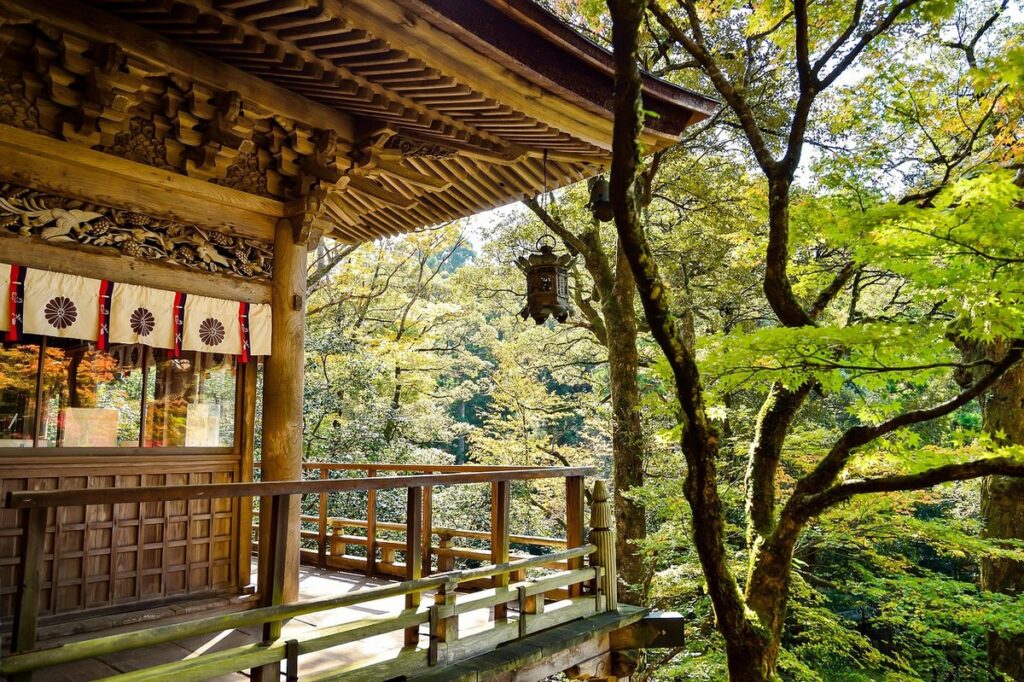
Understanding the Basics of Japanese Culture
To truly appreciate Japanese culture, it’s essential to understand its core values and customs. Let’s start by exploring the fundamental principles that shape everyday life in Japan.
The Concept of Wa in Japanese Society
Wa is a fundamental concept in Japanese culture, emphasizing harmony and cooperation within society. This emphasis on wa dates back to ancient times when Japan was a feudal state. During this period, samurai warriors adhered to the Bushido code, which emphasized loyalty, respect, and self-discipline. These values were essential for maintaining social order and promoting cooperation among people.
In modern Japanese culture, wa remains crucial for building strong relationships and fostering community cohesion. It is often associated with the concept of “group harmony” rather than individual achievement. When interacting with others, Japanese people typically prioritize avoiding conflict over asserting their own interests. This mindset encourages polite communication, active listening, and compromise.
Practically applying the concept of wa in daily life involves being considerate of others’ feelings, needs, and expectations. For example, when eating at a traditional Japanese restaurant, it is customary to wait for the host to start eating before beginning your meal. Similarly, when participating in a group activity, such as a tea ceremony or a group hike, respect for others’ pace and preferences is essential.
By embracing wa, individuals can build stronger relationships, promote social harmony, and contribute to the overall well-being of their community.
Introduction to the Five Core Values
At the heart of Japanese culture lies a set of core values that shape the way individuals interact with one another and their society. These five values are deeply ingrained in the Japanese psyche and play a crucial role in maintaining social harmony: respect for authority, group harmony, self-control, discipline, and hierarchy.
Respect for authority is a fundamental aspect of Japanese culture, where elders and those in positions of power are accorded great reverence. This is reflected in the use of honorific language, formal etiquette, and traditional customs such as bowing and gift-giving. Group harmony, on the other hand, emphasizes the importance of blending individual interests with the needs of the group. This value is often expressed through teamwork, cooperation, and a willingness to compromise.
Self-control and discipline are also highly valued in Japanese culture, where individuals are encouraged to restrain their emotions and desires for the sake of the greater good. Hierarchy, meanwhile, refers to the social stratification of Japanese society, where respect for those above you is matched by deference from those below. Understanding these core values provides a foundation for exploring the complexities of Japanese culture and appreciating its unique traditions and customs.
Traditional Japanese Arts and Entertainment
Japanese art forms, such as calligraphy, woodblock printing, and flower arrangement, are exquisite examples of the country’s rich cultural heritage. These traditional arts continue to captivate audiences worldwide today.
The History and Significance of Kabuki Theater
Kabuki theater has a rich history dating back to the 17th century in Japan. It originated as a form of entertainment for the common people but soon gained popularity among the aristocracy due to its elaborate costumes, makeup, and dramatic performances. Kabuki’s significance lies not only in its artistic expression but also in its role as a social commentary on Japanese society during that time.
One of Kabuki’s most distinctive features is its all-female cast, which was a departure from traditional Japanese theater where male actors played both female and male roles. The use of onnagata, or male actors playing female roles, became a hallmark of Kabuki and added to its allure. Kabuki’s influence can be seen in modern theater, with many contemporary playwrights drawing inspiration from its dramatic structure and emotional depth.
Kabuki’s impact extends beyond the stage as well. Its emphasis on traditional Japanese aesthetics, such as kimono designs and traditional instruments, has helped preserve cultural heritage. Additionally, Kabuki’s fusion of poetry, music, and dance continues to inspire new generations of artists. Today, Kabuki remains an essential part of Japan’s cultural identity, with many theaters still performing traditional plays.
The World of Japanese Calligraphy: Shodou
Shodou, the traditional art of Japanese calligraphy, has a rich history dating back to the 6th century. Developed from Chinese characters, Shodou evolved into a unique and distinct form of artistic expression. The key to mastering Shodou lies not only in the physical act of writing but also in understanding the symbolism behind each character.
A trained Shodou artist must consider the balance of ink, brushstrokes, and paper to create a harmonious piece. Ink is typically made from soot or plant-based dyes, while brushes are crafted from animal hair. Paper, often handmade, provides the foundation for the artwork. The artist’s goal is not just to write characters but to convey emotions and ideas through subtle variations in line weight and movement.
In Shodou, each character carries deep meaning and symbolism. For example, the kanji for “ki” (life force) is typically written with a flowing stroke, while “shin” (truth) is represented by more angular lines. Understanding these nuances allows artists to convey complex ideas and emotions through their work. With practice and dedication, anyone can learn the basics of Shodou, appreciating its beauty and significance in Japanese culture.
Food and Drink in Japanese Culture
Meals are a vital part of Japanese culture, deeply intertwined with tradition and respect for others. In this exploration, we’ll take a look at the significance of food and drink in daily life.
Exploring the World of Sushi: History, Varieties, and Etiquette
Sushi’s origins date back to ancient Southeast Asia, where fermented fish was served with rice. This dish, known as “narezushi,” was introduced to Japan by Buddhist monks who traveled from China and Korea. Over time, the Japanese adapted narezushi into a unique culinary art form, with a focus on fresh ingredients and simple preparation methods.
Today, sushi comes in many forms, including maki (rolls), nigiri (hand-formed sushi), sashimi (raw fish sliced into thin pieces), and temaki (hand rolls). Each type of sushi offers a distinct experience, from the delicate flavors of otoro (fatty tuna) nigiri to the vibrant colors of spicy tuna maki.
When consuming sushi, it’s essential to be mindful of etiquette. This includes using chopsticks correctly, not leaving your chopsticks standing upright in your rice bowl, and avoiding mixing wasabi and soy sauce together. Additionally, it’s customary to eat sushi with your hands when served temaki or nigiri, but use chopsticks for maki and sashimi.
When visiting a sushi restaurant, be prepared to order a variety of dishes, as the chef may recommend different options based on freshness and seasonal availability. By being open-minded and willing to try new flavors, you can fully appreciate the nuances of Japanese cuisine.
Traditional Japanese Cooking Methods and Ingredients
In traditional Japanese cuisine, seasonality plays a crucial role in determining the types of ingredients used. This emphasis on local and seasonal produce is known as “shun,” which refers to the optimal time for harvesting specific crops. Chefs often rely on regional farmers’ markets or directly purchase from local farms to ensure freshness and flavor.
Some essential cooking techniques in traditional Japanese cuisine include grilling, steaming, and pan-frying. The “yakimono” method involves grilling ingredients over high heat to achieve a crispy exterior and tender interior. Steaming is also popular for delicate fish and vegetables, as it helps preserve their natural flavors and textures.
A key characteristic of Japanese cooking is the use of simple yet nuanced seasonings. Dashi, a fundamental broth made from kombu seaweed and katsuobushi dried fish, serves as a base for many sauces and soups. Miso paste, sake, and mirin also play important roles in adding depth to dishes. Familiarizing yourself with these techniques and ingredients will allow you to create authentic Japanese meals at home.
When shopping for local ingredients, look for seasonal produce that’s often displayed prominently at markets or highlighted on restaurant menus.
Modern Japanese Culture: Trends and Influences
Japanese pop culture has become increasingly influential worldwide, with trends like anime, manga, and K-pop making a significant impact on global entertainment. Let’s take a closer look at these modern influences in Japanese culture.
The Rise of Kawaii Culture: Cute and Quirky Fashion
Japan’s fascination with all things cute has become a global phenomenon, influencing fashion trends worldwide. Kawaii culture, which originated in Japan, is characterized by its emphasis on cuteness and quirkiness. This aesthetic can be seen in everything from Harajuku street fashion to Japanese pop culture icons such as Hello Kitty.
Kawaii fashion often features bright colors, pastel hues, and playful patterns, with a focus on comfort and individuality. Brands like Sanrio, which created Hello Kitty, have become household names globally, while Japanese designers like Jun Takahashi of Undercover have also made waves in the international fashion scene. Tokyo’s Harajuku district is a hub for kawaii fashion, where young people showcase their unique styles.
One notable example of kawaii influence on global fashion is the resurgence of platform shoes and chunky sneakers, which originated in Japan as a staple of kawaii style. Japanese pop culture has also played a significant role in promoting kawaii aesthetics, with anime characters like Rilakkuma and Gudetama becoming international icons of cuteness.
Gaming in Japan: From Arcades to Virtual Reality
Gaming has a long history in Japan, dating back to the 1970s when the first arcade games emerged. These early establishments, known as “game centers,” became social hubs where people would gather to play classic titles like Pac-Man and Donkey Kong. Today, arcades continue to thrive, especially in urban areas, with many modern arcades incorporating cutting-edge technology and innovative gameplay.
The rise of home consoles in the 1980s cemented gaming’s place in Japanese popular culture. Companies like Nintendo and Sega released iconic consoles that brought games into living rooms across Japan. The popularity of RPGs (role-playing games) was particularly notable, with titles like Dragon Quest and Final Fantasy captivating audiences.
In recent years, Japan has become a hub for virtual reality (VR) gaming innovation. Companies like Sony, Oculus, and HTC have set up VR development studios in Tokyo, leveraging the city’s expertise in game design and technology to create immersive experiences. The Tokyo Game Show, one of the world’s largest gaming events, showcases cutting-edge VR technology and games.
Festivals and Celebrations in Japan
Japan is a country that knows how to celebrate, from vibrant festivals honoring the changing of the seasons to traditional ceremonies rooted in centuries-old customs. You’ll find a unique blend of old and new as you experience these unforgettable events.
Cherry Blossom Viewing (Hanami): A Cultural Phenomenon
Hanami, the traditional Japanese practice of cherry blossom viewing, has its roots in ancient culture. According to legend, a samurai named Kanzaki Mototsuna was so moved by the fleeting beauty of blossoms that he composed a poem about it. This poetic expression of hanami’s significance is still celebrated today.
The cultural importance of hanami lies not only in appreciating nature’s transient beauty but also in its ability to bring people together. During springtime, parks and gardens are filled with people picnicking under the blooming cherry trees. Hanami parties often involve elaborate food spreads, sake, and lively company. Neighborhoods organize communal viewing events, fostering a sense of community and shared experience.
Hanami’s significance extends beyond its social benefits; it also serves as a poignant reminder of life’s fleeting nature. The blossoms’ brief yet vibrant presence is a metaphor for the impermanence of all things. Visitors to Japan often join in hanami festivities, embracing this aspect of Japanese culture. To fully appreciate hanami, one must participate with an open heart and mind. Find a local park or garden, grab some food and drinks, and immerse yourself in the beauty of nature – and community.
O-Bon Festival: Honoring Ancestors and the Cycle of Life
The O-Bon Festival is a significant celebration in Japan, honoring the spirits of one’s ancestors and acknowledging the cycle of life. This festival has its roots in Buddhist teachings on reincarnation, where it’s believed that the spirits of the deceased return to their families during this time. According to tradition, when an ancestor’s spirit returns, it’s said to be accompanied by a small candle or lantern (toro) that serves as a beacon for their loved ones.
During O-Bon, families typically display these lanterns in their homes and gardens, creating a dazzling display of light and color. This practice is deeply rooted in the Buddhist concept of metsuke, which emphasizes the interconnectedness of all living beings. In many parts of Japan, people also visit family graves, cleaning them and leaving offerings to honor their ancestors.
The festival usually takes place over several days in mid-August, with activities like traditional dances, music, and food stalls adding to its festive atmosphere. Visitors can experience the spirit of O-Bon by attending a local celebration or simply by taking part in the lantern displays and ceremonies that take place throughout Japan during this time.
Daily Life in Japan: Etiquette and Social Norms
Japanese daily life is governed by a complex set of etiquette rules that can be both fascinating and intimidating for visitors. Understanding these norms is essential to truly experiencing Japanese culture firsthand.
Understanding Japanese Business Etiquette: Dos and Don’ts
When engaging with Japanese business culture, understanding formalities is crucial. In a business setting, it’s customary to use honorific language when speaking to someone of higher authority or age. This means using polite forms such as “sensei” for teachers or older professionals, and “kun” or “san” when addressing colleagues or clients.
Business cards are an essential part of Japanese business etiquette. When exchanging cards, it’s customary to receive the card with both hands, examine it carefully, and then place it on a clean surface. Not doing so can be seen as disrespecting the person who gave you the card.
Gift-giving customs also play a significant role in Japanese business culture. In most cases, gifts are exchanged during formal meetings or when meeting someone for the first time. When choosing a gift, opt for something traditional and of high quality, such as green tea or a handmade item. Avoid giving anything that could be perceived as too personal or extravagant.
In terms of communication styles, directness is often valued over indirectness in Japanese business settings. However, this doesn’t mean being blunt or aggressive; instead, focus on clear and respectful communication. When communicating with colleagues or clients, it’s essential to consider the impact of your words and actions carefully.
Visiting a Japanese Onsen (Hot Spring) or Public Bath
Visiting a Japanese onsen (hot spring) or public bath requires adherence to specific etiquette rules. Upon arrival, you’ll typically be given a small towel and a key for a locker. Remove your shoes before entering the bathing area, as is customary in Japan. Be mindful of the separate sections for men and women; some onsen may have mixed-gender areas, but it’s essential to respect local customs.
When bathing, wash your body thoroughly before getting into the hot spring or public bath. It’s customary to rinse off any soap residue before submerging yourself. Hair washing is often not allowed in the main bathing area, so use a hair dryer or a designated shampooing area if available. Refrain from applying lotion or oil after bathing, as this can clog the onsen’s filters.
Some onsen have additional rules, such as no tattoos or specific swimwear requirements. Be sure to check beforehand to avoid any issues. In public baths, consider purchasing a small towel for drying off and be prepared for close quarters with other bathers. Remember that Japanese culture values cleanliness and respect for others; following these guidelines will help you navigate onsen and public bath etiquette with ease.
Frequently Asked Questions
How can I apply the concept of Wa in my own life?
You can start by being more mindful of your interactions with others and striving to create harmony in your personal relationships. This might involve active listening, compromise, and a willingness to put the needs of others before your own. While it’s impossible to fully replicate Japanese culture, incorporating elements like respect for authority, group harmony, and self-control can help you cultivate more positive and collaborative relationships.
What if I’m visiting Japan and want to attend a traditional tea ceremony or onsen? Are there any specific etiquette rules I should be aware of?
Yes. When attending a traditional tea ceremony or visiting an onsen in Japan, it’s essential to respect local customs and follow the unwritten rules. For example, you should remove your shoes before entering a tatami room or onsen, and avoid eating while walking or standing. Additionally, some public baths may have specific dress code requirements, so be sure to check beforehand.
Can I learn Japanese calligraphy (Shodou) without any prior experience?
While it’s possible to learn Shodou with no prior experience, it can be challenging due to the intricacies of Japanese writing systems and the need for precise brushstrokes. However, many online resources and local classes offer beginner-friendly lessons that can help you get started. Be prepared to practice regularly and don’t be afraid to make mistakes – it’s all part of the learning process.
What are some common misunderstandings or misinterpretations that Western visitors often have when experiencing Japanese culture?
One common misunderstanding is that Japan is a highly rigid society with strict rules and expectations. While it’s true that Japan places great emphasis on respect for tradition, there is also a strong appreciation for individuality and creativity. Another misconception is that all Japanese people are polite and reserved – while politeness is indeed valued in Japan, the country has a vibrant arts scene and many creative individuals who express themselves freely.
Can I combine elements of traditional Japanese culture with modern trends or styles without being seen as inauthentic?
Yes. While it’s true that some aspects of Japanese culture may seem rigid or unchanging at first glance, many locals are open to innovation and experimentation within the context of traditional practices. In fact, Japan has a long history of blending old and new – from modern interpretations of traditional arts like Kabuki theater to fusion foods combining elements of Western cuisine with local ingredients. When done thoughtfully, incorporating diverse influences can result in unique and compelling expressions that respect Japanese heritage while also pushing boundaries.

