
Chinese characters have been an integral part of Chinese culture for thousands of years, with their origins dating back to ancient oracle bones. These intricate symbols are more than just written language – they hold deep meaning and symbolism that continues to shape everyday life in China today. From the earliest inscriptions on turtle shells to modern-day usage in everything from advertising billboards to traditional calligraphy, Chinese characters have played a vital role in the country’s history and development. In this article, we’ll delve into the fascinating world of Chinese characters, exploring their evolution, significance, and impact on contemporary society. Whether you’re a language enthusiast or simply curious about China’s rich cultural heritage, you won’t want to miss this journey through the captivating realm of Chinese characters.
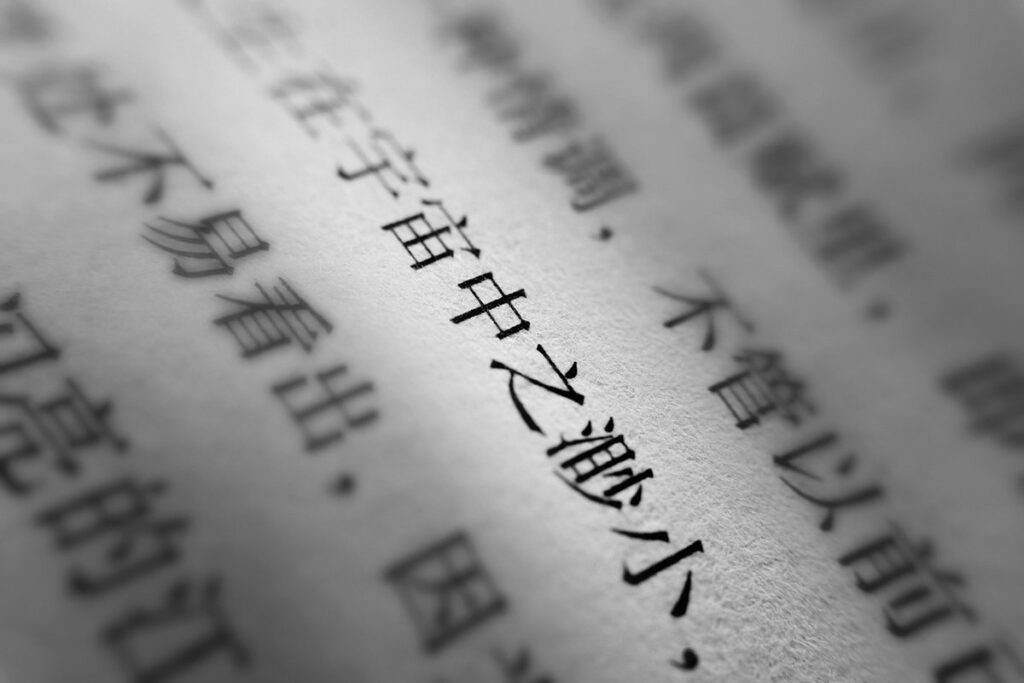
Introduction to Chinese Characters
To truly appreciate the complexity and beauty of Chinese language, it’s essential to understand its foundation: Chinese characters. Let’s dive into how these fascinating symbols have evolved over time.
What Are Chinese Characters?
Chinese characters are more than just symbols on paper – they’re the backbone of Chinese culture and communication. With a rich history spanning over 3,000 years, these characters have evolved from simple pictograms to complex representations of meaning. They’ve been an essential part of everyday life in China, used for everything from writing novels and poetry to labeling street signs and menus.
One of the most fascinating aspects of Chinese characters is their ability to convey multiple meanings at once. A single character can represent a word, a concept, or even a combination of both. For example, the character “” (tian) means both “heaven” and “sky.” This complexity allows for nuanced expression and subtlety in language, which is essential for conveying the intricacies of Chinese thought and culture.
In modern times, Chinese characters are used alongside the simplified script introduced after the founding of the People’s Republic. While simplified characters have made written communication more accessible, many still appreciate the beauty and depth of traditional characters.
Importance of Chinese Characters in Chinese Culture
Chinese characters hold a revered place in Chinese society, deeply ingrained in every aspect of life. From education to everyday interactions, these written symbols are an integral part of the culture. In China, children begin learning Chinese characters at a young age, with the aim of becoming proficient readers and writers by the time they enter high school.
The significance of Chinese characters extends beyond education; they play a vital role in Chinese literature, art, and even business. Traditional calligraphy, for instance, is an esteemed art form where artists carefully craft Chinese characters to convey emotions and tell stories. In everyday life, Chinese characters are used on signs, billboards, and menus to communicate information and provide services.
As you explore the fascinating world of Chinese characters, it’s essential to understand their importance in Chinese culture. By recognizing their significance, you can better appreciate the nuances of Chinese language and customs. When interacting with native speakers, take the time to learn basic Chinese characters and use them correctly. Not only will this show respect for the culture, but it may also open doors to meaningful connections with locals who share your interest in preserving this rich heritage.
History of Chinese Characters: From Oracle Bones to Modern Times
The history of Chinese characters dates back over 3,000 years, from their origins on oracle bones to their evolution into the complex script we see today. Let’s take a journey through this fascinating timeline.
Early Development of Chinese Characters (1200 BCE – 221 BCE)
Chinese characters have their roots dating back to the Shang Dynasty (16th-11th centuries BCE), where they first appeared on oracle bones. These ancient artifacts were used for divination and record-keeping, featuring the earliest known forms of Chinese writing. The characters were created by combining pictograms with phonetic symbols, a system that would remain the basis of Chinese writing for centuries.
As time passed, Chinese characters evolved significantly. During the Zhou Dynasty (1046-256 BCE), bronze inscriptions became common, showcasing more sophisticated character designs. These early forms of Chinese writing gradually gave way to the more intricate seals and calligraphy that followed in later dynasties. Despite these changes, the fundamental principle of combining pictograms with phonetic symbols remained unchanged.
To better understand the evolution of Chinese characters, imagine holding an oracle bone from ancient China in your hands. You’d see crude yet effective combinations of images and sounds, the seeds of a writing system that would endure for millennia. By studying the early development of Chinese characters, you’ll appreciate the ingenuity and craftsmanship of our ancestors who laid the groundwork for the complex, beautiful language we use today.
Influence of Buddhism on Chinese Characters (220 CE – 907 CE)
During the Tang Dynasty (220 CE – 907 CE), Buddhism had a profound impact on Chinese characters. Buddhist monks from India introduced new writing styles that combined with the existing logographic system to create a unique blend of script and artistry. One notable example is the introduction of Brahmi script, which was adapted into Chinese as Lishu.
This style became popular among scholars and clerks who valued its speed and elegance. The influence of Buddhism can also be seen in the development of simplified Chinese characters. As Buddhist monks from India shared their knowledge with Chinese counterparts, they introduced the concept of reducing complex characters to simpler forms while maintaining their meaning.
The introduction of these new writing styles had a lasting impact on the Chinese writing system. By incorporating elements of Brahmi script and simplifying existing characters, Chinese characters became more versatile and easier to read. This fusion of East and West laid the groundwork for future innovations in the Chinese writing system.
Structure and Composition of Chinese Characters
At its core, every Chinese character is made up of a combination of strokes, which are carefully arranged to create distinctive shapes that convey meaning. Let’s dive into how these strokes come together to form complex characters.
Radicals, Strokes, and Components
When it comes to understanding the intricate structure of Chinese characters, breaking them down into their building blocks is essential. These components are called radicals, strokes, and components, each serving a unique purpose.
A radical is typically a simplified form of a character that conveys its meaning or semantic value. For example, the radical (shǒu) means “hand” and appears in characters related to actions or activities involving hands. This radical often provides insight into the word’s meaning without needing to memorize every single character.
A stroke is another fundamental component that makes up a Chinese character. There are 51 basic strokes, which can be combined in various ways to form different characters. For instance, the combination of two dots above and below each other (,) forms the character for “person” or “human.” By mastering these basic strokes, you’ll find it easier to create and recognize an extensive range of Chinese characters.
Components are often simple geometric shapes like lines, angles, or curves that combine with radicals and strokes to form a complete character.
Stroke Order: A Key to Understanding Chinese Characters
Understanding stroke order is crucial when it comes to writing Chinese characters correctly. In fact, the sequence of strokes can completely change the meaning of a character if reversed. This might seem like an insignificant detail, but trust us, mastering stroke order will save you from unnecessary mistakes and frustration in the long run.
So, what exactly is stroke order? It refers to the specific sequence of strokes used to write a Chinese character. Different characters have unique stroke orders that must be followed to ensure accuracy. Think of it like a secret code – each character has its own distinct pattern, and once you learn this pattern, writing becomes much easier.
To practice, start with basic characters and focus on mastering the most common stroke patterns. Remember, consistency is key! Try tracing over strokes in dictionaries or online resources until you feel confident. You can also use apps that provide interactive lessons to help improve your skills.
Usage of Chinese Characters in Modern Times
As we explore how Chinese characters are used today, you’ll discover that they play a vital role in modern life, from technology to education. From apps to academic institutions, their influence is more widespread than you might think.
Learning Chinese Characters for Language Learners
Learning Chinese characters can be a daunting task for non-native speakers, but with the right approach and resources, it’s definitely achievable. First and foremost, it’s essential to understand that Chinese characters are not just a writing system, but also a language learning tool. By mastering these characters, you’ll gain a deeper understanding of the language and its nuances.
To begin with, start by learning the most common radicals and strokes used in Chinese characters. This will help you decipher unfamiliar characters and build your vocabulary faster. You can use flashcards or apps like Memrise to practice recognizing radicals and characters. Next, focus on learning the basic strokes and stroke orders, which are crucial for writing Chinese characters correctly.
Practice regularly by writing characters from flashcards or worksheets. Start with simple characters and gradually move to more complex ones. Another valuable resource is online character dictionaries, such as Pleco or Zhongwen, which provide detailed information on character meanings, pronunciations, and usage.
Lastly, immerse yourself in the language by reading Chinese texts, watching TV shows or movies, or speaking with native speakers. This will help you apply your knowledge of characters in context and improve your overall language skills. With consistent practice and dedication, learning Chinese characters becomes manageable and rewarding.
Chinese Characters in Digital Age: Fonts, Input Methods, and Apps
In today’s digital age, using Chinese characters has become more accessible than ever. Gone are the days of painstakingly writing characters by hand; technology has made it easier to incorporate Chinese characters into daily life.
With advancements in font design and input methods, users can now easily type and display Chinese characters on their devices. Popular fonts like PingFang, SimSun, and Song have become industry standards for digital displays, ensuring clear and legible text. Some fonts even offer stylistic variations, allowing users to tailor the look of their texts.
To input Chinese characters digitally, various methods are available. Many modern operating systems support pinyin (phonetic) input, where typing romanized words yields corresponding Chinese characters. Mobile apps like Pinyin Input and Chinese Keyboard also enable efficient character entry. Furthermore, voice-to-text capabilities in some devices can even transcribe spoken Chinese into written text.
For those seeking to master the art of digital Chinese character use, practice makes perfect. Try using online resources that provide interactive input methods or typing games to improve your skills.
Meaning and Symbolism of Chinese Characters
Let’s dive into the fascinating world of meaning and symbolism behind Chinese characters, where each stroke holds a story and a secret. You’ll discover how these ancient symbols have evolved to convey complex ideas and emotions.
Chinese Characters with Multiple Meanings
Chinese characters are renowned for their complexity and depth. One fascinating aspect of these characters is that many have multiple meanings depending on context. Take the character “” (yǔ) as an example. It can mean ‘rain’ or ‘to speak’. In a sentence like “The rain poured down,” it’s clear what yǔ means. However, in a conversation where someone says “Let me explain,” yǔ would be translated to ‘speak’.
Another example is the character “” (shū). It can mean both ‘book’ and ‘to store’. In a sentence like “I’m reading a book right now,” shū clearly refers to the written content. But in a conversation about storing items, it might mean ‘to place or put away’. This nuance highlights the importance of considering context when learning Chinese characters. As you delve into the world of Chinese characters, keep in mind that some words have multiple meanings and are often used interchangeably. Familiarize yourself with these dual-meaning characters to enhance your understanding of the language and its rich cultural heritage.
Symbolic Significance of Chinese Characters in Chinese Culture
In Chinese culture, certain characters hold symbolic significance that transcends their literal meaning. These characters are often imbued with auspicious or inauspicious connotations, influencing the way they’re used in various contexts. For instance, the character (fu) is considered extremely lucky, symbolizing good fortune and prosperity. It’s commonly displayed during special occasions like weddings and new year celebrations.
On the other hand, the character (hou) is often regarded as unlucky, signifying misfortune and calamity. Its presence can be seen in funeral rituals, where it’s believed to ward off evil spirits. Interestingly, some characters have undergone a reversal of their symbolic significance over time. The character (xi) initially represented good luck but later came to signify bad fortune due to its association with the death of a prominent figure.
When using Chinese characters with symbolic significance, consider the context and intended outcome. If you’re aiming to attract positive energies, incorporate lucky characters like into your space or gift-giving. Conversely, be mindful of incorporating unlucky characters during auspicious events.
Calligraphy and Artistic Expression through Chinese Characters
Beyond their functional purpose, Chinese characters have also been used as a medium for artistic expression, particularly in calligraphy. Let’s explore how characters are used to create beautiful works of art.
The Aesthetic Value of Chinese Characters
Chinese characters have been an integral part of calligraphy for centuries, not only conveying meaning but also evoking emotions and creating a sense of aesthetic value. In traditional Chinese culture, the art of brushwork is considered a form of spiritual expression, where the strokes and lines are believed to hold mystical powers. When it comes to calligraphy, Chinese characters are often used in intricate compositions that blend beauty with meaning.
The distinctive shape and layout of Chinese characters lend themselves perfectly to artistic arrangements. Calligraphers can manipulate the size, orientation, and placement of characters to create visually stunning pieces that harmonize balance, symmetry, and negative space. For example, the classic seal script (zhuanshu) is often used for formal inscriptions on scrolls or walls, where its majestic strokes command respect.
To appreciate the aesthetic value of Chinese characters in calligraphy, look for works that demonstrate fluidity of movement, precise brush control, and a sense of rhythm. A well-crafted piece can convey emotions through subtle nuances in line width, texture, and placement, much like a musician’s performance.
Chinese Character Art: From Ancient to Modern Times
Chinese characters have been a cornerstone of Chinese art and culture for centuries. From ancient dynasties to modern times, these intricate symbols have been used not only as a means of written communication but also as a form of artistic expression. One can find stunning examples of Chinese character art in various forms throughout history.
Take, for instance, the famous ‘Orchid Pavilion Tablet’, a masterpiece of calligraphy dating back to 759 AD during the Tang Dynasty. This magnificent work of art is considered one of the greatest pieces of Chinese calligraphy ever created and showcases the beauty and elegance of Chinese characters when used in an artistic context.
In modern times, artists continue to push the boundaries of Chinese character art, experimenting with new styles and techniques. Some notable examples include Zhang Daqian’s innovative use of color and texture, while others have employed digital tools to create intricate patterns and designs.
For those interested in trying their hand at creating Chinese character art, there are numerous resources available online, including tutorials, videos, and software that can help you get started.
Frequently Asked Questions
Can I learn Chinese characters without prior knowledge of the language?
Yes, it’s possible to learn Chinese characters independently, but having some basic understanding of Chinese grammar and phonetics can make the process easier. Start by learning the most common radicals, which are the building blocks of Chinese characters, and then practice writing and recognizing them.
How do I memorize the complex stroke order for Chinese characters?
To improve your memory of stroke order, try practicing regularly and start with simple characters. Break down each character into smaller sections and focus on one part at a time. You can also use apps or online tools that provide interactive exercises to help you learn and review.
Are there any modern technologies that make learning Chinese characters easier?
Yes, there are many digital resources available to aid in your Chinese character learning journey. Apps like Han Trainer, Memrise, and Anki offer interactive lessons, games, and flashcards to help you practice recognition, writing, and stroke order. You can also use online dictionaries and fonts specifically designed for learning Chinese characters.
Can I use Chinese characters in my everyday life, or are they mainly used in formal settings?
Chinese characters are widely used in various contexts, including advertising billboards, street signs, and even modern art. However, their usage may vary depending on the region and context. In some cases, simplified characters are used for informal communication, while traditional characters are reserved for more formal occasions.
How long does it take to become proficient in reading Chinese characters?
The time it takes to reach proficiency depends on individual factors, such as prior language learning experience, study frequency, and practice quality. However, with consistent effort and dedication, you can develop a basic understanding of Chinese characters within 1-3 months, while achieving advanced fluency may take several years or even a lifetime.

