
Traveling to a foreign country can be a thrilling experience, but it can also be daunting when faced with unfamiliar customs and traditions. One aspect of culture that can be particularly puzzling is the way hospitality is practiced in different countries. For instance, in Asian cultures, respect for elders is deeply ingrained, and showing deference to the host is a fundamental aspect of hospitality. In contrast, in some African cultures, community is paramount, and sharing meals and stories with neighbors and strangers alike is a common practice. Understanding these nuances is crucial for effective cross-cultural communication and building meaningful relationships. In this article, we’ll explore the diverse ways hospitality is practiced across various cultures, from Asia to Africa, and provide practical tips on how to navigate cross-cultural differences effectively, so you can be a respectful and gracious guest in any country you visit.
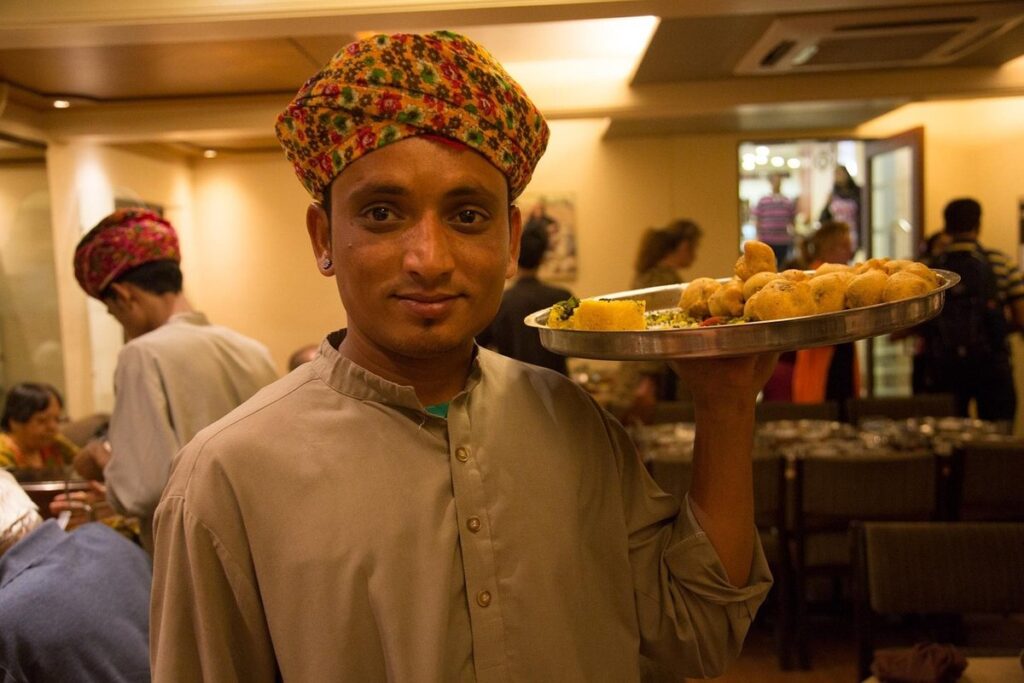
Traditional Hospitality in Asian Cultures
In many Asian cultures, traditional hospitality is deeply rooted in customs and etiquette, where guests are treated with great respect and offered generous hospitality as a sign of esteem. This section explores the nuances of traditional Asian hospitality.
The Concept of “Guanxi” in Chinese Culture
In Chinese culture, relationships and social connections hold immense importance in both business and social interactions. This is reflected in the concept of “guanxi,” a complex web of personal relationships that can greatly influence the success of business deals, job opportunities, and even personal relationships. Guanxi is built on trust, mutual respect, and a deep understanding of the other person’s needs and values. It’s not just about who you know, but also about how well you know them. Establishing strong guanxi requires time, effort, and a genuine interest in building connections with others.
For instance, a businessman may establish guanxi with a government official by attending social events, sharing meals, and engaging in conversations about shared interests. Over time, this guanxi can lead to valuable business opportunities and favorable treatment. In contrast, neglecting guanxi can result in missed opportunities and damaged reputations. To build effective guanxi, it’s essential to be respectful, attentive, and genuinely interested in others. By doing so, you can establish strong, lasting relationships that benefit both personal and professional endeavors.
The Role of Respect in Japanese Hospitality
In Japan, respect and politeness are deeply ingrained in the culture, particularly when it comes to hosting guests. This is reflected in the concept of “omotenashi,” which refers to the art of hospitality. When welcoming guests, Japanese hosts often employ various customs and etiquette to create a warm and inclusive atmosphere. For instance, guests are typically greeted with a bow, which serves as a sign of respect and humility.
Upon arrival, guests are often offered refreshments, such as green tea or sake, as a symbol of hospitality. The host may also remove their shoes before allowing the guest to enter, as a sign of respect for the home and the guest’s presence. In some cases, guests may even be given a small gift, such as a box of sweets or a souvenir, as a token of appreciation.
In a Japanese household, the host’s primary concern is often the guest’s comfort and well-being. This can be seen in the careful attention paid to the guest’s dining needs, with meals often being served in a tranquil and serene environment. By following these customs and etiquette, hosts can create a sense of respect and gratitude that is deeply ingrained in Japanese culture.
The Significance of Family in Southeast Asian Hospitality
In Southeast Asian cultures, family is not just a social unit, but a fundamental aspect of daily life. The extended family is often the core of social organization, and hospitality is deeply influenced by this close-knit dynamic. For example, in Indonesia, the concept of “gotong-royong” emphasizes the importance of mutual aid and cooperation among family members, which is reflected in the way they welcome guests. When hosting foreigners, Indonesian families often involve their children in the welcoming process, teaching them the value of respect and generosity.
In Malaysia, the tradition of “kampong” hospitality is built on the idea of community and shared responsibility. Neighbors and family members come together to prepare food and entertain guests, creating a sense of unity and belonging. This communal approach to hospitality is not just about feeding the belly, but about nourishing the soul. For travelers, participating in these family-centered traditions can be a rich and rewarding experience, offering a glimpse into the authentic culture and values of the region.
In practice, respecting family ties and community norms is essential for guests in Southeast Asia. This means being mindful of mealtime etiquette, participating in family gatherings, and showing appreciation for the efforts of hosts. By embracing these cultural nuances, visitors can build deeper connections with their hosts and gain a more profound understanding of the region’s unique hospitality traditions.
Hospitality in African Cultures
In many African cultures, hospitality is not just a custom, but a fundamental aspect of daily life, often guided by strong community and family ties. For instance, in some African countries, welcoming guests into one’s home is a matter of great respect.
The Role of Community in African Hospitality
African hospitality is deeply rooted in the communal aspect, where the needs and well-being of the community are paramount. In many African cultures, the concept of “ubuntu” – “humanity towards others” – emphasizes the importance of community and mutual respect. This is reflected in the traditional values of African societies, where the community is often considered a single, extended family. As a result, African hospitality is often characterized by a strong sense of belonging and shared responsibility.
In this context, community plays a vital role in African hospitality. Guests are often welcomed into the community with open arms, and are treated as part of the family. This is reflected in the use of kinship terms, such as “brother” or “sister,” to address guests, and the provision of food and shelter as a matter of course. To experience African hospitality, visitors must be willing to engage with the community, learn about its customs and traditions, and participate in local activities. By doing so, they can gain a deeper understanding of the communal aspect of African hospitality and foster meaningful connections with the people they meet. For example, attending a local celebration or festival can be a great way to experience the warmth and generosity of African hospitality firsthand.
The Significance of Food in African Hospitality
In African cultures, food is not just sustenance, but a symbol of love, respect, and community. Feasting is an integral part of hospitality, where hosts go to great lengths to ensure their guests feel welcome and cared for. Traditional dishes are often prepared with love and attention to detail, and the aroma of cooking wafts through the air, signaling the arrival of guests. The act of sharing food is a powerful way to bring people together, as it transcends language and cultural barriers. In many African countries, mealtimes are long and leisurely, allowing guests to engage in conversation and build relationships with their hosts.
For example, in Ethiopia, the traditional coffee ceremony is a cherished ritual that involves roasting green coffee beans and brewing coffee in a clay pot. This ceremony is an opportunity for hosts to share stories and welcome guests into their community. Similarly, in West Africa, the jollof rice dish is a staple of social gatherings and celebrations, where hosts and guests come together to share food and laughter.
When hosting guests from African cultures, it’s essential to respect the significance of food in their hospitality traditions. Offer traditional dishes, and be patient and open to sharing mealtimes with your guests. By doing so, you’ll not only show your appreciation for their culture but also create meaningful connections with your guests.
The Influence of Islamic Traditions on African Hospitality
In many African countries where Islam is a significant presence, Islamic traditions play a crucial role in shaping hospitality practices. The concept of “dar al-salam,” or the abode of peace, is a guiding principle in Islamic hospitality, emphasizing the importance of welcoming guests and treating them with kindness and respect. This is reflected in the traditional African custom of “ubuntu,” which values community and the interconnectedness of all people. In Islamic-influenced African cultures, this is often expressed through the provision of food and drink, with an emphasis on generosity and hospitality.
For example, in Morocco, guests are often offered a cup of tea as a sign of respect, while in Sudan, the traditional dish of “kisra” is served to guests as a symbol of hospitality. In these cultures, the guest is considered a blessing from God, and it is considered a privilege to receive and care for them. This emphasis on hospitality is not limited to formal events, but is also an integral part of everyday life, with visitors often being welcomed into homes and treated as members of the family.
Hospitality in European Cultures
When it comes to showing hospitality, European cultures have distinct traditions and customs that vary from country to country, with each having its own unique flair. From Italy’s warm welcomes to Germany’s reserved yet efficient service.
The Influence of History on European Hospitality
European hospitality is a rich tapestry of cultural heritage and historical influences. In countries like France and Italy, the legacy of monarchies, aristocracies, and royal courts has shaped the way people receive guests. The formal etiquette of the 18th and 19th centuries, for example, emphasized the importance of protocol and ceremony in hosting. This is still visible in the elaborate table settings and formal service styles of high-end French restaurants.
In Italy, the tradition of hosting guests at mealtimes dates back to the Renaissance. The concept of “cena,” or dinner as a social occasion, emphasizes the importance of shared meals and conviviality. This is reflected in the warm, informal atmosphere of Italian trattorias and the emphasis on family-style service.
Today, European hospitality continues to draw on its rich historical heritage. However, it also faces challenges in adapting to modern tastes and preferences. For instance, the rise of casual dining and self-service models has led some traditional establishments to rethink their approach to service and atmosphere. By understanding the historical roots of European hospitality, travelers and hosts can appreciate the nuances of different cultures and find ways to incorporate authentic traditions into their own hosting practices.
The Significance of Formality in European Hospitality
Formality is a cornerstone of European hospitality, particularly in the context of business and formal events. In many European countries, such as Germany, France, and the UK, formal etiquette and protocol are deeply ingrained in the culture. This is reflected in the way people dress, behave, and interact with one another in professional settings.
For example, in Germany, it’s customary to greet colleagues with a handshake and use formal titles such as “Herr” or “Frau” until explicitly invited to use first names. In France, business meals often involve fine dining and elaborate table settings, where guests are expected to follow strict rules of etiquette, including not starting to eat until everyone has been served.
In formal events, Europeans place great emphasis on punctuality, with guests often arriving 10-15 minutes before the scheduled start time. This shows respect for the host’s time and attention to detail. Moreover, Europeans tend to value direct and concise communication, avoiding small talk and getting straight to the point. By understanding and adapting to these customs, visitors can build stronger relationships and make a positive impression in European business and social settings.
The Role of Hospitality in European Tourism
European tourism has become a significant contributor to the region’s economy, with millions of visitors flocking to its famous cities, historical landmarks, and scenic landscapes each year. As a result, hospitality practices have adapted to meet the needs of these international visitors. One key aspect of this adaptation is the emphasis on providing a warm welcome and making guests feel at home. Many European hotels and inns offer traditional amenities such as complimentary breakfast, free Wi-Fi, and comfortable accommodations, but it’s the personal touches that truly set them apart.
For example, some boutique hotels in Italy offer personalized concierge services, helping guests navigate the city and discover local hidden gems. Similarly, many bed-and-breakfasts in the UK pride themselves on serving homemade breakfasts and providing insider knowledge on the local area. By going above and beyond to make guests feel welcome, these establishments have created a loyal following of repeat visitors. This emphasis on hospitality has also led to the development of unique cultural experiences, such as wine tastings and cooking classes, which allow visitors to immerse themselves in local traditions.
Hospitality in Indigenous Cultures
In many Indigenous cultures, hospitality is not just about welcoming guests, but also about sharing one’s connection to the land and community. Let’s explore the rich traditions of hospitality found in these cultures.
The Significance of Storytelling in Indigenous Hospitality
In Indigenous cultures, storytelling is a powerful tool for welcoming and connecting with guests. It’s a way of sharing history, traditions, and values, while also creating a sense of belonging and community. When guests are invited to share in the oral traditions of the host community, they’re not just being treated to a spectacle – they’re being included in the very fabric of the culture.
Through storytelling, hosts can convey complex social hierarchies, protocols, and expectations in a way that’s both respectful and engaging. For example, in some Indigenous cultures, a traditional welcome song or dance is a vital part of the hospitality experience. These performances serve as a way to acknowledge the guest’s presence, while also conveying the community’s values and protocols.
To incorporate storytelling into your own hospitality experiences, consider the following: learn about the oral traditions of your guests’ cultures, ask open-ended questions to encourage sharing, and be respectful of the stories and histories that are shared with you. By doing so, you can create a deeper connection with your guests and foster a sense of community and belonging.
The Role of Elders in Indigenous Hospitality
In Indigenous cultures, Elders and traditional leaders play a vital role in hospitality practices. They are the keepers of traditional knowledge, customs, and values, and their presence is often a key aspect of welcoming guests. Elders are often responsible for hosting ceremonies and events, and they take great care to ensure that visitors feel respected and included. This is not just a matter of protocol, but a way of showing respect for the visitor’s dignity and personhood.
Elders are also skilled storytellers, and they use their stories to convey the history and culture of their community. By sharing their stories, Elders help guests understand the cultural significance of the hospitality they are receiving. For example, in some Indigenous cultures, the act of sharing food is not just about sustenance, but about sharing life force and connection to the land.
When hosting guests, Elders often involve the community in the welcoming process, ensuring that visitors feel a sense of belonging and connection to the land and people. By incorporating Elders into hospitality practices, visitors can gain a deeper understanding of Indigenous culture and values, and develop a greater appreciation for the rich traditions that underpin Indigenous hospitality.
The Influence of Colonialism on Indigenous Hospitality
Colonization imposed European values and customs on Indigenous cultures, eroding traditional practices and disrupting community relationships. This impact is evident in the way hospitality is perceived and practiced today. In many Indigenous cultures, hospitality was not just about hosting guests, but about acknowledging and honoring ancestral lands and spirits. However, colonialism introduced a more individualistic and utilitarian approach to hospitality, prioritizing the comfort and convenience of visitors over the well-being of the host community.
To revitalize and preserve traditional ways, many Indigenous communities are working to reclaim their cultural heritage. This includes revitalizing languages, reconnecting with ancestral lands, and rebuilding cultural practices such as storytelling and ceremony. For example, some Indigenous hosts are incorporating traditional songs and dances into their welcoming rituals, while others are serving traditional foods and using Indigenous materials for decorating and gift-giving.
By acknowledging the historical impact of colonialism and working to revitalize their cultural practices, Indigenous hosts can create a more authentic and meaningful hospitality experience that honors their community’s traditions and values. This requires a deep understanding of one’s own cultural heritage and a commitment to preserving and sharing it with others.
Modern Hospitality Trends and Challenges
From formal etiquette in Japan to warm welcomes in Africa, modern hospitality is evolving to meet the diverse needs of travelers and locals alike, presenting both opportunities and challenges.
The Impact of Technology on Hospitality
The rise of digital platforms has revolutionized the way we experience and provide hospitality. Online review sites and social media have given travelers unprecedented access to information about destinations and accommodations, allowing them to research and book their stays with greater ease. Virtual events and webinars have also become increasingly popular, enabling people to connect with others across the globe and participate in cultural experiences from the comfort of their own homes.
However, this shift towards digital hospitality has also created new challenges. For instance, the rise of online booking platforms has led to a decline in personal interactions between travelers and local hosts, which can make it more difficult to build meaningful connections. Furthermore, the reliance on digital platforms can also create unrealistic expectations and disappointment if these expectations are not met.
In addition, the use of technology in hospitality can also have a significant impact on local cultures. For example, the introduction of foreign hospitality apps and websites can lead to the homogenization of local customs and practices, potentially eroding traditional ways of hospitality.
The Challenges of Cross-Cultural Hospitality
When different cultural traditions meet, misunderstandings and missteps can arise, threatening the warmth and inclusivity of hospitality. The nuances of one culture may be perceived as intrusive or insensitive in another, leading to awkward interactions and damaged relationships. For instance, the emphasis on respect and hierarchy in some cultures may be misinterpreted as formality or even rudeness in more egalitarian societies. Effective cross-cultural hospitality requires a deep understanding of these differences and a willingness to adapt.
One key challenge is reconciling the desire to honor traditional practices with the need to accommodate diverse expectations. A simple example is the use of physical contact. In some cultures, physical touch is a natural part of greeting and farewell, while in others, it’s a rare or even taboo practice. To navigate these differences, it’s essential to observe and listen to local customs, rather than imposing one’s own norms. By being open to new experiences and willing to adjust, hospitality professionals can create a welcoming environment that respects the unique traditions of each culture. This requires a high degree of flexibility and a willingness to learn from others.
The Future of Hospitality: Trends and Predictions
The future of hospitality is being shaped by a growing focus on sustainability and experiential travel. Travelers are increasingly seeking immersive, culturally authentic experiences that benefit local communities and minimize environmental impact. This shift is driving the rise of eco-lodges, community-based tourism initiatives, and responsible travel programs.
Sustainable tourism is not only good for the planet, but also for businesses that adopt environmentally friendly practices. For example, hotels can reduce energy consumption by implementing energy-efficient lighting and HVAC systems, or by using renewable energy sources. Similarly, restaurants can source ingredients locally to reduce transportation emissions and support local economies.
Experiential travel is also on the rise, with travelers seeking unique, immersive experiences that allow them to connect with local cultures. This can include homestays, cooking classes, or cultural workshops. By offering these types of experiences, hospitality businesses can differentiate themselves and attract travelers who are looking for more than just a comfortable place to stay. As the industry continues to evolve, it’s likely that we’ll see more emphasis on sustainability and experiential travel.
Frequently Asked Questions
Can I apply the principles of hospitality from one culture to another?
Yes, you can adapt principles from one culture to another, but it’s essential to understand the unique nuances and context of each culture. Be respectful of differences and do your research to ensure you’re not misapplying cultural practices.
How do I balance traditional hospitality with modern technology in my own business?
To strike a balance between traditional hospitality and modern technology, consider how technology can enhance your traditional practices rather than replace them. For example, using digital platforms to facilitate communication and bookings can complement a human-centered approach to customer service.
What if I’m hosting guests from a culture I’m not familiar with? How can I show respect and be a good host?
To show respect and be a good host to guests from a culture you’re not familiar with, research their customs and traditions beforehand. Ask your guests about their preferences and comfort levels, and be open to learning from them. Focus on building relationships and creating a welcoming atmosphere.
Can I use hospitality as a way to bridge cultural divides or promote cross-cultural understanding?
Yes, hospitality can be a powerful tool for bridging cultural divides and promoting cross-cultural understanding. By embracing and celebrating cultural differences, you can create a sense of community and connection with others from diverse backgrounds.

