France is home to a staggering 14 UNESCO World Heritage Sites, each one a testament to the country’s rich cultural and natural heritage. From the opulent Palace of Versailles to the prehistoric Lascaux Cave, these sites are a treasure trove of human history and the natural world. You may be familiar with the grandeur of Versailles, but have you ever wondered about the challenges that come with preserving such iconic landmarks? Or perhaps you’re interested in learning about the conservation efforts underway to protect these cultural and natural treasures? In this article, we’ll take you on a journey to explore these remarkable sites and delve into the efforts being made to preserve them for future generations. By the end of this article, you’ll have a deeper understanding of the importance of these sites and the work that goes into protecting them.
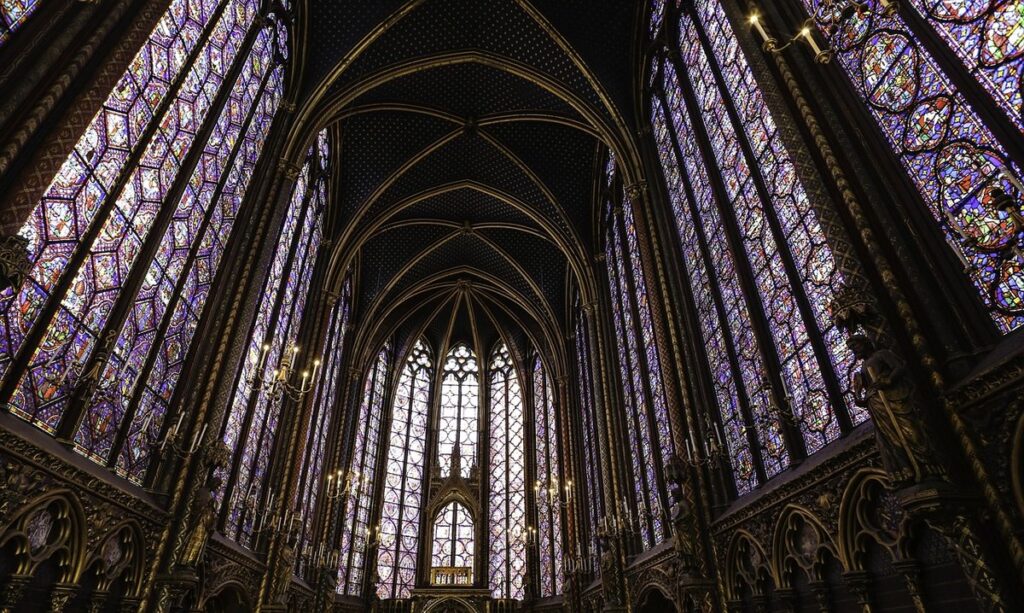
Introduction to UNESCO World Heritage Sites
If you’re new to UNESCO World Heritage Sites, this is a great place to start learning about the criteria and process behind these incredibly special places. In this section, we’ll introduce the basics of what makes a site a UNESCO World Heritage Site.
What are UNESCO World Heritage Sites?
The UNESCO World Heritage Convention is an international treaty adopted in 1972 to identify, protect, and conserve cultural and natural heritage sites around the world. The Convention defines the criteria for designation as a UNESCO World Heritage Site, which are based on their cultural, natural, or mixed (both cultural and natural) significance.
To be considered for designation, a site must meet at least one of the ten selection criteria established by UNESCO. These criteria include properties that demonstrate a masterpiece of human creative genius, such as the Palace of Versailles in France, or those that exhibit an important interchange of human values over a span of time or within a cultural area. Other criteria include sites that bear a unique or exceptional testimony to a cultural tradition or to a civilization, such as the historic center of Paris.
The Convention also established the World Heritage List, which now includes over 1,000 sites from around the world. In France, these sites include iconic landmarks like the Notre-Dame Cathedral and the Mont-Saint-Michel, as well as lesser-known sites like the Lascaux Cave, which features ancient prehistoric paintings.
Importance of World Heritage Sites in France
These sites serve as a symbol of France’s rich cultural and natural heritage, attracting millions of visitors each year. The economic benefits of tourism are undeniable, but the importance of World Heritage Sites in France extends far beyond the financial realm. By preserving these sites, France is able to conserve its unique history, art, and architecture for future generations. This not only contributes to the country’s cultural identity but also fosters a sense of national pride.
The cultural significance of these sites is also crucial in promoting cross-cultural understanding and exchange. As UNESCO World Heritage Sites, they are recognized as having outstanding universal value, transcending national borders. This international recognition encourages countries to collaborate and share best practices in conservation and management. For example, the Palace of Versailles has been a model for international cooperation in preserving cultural heritage, with experts from around the world contributing to its conservation.
Furthermore, World Heritage Sites in France also play a vital role in promoting environmental conservation. Many of these sites are located in sensitive ecosystems, and their preservation helps to protect biodiversity and ecosystems. By protecting these sites, France is also protecting its natural resources and contributing to global efforts to preserve the environment.
Most Visited UNESCO World Heritage Sites in France
If you’re planning a trip to France, you won’t want to miss these incredible UNESCO World Heritage Sites that attract millions of visitors each year. Let’s take a closer look at the top destinations.
Palace of Versailles
The Palace of Versailles is a masterpiece of French architecture and one of the most visited UNESCO World Heritage Sites in France. Its grandeur and beauty are a testament to the country’s rich cultural heritage. The palace’s iconic Hall of Mirrors, with its 17 mirrors and 350 windows, is a breathtaking example of 17th-century opulence. The gardens, designed by André Le Nôtre, are equally impressive, featuring ornate fountains, statues, and walking paths.
The Palace of Versailles was built in the 17th century as a royal residence for King Louis XIV. Its architecture is a blend of French Renaissance and Baroque styles, with an emphasis on grandeur and symmetry. The palace’s interior is adorned with intricate frescoes, gilded ceilings, and elaborate chandeliers. Visitors can explore the palace’s opulent apartments, including the King’s and Queen’s chambers, as well as the Royal Chapel.
The palace’s gardens are a must-see, with their perfectly manicured lawns, topiaries, and flowerbeds. Visitors can stroll along the Grand Canal, visit the famous Orangery, and explore the Palace’s many hidden corners and secret gardens. With its stunning architecture, beautiful gardens, and rich history, the Palace of Versailles is a must-visit destination for anyone interested in French culture and history.
Notre-Dame Cathedral
Notre-Dame Cathedral, located on the Île de la Cité in the heart of Paris, is one of the most recognizable landmarks in the world. This magnificent Gothic cathedral has been a UNESCO World Heritage Site since 1991, and it’s easy to see why. Its stunning architecture, intricate stone carvings, and beautiful stained-glass windows have captivated visitors for centuries. The cathedral’s history dates back to the 12th century, when it was built on the site of a smaller church. Over the centuries, it has been rebuilt, restored, and modified numerous times, with the most famous example being the addition of the iconic Rose Window in the 13th century.
Today, Notre-Dame Cathedral is not only a place of worship but also a symbol of French culture and history. It has inspired countless artists, writers, and musicians, including Victor Hugo, who wrote the novel “The Hunchback of Notre-Dame” in part about the cathedral. Visitors from around the world flock to see the cathedral’s majestic facade, the beautiful altar, and the famous gargoyles that sit atop the building. The cathedral’s impact on French culture is immeasurable, and its beauty and significance continue to inspire awe in all who visit.
Mont-Saint-Michel
Perched on a tiny island off the coast of Normandy, Mont-Saint-Michel is a medieval abbey surrounded by towering walls and a picturesque moat. The abbey’s unique location, a rocky outcrop in the midst of the bay, has made it a formidable defensive stronghold throughout history. The abbey’s natural and cultural significance are deeply intertwined, with the salt marshes and bay serving as a vital habitat for a variety of wildlife, including birds and sea creatures. Visitors can explore the abbey’s grand halls, cloisters, and chapels, as well as the ramparts and fortifications that protect the complex.
The abbey’s architecture is a testament to its rich history, with the Romanesque and Gothic styles blending together in a harmonious fusion. The stunning views of the bay and the surrounding landscape make Mont-Saint-Michel a breathtaking sight to behold. To make the most of your visit, consider exploring the abbey and its surroundings during low tide, when the tide recedes and exposes the vast, sandy expanse of the bay. This is also an excellent time to observe the abbey’s unique relationship with the natural environment. Be sure to plan ahead and check tide times, as the experience can be quite different depending on the time of day and the tide.
French Riviera and the Mediterranean Coast
The stunning French Riviera and Mediterranean Coast are home to several breathtaking UNESCO World Heritage Sites, showcasing the region’s rich history and natural beauty.
French Riviera (Côte d’Azur)
The French Riviera, also known as the Côte d’Azur, boasts an impressive coastline that stretches for miles, featuring an array of picturesque beaches, charming towns, and quaint villages. The region’s rich history and cultural significance have earned it a place on the UNESCO World Heritage list. One of the most notable towns along the Côte d’Azur is Villefranche-sur-Mer, with its brightly colored buildings and stunning harbor. The town’s picturesque old town is filled with cobblestone streets and historic buildings, making it a must-visit destination for anyone exploring the region.
The beaches of the Côte d’Azur are equally impressive, with the famous Plage de la Croisette in Cannes being a particular standout. This bustling beach is lined with luxury hotels, restaurants, and shops, and is a popular spot for people-watching and soaking up the sun. However, for those looking to escape the crowds, there are plenty of secluded coves and beaches to discover along the coast. Some of the most beautiful villages in the region include Eze, with its breathtaking views of the Mediterranean, and Saint-Paul-de-Vence, with its historic old town and charming narrow streets.
Port-Cros National Park
Port-Cros National Park is a unique gem located off the French Riviera. The park is comprised of a cluster of islands and islets, with the main island, Porquerolles, being the largest. Its designation as a UNESCO Biosphere Reserve in 1972 acknowledges the park’s exceptional marine ecosystem. This distinction recognizes the area’s efforts to balance conservation and human activity, showcasing a model for sustainable development.
The park’s marine ecosystem is characterized by crystal-clear waters, diverse marine life, and an array of flora. A variety of species, including fish, birds, and even marine mammals, can be found here. The park’s designation as a biosphere reserve encourages research, education, and community involvement in conservation efforts. Visitors can participate in guided tours and activities, such as snorkeling and scuba diving, to experience the park’s natural beauty firsthand. These efforts contribute to the preservation of the park’s delicate ecosystem, making it an exemplary model for environmental stewardship.
Calanques de Cassis
The Calanques de Cassis, a group of narrow inlets carved into the limestone cliffs of the Mediterranean coast, are a breathtaking example of the region’s rugged natural beauty. This stretch of coastline, situated near the picturesque town of Cassis, is characterized by steep cliffs, hidden coves, and crystal-clear waters. The area’s unique geology has created a diverse range of flora and fauna, with some species found nowhere else in the world.
The Calanques de Cassis are a popular destination for hikers and nature enthusiasts, with several well-marked trails that wind through the area’s scenic landscapes. Visitors can explore the calanques by boat, taking in the stunning views of the coastline from the water. The area’s natural beauty has also inspired artists and writers, who come to the region to capture its essence on canvas or in words.
To fully appreciate the Calanques de Cassis, it’s essential to visit during the spring or autumn, when the weather is mild and the crowds are smaller. Summer can be hot and crowded, while winter months may make some trails inaccessible. With its unique landscapes and rich biodiversity, the Calanques de Cassis is a must-visit destination for anyone interested in exploring France’s natural heritage.
Châteaux and Castles of the Loire Valley
The Loire Valley is home to some of France’s most stunning and historic châteaux and castles, including Chenonceau and Chambord, which showcase the region’s rich architectural heritage.
Château de Chambord
The Château de Chambord, located in the Loire Valley, is one of the most iconic and recognizable châteaux in France. Its unique architecture, a blend of Renaissance and Gothic styles, sets it apart from other castles in the region. The château’s distinctive double helix staircase, with 274 steps, is a masterpiece of Renaissance design and a testament to the ingenuity of its 16th-century builders.
Built in the early 16th century for King Francis I, the Château de Chambord is a showcase of French art and architecture. Its exterior, with its imposing keep and symmetrical façade, is a striking example of the Renaissance style. The interior, adorned with ornate woodwork, stone carvings, and tapestries, is a treasure trove of French artistic heritage.
The château’s history is closely tied to the French monarchy, and it has played host to numerous royal events and ceremonies over the centuries. Today, the Château de Chambord is one of the most visited châteaux in the Loire Valley, attracting millions of visitors each year. Its grandeur, beauty, and rich history make it a must-see destination for anyone interested in exploring France’s rich cultural heritage.
Château de Chenonceau
The Château de Chenonceau, situated in the Loire Valley, is a testament to French history and architecture. This picturesque castle has a unique story, with its construction spanning several centuries. Initially built in the 12th century, the château underwent significant transformations under the supervision of Catherine de’ Medici and Diane de Poitiers. The resulting blend of Renaissance and Gothic styles showcases the innovative spirit of the time.
One of the most striking features of the Château de Chenonceau is its extensive gardens, designed by Catherine de’ Medici. The gardens are divided into five distinct sections, each with its own unique character. Visitors can explore the beautiful flower arrangements, walking paths, and ornate fountains that make this a must-see attraction.
The château’s architecture and history are inextricably linked to the French monarchy and its nobility. As a result, the Château de Chenonceau offers a glimpse into the lives of the aristocracy during the Renaissance period. Today, visitors can explore the castle’s opulent interiors, including the grand halls, bedrooms, and chapel.
Château de Villandry
The Château de Villandry is a testament to the ingenuity and beauty of French Renaissance architecture. This 16th-century castle boasts an impressive façade, adorned with an intricate system of battlements and towers. The château’s design is characteristic of the French Renaissance style, with its symmetrical layout and ornate details.
One of the standout features of Château de Villandry is its exquisite gardens. The castle’s owners, the Perrault family, commissioned the design of these gardens in the 17th century. The result is a harmonious blend of nature and art, with perfectly manicured topiaries, fountains, and walking paths. The gardens are divided into four distinct sections, each showcasing a different style of French garden design.
The château’s gardens are not only visually stunning but also provide a tranquil escape from the castle’s opulence. Visitors can stroll along the paths, taking in the sights and sounds of the gardens. The Château de Villandry is a must-visit destination for anyone interested in Renaissance architecture and horticulture. Its unique blend of art and nature makes it a standout among the Loire Valley’s many châteaux.
Prehistoric Sites and Ancient Ruins
As we explore France’s rich cultural heritage, we’ll visit some of the country’s most fascinating prehistoric sites, where ancient civilizations once thrived. From mysterious megaliths to majestic Roman ruins, discover the secrets of France’s ancient past.
Lascaux Cave
The Lascaux Cave is a UNESCO World Heritage Site located in the Dordogne region of southwestern France. The cave’s walls are adorned with vivid cave paintings created by prehistoric humans between 17,000 and 15,000 years ago. These paintings depict a range of animals, including horses, deer, and bison, which were likely hunted by the cave’s inhabitants. The cave’s paintings are significant because they provide a unique glimpse into the lives and culture of prehistoric humans.
The paintings are not only aesthetically striking but also offer important insights into the diet, hunting practices, and spirituality of the people who created them. For example, the presence of red deer and horses suggests that the cave’s inhabitants relied heavily on these animals for food. The paintings also feature abstract symbols, which may have held spiritual or ritual significance.
The Lascaux Cave has undergone significant restoration efforts in recent years to preserve the fragile paintings and prevent further deterioration. Visitors can now view the cave’s paintings through a series of replicas, allowing them to appreciate the cave’s significance without putting the original paintings at risk.
Roman Ruins of Arles
The Roman Ruins of Arles are a testament to the region’s rich history, showcasing the remnants of the Roman Empire’s presence in southern France. Located in the heart of Arles, the ruins include the well-preserved Amphitheater and the Forum. The Amphitheater, built in the 1st century AD, is one of the best-preserved ancient Roman structures in the world. Its original seating capacity was approximately 20,000 spectators, who would have gathered to watch gladiatorial contests, public executions, and other events.
The nearby Forum was the heart of Arles’ Roman commercial and administrative center, featuring temples, basilicas, and markets. Today, visitors can explore the remains of the Forum, including the impressive Thermes de Constantin, a Roman bathhouse built in the 4th century AD. The Roman Ruins of Arles provide a unique glimpse into the daily lives of ancient Romans, and their significance is reflected in their inclusion as a UNESCO World Heritage Site. Visitors can walk through the ruins, imagining the sights and sounds of a bustling Roman city.
Carnac Stones
The Carnac Stones, a series of 3,000 ancient stone alignments, stretch for 20 kilometers along the coast of Brittany, France. This enigmatic site has captivated visitors for centuries, sparking debate about its purpose and significance. Archaeologists believe the alignments, built between 4500 and 2500 BCE, may have served as a giant calendar or astronomical observatory. The stones, some of which weigh up to 20 tons, are arranged in a precise grid, with some alignments aligning with celestial bodies such as the rising sun. The Carnac Stones are considered one of the most impressive examples of prehistoric engineering in the world. Visitors can walk the alignments, taking in the sheer scale and complexity of the site. While some stones have been moved or damaged over the centuries, the site remains remarkably well-preserved, offering a glimpse into the lives and culture of the people who built it. Visitors can also explore the nearby Museum of Prehistory and Early History, which provides context and insight into the site’s history and significance.
UNESCO World Heritage Sites in France: Challenges and Conservation Efforts
France’s UNESCO World Heritage Sites are facing numerous challenges, from over-tourism to climate change, threatening their very existence. We’ll explore the efforts underway to conserve these cultural treasures.
Threats to World Heritage Sites in France
Climate change poses a significant threat to many of France’s World Heritage Sites, particularly those with fragile ecosystems or exposed architecture. Rising temperatures and sea levels threaten the integrity of coastal sites like Mont-Saint-Michel, while altering weather patterns increase the risk of devastating floods, as seen in the 2020 floods in the Loire Valley.
Over-tourism is another pressing concern, with some sites receiving unsustainable numbers of visitors. This can lead to erosion, damage to infrastructure, and strain on local resources. For example, the Palace of Versailles has implemented crowd control measures, including limiting visitor numbers and introducing a ticketing system, to mitigate the impact of tourism.
Human impact is also a significant threat, with many sites facing damage from human activities such as construction, mining, and pollution. The Lascaux Cave, a prehistoric site featuring ancient cave paintings, was closed to visitors in 2000 due to the risk of damage from tourists. Today, only replicas of the paintings are on display, and visitors can view the original site through a glass wall. These examples highlight the need for effective management and conservation plans to protect France’s cultural and natural heritage.
Conservation Efforts and Management Plans
Restoration projects are underway at many UNESCO World Heritage Sites in France, aimed at preserving the integrity and authenticity of these cultural and natural treasures. For instance, the restoration of the Palace of Versailles’ Hall of Mirrors is a multi-year project that involves meticulous repair of the intricate moldings and gilding. Similarly, the Notre-Dame Cathedral’s reconstruction effort is focused on restoring its historic Gothic architecture and iconic spire.
Sustainable tourism practices are also being implemented to mitigate the impact of tourism on these sites. For example, the Mont-Saint-Michel abbey has introduced a timed-entry system to control visitor numbers and reduce congestion. This approach helps prevent erosion of the abbey’s foundations and minimizes the impact of tourism on the surrounding bay.
To ensure the long-term conservation of these sites, UNESCO has established a set of management plans that prioritize site-specific conservation strategies. These plans are developed in collaboration with local authorities, conservation experts, and local communities. Some notable examples include the management plan for the Calanques de Cassis, which aims to balance tourism development with environmental protection.
Conclusion: Preserving France’s Rich Cultural Heritage
As we wrap up our journey through France’s breathtaking UNESCO World Heritage Sites, let’s reflect on the importance of preserving these incredible cultural treasures for future generations.
Recap of UNESCO World Heritage Sites in France
The UNESCO World Heritage Sites in France are a testament to the country’s rich cultural and historical heritage. This recap highlights the most notable sites, emphasizing their significance and importance. From the Palace of Versailles, a masterpiece of 17th-century French architecture, to the Roman Ruins of Arles, a glimpse into the country’s ancient past, each site offers a unique perspective on France’s history and culture.
The Châteaux and Castles of the Loire Valley, such as the Château de Chambord and Château de Chenonceau, showcase the region’s stunning architecture and picturesque landscapes. The Prehistoric Sites and Ancient Ruins, including the Lascaux Cave and Carnac Stones, provide a fascinating glimpse into France’s early human settlements and ancient civilizations.
These sites not only hold cultural significance but also contribute to France’s economy and tourism industry. With over 50 million visitors annually, the Palace of Versailles alone generates substantial revenue for the country. By preserving these sites, France ensures the continuation of its rich cultural heritage for future generations, promoting cross-cultural understanding and exchange. The country’s efforts to protect and conserve these sites are a testament to its commitment to preserving its unique cultural identity.
Future of World Heritage Sites in France
To ensure the continued preservation of France’s rich cultural heritage, UNESCO plays a vital role in protecting its World Heritage Sites. The organization’s conservation efforts are crucial in safeguarding these sites from the effects of climate change, urbanization, and human impact. For instance, the iconic Notre-Dame Cathedral, which suffered a devastating fire in 2019, is undergoing a painstaking restoration process with UNESCO’s guidance. Similarly, the Palace of Versailles has implemented sustainable practices to reduce its carbon footprint and mitigate the effects of tourism on the site.
UNESCO’s involvement in the conservation efforts of World Heritage Sites in France also ensures that local communities are engaged in the preservation process. By involving local stakeholders and implementing management plans, UNESCO promotes a collaborative approach to conservation. This collaborative approach has been successful in sites such as the Prehistoric Sites and Ancient Ruins, where local communities have worked with UNESCO to develop sustainable tourism practices that balance economic benefits with environmental protection.
Frequently Asked Questions
Can I visit all 14 UNESCO World Heritage Sites in France in one trip?
Yes, it’s possible to visit multiple sites in one trip, but it’s essential to prioritize the sites that interest you most and plan accordingly, considering travel times and accommodation. Consider focusing on a specific region, such as the Loire Valley or the French Riviera, to make the most of your trip.
What are the best ways to support conservation efforts at UNESCO World Heritage Sites in France?
Visitors can contribute to conservation efforts by choosing responsible tour operators, respecting site rules, and supporting local communities through sustainable tourism practices. Additionally, consider donating to reputable organizations dedicated to protecting and preserving these sites.
How do I ensure I’m visiting the UNESCO World Heritage Sites in France during their off-peak season?
Off-peak season varies depending on the site, but generally, it’s from mid-April to mid-June and September to November. Consider visiting during these periods to avoid peak tourist season and support the sites’ conservation efforts.
Can I take photographs of the UNESCO World Heritage Sites in France for commercial use?
Yes, if you obtain the necessary permissions and follow the site’s photography policies. Some sites may have restrictions or require a permit for commercial photography, so it’s essential to check beforehand to avoid any issues.
What if I want to visit a UNESCO World Heritage Site in France but it’s closed due to conservation or maintenance work?
Check the site’s official website or contact local tourist information offices for updates on closures and scheduled maintenance. You can also consider visiting adjacent sites or exploring alternative attractions in the same region.