
French culture is one of the most fascinating and influential in the world. From its rich history to its vibrant art, music, and cuisine, France has a unique charm that captivates people from all corners of the globe. But what makes French culture so special? For starters, it’s a blend of ancient influences – think Roman ruins and Gothic cathedrals – with modern-day trends that make Paris one of the most stylish cities on earth. And then there’s the food: escargots, croissants, and cheese galore! But beneath all the surface-level glamour lies a complex society with its own etiquette, customs, and traditions. In this article, we’ll delve into the heart of French culture, exploring what makes it so distinctive and enduring. We’ll take you on a journey through art, music, cuisine, and daily life in France, giving you a deeper understanding of this extraordinary country’s unique heritage.
The History and Evolution of French Culture
From its ancient Celtic roots to the Renaissance and Enlightenment eras, French culture has been shaped by a rich tapestry of influences over the centuries. Let’s dive into this fascinating history together.
Early Influences: Roman and Medieval Eras
French culture has been shaped by various influences throughout its history. One of the earliest and most significant impacts on French culture came from the Roman occupation of Gaul (modern-day France) from 51 BC to 486 AD. During this period, the Romans introduced their language, architecture, and governance systems, which laid the foundation for future cultural developments.
The Roman influence can be seen in many aspects of French culture, such as its language, cuisine, and art. For example, the French language still retains many Latin roots and words, while its cuisine reflects the use of olive oil, garlic, and other Mediterranean ingredients introduced by the Romans.
As the Roman occupation came to an end, the medieval period brought another significant influence on French culture. The medieval era saw the rise of monasteries and churches, which became centers of learning, art, and literature. This period also saw the development of chivalry, a code of conduct that emphasized honor, loyalty, and courtesy.
The interplay between Roman and medieval influences helped shape France’s unique cultural identity. Understanding these early influences provides valuable insights into the evolution of French culture and its lasting impact on contemporary society. By appreciating this heritage, visitors can better connect with the country’s rich history, art, architecture, and traditions.
The Renaissance and Enlightenment Periods
The Renaissance and Enlightenment periods had a profound impact on shaping French culture. During this time, France experienced significant cultural, artistic, and philosophical transformations that continue to influence its identity today.
In the 16th century, French artists such as François Clouet and Jean Goujon made groundbreaking contributions to painting and sculpture. Their work not only showcased their technical mastery but also reflected the growing interest in classical forms and proportions. Similarly, writers like Rabelais and Montaigne pushed the boundaries of literature, exploring themes of individualism and intellectual curiosity.
Notable figures from this period include Francis Bacon, who visited Paris and was influenced by French philosophy, and René Descartes, a French philosopher who formulated the philosophical concept “I think, therefore I am.” The Edict of Nantes (1598) also marked an important milestone in French history, granting Huguenots (French Protestants) greater freedom of worship. These events demonstrate how the Renaissance and Enlightenment periods fostered an atmosphere of creativity, intellectualism, and tolerance that continue to shape French culture.
The legacy of this era can be seen in France’s ongoing commitment to arts and humanities education, its rich literary heritage, and its continued emphasis on individual rights and freedoms.
The Impact of Revolution and Empire-Building
The French Revolution’s far-reaching impact on the country’s culture is undeniable. As the monarchy was dismantled and a new system of governance was established, the cultural landscape began to shift dramatically. The Enlightenment’s emphasis on reason, individualism, and liberty resonated deeply with the French people, leading to a seismic shift in their values and priorities.
The Revolution’s emphasis on egalitarianism and meritocracy paved the way for the rise of a more inclusive and diverse artistic community. Artists such as Jacques-Louis David and Jean-Auguste-Dominique Ingres began to emphasize classical ideals and patriotic themes, reflecting the nation’s new values. As France expanded its territories through empire-building, it brought about the fusion of various cultures, influencing French art, literature, and music.
This cultural melting pot is evident in the works of French writers like Victor Hugo and Alexandre Dumas, who drew inspiration from diverse sources to create their iconic masterpieces. The Revolution’s impact can still be seen in modern-day France, where the pursuit of liberté, égalité, fraternité remains a core value. By understanding the historical context and evolution of these values, visitors to France can better appreciate the country’s rich cultural heritage.
French Cuisine: A Reflection of the Culture
French cuisine is a vital aspect of French culture, showcasing the country’s rich culinary heritage and traditions that have been refined over centuries. In this next part, we’ll delve into its significance and enduring influence.
Traditional Dishes and Ingredients
French cuisine is an integral part of the country’s rich culture and heritage. When it comes to traditional French dishes, certain ingredients and preparation methods are more prevalent than others. One such iconic dish is escargots, typically served as an appetizer and prepared with garlic butter, parsley, and white wine.
Croissants are another quintessential French pastry that has gained international popularity. These flaky pastries originated in the 17th century and have since become a staple in bakeries across France. To experience authentic croissants, look for ones made from high-quality butter and prepared using the traditional lamination technique.
Coq au vin is a classic French dish originating from the Burgundy region. This braised chicken dish is cooked with red wine, mushrooms, onions, and bacon, resulting in tender meat and rich flavors. While it may seem complex to prepare coq au vin at home, the key lies in using quality ingredients and patience during cooking.
Some of these dishes are best paired with a glass of fine French wine, such as Bordeaux or Burgundy. Exploring French cuisine is not only about trying new foods but also about immersing yourself in its rich history and cultural significance.
Wine and Cheese Production
France is renowned for its rich wine and cheese-making traditions, which have become an integral part of the country’s identity. The production of fine wines and artisanal cheeses has been a labor of love for generations of French vintners and fromagers.
The country is home to some of the world’s most famous wine regions, including Bordeaux, Burgundy, and Champagne. These regions produce some of the finest wines in the world, each with its unique terroir and characteristics. For example, the full-bodied reds of Bordeaux are known for their complexity and aging potential, while the delicate whites of Burgundy are prized for their elegance and finesse.
France’s cheese-making tradition is equally impressive, with over 400 types of artisanal cheeses produced across the country. From the creamy Brie to the nutty Comté, each region has its unique cheese specialties. The production process involves careful selection of milk from local farms, followed by traditional techniques such as affinage and aging.
When exploring French wine and cheese, it’s essential to understand the nuances of terroir and how it impacts flavor profiles. For instance, a rich, fruity Merlot is best paired with the creamy textures of Brie or Camembert.
The Role of Food in French Social Life
In France, mealtimes are not just about sustenance; they’re an integral part of the country’s social fabric. The art of dining is deeply ingrained in French culture, with a strong emphasis on etiquette and social norms that revolve around food. When it comes to mealtimes, the French place great importance on the company, conversation, and the overall experience.
To dine like a true Frenchman, you must understand the significance of “l’appétit” – not just hunger, but also the pleasure of eating. This means savoring each bite, enjoying the flavors, and engaging in stimulating conversations with your fellow diners. When sharing a meal, it’s customary to address the host or the most senior person at the table first, using formal titles such as “monsieur” or “madame.”
The French also observe specific rules of etiquette during meals, like not starting to eat until everyone has received their food and not leaving the table until the main course is finished. By embracing these customs, you’ll be welcomed into the heart of French culture, where mealtimes are a cherished tradition that brings people together.
Artistic Expression: From Impressionism to Modern Times
French art has been shaped by some of the world’s most iconic movements, from Impressionism’s dreamy landscapes to the bold strokes of modern art. Let’s explore this vibrant heritage together!
The Rise of Impressionism and Post-Impressionism
The early 20th century was a transformative period for French art, marked by two distinct movements that revolutionized the way artists perceived and represented reality. Impressionism, which emerged in the late 19th century, focused on capturing the fleeting moments of modern life through spontaneous, outdoor painting sessions. Claude Monet’s water lilies series and Pierre-Auguste Renoir’s vibrant portraits are quintessential examples of the movement’s emphasis on light and color.
As Impressionism evolved, a new movement emerged: Post-Impressionism. Characterized by bold colors, distorted forms, and a focus on the artist’s inner experience, Post-Impressionism paved the way for Expressionism and Fauvism. Paul Cézanne’s fragmented landscapes and Vincent van Gogh’s expressive brushstrokes are testaments to this movement’s innovative spirit.
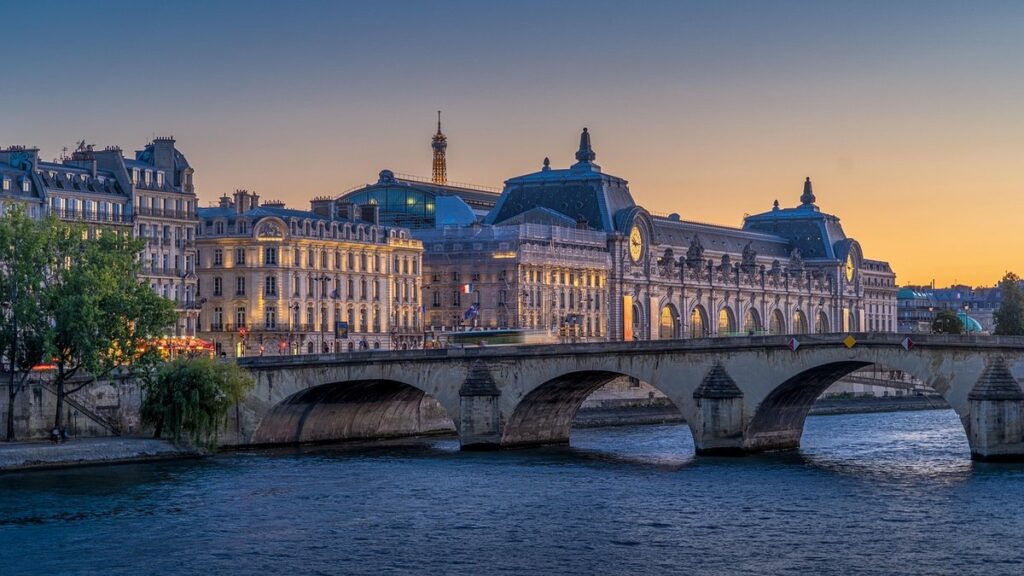
Art lovers can experience these movements firsthand by visiting museums like the Musée d’Orsay in Paris, which boasts an impressive collection of Impressionist and Post-Impressionist masterpieces. Visitors can also explore the city’s many art galleries and ateliers, where local artists continue to push the boundaries of French artistic expression.
Cubism and Surrealism in France
Cubism and Surrealism emerged as pioneering art movements in France during the early 20th century. These avant-garde styles not only transformed the French art scene but also had a profound impact on global artistic expression.
Cubism, pioneered by Pablo Picasso and Georges Braque, rejected traditional techniques of perspective and representation. By breaking objects into geometric shapes and fragmenting them into multiple viewpoints, Cubists created a new visual language that emphasized spatial relationships over realistic depictions. The movement’s innovations can be seen in the works of French artists like Fernand Léger and Jean Metzinger.
Surrealism, led by André Breton, pushed the boundaries even further by exploring the subconscious mind and the world of dreams. Artists like Salvador Dalí and René Magritte created unsettling yet fascinating works that blurred the lines between reality and fantasy. These movements not only revolutionized art but also influenced literature, film, and design.
Today, Cubism and Surrealism continue to inspire artists worldwide. If you’re interested in exploring these styles further, consider visiting the Musée National d’Art Moderne in Paris or studying the works of French masters like Picasso and Dalí.
Contemporary French Artists and Trends
French culture has long been synonymous with artistic expression. While you may be familiar with the works of Claude Monet and Pierre-Auguste Renoir from the Impressionist era, modern-day French artists continue to push boundaries and redefine the art world. Today, France is home to a vibrant community of contemporary artists exploring diverse styles and themes.
One notable trend is the resurgence of street art in Paris. Artists like JR and Invader have gained international recognition for their large-scale murals and public installations that blend graffiti with social commentary. You can explore this scene by visiting the Canal Saint-Martin or the Belleville neighborhood, where many urban artists showcase their work. Another style gaining traction is Hyperrealism, exemplified by artists such as Hervé Guichard and Camille Rose Garcia. These artists create detailed, photorealistic works that blur the line between painting and photography.
French contemporary art often explores themes of identity, human condition, and environmental sustainability. Artists like Pierre Bonnefille and Fabienne Verdier use their work to address pressing social issues, challenging viewers to think critically about the world around them.
Music and Dance: A Vital Part of French Culture
Music is a vital part of French culture, with rich traditions of classical music, jazz, and folk dance that reflect the country’s history and diversity. Let’s explore some of its most iconic musical styles and dances.
The Role of Opera and Classical Music
Opera and classical music have long been revered institutions in France, reflecting the country’s rich cultural heritage. For centuries, opera has played a significant role in French entertainment, with iconic venues like the Palais Garnier in Paris continuing to showcase world-class performances. Composers such as Claude Debussy and Maurice Ravel drew inspiration from French landscapes and mythology, further solidifying opera’s place in the nation’s artistic identity.
Classical music also holds great importance in France, with esteemed institutions like the Conservatoire de Paris serving as a breeding ground for talented musicians. The country is home to numerous orchestras, including the Orchestre National d’Île-de-France, which regularly performs at venues across the capital. When exploring French culture, take the opportunity to attend an opera or classical music performance – it’s a truly immersive experience that showcases the nation’s artistic prowess.
In fact, attending a Paris Opera Ballet production is a quintessential part of any French cultural experience. With its majestic choreography and rich history, this experience is sure to leave you enchanted by the beauty of French ballet.
Jazz and American Influence on French Music
French musicians have long been drawn to the rich sounds and improvisational spirit of jazz, which has had a profound influence on French music. In the 1940s and 1950s, American jazz musicians like Sidney Bechet and Dizzy Gillespie began touring Europe, introducing French audiences to this exciting new genre. As a result, many French musicians were inspired to create their own unique blend of jazz and traditional French music.
One notable example is Édith Piaf, who infused her cabaret songs with the spirit of American blues. Her hits like “La Vie En Rose” show the influence of African-American musical traditions on French popular music. Even modern-day artists like Carla Bruni and Thomas Dutronc have cited jazz and American influences in their work.
To experience the fusion of jazz and French music, visit Paris’s iconic Duc des Lombards club or attend a performance by the Orchestre National de Jazz, both of which showcase the country’s vibrant jazz scene. By embracing this eclectic blend, you’ll gain a deeper understanding of France’s rich musical heritage.
Traditional French Dances, such as the Waltz and Tango
Traditional French dances have been an integral part of the country’s culture for centuries. The waltz and tango are two classic styles that originated in Europe but gained immense popularity in France during the 18th and 19th centuries.
The waltz, with its signature rise and fall movement, became a staple at French balls and social gatherings. It was considered a symbol of sophistication and elegance, with couples gliding across the dance floor to the rhythm of classical music. The waltz is believed to have been introduced by Austrian composer Johann Strauss II, but it quickly gained popularity in France due to its lyrical quality.
The tango, on the other hand, is often associated with passion and sensuality. Originating from Argentina, it made its way to France through Latin American immigration and quickly became a favorite among French dance enthusiasts. With its strong emphasis on rhythm and improvisation, the tango requires great skill and practice to master. Today, both the waltz and tango are still widely danced in France, often at traditional ballrooms and cultural events.
If you’re interested in learning these traditional dances, consider taking a class with an experienced instructor or attending a dance workshop. With practice and patience, you can master the basic steps of the waltz and develop your own unique style in tango.
Cultural Norms and Etiquette: Understanding French Society
As you navigate France, it’s essential to understand the nuances of local customs and etiquette that will make your interactions with the French more enjoyable and respectful. From formal greetings to dining manners, we’ll break down what you need to know.
Social Hierarchy and Tipping Customs
When navigating French society, it’s essential to understand the nuances of social hierarchy and tipping customs. Unlike many other cultures, France places great emphasis on formal etiquette and respect for authority. In everyday interactions, you’ll often notice a strict adherence to titles and last names, even among close friends. For example, instead of using first names, you’d address someone as “Monsieur” or “Madame” followed by their surname.
When it comes to tipping, French customs differ significantly from those in the US. Tipping is not expected in France, especially in casual settings like cafes and bistros. In fact, leaving a tip can even be seen as an insult, implying that the service was inadequate. However, if you receive exceptional service, rounding up the bill to the nearest euro or leaving a small amount (around 5-10%) is acceptable.
To avoid unintentionally offending locals, it’s best to stick with formal titles and last names in most situations, and only use first names among close friends after being explicitly invited to do so.
Respect for Tradition and History
Respecting tradition and preserving cultural heritage is deeply ingrained in French society. From the grand châteaux to the quaint village squares, every aspect of France’s rich history is carefully preserved and celebrated. Visitors often notice that many historic buildings have been meticulously restored to their original state, and museums are filled with artifacts from bygone eras.
For example, the Palace of Versailles is an iconic symbol of French grandeur, and its opulent decor has remained largely unchanged since the 17th century. Similarly, the Musée d’Orsay in Paris houses an impressive collection of Impressionist masterpieces that reflect France’s artistic heritage.
When exploring French culture, it’s essential to be mindful of these traditions. Respect for history is evident in everyday life, from the way locals interact with each other to the elaborate festivals and celebrations throughout the year. By embracing this aspect of French society, you can gain a deeper understanding of its people and their values. Try attending a traditional folk dance or music performance to experience France’s cultural heritage firsthand.
Frequently Asked Questions
How can I apply the principles of French culture to my own life or travels?
You can apply the principles of French culture by embracing the concept of “joie de vivre” (the joy of living) and focusing on enjoying the present moment. Take time to appreciate the beauty of art, music, and cuisine, and don’t be afraid to try new things. When traveling to France, immerse yourself in the local culture by trying traditional dishes, attending a wine tasting, or visiting a famous museum.
What are some common misconceptions about French people or their culture that I should be aware of?
One common misconception is that the French are rude or unfriendly, but this is often due to misunderstandings about cultural norms and etiquette. In reality, the French place great value on politeness and respect for tradition. Be mindful of social hierarchy and tipping customs when interacting with locals.
How can I navigate the complexities of French cuisine and wine culture as a beginner?
Start by exploring traditional dishes like escargots and croissants, which are often available in restaurants or cafes. Don’t be intimidated to try new ingredients and flavors, and consider taking a cooking class or wine tasting course to learn more about French culinary traditions.
Are there any tips for understanding and respecting the cultural norms and etiquette of France?
Yes! One key aspect is respect for tradition and history, which is deeply ingrained in French culture. Be mindful of social hierarchy and tipping customs, and avoid loud behavior or disruption in public spaces. Take time to learn about local customs and traditions before traveling to ensure a respectful and enjoyable experience.
Can you recommend any resources or tools for further learning about French art, music, and culture?
Yes! Consider visiting the Louvre Museum online archive, which offers interactive exhibits and educational resources on French art and history. For music lovers, explore online platforms like France Musique or France Inter, which offer a wide range of classical and contemporary music programs.

