Growing up in a non-Arabic speaking household, I never knew the rich culture and language of my heritage. My life was vastly different from the one I’ve come to love and appreciate, having made the conscious decision to learn and immerse myself in Arabic. The journey wasn’t easy, but it’s been life-changing. I recall struggling to communicate with family members who spoke only Arabic, feeling disconnected from a part of myself. But as I began to learn the language and explore the culture, I started to feel a sense of belonging. In this article, I’ll share my personal story of embracing Arabic culture and language, and how it has transformed my life. By the end of it, you’ll have a better understanding of how learning a new language and culture can deepen your connection with your heritage.
Introduction to My Arabic Heritage
Growing up, I was surrounded by the rich sounds and rhythms of the Arabic language, shaping my identity and sense of belonging in profound ways. This section shares the earliest memories that sparked my journey of self-discovery in Arabic.
My Family’s Roots in the Arab World
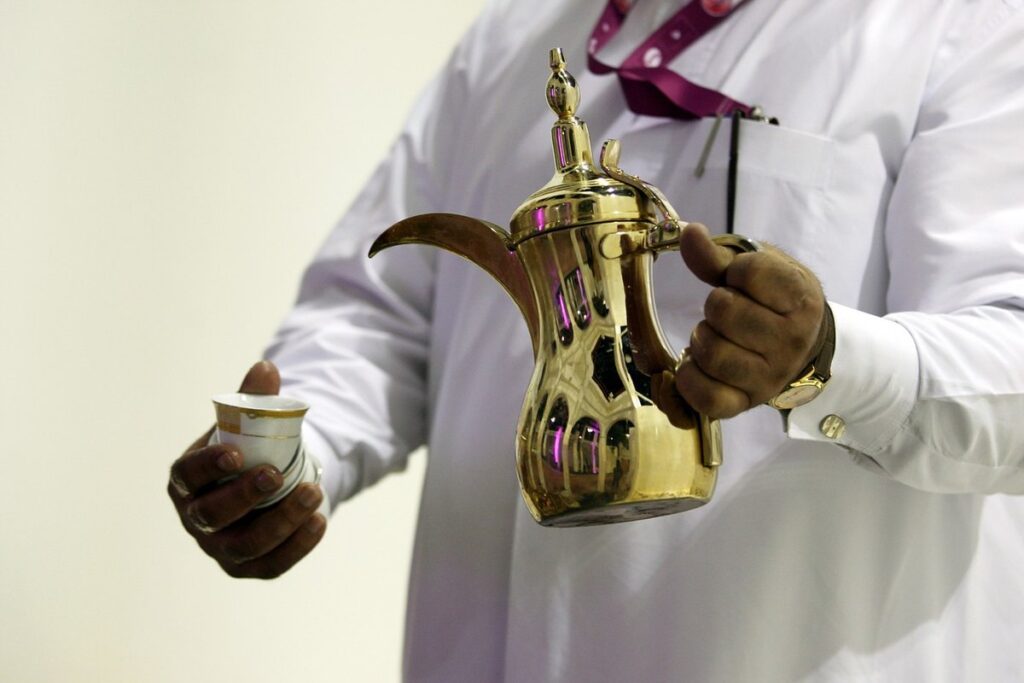
My family’s roots in the Arab world stretch back generations, with our ancestors hailing from a small village in Lebanon. Growing up, I was fascinated by the stories of our family’s history, which were passed down through oral tradition. My grandmother would often regale me with tales of our ancestors’ struggles and triumphs, their daily lives shaped by the rhythms of the Mediterranean climate and the rhythms of Islam. I recall the way she’d describe the scent of jasmine wafting through the streets, the sound of call to prayer echoing from the mosques, and the taste of freshly baked khubz bread straight from the oven. These sensory details transported me to a world both foreign and familiar, a world that was both mine and yet, somehow, not. I began to realize that our family’s cultural traditions – from the way we celebrate Eid al-Fitr to the way we welcome guests with a cup of strong coffee – were not just quaint customs, but a living, breathing connection to our ancestral homeland.
Early Exposure to Arabic Language and Culture
Growing up, I was surrounded by the Arabic language and culture, thanks to my family’s roots in the Arab world. My earliest memories of Arabic date back to my childhood, when my parents would speak to me in Arabic and play traditional Arabic music in the background. My mother, in particular, made a conscious effort to keep our home environment rich in Arabic culture. She would cook traditional Arabic dishes, watch Arabic movies with me, and even taught me basic Arabic phrases like “As-salamu alaykum” (peace be upon you). These small interactions not only sparked my interest in the language but also created a sense of connection to my heritage. As I grew older, I began to appreciate the value of speaking Arabic and the doors it opened to communicate with family members and connect with my roots. My early exposure to Arabic laid the foundation for my lifelong journey with the language, and it’s a bond that continues to grow stronger with each passing day.
Learning Arabic: Challenges and Triumphs
Mastering the Arabic language has been a true test of patience and perseverance, and I’m excited to share some of the most significant challenges I’ve faced along the way. From struggling with pronunciation to overcoming cultural nuances.
The Struggle to Learn a New Language
Learning Arabic was not for the faint of heart. From the moment I attempted to decipher the intricacies of the Arabic script, I knew I was in for a challenge. The unique writing system, comprised of 28 letters and various diacritical marks, seemed to defy logic. I spent hours poring over textbooks and online resources, struggling to master the proper formation of letters and words.
The grammar, too, was a minefield. Arabic is a highly inflected language, with complex rules governing verb conjugation, noun declension, and sentence structure. I found myself constantly frustrated by the seemingly endless exceptions and irregularities. And then, of course, there was the vocabulary – a vast and unfamiliar expanse of words that seemed to hold secrets and nuances beyond my comprehension.
To make matters worse, Arabic has a distinct sound and rhythm, which can be disorienting for native English speakers. The emphasis on consonants over vowels, the use of consonant clusters, and the unique intonation patterns all contribute to a language that feels both beautiful and impenetrable.
Overcoming Obstacles and Staying Motivated
Finding the right resources can be a significant challenge when learning Arabic. I’ve learned that it’s essential to identify the type of learning style that suits you best. For example, I’ve found that watching Arabic videos on YouTube, such as news broadcasts and soap operas, helps me pick up conversational phrases and vocabulary. I also use language learning apps, like Duolingo, to supplement my studying. However, it’s crucial to be consistent with your practice. Set aside a specific time each day to review and practice your Arabic skills, even if it’s just for a few minutes.
To stay motivated, I remind myself why I’m learning Arabic in the first place. Whether it’s to connect with my heritage or to improve my career prospects, having a clear goal in mind helps me push through the tough times. I also try to find a language exchange partner or tutor who can provide support and accountability. For instance, I meet with a native Arabic speaker weekly to practice speaking and receive feedback on my pronunciation. This regular interaction helps me stay motivated and engaged in the learning process.
Immersion in Arabic Culture
As I immersed myself in Arabic culture, I was struck by the vibrant traditions and customs that surrounded me, from the intricate calligraphy to the warm hospitality of the people.
Traveling to Arab Countries and Experiencing the Culture
Traveling to Arab countries was a crucial part of immersing myself in the culture. I recall visiting Morocco for the first time, and being struck by the vibrant souks and bustling streets of Marrakech. As I wandered through the medina, I was constantly approached by locals who would ask about my Arabic heritage, and share their own stories of cultural traditions. I tried to soak up as much as I could, observing daily routines and asking questions whenever I could.
In Egypt, I had the chance to experience the rich history and culture of the Nile River region. I spent hours exploring the mosques and museums, listening to the calls to prayer and marveling at the intricate architecture. I was struck by the sense of community and hospitality that permeated every interaction, from sharing meals with locals to participating in traditional tea ceremonies.
One of the most valuable experiences was living with a host family in Jordan, where I learned about the intricacies of daily life in the Arab world. From the importance of respecting Ramadan traditions to the nuances of local customs, I gained a deeper understanding of the culture and its people.
Participating in Arabic Language and Cultural Events
Participating in Arabic language and cultural events has been an essential part of my immersion in the culture. I’ve attended numerous festivals, concerts, and language exchange programs, which have allowed me to connect with like-minded individuals and deepen my understanding of Arabic customs. One of my favorite events is the annual Arabic book fair, where I can browse through stalls selling Arabic literature and meet authors who share their stories and experiences.
I’ve also participated in language exchange programs, which have helped me improve my Arabic speaking skills and learn about the culture from native speakers. For instance, I attended a program that focused on Arabic calligraphy, where I learned about the history and significance of this art form in Arabic culture. Similarly, I’ve attended concerts featuring Arabic music, which has introduced me to the rich musical heritage of the Arab world.
Attending these events has not only enriched my knowledge of Arabic culture but also helped me build a network of friends who share my passion for the language and culture. I highly recommend participating in such events to anyone interested in immersing themselves in Arabic culture. By doing so, you’ll gain a deeper understanding of the culture and meet like-minded individuals who can support and guide you on your journey.
Arabic in My Daily Life
As I go about my daily routine, you’ll find Arabic woven into every aspect of my life, from the language I speak to the culture I engage with. From morning prayers to evening conversations.
Using Arabic in My Professional and Personal Life
Using Arabic in My Professional and Personal Life is a crucial aspect of maintaining my connection to my heritage. I’ve made a conscious effort to incorporate Arabic into various aspects of my daily routine, starting with my work. I’ve taken on projects that allow me to communicate with clients and colleagues in Arabic, which not only enhances my language skills but also fosters a deeper understanding of the culture. I also make it a point to read Arabic literature, including poetry and novels, which helps me stay current with the language and appreciate its rich literary heritage.
In my personal life, I’ve also found ways to use Arabic in meaningful ways. I often listen to Arabic music and watch Arabic films, which provides me with a glimpse into the culture’s vibrant arts scene. I also try to engage with Arabic-speaking friends and family, whether through phone calls, video chats, or in-person meetups. These interactions not only help me stay connected to my roots but also allow me to practice my language skills in a more conversational setting. By incorporating Arabic into both my professional and personal life, I’m able to maintain a strong sense of identity and connection to my heritage.
Navigating Language Barriers and Cultural Differences
In my daily life, I’ve encountered numerous situations where language barriers and cultural differences have posed challenges. For instance, during a business trip to Egypt, I struggled to communicate with local vendors due to the nuances of Egyptian Arabic. I had to rely on hand gestures and broken Arabic phrases to convey my needs. To overcome this, I made an effort to learn basic Egyptian Arabic phrases and even took a few Arabic language classes before my trip.
In a similar situation, I attended an Arabic cultural event where the organizers spoke little English. I had to rely on my knowledge of Arabic script and basic vocabulary to navigate the event’s schedule and activities. I also made an effort to speak with the organizers in Arabic, which helped to build rapport and facilitate communication.
One key takeaway from these experiences is the importance of humility and a willingness to learn. When faced with language barriers and cultural differences, it’s essential to approach the situation with an open mind and a willingness to adapt. By doing so, you can build bridges of communication and foster meaningful connections with people from diverse backgrounds.
The Role of Arabic in My Identity
Growing up with Arabic as a dominant language in my household, I often wondered how it shaped my sense of identity and culture. It’s in these moments that I’ve come to appreciate its profound impact on my life.
How Arabic Shapes My Sense of Self
Growing up in an Arab household, I was surrounded by the sounds, smells, and rhythms of Arabic. The language became an integral part of my daily life, and I soon discovered that it had a profound impact on my sense of self. Arabic words and phrases became a source of comfort and familiarity, evoking memories of family gatherings and cultural traditions. But beyond the language itself, I began to understand the values and principles that underpin Arabic culture. The concept of “karama” or generosity, for instance, taught me the importance of selflessness and humility. The idea of “haya” or modesty, on the other hand, encouraged me to be mindful of my actions and their impact on others. These values have become a part of my identity, influencing the way I interact with the world around me. By embracing my Arabic heritage, I’ve gained a deeper understanding of what matters most to me and what I want to pass on to others. This connection has also helped me navigate complex social situations and make decisions that align with my values.
Balancing Multiple Cultural Identities
Growing up with a strong Arabic heritage, I’ve often found myself caught between two worlds. My parents, though born and raised in the Arab world, moved to a Western country where I was raised. This meant I was exposed to both Arabic and Western cultures from a young age. As a result, I’ve developed a rich and complex cultural identity that’s both Arabic and Western. However, navigating this multicultural background hasn’t always been easy.
One of the biggest challenges I face is balancing my two identities. Sometimes, I feel like I’m not fully immersed in either culture. For instance, I may attend a traditional Arabic wedding, but struggle to understand the nuances of the customs and traditions. On the other hand, I may be invited to a Western friend’s gathering, but feel like an outsider due to my cultural differences. To overcome this, I’ve learned to appreciate the unique aspects of each culture and find common ground between them.
In terms of practical advice, I’ve found that embracing my multicultural background requires a willingness to learn and adapt. This means being open to new experiences, traditions, and perspectives. By doing so, I’ve been able to find a sense of belonging in both cultures and ultimately, develop a stronger sense of self.
Conclusion: Embracing My Arabic Heritage
As I reflect on my journey of self-discovery in the Arabic language, I’ve come to a deeper appreciation for the rich heritage and culture that surrounds it. In this final chapter, I’ll share how embracing my Arabic roots has transformed me.
Reflections on My Journey with Arabic
My journey with Arabic has been a transformative experience that has profoundly impacted my sense of identity and connection to my heritage. As I reflect on the years spent studying, practicing, and immersing myself in the language and culture, I am struck by the realization that Arabic has become an integral part of who I am. The struggles I faced in learning the language, from mastering the intricacies of the Arabic script to navigating the complexities of Modern Standard Arabic, were not in vain. Each challenge was an opportunity to grow, to adapt, and to develop a deeper understanding of the language and its nuances.
The moments of triumph, whether it was successfully communicating with a native speaker or fully grasping the subtleties of a particular dialect, have been invaluable. These experiences have not only enriched my understanding of Arabic but have also allowed me to connect with others who share my passion for the language and culture. As I look back on my journey, I am reminded that embracing Arabic is not just about mastering a language, but about embracing a heritage that is rich in history, culture, and beauty.
Final Thoughts on the Significance of Arabic in My Life
Embracing Arabic has been a transformative experience that has not only deepened my connection to my heritage but also broadened my perspective on the world. As I reflect on my journey, I realize that Arabic has become an integral part of my identity, influencing my relationships, work, and daily life in ways I never thought possible.
In my personal life, Arabic has helped me stay connected to my roots, even as I navigate the complexities of living in a foreign culture. I’ve discovered that speaking Arabic has allowed me to communicate more effectively with my family and friends, fostering a sense of belonging and community. Professionally, Arabic has given me a unique edge, enabling me to connect with clients and colleagues from the Arab world and appreciate their perspectives.
One key takeaway from my experience is the importance of embracing the nuances of Arabic culture and language. Rather than trying to assimilate or conform to dominant cultures, I’ve learned to celebrate the richness of Arabic heritage, from its literature and poetry to its music and traditions. By doing so, I’ve been able to build bridges between cultures and create a more inclusive and vibrant community.
Frequently Asked Questions
How Can I Apply the Lessons from This Article to My Own Life in Arabic?
You can apply the lessons from this article by reflecting on your own connection to Arabic and identifying areas where you’d like to improve. Start by assessing your current level of proficiency and setting realistic goals for language learning or cultural immersion. Consider seeking out resources such as language exchange programs, cultural events, or online courses to support your journey.
What If I’m Not Fluent in Arabic, Can I Still Benefit from Immersing Myself in the Culture?
Yes. While fluency in Arabic is not necessary to appreciate the culture, being aware of basic phrases and cultural norms can greatly enhance your experience. Start with small steps, such as learning basic greetings or trying traditional foods, and gradually build your way up to more complex interactions.
How Do I Balance My Arabic Heritage with Other Aspects of My Life and Identity?
Balancing multiple cultural identities can be challenging, but it’s also an opportunity for growth and self-discovery. Be honest with yourself about what aspects of your Arabic heritage you want to prioritize, and find ways to incorporate them into your daily life in a way that feels authentic and meaningful.
Can I Use Arabic in My Professional Life Even If I Don’t Work in an Arabic-Speaking Country?
Yes. Arabic is a valuable skill that can be applied in a variety of professional contexts, even if you don’t work in an Arabic-speaking country. Consider how you can use your language skills to communicate with clients or colleagues, or to navigate business relationships in the Arab world.
What If I’m Experiencing Cultural Shock or Feeling Overwhelmed by the Complexity of Arabic Culture?
This is a common experience, especially when navigating unfamiliar cultural norms or language barriers. Take time to reflect on your feelings and identify any areas where you need support. Consider reaching out to language exchange partners, cultural advisors, or mental health professionals for guidance and support.