The Lantern Festival is one of the most iconic and beloved traditions of Chinese New Year, a celebration of renewal and new beginnings. As the night of the full moon in the first month of the lunar calendar, families and friends gather to admire the vibrant lanterns that light up homes, streets, and temples. But have you ever wondered about the rich history and symbolism behind these glowing displays? What do the intricate designs and colors signify, and how have they evolved over the centuries? From traditional preparations to modern twists on age-old customs, the Lantern Festival has become a true spectacle, blending ancient traditions with contemporary flair. In this article, you’ll discover the fascinating story behind the Lantern Festival, its significance, and the creative ways it’s celebrated today.
History and Significance of the Lantern Festival
The Lantern Festival has a rich history that dates back to the Han Dynasty, with roots in ancient Chinese culture and traditions. It’s a time-honored celebration that has evolved over centuries.
The Origins of the Lantern Festival
The Lantern Festival originated from the Lantern Festival of the Yuan Dynasty, but its roots date back to the Song Dynasty. During this time, the emperor would light lanterns on the 15th day of the first lunar month to mark the end of Chinese New Year. This tradition was meant to symbolize the triumph of good over evil and the return of spring.
The Lantern Festival’s connection to Chinese New Year is deeply rooted in Chinese culture and history. The festival’s date coincides with the last day of the 15th day of the first lunar month, which marks the final day of the Chinese New Year celebrations. The festival’s significance lies in its ability to bring people together, promote unity, and celebrate the arrival of spring.
In ancient China, the Lantern Festival was a time for family reunions and communal gatherings. People would light lanterns, watch performances, and engage in games and activities together. The festival’s cultural and historical significance is still celebrated today, with many countries and cultures around the world adopting and adapting the tradition.
Symbolism and Meaning Behind the Lanterns
In Chinese culture, lanterns are imbued with deep symbolic meaning, reflecting the country’s rich history and philosophical values. The most significant association is with good fortune and prosperity. Lanterns are believed to attract good energy, warding off evil spirits and misfortune. During the Lantern Festival, people display lanterns in their homes and public spaces to invite prosperity and blessings.
Lanterns also symbolize the triumph of light over darkness. As the festival takes place after the Chinese New Year, it marks the victory of light and hope over the darkness of winter. This theme is especially pronounced in the traditional lantern designs, which often feature motifs of flowers, birds, and dragons – symbols of good fortune and prosperity.
In many Chinese communities, lantern-making is a cherished tradition, with families and artisans creating intricate lanterns using paper, silk, and other materials. These handmade lanterns are often displayed in homes and temples, serving as a reminder of the importance of light and positivity in everyday life. By understanding the symbolic meaning behind lanterns, visitors to the Lantern Festival can appreciate the rich cultural heritage and values that underpin this joyous celebration.
Evolution of the Lantern Festival Over Time
The Lantern Festival has undergone significant transformations over the centuries, reflecting the changing times and cultural influences. In the past, the festival was largely a community affair, with villagers coming together to light lanterns, perform traditional dances, and exchange gifts. As urbanization increased, the festival began to lose its rural character, and commercialization took hold. Today, many cities have adopted the festival as a major tourist attraction, with elaborate light displays and performances.
One notable change is the introduction of new materials and technologies, such as LED lights and digital projections, which have enhanced the visual spectacle of the festival. Additionally, the rise of social media has inspired creative and innovative lantern designs, often blending traditional motifs with modern styles.
However, some argue that the commercialization of the festival has also led to a loss of authenticity and cultural heritage. As the festival becomes more standardized and mass-produced, traditional practices and storytelling are often overlooked in favor of flashy displays and consumerism. In response, some communities are actively working to reclaim and revitalize traditional lantern-making techniques and cultural practices, ensuring the festival remains a vibrant expression of Chinese culture and heritage.
Preparing for the Lantern Festival
As Chinese New Year approaches, it’s time to get ready for the vibrant and festive Lantern Festival. In this crucial preparation phase, we’ll cover the essentials to ensure you’re fully immersed in the celebrations.
Traditional Preparations and Customs
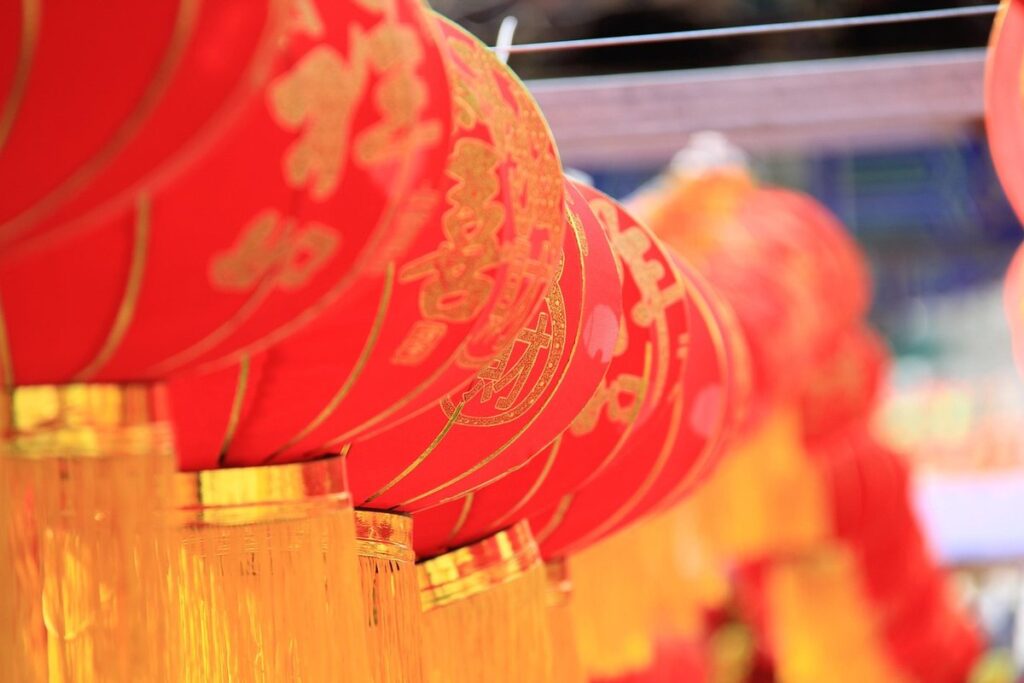
Decorating homes is a vital part of the Lantern Festival preparations. People typically adorn their homes with red lanterns, couplets, and other traditional decorations to create a festive atmosphere. Red is a symbol of good luck and prosperity in Chinese culture, which is why it’s a dominant color during the Lantern Festival. Some families also make their own lanterns using silk, paper, or metal, which are then lit up to illuminate the house.
Making lanterns is another beloved tradition during the Lantern Festival. People often gather with friends and family to craft their own lanterns, which can range from simple paper lanterns to intricately designed metal lanterns. This activity is not only a fun way to spend time with loved ones but also a great way to learn about traditional Chinese craftsmanship.
Preparing traditional foods is also an essential part of the Lantern Festival preparations. Families often cook traditional dishes such as niangao (sticky rice cake) and tangyuan (sweet glutinous balls) to share with their loved ones. These dishes are not only delicious but also carry significant symbolic meaning, with niangao representing progress and tangyuan symbolizing unity.
Modern Twists on Traditional Preparations
In recent years, the way people prepare for the Lantern Festival has undergone significant changes, driven by modern technology and cultural influences. Gone are the days of traditional lantern-making techniques; today, you can find intricate lanterns with LED lights, solar-powered lanterns, and even lanterns with built-in speakers. These modern decorations not only add a touch of festivity to the streets but also provide a more sustainable and energy-efficient alternative.
The food scene has also seen a significant shift, with many modern fusion restaurants offering innovative and creative takes on traditional Lantern Festival dishes. Think Japanese-inspired dumplings, Korean-style BBQ skewers, and modern twists on classic desserts like tangyuan and niangao. These modern flavors and dishes not only cater to diverse tastes but also reflect the changing demographics and cultural exchange that define the modern Chinese community.
In terms of activities, many Lantern Festival celebrations now incorporate interactive workshops and activities, such as lantern-making classes, calligraphy sessions, and even virtual reality experiences. These engaging and immersive activities cater to different age groups and interests, making the festival more inclusive and enjoyable for all.
Family and Community Involvement
In many Chinese communities, the Lantern Festival is a time for intergenerational bonding and cultural exchange. Families often gather together to prepare for the festival, with older generations sharing their traditional knowledge and skills with younger ones. For example, elderly relatives may teach children how to make lanterns using traditional techniques, such as paper-cutting and silk-painting. This process not only preserves cultural heritage but also strengthens family relationships.
In some communities, neighbors and friends also participate in lantern-making and decorating activities, fostering a sense of community and cooperation. This collective effort is often followed by a celebration, where people come together to admire the beautiful lanterns and share in the festive atmosphere.
When preparing for the Lantern Festival, consider involving your family and community in the process. You can invite friends and neighbors to join you in making lanterns or decorating your home with traditional motifs. This will not only create lasting memories but also help to preserve and celebrate Chinese cultural heritage.
Lantern Festival Traditions and Activities
As you experience the vibrant culture of Chinese New Year, immerse yourself in the traditional festivities surrounding the Lantern Festival, a celebration of light and new beginnings. The Lantern Festival offers a unique glimpse into China’s rich heritage and customs.
Lighting the Lanterns and Setting Off Fireworks
Lighting the lanterns and setting off fireworks are two integral parts of the Lantern Festival celebrations. The act of lighting lanterns is deeply symbolic, as it represents the triumph of good over evil and the victory of light over darkness. In many Chinese communities, this is the moment when families and friends gather together to share in the joy and festivities. The lanterns themselves are often intricately designed, with beautiful patterns and colors that reflect the significance of the occasion.
When setting off fireworks, the pyrotechnic displays are designed to mirror the beauty of the lanterns. The vibrant colors and patterns of the fireworks complement the lanterns, creating a breathtaking visual spectacle. In some regions, the fireworks are even synchronized to music, adding to the festive atmosphere. For those participating in the celebrations, setting off fireworks is a way to express gratitude and hope for a prosperous new year.
In many communities, the lighting of lanterns and fireworks is a carefully choreographed event, often accompanied by traditional music and performances. The experience is truly immersive, with the combination of light, sound, and color creating a truly magical atmosphere.
Participating in Lantern-Making Workshops and Activities
Visitors to the Lantern Festival can get hands-on with lantern-making by participating in various workshops and activities. Many venues offer traditional crafts, such as paper lantern-making, where you can learn to fold and shape intricate designs. Some demonstrations may focus on more modern techniques, like LED lantern-making, which combines traditional designs with modern technology. Cultural performances, like music and dance, often accompany these activities.
In addition to workshops, some festivals also offer interactive exhibitions showcasing the history and significance of lantern-making. These may include traditional tools and equipment, as well as historical photographs and artifacts. Visitors can explore and learn about the evolution of lantern-making techniques over time.
Some festivals may also offer a range of hands-on activities, such as lantern-painting, lantern-decorating, or lantern-weaving. These activities allow visitors to express their creativity and take home a unique, handmade lantern. Whether you’re a craft enthusiast or just looking for a fun activity, participating in lantern-making workshops and activities is a great way to experience the spirit of the Lantern Festival.
Watching the Lantern Processions and Parades
The traditional lantern processions and parades are a highlight of the Lantern Festival, showcasing the community’s spirit and creativity. These vibrant displays often begin in the evening, as the sun sets, and continue late into the night. In many cities, the procession route is lined with spectators, who cheer on the participants and admire the intricately designed lanterns.
The lantern processions typically feature large, elaborate lanterns, often depicting scenes from Chinese mythology or literature. These lanterns are not only beautiful but also carry significant cultural and historical meaning. For example, the dragon lanterns are a symbol of good fortune and prosperity, while the phoenix lanterns represent rebirth and renewal.
In some cities, the processions are accompanied by music and dance performances, adding to the festive atmosphere. If you’re planning to attend a lantern procession, be sure to arrive early to secure a good viewing spot. Additionally, consider dressing in warm clothing, as the evening can be chilly, especially in northern regions. By participating in these events, you’ll gain a deeper appreciation for the cultural significance of the Lantern Festival and experience the joy of community celebration.
Food and Drink Traditions
As you celebrate the Chinese New Year, traditional foods play a significant role in the festivities, and there are many delicious dishes to try during this special time. From dumplings to niangao, we’ll explore some of the most iconic Chinese New Year treats.
Traditional Lantern Festival Foods
The Lantern Festival is a time for indulging in sweet and festive foods that are symbolic of good fortune and prosperity. One of the most iconic traditional foods associated with the Lantern Festival is sweet rice balls, or tangyuan, which are typically made from glutinous rice flour and filled with sweet fillings such as red bean paste or sweetened lotus seed paste. Niangao, a type of sweet glutinous rice cake, is another popular treat that is often served during the Lantern Festival. This sticky and sweet cake is traditionally eaten during the festival to symbolize progress and advancement in one’s career.
Other sweet treats that are commonly enjoyed during the Lantern Festival include zhongzi, glutinous rice dumplings wrapped in bamboo leaves, and huoshao, a type of sweet and sticky rice cake that is typically grilled over an open flame. These foods are not only delicious but also carry significant cultural and symbolic meaning. For example, the round shape of sweet rice balls represents unity and completeness, while the color red, which is a prominent color in many Lantern Festival foods, symbolizes good luck and prosperity. By trying these traditional foods, visitors to the Lantern Festival can experience the rich cultural heritage of Chinese New Year celebrations.
Modern Fusion and International Influences
Chinese cuisine is known for its rich diversity and adaptability, and the Lantern Festival is no exception. As Chinese New Year celebrations spread across the globe, traditional foods have merged with international flavors and ingredients. For example, in Southeast Asia, vendors often serve bak kut teh, a Malaysian braised pork dish, alongside traditional lantern festival snacks. In the United States, Chinese-American chefs have created fusion dishes like lobster and egg dumplings, a twist on traditional har gow. This blending of flavors and techniques is not only a reflection of globalization but also a celebration of cultural exchange.
Some popular modern fusion foods associated with the Lantern Festival include:
- Korean-style fried chicken with sweet chili sauce
- Japanese-inspired sushi rolls filled with Chinese ingredients like pork or shrimp
- Indian-spiced lamb skewers
- French-inspired crepes filled with sweet red bean paste
These international influences not only add variety to the traditional menu but also create new opportunities for culinary innovation. Whether you’re attending a Lantern Festival in a major city or hosting your own celebration at home, exploring modern fusion foods is a great way to experience the spirit of the holiday.
Traditional Beverages and Drinks
Tea is a staple at the Lantern Festival, with various types being served throughout the celebration. Jasmine tea, scented with fragrant jasmine flowers, is a popular choice for its delicate flavor and romantic connotations. Oolong tea, partially fermented for a smooth and complex taste, is also commonly consumed during the festival. In some regions, tea is even served as a way to cleanse the palate between courses of traditional Lantern Festival foods.
In addition to tea, wine plays an important role in the Lantern Festival. Huangjiu, a traditional Chinese wine made from fermented grains, is often served as a toast to good fortune and prosperity. Chinese wine, or jiǔ, is typically made from rice, wheat, or millet and is prized for its rich, sweet flavor.
Other traditional beverages and drinks associated with the Lantern Festival include chrysanthemum tea, a floral and slightly sweet infusion, and millet wine, a strong and slightly sweet liquor made from fermented millet. Some families also serve sweet tea, made by adding sugar or honey to strong brewed tea, as a refreshing and comforting drink during the Lantern Festival celebrations.
Celebrating the Lantern Festival Around the World
As we explore the vibrant traditions surrounding Chinese New Year, we’ll take a closer look at the Lantern Festival’s global celebrations, from Singapore to Taiwan and beyond.
From elaborate parades to intimate family gatherings, the ways to celebrate the Lantern Festival vary greatly around the world.
Lantern Festivals in Different Countries and Cultures
The Lantern Festival has spread far beyond China’s borders, with countries and cultures around the world adapting and incorporating their own unique traditions. In Japan, for example, the Obon Festival is a time-honored celebration that honors the spirits of one’s ancestors. Lanterns are a key part of the festivities, with people releasing paper lanterns into rivers and seas to guide their loved ones back to the world of the living.
In Korea, the Yeon Deung Hoe festival is a vibrant celebration of lanterns, music, and dance. The festival takes place on the full moon night of the eighth lunar month and features an elaborate procession of lanterns, as well as traditional performances and food stalls. Meanwhile, in Thailand, the Loy Krathong festival is a time for people to release their worries and negative emotions by floating lanterns on rivers and streams.
Each of these festivals offers a glimpse into the rich cultural heritage of the countries that celebrate them, while also showcasing the universal spirit of the Lantern Festival – a celebration of light, hope, and renewal.
Cultural Exchange and International Participation
Cultural exchange and international participation have significantly influenced the way the Lantern Festival is celebrated around the world. As Chinese communities abroad adopt and adapt the traditions, they bring their unique perspectives and customs to the celebration. For instance, in Japan, the Lantern Festival is often merged with the Buddhist Obon festival, incorporating elements of Japanese culture and history.
In the United States, Chinese-American communities have created their own twist on the Lantern Festival, incorporating modern technology and music into the celebrations. In Singapore, the festival is celebrated with a vibrant parade, featuring elaborate lantern displays and traditional performances.
These cultural exchanges have enriched the Lantern Festival, making it a truly global celebration. However, it’s essential to respect the traditions and origins of the festival. When participating in or hosting Lantern Festival events, consider incorporating traditional Chinese elements, such as the use of paper lanterns, dragon and lion dances, and traditional Chinese music. This will help maintain the authenticity and cultural significance of the festival.
Modernization and Commercialization of the Lantern Festival
The Lantern Festival has undergone significant changes with the rise of tourism and cultural exchange. As more people from around the world discover the beauty and significance of the festival, it has become a major tourist attraction. Cities like Hangzhou and Xi’an have invested heavily in developing lantern displays and festivals, catering to the growing number of international visitors. However, this increased commercialization has also led to concerns about cultural appropriation and the homogenization of traditional practices.
Tourism has brought in revenue and jobs, but it has also led to the sale of lanterns and other festival-related merchandise, often with little regard for traditional craftsmanship or cultural sensitivity. Some critics argue that the commercialization of the Lantern Festival has diluted its cultural significance, making it more of a spectacle for tourists than a meaningful celebration for the local community.
In some cases, cultural exchange has been a positive force, introducing new ideas and perspectives to the festival. For example, the inclusion of traditional Korean lantern-making techniques has added a unique element to the festivities. However, it is essential to strike a balance between cultural exchange and cultural sensitivity, ensuring that the traditions and customs of the Lantern Festival are respected and preserved.
Frequently Asked Questions
Can I host a Lantern Festival in my own community, or do I need to find a pre-existing event?
You can host your own Lantern Festival in your community, but it’s best to research and understand the cultural significance and traditions associated with the festival to ensure you’re honoring the spirit of the event. Consider consulting with local Chinese cultural organizations or experts to help guide your planning.
What if I’m short on time or budget to participate in the Lantern Festival? Are there any low-key alternatives?
While attending a large-scale Lantern Festival can be a wonderful experience, you can still participate in the spirit of the festival by hosting a small, low-key gathering with family and friends. Make some traditional Lantern Festival foods, decorate your home with lanterns, and enjoy the festivities together.
How can I adapt Lantern Festival traditions to accommodate people with disabilities or special needs?
When adapting Lantern Festival traditions for people with disabilities or special needs, consider ways to make activities more accessible, such as using wheelchair-friendly decorations or providing sign language interpretation for cultural performances. You can also consult with disability organizations or experts to ensure your adaptations are respectful and effective.
What if I’m not Chinese, but I want to participate in the Lantern Festival? Are there any ways to respectfully join in?
You’re welcome to participate in the Lantern Festival, even if you’re not Chinese! Learn about the cultural significance and traditions associated with the festival, and be respectful of local customs and practices. Consider attending cultural workshops or events to learn more about the festival and its meaning, and don’t be afraid to ask questions or seek guidance from local organizers or community leaders.
Can I use LED or battery-operated lanterns instead of traditional candles for safety reasons?
Yes, using LED or battery-operated lanterns is a perfectly acceptable and safe alternative to traditional candles. In fact, many modern Lantern Festivals use energy-efficient and environmentally friendly lighting options to minimize waste and promote sustainability. Just be sure to choose lanterns that are designed for outdoor use and follow any local safety guidelines or regulations.