
Paris, the City of Light, is renowned for its charming streets, iconic landmarks, and, of course, its vibrant markets. Whether you’re a seasoned traveler or a first-time visitor, exploring the markets of Paris is an essential part of the experience. From the historic Flea Market at Saint-Ouen, where you can find everything from vintage clothing to antique furniture, to the bustling Food Market at Le Comptoir Général, where you can sample artisanal cheeses and charcuterie, there’s a market to suit every interest and budget. In this article, we’ll guide you through the top Paris markets, including the must-visit destinations and insider tips for making the most of your experience. By the time you finish reading, you’ll know exactly which markets to prioritize and how to navigate them like a local, ensuring a truly unforgettable trip to the City of Love.
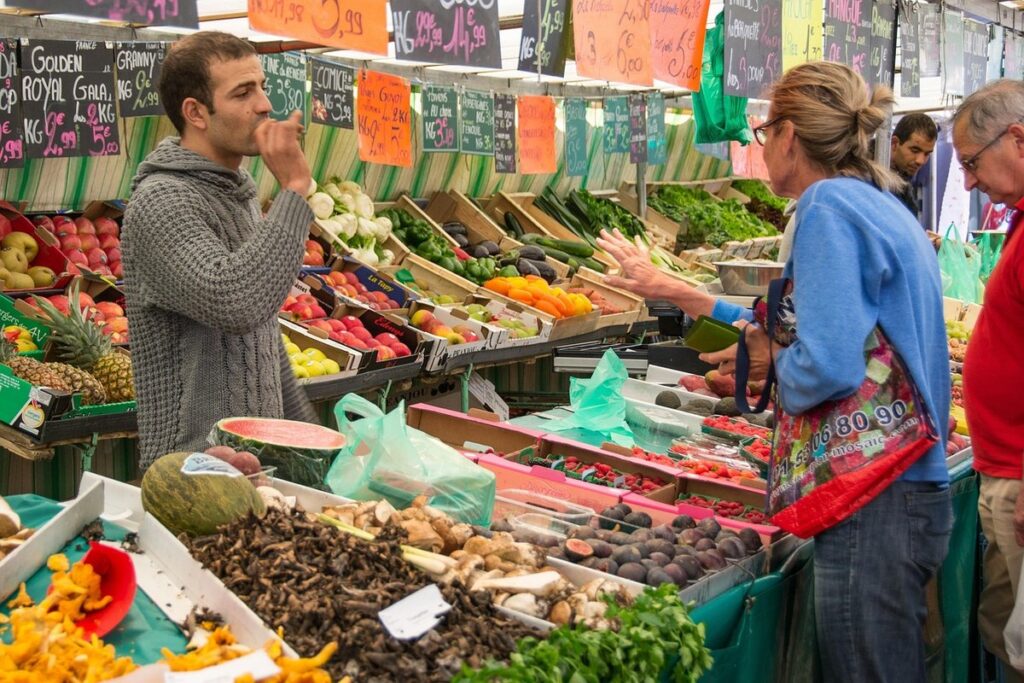
Discovering the Best Paris Markets
Paris has countless markets, each with its own unique charm and specialties, but which ones are worth visiting? Let’s explore the top markets you won’t want to miss.
Overview of Paris Markets
Paris markets have a rich history that dates back to the Middle Ages, when they were established as a way for local communities to gather, trade, and socialize. Today, these markets continue to play a vital role in the city’s cultural fabric, with many still operating in their original locations. You’ll find markets in nearly every arrondissement, each with its own unique character and atmosphere.
The cultural significance of Paris markets cannot be overstated. They’re not just places to buy and sell goods; they’re also community hubs where locals and visitors can come together to experience the sights, sounds, and smells of the city. From the historic Marché aux Puces de Saint-Ouen to the trendy markets in Le Marais, each market reflects the spirit of its neighborhood and offers a glimpse into the city’s diverse cultural heritage.
In addition to their cultural importance, Paris markets are also a testament to the city’s tradition of artisanal craftsmanship. You’ll find stalls selling handmade goods, from beautiful ceramics and textiles to delicious food and wine. By visiting these markets, you’re not only getting a taste of the local culture, but also supporting small businesses and artisans who are keeping traditional practices alive.
Types of Paris Markets
Paris is home to a diverse array of markets, each catering to specific needs and interests. One of the most iconic types of Paris markets is the flea market, or “brocante.” These markets are treasure troves for antique collectors and second-hand shoppers, featuring an array of vintage items, from furniture and clothing to jewelry and home decor. The Marché aux Puces de Saint-Ouen is one of the most famous flea markets in Paris, attracting visitors from around the world.
In contrast, Paris’ food markets offer a sensory experience for culinary enthusiasts. These markets showcase the best of French cuisine, with vendors selling artisanal cheeses, breads, and pastries, as well as fresh produce and flowers. Markets like the Marché d’Aligre and the Marché des Enfants Rouges offer a taste of the city’s vibrant food culture.
For those looking for a more upscale shopping experience, Paris’ high-end shopping markets are a must-visit. These markets, such as the Galeries Lafayette and Le Bon Marché, offer a luxurious shopping experience, with designer brands and high-end boutiques.
Insider Tips for Visiting Paris Markets
When visiting Paris markets, timing is crucial. Most markets are busiest on weekends and during peak tourist season, so plan your visit accordingly. Arrive early to beat the crowds, around 9 or 10 am, and you’ll have a more relaxed shopping experience. Le Marais Market, for instance, is particularly crowded on Sundays, so consider visiting on a weekday instead.
Getting to the market is also essential to consider. While some markets are within walking distance of major landmarks, others require a metro ride or bus transfer. Marché aux Enfants Rouges, for example, is nestled in the Marais neighborhood, making it easily accessible by foot or metro. However, the Marché aux Puces de Saint-Ouen, also known as the Paris Flea Market, is located on the outskirts of the city, requiring a longer metro ride or bus journey.
When you arrive, be prepared for a sensory experience. Paris markets are a feast for the eyes and nose, with colorful stalls, tantalizing smells, and lively chatter. Be respectful of vendors and other shoppers, and don’t be afraid to ask for help or recommendations. Some markets, like the Champs-Élysées Market, offer a mix of food, fashion, and souvenir stalls, while others, like the Marché d’Aligre, focus on antiques and second-hand goods. Knowing what to expect will help you make the most of your visit and avoid any confusion or disappointment.
Top Paris Markets to Visit
For the ultimate market experience in Paris, look no further than these must-visit destinations, each offering a unique and unforgettable shopping experience. From trendy boutiques to historic bazaars, we’ll guide you through the city’s best markets.
Marché aux Puces de Saint-Ouen
Marché aux Puces de Saint-Ouen, also known as the Saint-Ouen Flea Market, is a must-visit destination for any shopper or collector. With a rich history dating back to 1885, this iconic market has been a treasure trove for those seeking unique and authentic Parisian goods. Spread over 15 hectares, the market is divided into several sections, each offering a distinct shopping experience. The most popular area is the Marché aux Puces de Saint-Ouen itself, where you’ll find a vast array of antique furniture, vintage clothing, and rare collectibles. Be sure to explore the adjacent streets and alleys, where you’ll discover smaller, independent vendors selling everything from handmade jewelry to artisanal home decor.
When visiting Marché aux Puces de Saint-Ouen, be prepared to haggle and dig through the crowds. Many vendors are willing to negotiate prices, especially if you’re purchasing multiple items. Don’t be afraid to try your luck and make an offer. For food and refreshments, head to the market’s central courtyard, where you’ll find a variety of cafes and food stalls serving everything from French pastries to international cuisine. To make the most of your visit, plan to spend at least half a day exploring the market and its surroundings.
Le Marais Market
Le Marais Market is a must-visit destination for anyone interested in experiencing the vibrant culture of the Le Marais neighborhood. This trendy market is a hub for artisanal goods, food, and fashion, showcasing the best of local craftsmanship and creativity. You’ll find everything from handmade jewelry and unique clothing to artisanal cheeses and fresh produce. The market’s focus on supporting local artisans and small businesses reflects the neighborhood’s reputation for being a hub for artistic expression and community spirit.
The market’s layout and atmosphere are designed to evoke the charm of a traditional French market, with its rustic wooden stalls and lively atmosphere. Visitors can wander through the stalls, sampling local delicacies and admiring the handmade wares on display. One of the highlights of Le Marais Market is its commitment to sustainability, with many vendors prioritizing eco-friendly practices and reducing waste in their operations.
Some of the key items to look out for at Le Marais Market include:
- Handmade jewelry and accessories featuring unique designs and materials
- Artisanal cheeses and charcuterie, perfect for sampling or purchasing
- One-of-a-kind clothing and textiles, often featuring local designers and makers
- Fresh produce and flowers, sourced from local farms and suppliers
Champs-Élysées Market
The Champs-Élysées Market is a haven for those who appreciate luxury and refinement. Located in the heart of one of Paris’ most famous avenues, this upscale market offers a unique shopping experience that’s hard to find elsewhere. From high-end fashion boutiques to art galleries and jewelry stores, you’ll find an array of exclusive brands and unique products to tempt your senses. Indulge in a coffee or champagne at one of the market’s elegant cafes, or treat yourself to a fine dining experience at one of the many upscale restaurants.
People-watching is a favorite pastime at the Champs-Élysées Market, with locals and tourists alike strolling through the stalls and admiring the beautiful surroundings. The market’s tranquil atmosphere makes it an ideal spot to relax and enjoy the sights and sounds of Paris. Whether you’re looking to purchase a special gift, treat yourself to something luxurious, or simply soak up the Parisian atmosphere, the Champs-Élysées Market is an absolute must-visit destination. With its unbeatable location and top-class shopping and dining options, this market truly lives up to the city’s reputation for elegance and sophistication.
Exploring Parisian Food Markets
Imagine strolling through the charming streets of Montmartre, sampling artisanal cheeses and freshly baked bread at the famous Marché d’Aligre. This section highlights the top Parisian food markets to visit.
French Cuisine at its Finest
Parisian food markets are a culinary paradise, offering a wide variety of fresh produce, artisanal cheeses, and exquisite wines. You’ll find vendors selling everything from crisp, just-picked lettuce to heirloom tomatoes, perfectly ripe for the picking. Artisanal cheese stands overflow with an assortment of creamy brie, tangy goat cheese, and nutty Comté. Wine merchants tempt shoppers with bottles of rich, full-bodied Bordeaux and crisp, dry Sauvignon Blanc.
When it comes to trying local delicacies, don’t miss the chance to sample escargots, snails cooked in garlic butter and parsley, or duck confit, slow-cooked in its own fat. For a truly authentic experience, try a baguette avec fromage, a simple but sublime combination of fresh bread and melted cheese. Be sure to visit during peak season (September to November or March to May) to sample the freshest produce and most seasonal specialties. Some popular markets, like Marché d’Aligre and Marché des Enfants Rouges, offer cooking classes or workshops where you can learn to prepare local dishes.
Artisanal Goods and Local Products
At Paris markets, you’ll discover a treasure trove of artisanal goods and local products that showcase the city’s rich cultural heritage. Handmade crafts, jewelry, and other unique items are carefully crafted by local artisans, making each piece a one-of-a-kind find. Look for intricately designed ceramics, hand-painted glassware, and beautifully crafted wooden items, often infused with French flair.
Some popular artisanal goods to keep an eye out for include macarons, madeleines, and other French delicacies, as well as artisanal cheeses, charcuterie, and freshly baked bread. You’ll also find an assortment of local products, such as hand-harvested soaps, scented candles, and artisanal skincare products. When shopping for unique souvenirs, consider the following:
- Check for authenticity: Look for makers’ marks, certificates of origin, or other indicators that the product is genuinely handmade in France.
- Support local artisans: By purchasing from local vendors, you’re directly contributing to the local economy and helping to preserve traditional crafts.
- Be prepared to haggle: While some vendors may not appreciate haggling, others may be willing to negotiate prices, especially for larger purchases or bulk orders.
Dining at Paris Markets
At Paris markets, you’ll find a wide range of dining options, from casual street food to upscale restaurants. Many markets have a dedicated dining area, where you can sit down and enjoy a meal, while others offer a more grab-and-go experience. For example, the Marché d’Aligre has a lively dining area with cafes and restaurants, while the Marché aux Enfants Rouges has a more intimate atmosphere with a focus on artisanal food.
One of the best ways to experience the culinary scene at Paris markets is to try a traditional French dish, such as escargots or ratatouille, at a market restaurant. You can also sample local specialties like croissants, baguettes, and cheese at a market cafe. Don’t be afraid to try something new and adventurous, like foie gras or truffle-infused dishes, at a high-end market restaurant.
When dining at Paris markets, it’s essential to be mindful of the market’s hours and closures. Some markets may have limited dining options or be closed for certain meals, so plan ahead and research the market’s schedule before heading out. Additionally, be sure to check the prices and menus of the various dining options, as they can vary greatly in terms of cost and cuisine.
Shopping at Paris Markets
Shopping for souvenirs, fresh produce, and artisanal goods is an integral part of the Parisian market experience. From bustling Boulevard de Belleville to charming Marché aux Puces de Saint-Ouen.
Unique Souvenirs and Gifts
When browsing the stalls at Paris markets, you’ll find an array of unique souvenirs and gifts that showcase the city’s rich cultural heritage. One standout option is handmade items, such as intricate glass jewelry, delicate ceramics, and beautifully crafted wooden toys. Look for vendors who are members of artisanal associations, like the Association des Artisans de Paris, to ensure you’re purchasing authentic, locally made goods.
Local specialties are another great way to find one-of-a-kind souvenirs. Try sampling French delicacies like artisanal cheese, handcrafted chocolates, or small-batch jams. These edible treats not only make for a delicious souvenir but also provide a taste of Parisian culture. Be sure to check for labels indicating the product’s origin and ingredients to ensure you’re buying authentic French products.
To find the most unique souvenirs, explore the smaller, lesser-known markets, such as the Marché d’Aligre or the Marché aux Enfants Rouges. These markets often feature independent vendors selling handmade goods, vintage items, and rare collectibles. Don’t be afraid to ask vendors about their products or the inspiration behind them – you might discover a hidden gem that becomes a treasured souvenir.
Fashion and Style at Paris Markets
At Paris markets, fashion and style enthusiasts will find an array of options to suit every taste and budget. High-end designer goods can be found at markets like Le Marais Market, which boasts a mix of luxury brands and local artisans. Vintage clothing enthusiasts, on the other hand, will love scouring the stalls at Marché aux Puces de Saint-Ouen, where one-of-a-kind finds abound.
Local fashion designers also have a presence at Paris markets, showcasing their unique designs and styles. For example, the Champs-Élysées Market features a dedicated section for emerging designers and fashion brands. This is a great place to discover new talent and invest in unique, Parisian-inspired pieces.
When shopping for fashion and style at Paris markets, it’s essential to keep an eye out for quality and authenticity. Be wary of counterfeit goods, and don’t be afraid to negotiate prices – many vendors are open to haggling. With patience and persistence, you can find incredible deals on high-end and vintage items alike.
Tips for Bargaining and Shopping
When shopping at Paris markets, you’ll encounter a diverse array of vendors and stalls, each with their own unique offerings and pricing. To navigate this landscape effectively, it’s essential to understand the art of bargaining and haggling. Start by researching the typical prices for the items you’re interested in, such as souvenirs, clothing, or local handicrafts. This will give you a basis for comparison and help you avoid overpaying.
When approaching a vendor, be respectful and polite, but also confident. Avoid making eye contact or engaging in small talk, as this can be misinterpreted as a sign of willingness to pay higher prices. Instead, focus on the product itself and express your interest in purchasing it. You can then make a counteroffer, typically 10-20% below the initial price. Some vendors may be willing to negotiate further, while others may be less flexible.
It’s also crucial to know when to walk away. If a vendor is unwilling to budge on price or seems pushy, it’s best to thank them and move on to another stall. Remember, bargaining is a normal part of the shopping experience at Paris markets, and vendors expect it. By being prepared and assertive, you can score great deals and bring home unique treasures from your market adventure.
Beyond the Markets: Exploring Parisian Neighborhoods
While you’ve likely fallen for the charms of Paris’ famous markets, there’s so much more to discover in the city’s unique neighborhoods. Let’s explore the hidden gems beyond the stalls.
Le Marais Neighborhood
Le Marais is one of the oldest and most historic neighborhoods in Paris, with a rich cultural heritage dating back to the 13th century. Once a hub for the Jewish community, the area is now a trendy and cosmopolitan district that seamlessly blends art, fashion, and cuisine. Visitors can explore the charming streets and alleys, taking in the vibrant street art, eclectic boutiques, and gourmet food shops. Must-see attractions include the iconic Picasso Museum, the stunning Notre-Dame-de-Bonne-Nouvelle church, and the picturesque Place des Vosges, the oldest square in Paris.
One of the best ways to experience Le Marais is by strolling along the Rue des Rosiers, lined with artisanal bakeries, patisseries, and cafes. Be sure to stop by the historic Hôtel de Soubise, a stunning 17th-century mansion that now serves as a museum. To get a taste of the local culture, head to the Rue des Francs-Bourgeois, where you’ll find a range of trendy restaurants, cafes, and wine bars. Le Marais is also a shopper’s paradise, with a mix of high-end designer boutiques, vintage shops, and independent art galleries. Whether you’re interested in history, art, or just soaking up the Parisian atmosphere, Le Marais has something for everyone.
Montmartre Neighborhood
Montmartre, with its bohemian vibe and artistic heritage, is a neighborhood that embodies the free-spirited essence of Paris. This historic district has been a haven for artists, writers, and musicians since the 19th century, when it was a hub for the Impressionist movement. The neighborhood’s cultural significance is rooted in its association with icons like Claude Monet, Pierre-Auguste Renoir, and Henri de Toulouse-Lautrec, who found inspiration in its winding streets and charming squares.
Today, Montmartre remains a haven for creatives, with its narrow alleys, charming cafes, and street performers. Visitors can still experience the neighborhood’s artistic spirit by visiting the Musée de Montmartre, which showcases the history of the area’s artistic development. Another must-see attraction is the Sacré-Cœur Basilica, perched atop a hill, offering breathtaking views of the city. For a more immersive experience, wander through the neighborhood’s picturesque streets, popping into boutiques, art galleries, and cafes that reflect its enduring bohemian charm. As you explore Montmartre, you’ll discover that its artistic history and cultural significance continue to inspire new generations of creatives, making it a must-visit destination for anyone interested in the essence of Paris.
Other Neighborhoods to Explore
If you’re looking for a change of pace from the bustling markets, there are plenty of charming neighborhoods to explore in Paris. One such neighborhood is Belleville, a trendy area known for its street art, independent shops, and multicultural vibe. Take a stroll along Rue de Belleville, lined with cafes, bakeries, and boutiques, and visit the Marché Père Lachaise, a smaller but equally vibrant market.
Another area worth exploring is Canal Saint-Martin, a historic district with a mix of upscale boutiques, art galleries, and cafes. You can take a leisurely boat ride along the canal, admire the beautiful architecture, and grab a coffee at one of the many sidewalk cafes. For a more bohemian experience, head to Oberkampf, a lively neighborhood with a mix of vintage shops, record stores, and international restaurants.
When exploring these neighborhoods, be sure to keep an eye out for local markets and events, such as the Marché d’Aligre on Sundays, which features a mix of vintage goods, antiques, and fresh produce. By venturing beyond the markets, you’ll discover the unique character and charm of each Parisian neighborhood, making your visit to the city even more memorable.
Conclusion: Making the Most of Your Paris Market Experience
Now that you’ve explored the best of Paris’ markets, it’s time to put everything into practice and make the most of your experience. Here’s how to maximize your time and take home unforgettable memories.
Recap of Key Takeaways
When visiting Paris markets, remember to immerse yourself in the local culture by trying French cuisine at its finest, such as freshly baked croissants or artisanal cheeses. Be sure to explore the various types of markets, from flea markets like Marché aux Puces de Saint-Ouen to specialty markets like Le Marais Market, which offers a wide range of artisanal goods and local products.
To make the most of your Paris market experience, consider visiting during the week or early morning to avoid crowds and find the best deals. Don’t be afraid to bargain and negotiate prices, especially when shopping for souvenirs and gifts. Additionally, take the time to appreciate the unique atmosphere and charm of each market, and be prepared to spend a few hours browsing and exploring.
Some essential tips to keep in mind include being respectful of the vendors and their products, and not trying to haggle over prices for essential items like food or household goods. When shopping for fashion and style items, look for high-quality, unique pieces that reflect the local aesthetic. By following these tips and recommendations, you’ll be well on your way to having a memorable and enjoyable experience at Paris markets.
Final Tips and Recommendations
When visiting Paris markets, it’s essential to be prepared and flexible. Consider the time of year and plan your visit accordingly. During peak tourist season, popular markets like Marché aux Puces de Saint-Ouen can be extremely crowded, so it’s best to visit early in the morning or later in the afternoon. On the other hand, if you’re looking for a more local experience, visit smaller markets like Le Marais during the week.
To make the most of your experience, be prepared to haggle, especially at flea markets like Marché aux Puces de Saint-Ouen. Learn a few basic French phrases, such as “combien ça coûte?” (how much does it cost?), and don’t be afraid to walk away if you’re not happy with the price.
In addition to shopping, take time to explore the surrounding neighborhood and enjoy the local food, drink, and atmosphere. Be sure to try some of the fresh produce, artisanal cheeses, and bread at the markets, and consider purchasing a baguette or croissant to enjoy on the go.
Some final tips include:
- Arriving early to secure a good spot at popular markets
- Bringing cash, as not all vendors accept credit or debit cards
- Being respectful of local vendors and fellow shoppers
- Taking your time and enjoying the experience, rather than rushing to get everything done in one day
Frequently Asked Questions
Can I visit Paris markets on a tight budget?
Yes, you can visit Paris markets on a tight budget. Many markets offer affordable food options, and you can also find unique souvenirs and gifts at reasonable prices. Consider visiting smaller markets or those that are less touristy, and be sure to compare prices and look for deals before making a purchase.
What if I’m not comfortable haggling or bargaining?
If you’re not comfortable haggling or bargaining, don’t worry! Many market vendors are used to dealing with tourists and will often quote a price that is already reasonable. You can also try to politely decline and walk away if you feel like the price is too high. Additionally, some markets may have fixed prices, so be sure to ask before making a purchase.
How can I ensure that the food I buy at a Paris market is safe to eat?
To ensure that the food you buy at a Paris market is safe to eat, look for stalls or vendors that are clearly labeled as being part of a reputable food market or association. Also, make sure to check the food’s packaging and labeling for any signs of tampering or expiration dates. If you’re unsure, it’s always best to err on the side of caution and choose a different option.
Can I visit Paris markets during the off-season?
While many Paris markets are busiest during the peak tourist season, some may still be open and worth visiting during the off-season. Consider visiting smaller markets or those that are more local in focus, as they may not be as crowded and offer a more authentic experience. Additionally, many market vendors may be more willing to negotiate prices or offer special deals during the off-season.
What if I get lost or confused while navigating a Paris market?
If you get lost or confused while navigating a Paris market, don’t worry! Many markets have clear signs and maps to help you navigate. You can also ask a vendor or market staff for directions or advice. Additionally, consider bringing a map or guidebook to help you plan your visit and stay on track.

