Imagine strolling through the winding streets of Paris, surrounded by the city’s iconic architecture and charming atmosphere. To truly experience the essence of Paris, you need to explore its vibrant markets, where locals and visitors alike come to shop, eat, and socialize. From the historic and iconic Marché aux Puces de Saint-Ouen to the modern and trendy Marché d’Aligre, Paris markets offer a unique glimpse into the city’s culture and lifestyle. Whether you’re a seasoned traveler or a first-time visitor, knowing where to find the best markets and what to buy is essential for shopping like a local. In this article, we’ll take you on a tour of the top Paris markets, providing insider tips on what to buy, where to eat, and how to navigate like a pro, so you can experience the authentic Paris like a local. By the end of this guide, you’ll be equipped with the knowledge to discover the hidden gems of Paris’ markets.
History and Evolution of Paris Markets
From the medieval days of street vendors to the modern-day gourmet food halls, the evolution of Paris markets has been a fascinating journey. Let’s take a closer look at how these markets have adapted to the city’s changing tastes and needs.
The Origins of Paris Markets
The first recorded market in Paris dates back to the Middle Ages, with a bustling marketplace set up on the Île de la Cité. This historic heart of the city has been the hub of commerce and trade for centuries. As the city grew and expanded, markets began to spring up in other areas, often near the city gates or along major trade routes. The medieval markets were typically held under a canopy of awnings or umbrellas, protecting vendors and customers from the elements. These early markets sold a variety of goods, including fresh produce, meats, and crafts. Over time, the markets evolved to meet the changing needs of the city’s inhabitants, with specialized markets emerging for specific types of goods. For example, the famous flower market on the Île de la Cité, which still operates today, has been a staple of Parisian commerce for centuries. Understanding the history of Paris markets provides valuable context for navigating the city’s modern markets, where you can still find many of the same goods and experiences that have made Parisian markets so enduring.
Influence of French Culture and Cuisine
The influence of French culture and cuisine is evident in the city’s markets, where artisanal producers showcase their wares. Parisian markets prioritize locally sourced products, often made with traditional techniques and ingredients. This emphasis on terroir-driven goods is a testament to the city’s culinary heritage. For example, the Marché d’Aligre is famous for its fresh produce, cheeses, and charcuterie, all made in the surrounding regions. Visitors can sample local specialties like escargots, ratatouille, and baguette avec fromage, getting a taste of the city’s rich gastronomic history.
The emphasis on artisanal and locally sourced products also extends to the market’s layout and design. Many stalls are designed to resemble traditional French shops, complete with rustic wooden signs and vintage decor. This attention to detail immerses shoppers in the city’s cultural atmosphere. Visitors can explore the markets as if wandering through a typical Parisian neighborhood, discovering hidden gems and unexpected treasures. By embracing the city’s cultural heritage, visitors can truly experience the essence of Parisian markets.
Traditional Markets vs. Modern Developments
In recent years, traditional Parisian markets have undergone a transformation to cater to the changing tastes and preferences of locals and tourists alike. Gone are the days of dusty, sprawling flea markets where one could find anything from vintage clothing to antique furniture. Today, many markets have adapted to focus on specific themes, such as artisanal crafts, second-hand designer goods, or gourmet food.
The rise of specialty markets has been particularly notable, with many vendors now offering high-end, small-batch products that reflect the city’s rich culinary heritage. For example, the Marché des Enfants Rouges in the Marais district has evolved into a gourmet food hall, featuring a range of artisanal producers and food stalls serving everything from fresh seafood to artisanal cheeses.
While some may lament the loss of the traditional market’s rough-around-the-edges charm, these modern developments have undoubtedly made shopping in Paris more accessible and enjoyable for visitors. By visiting these specialty markets, you can experience the best of Parisian shopping, from unique souvenirs to delicious local specialties. Be sure to check out the schedule and offerings for each market before visiting to make the most of your shopping experience.
Must-Visit Markets in Paris
Paris has a market to suit every taste and style, from bustling streetside vendors to elegant boutique markets, each with its own unique charm and character. Get insider tips on where to find the best shopping experiences.
Le Marché aux Puces de Saint-Ouen
Located in the 18th arrondissement, Le Marché aux Puces de Saint-Ouen is the largest and most famous flea market in the world. This iconic market has a rich history dating back to the 19th century, when it was a small gathering of vendors selling second-hand goods. Over time, it grew and evolved into the sprawling market we know today.
The market is divided into several sections, each with its own unique character. The most famous section is the “Marché aux Puces de Saint-Ouen,” where you’ll find a vast array of antique dealers, vintage clothing, and second-hand furniture. Be sure to visit the “L’Argenteuil” and “Maison Rose” sections, which are home to some of the market’s most talented and eclectic vendors.
Some must-visit stalls include “Les Trois Mousquetaires,” a boutique specializing in 18th-century antiques, and “La Maison de la Brocante,” a treasure trove of vintage collectibles. Don’t be afraid to haggle – it’s all part of the fun! To make the most of your visit, plan to arrive early and come prepared to wander. With over 2,500 vendors and a vast selection of goods, it’s easy to get lost in the market’s winding aisles.
Le Bon Marché
Le Bon Marché is a luxurious department store located on the Boulevard de la Concorde in the heart of Paris. While it’s often associated with upscale shopping, its impressive food hall is a treasure trove for foodies and locals alike. As you step into the store, you’ll be greeted by an array of high-end boutiques, designer brands, and gourmet food stalls.
The food hall, known as Le Bon Marché Rive Gauche, offers a culinary journey through France’s finest produce, meats, and artisanal products. You can sample local delicacies, such as escargots, foie gras, and truffle-infused oils, or opt for a more casual affair with freshly baked bread and cheese. Be sure to check out the in-house patisserie, which showcases exquisite French pastries and desserts.
To make the most of your visit, consider visiting during lunch or dinner hours when the food hall is bustling with locals and visitors alike. Don’t be afraid to ask the staff for recommendations or insider tips on the best products to try. With its elegant atmosphere and high-end offerings, Le Bon Marché is a must-visit destination for anyone looking to experience the essence of Parisian luxury.
Marché d’Aligre
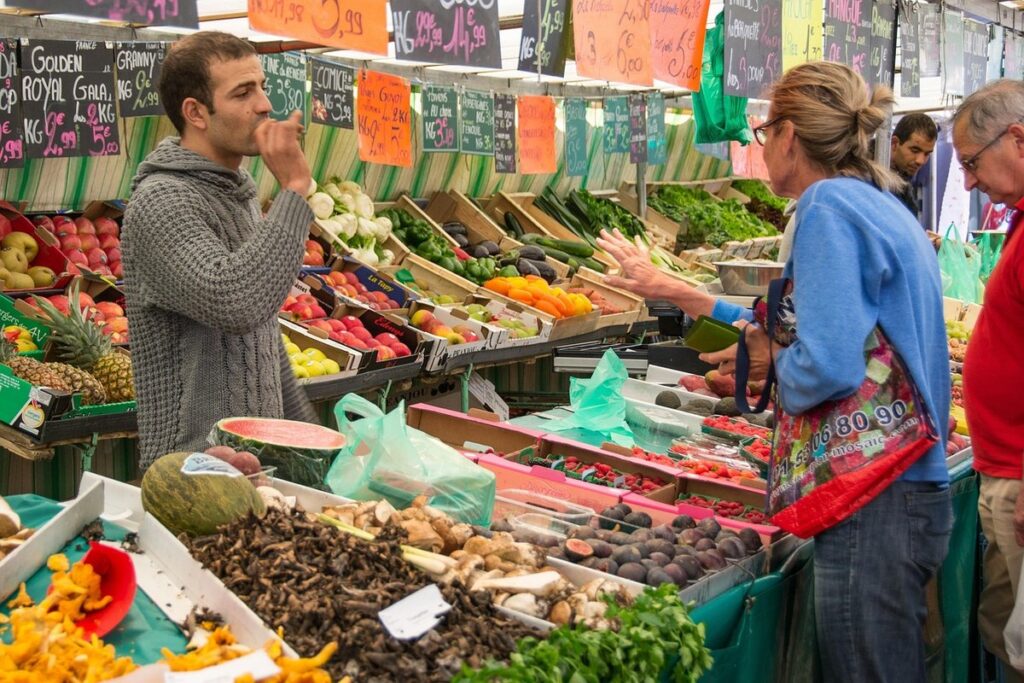
Marché d’Aligre is a treasure trove of a market, where the old and the new come together in a vibrant display of fresh produce, antiques, and vintage goods. This bustling market is a must-visit destination for anyone looking to experience the authentic Parisian market scene. As you wander through the stalls, you’ll discover a kaleidoscope of colors and textures, from the crisp greens and juicy fruits to the intricate antique furniture and vintage collectibles.
One of the standout features of Marché d’Aligre is its mix of new and old. You can find everything from fresh produce and artisanal cheeses to antique clocks and vintage clothing. Be sure to explore the market’s various sections, including the bustling food hall, where you can sample local delicacies and drinks. With over 100 vendors selling everything from antiques to vintage fashion, you’re sure to find unique souvenirs and treasures to bring back home.
To get the most out of your visit, arrive early to beat the crowds and take your time to explore the stalls. Don’t be afraid to haggle – it’s all part of the market experience! With its eclectic mix of goods and lively atmosphere, Marché d’Aligre is an absolute must-visit for any market lover.
Shopping Tips and Tricks for Paris Markets
When shopping at Paris markets, knowing the right etiquette and insider tricks can make all the difference in your shopping experience. From navigating the stalls to haggling prices, we’ve got you covered.
Navigating the Markets Like a Local
When you arrive at a Paris market, you’re likely to be swept up in the excitement of the crowd. To navigate the markets like a local, start by familiarizing yourself with the layout. Most markets are organized around a central hub, with stalls radiating outwards. Look for the main entrance, where you’ll often find a large sign or a bustling food court. Avoid the busiest areas during peak hours, and instead, explore the outer stalls, which tend to have a more relaxed atmosphere.
Be mindful of the market’s layout and try to visit popular areas, like the flower or cheese stalls, at off-peak hours. This will give you a better chance to mingle with the vendors and avoid the crowds. Additionally, consider visiting smaller, lesser-known markets, which often offer a more authentic experience and better deals. When shopping, keep an eye out for signs indicating “les vendeurs de proximité” (local vendors), which often signal the best places to find unique, handmade items. By being aware of the market’s layout and timing your visit strategically, you can navigate the markets like a local and discover the best deals and hidden gems.
What to Buy and How to Haggle
At Paris markets, you’ll find a vast array of products, from fresh produce and meats to artisanal cheeses and baked goods. Expect to discover unique souvenirs, such as handmade jewelry, ceramics, and textiles. When shopping for clothing, look for high-quality, second-hand items or bespoke pieces from local designers. Some popular products to hunt for include vintage postcards, antique collectibles, and specialty foods like truffle honey or infused oils.
When it comes to haggling, the French tend to be more reserved than their Mediterranean counterparts. However, it’s still common to negotiate prices, especially for larger purchases. Start by researching the average price for the item you want to buy, and then make a polite offer. The vendor may counteroffer or meet you halfway. Be respectful and remember that haggling is a social interaction – it’s not about getting the best deal, but about building rapport.
Some key products to keep an eye out for include:
- Seasonal produce, such as fresh berries or leafy greens
- Artisanal cheeses, like Comté or Pont l’Évêque
- Small-batch wines or craft beers
- Handmade soaps, lotions, or candles
- Vintage or second-hand clothing and accessories
Insider Knowledge: Seasonal Products and Trends
Paris markets are renowned for their vibrant seasonal offerings, reflecting the city’s passion for fresh, locally sourced products. As a local shopper, you’ll discover that each market has its unique seasonal charm, influenced by the surrounding region and the time of year. For instance, the spring season brings an abundance of fresh asparagus, strawberries, and tulips to markets like Marché d’Aligre and Le Bon Marché. Summer markets, on the other hand, showcase an array of juicy tomatoes, fragrant herbs, and colorful flowers, such as sunflowers and gerbera daisies.
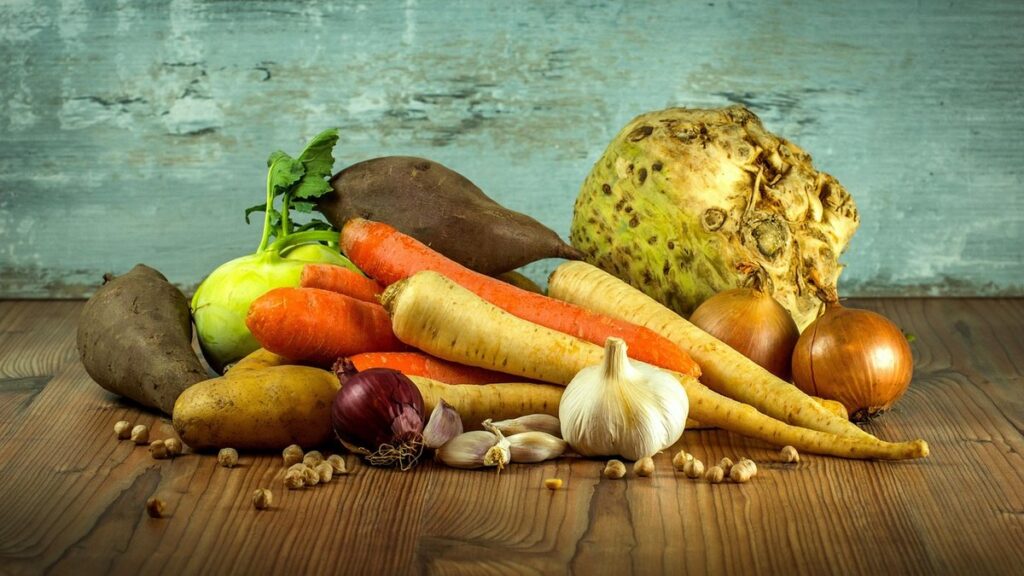
In the fall, expect to find a variety of seasonal produce, including apples, pears, and root vegetables like carrots and beets. Winter markets often feature hearty, comforting items like artisanal cheeses, bread, and baked goods. To make the most of your seasonal shopping experience, visit markets during their peak seasons. For example, if you’re looking for the freshest strawberries, head to Marché aux Puces de Saint-Ouen in late spring. Similarly, for a taste of winter’s best artisanal cheeses, visit Le Bon Marché during the colder months. By timing your visits accordingly, you’ll be able to enjoy the best of what Paris markets have to offer.
Food and Drink at Paris Markets
When shopping at Paris markets, it’s the food and drink that often steal the show – from freshly baked croissants to artisanal cheeses, every stall is a culinary delight. From charcuterie to patisserie, we’ll explore the best eats to try.
Street Food and Snacks
Parisian markets are a feast for the senses, and the street food and snacks on offer are a major draw for visitors. You’ll find a variety of vendors selling classic French treats, from crepes to croissants, as well as more exotic options like falafel and shawarma. Look for the iconic “crêperie” stands, where you can watch skilled chefs expertly flip and fill delicate pancakes with sweet or savory fillings. For a sweet treat, try a pain au chocolat or a macaron from a reputable bakery stand.
Some popular street food options include:
- Freshly made crepes with sweet or savory fillings
- Flaky croissants, often still warm from the oven
- French-style baguettes with cheese, charcuterie, or jam
- Fresh fruit and vegetable skewers
- Artisanal chocolates and truffles
When trying street food, be sure to check the ingredients and prices, as some vendors may use lower-quality ingredients or charge inflated prices. Stick to reputable vendors and stalls with a high turnover of customers, and don’t be afraid to ask for recommendations or samples before making a purchase. By doing so, you’ll get a true taste of Parisian culture and cuisine.
Artisanal Producers and Food Stalls
At Paris markets, you’ll discover a vibrant array of artisanal producers and food stalls, each offering a unique glimpse into the city’s rich culinary heritage. Cheese makers, such as Fromagerie Quatrehomme, showcase an impressive selection of artisanal cheeses, including the famous Pont l’Évêque and Reblochon. These producers often partner with local bakeries, like Boulangerie Gérard Mulot, to offer perfectly paired breads and pastries.
Chocolatiers like La Maison du Chocolat and Patrick Roger also set up shop at the markets, enticing visitors with their exquisite creations. These skilled artisans often offer samples and tastings, allowing you to experience the full flavor and texture of their products. When shopping for artisanal goods, be sure to ask about the producers’ methods and ingredients, as many are committed to using high-quality, locally sourced materials.
Some markets, like Marché d’Aligre, offer a dedicated “food hall” area, where you can find a variety of prepared foods, including freshly made pasta, artisanal bread, and charcuterie. This is a great opportunity to stock up on picnic supplies or grab a quick bite to eat while you shop.
Wine and Champagne Bars
At some Paris markets, you’ll find wine and champagne bars that offer a taste of the city’s renowned wine culture. These establishments are often nestled among the market stalls, providing a welcoming space for visitors to sample a wide range of wines and champagnes. For example, the Marché d’Aligre wine bar offers a selection of wines from small, local producers, while the Marché aux Enfants Rouges has a champagne bar serving up a variety of bubbly.
These wine and champagne bars are a great way to experience the best of French wine culture without having to navigate the complexities of wine tasting on your own. Staff are often knowledgeable and happy to offer recommendations, so don’t be afraid to ask for advice. Some markets also offer wine and champagne tastings, which are a great way to learn more about the different varieties and regions.
When visiting a wine and champagne bar at a Paris market, be sure to try a few different options and take your time. Don’t feel pressured to drink a full glass – many markets offer smaller pours or even a glass of wine for a fixed price. By taking a moment to appreciate the flavors and aromas, you’ll get a deeper understanding of the wine culture that Paris is famous for.
Insider Tips and Recommendations
To truly experience the essence of Paris, you need to know where to find the best local markets and what to look for when shopping among the stalls, just like a true Parisian.
Local Favorites and Hidden Gems
When you’re browsing the Paris markets, there are several local favorites and hidden gems that only insiders know about. One such gem is the charming café, Le Loir dans la Theière, which serves as a tranquil oasis amidst the bustling market scene. This tiny café, tucked away in a quiet corner of the Marché des Enfants Rouges, offers a delightful selection of teas and homemade pastries.
For a unique shopping experience, head to the boutique, Maje, located in the heart of the market. This stylish store offers a curated selection of women’s fashion, accessories, and home goods. Another hidden gem is the artisanal bakery, Boulangerie Gérard Mulot, which supplies some of the city’s top restaurants with its delectable bread and pastries.
For a truly local experience, visit the Marché d’Aligre on a Sunday morning. This bustling market offers a wide range of products, from fresh produce to antiques, as well as a selection of local cafes and restaurants serving up delicious street food. Be sure to try the famous falafel at L’As du Fallafel, a Paris institution located just a stone’s throw from the market. By exploring these local favorites and hidden gems, you’ll gain a deeper understanding of the Paris market scene and experience the city like a true local.
Behind-the-Scenes: Meet the Vendors
Meet the vendors who bring Paris markets to life. Amidst the vibrant stalls and bustling aisles, you’ll find individuals with unique stories, skills, and passions. I spoke with Aurélie, a third-generation florist at Marché d’Aligre, who explained the importance of choosing seasonal blooms. “It’s not just about aesthetics; it’s about supporting local farmers and respecting the natural cycle of growth.”
Behind every market stall is a person with a tale to tell. Take Pierre, a cheese maker from Normandy who sells his wares at Le Bon Marché. He shared with me the secret to his creamy brie: “It’s all about the terroir, the unique combination of soil, climate, and tradition that gives our cheese its distinctive flavor.” Interacting with vendors like Aurélie and Pierre can elevate your market experience from mere shopping to an immersion in local culture.
To get the most out of these encounters, be sure to ask vendors about their products and processes. You might be surprised by the stories and insights you uncover. As you explore the markets, keep an eye out for the artisanal producers, the small-batch manufacturers, and the family-owned businesses that give Paris markets their character.
Practical Information and Essentials
When planning a trip to Paris markets, it’s essential to consider transportation, accommodation, and other practical details. The city has two main train stations, Gare du Nord and Gare de Lyon, which offer connections to the city’s extensive metro network. You can also use buses or ride-sharing services like BlaBlaCar to reach your destination.
Accommodation options range from budget-friendly hostels to luxury hotels, many of which are within walking distance to popular markets. Consider staying in the 11th or 12th arrondissement for easy access to Le Marché d’Aligre and Le Bon Marché.
Other essentials to keep in mind include packing layers for changing weather, comfortable walking shoes, and a portable charger for your phone or camera. Don’t forget to bring a reusable shopping bag and a few euros for snacks and small purchases. Additionally, consider purchasing a Paris Museum Pass, which grants access to many attractions and markets, including Le Louvre and the Musée d’Orsay.
To make the most of your market visit, plan your itinerary in advance and research each market’s specific rules and regulations.
Frequently Asked Questions
Can I visit Paris markets year-round, or are some closed during certain seasons?
Yes, many Paris markets are open year-round, but some seasonal markets may close during winter or have reduced hours. For example, the Marché d’Aligre is closed on Mondays, and some flea markets may be closed during the winter months.
How can I find the best deals at Paris markets, and what are some common pricing strategies to keep in mind?
To find the best deals, research the market beforehand and look for vendors offering discounts or promotions. Be aware that prices can vary depending on the time of day, season, and vendor reputation. Some vendors may also offer fixed prices, while others may be open to negotiations.
Can I use credit cards or foreign currencies at Paris markets, or are cash and euros only?
While some vendors may accept credit cards or foreign currencies, it’s best to have euros on hand, as many vendors prefer cash transactions. Some larger markets or specialty shops may accept major credit cards, but it’s always a good idea to have some cash on hand.
What if I get lost or need help navigating the markets? Are there any resources available for visitors?
Don’t worry if you get lost – many vendors and locals are happy to help. You can also ask for directions at the market’s information desk or look for signs pointing to specific areas. Some markets may also offer guided tours or maps to help you navigate.
Can I bring my own shopping bags or containers to Paris markets, or are there any specific rules or regulations?
Yes, bringing your own shopping bags or containers is a great idea and can help reduce waste. Some vendors may also offer reusable bags or containers for sale. However, be aware that some markets may have specific rules about food storage or packaging, so it’s always a good idea to check with vendors beforehand.