The Danish Christmas tree is a treasure trove of festive charm, blending tradition with modern flair. For many of us, decorating our own Tannenbaum is a beloved holiday ritual, but have you ever wondered about the rich history behind this Scandinavian staple? From its humble beginnings as a simple spruce to the elaborate masterpieces we see today, the Danish Christmas tree has evolved over time, incorporating unique decorations and themes that reflect the country’s distinct culture. In this article, we’ll delve into the world of traditional Danish Christmas tree decor, exploring how to balance nostalgia with personal style. Whether you’re looking for inspiration or a fresh perspective on your holiday decorating routine, keep reading to discover the secrets behind creating a stunning – and uniquely Danish – Christmas tree that reflects your own personality.
Origins and Evolution of the Danish Tannenbaum
The origins of the Danish Christmas tree are deeply rooted in Germanic traditions, dating back to the 18th century. Let’s explore how this festive tradition evolved over time.
The German Influence on Danish Christmas Trees
It’s no secret that Denmark’s love for Christmas trees is deeply rooted in its cultural heritage. But what’s often overlooked is the significant influence of German traditions on the Danish Tannenbaum. As we delve into the history of the Danish Christmas tree, it’s essential to acknowledge the pivotal role Germany played in popularizing the evergreen fir as a symbol of life and hope during the bleak winter months.
In the 17th and 18th centuries, German immigrants brought their festive traditions with them to Denmark, including decorating evergreen trees. The evergreen fir was seen as a beacon of life amidst the harsh Danish winters, and its branches were adorned with candles, fruits, and other ornaments. Over time, these German customs merged with existing Danish traditions, giving rise to the modern Danish Christmas tree.
Today, you can still see remnants of this German influence in the way Danes decorate their trees – the emphasis on using natural materials like pinecones, branches, and berries is a nod to the traditional German approach. So, if you’re looking to infuse your own holiday decor with a touch of Nordic flair, consider embracing these classic German-inspired touches for a truly authentic Danish Christmas tree experience.
Adoption and Adaptation in Denmark
In the mid-19th century, the Danish Christmas tree tradition was adopted by Danish Christians who brought their own unique flair to this Germanic custom. As a predominantly Lutheran country, Denmark adapted the Tannenbaum tradition to suit its existing cultural practices and preferences.
One notable adaptation was the emphasis on simplicity and practicality. Unlike the elaborate decorations and ornaments of German traditions, Danish Christmas trees were often kept humble with fewer, more handcrafted ornaments made from natural materials like pinecones, twigs, and berries. This focus on understated elegance allowed families to express their creativity while staying true to their values.
Danish Christians also incorporated existing folk traditions into the celebration, such as the use of candles and evergreen branches in festive arrangements. By blending old and new customs, Danish families created a distinctive Christmas tree tradition that remained deeply personal and authentic.
Traditional Decorations and Symbols
When it comes to decorating the Danish Christmas tree, traditional ornaments and symbols play a significant role in adding to its festive charm. Let’s take a closer look at some of these classic decorations.
Ornaments and Figurines: A Story of Faith and Joy
When it comes to adorning the Danish Christmas tree, ornaments and figurines play a significant role in conveying faith, joy, and festive spirit. Glassblown figurines, in particular, are highly valued for their intricate details and spiritual significance. Many Danes collect these delicate pieces over time, passing them down through generations as cherished family heirlooms.
These ornaments often depict traditional Danish figures, such as the Julenisse (a bearded elf) or the Dyad (two angels embracing). They add a touch of nostalgia to the tree, reminding families of their rich cultural heritage. Handmade decorations are another staple in Danish Christmas traditions. Often crafted by local artisans using natural materials like wool and pinecones, these ornaments bring an earthy feel to the tree.
To incorporate these meaningful elements into your own Danish-inspired Christmas celebration, consider starting a family tradition of creating handmade decorations together. You can also hunt for unique glassblown figurines at local markets or online shops that specialize in traditional craftsmanship.
The Importance of Candles and Lighting
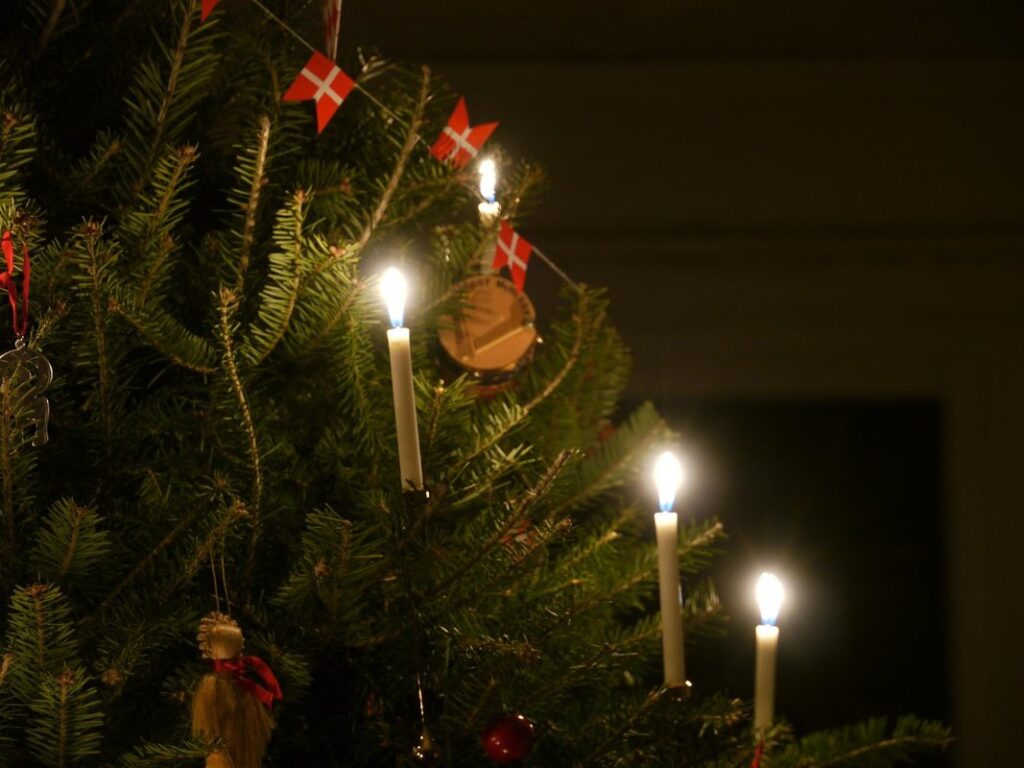
Candles and lighting play a significant role in Danish Christmas tree decorating traditions. The Danes often use candles to create a warm and cozy ambiance, symbolizing the light of Christmastime. You’ll typically see red candles on the branches, which not only add a pop of color but also represent the gift of Jesus.
In traditional Danish Christmas trees, candles are usually placed in a specific pattern, with some placed high up on the tree and others lower down. This creates a beautiful, layered effect that adds depth to the overall design. To achieve this look at home, try grouping your candles by size and placing them according to their height.
Another popular lighting element is the use of lanterns. You’ll often see paper lanterns in festive colors like red and green hung from the branches or placed around the base of the tree. This adds a whimsical touch to the overall design and creates a sense of joy and celebration. Experiment with different shapes, sizes, and colors to find the perfect combination for your Danish Christmas tree.
Modern Twists and Trends
As we delve into the modern era, traditional Danish Christmas tree practices are evolving, blending centuries-old customs with fresh ideas and creative twists that will inspire your holiday decorating.
Sustainable and Eco-Friendly Options
In recent years, there has been a growing shift towards more environmentally friendly and sustainable choices for the modern Danish Christmas tree. Danes are increasingly embracing eco-conscious practices, and this trend is reflected in their holiday traditions.
Locally sourced materials have become a popular choice for Danish Christmas trees. Many families opt for living trees that can be planted outside after the holiday season, reducing waste and minimizing carbon footprint. Others prefer sustainably harvested branches or smaller, locally grown trees that require less maintenance and produce fewer emissions.
Decorations also play a significant role in sustainable Christmas tree practices. Recycled decorations, such as old ornaments repurposed from previous years, are becoming increasingly popular. Additionally, many Danes choose to forgo traditional tinsel and garlands, instead opting for natural materials like evergreen sprigs or dried flowers.
For those looking to make their own eco-friendly Danish Christmas tree decorations, consider upcycling old items like jars, bottles, or cardboard tubes to create unique ornaments. You can also use edible materials like popcorn, cranberries, or cookies to add a touch of whimsy and sustainability to your tree.
Blending Traditions: A Fusion of Old and New
As Denmark celebrates its unique Christmas traditions, many Danish Christians are blending old and new to create something truly special. One of the most exciting developments is the fusion of traditional Danish decorating practices with modern ideas and influences from around the world. This blending of styles has resulted in a distinctive look that’s both nostalgic and innovative.
For instance, some families are incorporating Asian-inspired paper lanterns into their tree decor, adding a pop of color and a touch of global flair. Others are using recycled materials to create unique ornaments, reflecting Denmark’s strong emphasis on sustainability. You can try this at home by collecting old CDs or jar lids and turning them into shimmering snowflakes or delicate flowers.
What’s also interesting is the way Danish Christians are embracing digital technology to enhance their holiday experience. Some families are creating online advent calendars, counting down to Christmas with daily surprises and treats. Others are using social media to share their decorating progress and get inspiration from fellow Danes around the world. This blend of traditional values and modern conveniences is what makes Danish Christmas celebrations so unique and engaging.
Decorating the Tree: Techniques and Tips
Now that you’ve learned about the history and traditions of Danish Christmas trees, it’s time to dive into the fun part – decorating your own tree like a true Dane! We’ll share expert techniques and insider tips for creating a stunning Scandinavian-inspired look.
Balancing Tradition and Creativity
When decorating your Danish-inspired Christmas tree, it’s essential to find the perfect balance between tradition and creativity. On one hand, you want to honor the heritage and customs that make a Danish Christmas tree unique. On the other hand, you also want to put your personal touch on the decor.
To start, consider incorporating traditional elements such as red and white ornaments, candles, and a star or angel at the top of the tree. These classic touches will instantly transport you to the rolling hills of Denmark during the holiday season. However, don’t be afraid to mix things up by adding some modern twists.
For instance, try pairing traditional Danish ornaments with more unconventional materials like natural elements, such as pinecones or branches, or even vintage items like old books or cameras. This fusion of old and new will create a truly one-of-a-kind tree that’s both authentic and uniquely yours. Remember, the key is to experiment and have fun – there’s no right or wrong way to decorate your Danish Christmas tree!
Themes and Color Schemes: Choosing the Right Approach
When it comes to decorating the Danish Christmas tree, selecting a unifying theme or color scheme is crucial in creating a cohesive look. The Danes are known for their love of simplicity and minimalism, but that doesn’t mean you can’t add some festive flair.
To create a cohesive look, consider choosing a few key colors that reflect the season. Traditional Danish Christmas colors include red, green, and white, which evoke a sense of winter wonderland magic. You can also incorporate natural elements like pinecones, branches, and evergreen sprigs to bring in a touch of the outdoors.
For a more modern twist, try incorporating metallic accents like gold or silver to add some shine and sophistication. Or, opt for a monochromatic scheme using different shades of blue, which is becoming increasingly popular in Danish Christmas decor. Remember, the key to creating a cohesive look is to keep it simple and balanced – avoid over-accessorizing with too many patterns and colors.
If you’re feeling stuck, try looking to nature for inspiration – use pine needles, holly, or mistletoe to add some organic charm to your tree. With a little creativity, you can create a stunning Danish-inspired Christmas tree that reflects the country’s understated yet elegant style.
Danish Christmas Tree Traditions Around the World
As you deck the halls, let’s venture beyond Denmark and explore how the country’s beloved Christmas tree traditions have taken root in other parts of the world. From Germany to Australia, we’ll discover the diverse ways Danish culture spreads holiday cheer.
Celebrating Abroad: A Look at International Communities
As Danes celebrate their love for Christmas trees abroad, it’s heartwarming to see expatriates and international communities preserving cherished traditions despite distance. Whether in a bustling city like Tokyo or a quaint village in Spain, these groups have found creative ways to recreate the magic of Juletræet (Danish Christmas tree).
One such example is the Danish community in Copenhagen’s sister city, Vancouver, Canada. Every December, the Vancouver-based group gathers at the local park for a festive tree-lighting ceremony, complete with traditional food and drinks like gløgg (mulled wine) and æbleskiver (doughnuts). Similarly, in Singapore, Danish expats have formed a social club that organizes annual Christmas market events featuring Scandinavian delicacies, crafts, and decorations.
If you’re an expat or part of an international community looking to recreate your beloved Christmas tree traditions abroad, here’s a tip: research local regulations and restrictions on outdoor gatherings before organizing any festivities. Additionally, consider reaching out to fellow expats or international organizations in your area for potential collaboration opportunities. By embracing cultural exchange and adapting traditional practices, you’ll not only bring the warmth of Juletræet to your new home but also forge lasting connections with like-minded individuals from around the world.
Nurturing Community Spirit Through Holiday Events
In Denmark, festive events and celebrations play a vital role in nurturing community spirit during the holiday season. One of the most iconic traditions is decorating Christmas trees together as families, friends, and neighbors come together to share in the joy of the season. These communal activities not only strengthen bonds but also create a sense of belonging among those who celebrate the Danish Christmas tree tradition.
For instance, many towns and villages host annual Christmas markets, where locals gather to exchange gifts, sample traditional treats, and enjoy festive music and entertainment. These events foster a sense of community and encourage people to come together with others who share similar values and interests.
To incorporate this spirit into your own celebrations, consider hosting a potluck dinner or game night with friends and family. You can also volunteer at local holiday events or participate in charity fundraisers that support those in need during the winter months. By taking part in these activities, you’ll not only be spreading cheer but also cultivating meaningful connections with others in your community.
Conclusion: Embracing the Spirit of the Season
As we wrap up our journey through Denmark’s beloved Christmas tree traditions, it’s time to reflect on what truly makes the season special. Let’s savor the spirit that brings us all together during this magical time of year.
Reflections on Tradition and Innovation
As we conclude our journey through the history and traditions of the Danish Christmas tree, it’s clear that this beloved holiday symbol has undergone a remarkable evolution. On one hand, its enduring power lies in the timeless traditions that have been passed down through generations – from the careful selection of the perfect tree to the delicate ornaments that adorn its branches.
Yet, as with all things, tradition is not static. The Danish Christmas tree has adapted and innovated over time, incorporating new ideas and materials without losing sight of its heritage. For example, many modern Danes now choose to decorate their trees with a mix of traditional glass baubles and more contemporary materials like fabric or felt.
This willingness to blend old and new is not only a testament to the Danish spirit of innovation but also a reflection of the country’s cultural identity. By embracing both tradition and creativity, the Danish Christmas tree has become a unique and dynamic symbol of the holiday season.
If you’re looking to infuse your own celebration with some of this Nordic flair, consider adding a few modern twists to your traditional decorations. For instance, try using natural materials like pinecones or branches to create a rustic yet elegant centerpiece. Alternatively, get creative with DIY ornaments made from paper, felt, or even recycled materials.
Remember, the true magic of the Danish Christmas tree lies not in its uniformity but in its diversity and adaptability. So go ahead, mix and match your favorite traditions with some innovative ideas – after all, it’s this very spirit that makes the holiday season so special.
Frequently Asked Questions
What if I’m new to decorating Christmas trees? Where do I start?
If you’re new to the world of Danish Christmas tree decor, begin by familiarizing yourself with traditional decorations and symbols. Visit online forums or social media groups for inspiration and ideas from other enthusiasts. Start small by incorporating a few unique elements into your existing tree decor, such as adding hand-painted ornaments or using natural materials like pinecones.
Can I mix Danish Christmas tree traditions with my own cultural background?
Absolutely! The beauty of the Danish Christmas tree is its adaptability. Feel free to incorporate personal touches and cultural influences that reflect your heritage. This fusion will not only make your tree more meaningful but also add a unique twist to traditional decor.
How do I balance nostalgia with modern flair when decorating my Danish Christmas tree?
To strike the perfect balance, consider a few key elements: choose a neutral color palette for your tree and ornaments, incorporate natural materials like branches or pinecones, and use modern glass ornaments in a variety of shapes and sizes. This blend of old and new will create a harmonious fusion that honors tradition while showcasing your personal style.
Can I make my own Danish Christmas tree decorations instead of buying them?
Yes! Handmade decorations are not only eco-friendly but also add an extra layer of meaning to your tree. Try making traditional Norwegian paper snowflakes or use natural materials like cotton, felt, or wool to create ornaments. You can find tutorials and inspiration online or experiment with different techniques to create one-of-a-kind pieces.
What if I’m short on time? How do I decorate a Danish Christmas tree quickly?
Don’t worry – you don’t need hours of free time to decorate your tree beautifully! Focus on key elements like the tree’s centerpiece, choose a simple color scheme, and use pre-made ornaments or decorations. You can also set aside one weekend each year to dedicate to decorating your tree with family and friends.