As Diwali approaches, many of you are likely thinking about how to bring traditional Indian flavors into your celebrations. The festival season is not just about lights and decorations, but also about sharing delicious food with loved ones. Diwali food is an integral part of the festivities, with each region in India offering its own unique recipes and specialties. From classic sweets like gulab jamun and barfi to savory main courses like samosas and biryani, there’s a world of traditional Indian cuisine to explore. This article will provide you with ideas for homemade gifts, such as traditional desserts and snacks, and also offer modern twists on classic recipes. By the end of this guide, you’ll be able to try your hand at making authentic Indian sweets, main courses, and beverages, and even create unique experiences for your friends and family during Diwali.
Introduction to Diwali Food Culture
Diwali food traditions are a vital part of India’s rich cultural heritage, and in this section we’ll explore some of the key dishes that are typically served during the festival. From sweet treats to savory snacks, you’ll discover what makes Diwali food so special.
The Significance of Food in Diwali Celebrations
Food plays a vital role in Indian culture, especially during festivals like Diwali. In Hindu households, mealtimes are not just about sustenance but also about bonding and sharing experiences with loved ones. During Diwali, the significance of food extends beyond mere nourishment; it’s an integral part of the celebrations. Traditional dishes are carefully prepared to welcome the gods and goddesses into homes.
The aromas of homemade sweets like gulab jamun and jalebi waft through households, filling the air with a sense of festivity. These treats are not only delightful to eat but also represent the spirit of sharing and generosity during Diwali. In many families, it’s customary for women to prepare elaborate meals and desserts in advance, often using traditional recipes passed down through generations.
The preparation of food during Diwali is not just about cooking; it’s an opportunity to connect with one’s heritage and culture. By involving family members in the cooking process, individuals can create lasting memories while preserving their cultural traditions. For those looking to infuse more authenticity into their Diwali celebrations, consider exploring traditional recipes and ingredients to add a personal touch to their gatherings.
Traditional Diwali Foods Across India
In northern India, a traditional Diwali dish is sarson ka saag, a mustard green curry often served with makki di roti, a type of whole wheat flatbread. This hearty combination is particularly popular in the Punjab region and is typically made with fresh greens from local farms. In contrast, southern Indians celebrate Diwali by preparing sweet dishes like payasam, a rice pudding flavored with cardamom and nuts.
In eastern India, particularly in West Bengal, people prepare mishti doi, a dessert consisting of fermented yogurt topped with sugar and nuts. Meanwhile, in the western state of Gujarat, traditional Diwali sweets include ghari, a type of sweet flatbread, and jalebi, crispy fried batter spirals often served with syrup.
As you explore the diverse range of Diwali foods across India, consider incorporating regional specialties into your own celebrations. By preparing these dishes, you can experience the unique flavors and traditions associated with each region. Take note that ingredients may vary depending on local availability, so feel free to substitute or adjust recipes as needed.
Popular Diwali Sweets and Desserts
From traditional favorites like gulab jamun to creative twists on classic desserts, we’ll explore the sweet treats that are at the heart of any Diwali celebration. These delicious sweets bring joy and sweetness to the festival.
Classic Mithai Recipes for Diwali
Barfi is a classic Diwali sweet made with condensed milk, sugar, and flour. This rich dessert is often flavored with cardamom, saffron, or nuts to give it an extra layer of depth. Traditionally, barfi is molded into a square shape and cut into diamond-shaped pieces once set.
Gulab jamun, on the other hand, consists of dumplings made from milk solids that are deep-fried until golden brown and then soaked in a sweet syrup flavored with rosewater and cardamom. This dessert requires precision to achieve the right balance between the sweetness of the syrup and the density of the dumplings.
Jalebi is another popular Diwali sweet that is essentially crispy, fermented batter that is deep-fried into curly shapes and then soaked in a sweet syrup. While it may seem simple, achieving the perfect balance between crunch and softness can be tricky, which is why many home cooks rely on tried-and-true recipes to get it just right.
Each of these sweets has its own unique texture and flavor profile that adds variety to the Diwali spread.
Regional Variations in Diwali Sweets
In South India, Diwali sweets often feature coconut as a key ingredient. Jalebis are replaced by a sweet called “attukula”, made with coconut milk and sugar. In contrast, North Indian households tend to favor mithai-like sweets such as gulab jamun and jalebi. These deep-fried dumplings soaked in syrup are a classic Diwali treat throughout the region.
Eastern India has its own distinct sweets for Diwali. The Bengalis, for instance, make “sandesh” – a sweet made from chhena (a type of Indian cottage cheese) and sugar. In Odisha, people enjoy “chenna poda”, a semolina cake flavored with cardamom and garnished with nuts.
While these regional twists on traditional Diwali sweets may differ significantly, they share one common thread: the emphasis on local ingredients and flavors. When preparing Diwali sweets from other regions, consider incorporating local flavors to create a more authentic experience. For example, adding coconut milk to a North Indian-style gulab jamun recipe can give it a distinctly South Indian twist.
Main Course Dishes for Diwali
For the main course, we often look to traditional dishes that are both flavorful and meaningful. Here are some classic Diwali recipes that never fail to impress family and friends alike.
Traditional Thalis for a Joyous Celebration
In Indian cuisine, a thali meal is a carefully curated selection of dishes served together on a single plate. This concept is deeply rooted in traditional Indian culture and is often associated with celebrations like Diwali. During these festivities, a variety of classic main course dishes are typically included in the thali.
Some common main courses found in a traditional Diwali thali include Chana Masala, a popular North Indian dish made with chickpeas cooked in a rich tomato-based sauce; Rajma Masala, a spicy Punjabi kidney bean curry; and Baingan Bharta, a mashed eggplant dish from the East. These flavors are complemented by neutral rice or roti, allowing each component to shine.
When assembling your own Diwali thali, consider the regional specialties you want to feature. You might draw inspiration from Gujarati cuisine’s sweet and sour flavors or explore the South Indian emphasis on coconut-based curries. By combining these distinctive elements, you’ll create a rich and satisfying meal that honors the spirit of the holiday.
Innovative Modern Twists on Traditional Recipes
Modern chefs are breathing new life into traditional Diwali recipes by incorporating fresh ingredients and innovative cooking techniques. One such example is the addition of seasonal fruits to classic dishes like sarson ka saag, a creamy spinach curry. A popular variation in recent years has been pairing this dish with a sweet and spicy chutney made from roasted mangoes.
Another modern twist on traditional Diwali fare can be seen in the use of alternative grains such as quinoa or farro in place of traditional basmati rice. This not only adds texture but also increases the nutritional value of the dish. For instance, a hearty winter vegetable biryani made with quinoa and featuring seasonal vegetables like carrots and Brussels sprouts is a delightful departure from the usual basmati rice-based biryanis.
When experimenting with new ingredients and techniques, it’s essential to balance innovation with tradition. This means respecting the core flavors and textures of the original dish while introducing fresh elements that enhance its overall appeal. By doing so, modern chefs can create innovative recipes that pay homage to their cultural heritage while appealing to a contemporary palate.
Beverages and Drinks for Diwali
As you celebrate the festive spirit of Diwali, let’s not forget to toast to the season with a refreshing selection of traditional drinks that are an integral part of Indian festivities. From lassi to jal jeera, we’ll explore some popular choices.
Traditional Indian Drinks for the Festival Season
During Diwali celebrations, traditional Indian drinks are an integral part of the festivities. Among these popular beverages, lassi is a favorite. This yogurt-based drink is typically made with curd, water, and spices like cumin or cardamom, which gives it a refreshing taste. You can make lassi at home by blending together 1 cup of plain yogurt, 1/2 cup of water, and a pinch of cumin powder.
Chaas, another traditional Indian drink, is essentially buttermilk with a twist. Spices like ginger, cumin, or coriander are added to give it a distinct flavor. Chaas is often served as a refreshing beverage during Diwali celebrations. To make chaas at home, mix 1 cup of buttermilk with a pinch of ground cumin and a dash of grated ginger.
Sharbat, a sweet syrup made from fruits or flowers, is also commonly consumed during Diwali. The sweetness and flavor of sharbat vary depending on the ingredients used. You can make various types of sharbat at home using fruits like berries, citrus, or apples. When preparing sharbat, be sure to use ripe and fresh ingredients for the best taste.
Modern Cocktail Recipes Inspired by Indian Flavors
Indian flavors have long been a source of inspiration for modern bartenders. In recent years, we’ve seen a surge in creative cocktail recipes that blend traditional Indian spices and ingredients with contemporary twists. For Diwali celebrations, consider shaking up one of these refreshing drinks: the Spiced Apple Cider Mule, made with ginger beer, apple cider, and warm cinnamon; or the Mango Lassi Martini, combining yogurt-infused vodka with pureed mango and cardamom.
For a more complex flavor profile, experiment with Ganges River Gin Fizz. This cocktail incorporates gin infused with Indian spices like cumin and coriander, mixed with lemon juice, honey syrup, and soda water. Garnish with a sprig of fresh cilantro to add a pop of color and fragrance.
To infuse your own gin or vodka at home, start by selecting a neutral spirit and soaking it in a mixture of Indian spices like cardamom pods, cinnamon sticks, and black peppercorns for 2-3 weeks. Strain the infused spirit and use it as a base for creative cocktails throughout the year – not just during Diwali celebrations.
Gift Ideas for Foodies and Hosts
If you’re looking to impress your friends and family with thoughtful gifts, consider ideas that bring Indian cuisine into their homes. A beautifully crafted spice box or gourmet food basket is sure to delight any food enthusiast.
Homemade Treats as Gifts
Gift-giving is an essential part of Diwali celebrations. During this festive period, exchanging sweets and other edible delights with family and friends is a thoughtful way to spread joy and strengthen bonds. When it comes to gift-giving, opting for homemade treats can be particularly meaningful as they’re infused with love and care.
Some popular Diwali-themed homemade gifts include traditional Indian sweets like gulab jamun, barfi, and jalebi. You can also consider packaging your creations in decorative containers or jars filled with fragrant spices like cardamom, cinnamon, or cloves. These make for lovely additions to any gift basket or hamper.
Consider preparing small batches of homemade snacks, such as spiced nuts, masala popcorn, or dried fruit chaat. These bite-sized treats are perfect for sharing and can be easily customized according to individual tastes. You could also create a special Diwali-themed cookie mix, complete with spices like nutmeg and saffron, which can be given away in cute jars or bags.
Remember to pay attention to presentation – beautifully wrapped gifts and decorative packaging add an extra touch of thoughtfulness to your homemade treats.
Experiences Over Physical Gifts
For the food enthusiast on your Diwali gift list, consider gifting experiences over physical gifts. This approach not only caters to their interests but also creates lasting memories. Cooking classes are an excellent option, allowing recipients to learn new techniques and recipes from expert chefs. Many culinary schools and cooking studios offer classes that focus on Indian cuisine, making it a thoughtful and relevant gift for the Diwali season.
Another experiential gift idea is a gourmet food subscription service. These services often feature artisanal products and specialty ingredients that are difficult to find in local stores. By gifting a subscription, you’re providing access to a world of flavors and cuisines, keeping the recipient engaged and excited throughout the year. Be sure to choose a service that caters specifically to Indian or international cuisine to maximize its appeal.
When selecting an experiential gift, consider your recipient’s interests and skill level. Some cooking classes may focus on traditional Diwali recipes, while others might explore more modern twists on Indian cuisine. By choosing a gift that aligns with their tastes, you’re showing you care about their culinary passions.
Frequently Asked Questions
Can I make Diwali sweets in advance and still keep their freshness?
Yes, many Diwali sweets can be made ahead of time, but it’s essential to store them properly to maintain their texture and flavor. For example, you can prepare barfi a day or two before Diwali, but make sure to wrap it tightly in plastic wrap or aluminum foil and store it in an airtight container.
How do I choose the right ingredients for my Diwali thali?
Selecting the right ingredients is crucial when preparing a traditional Indian meal. When shopping for ingredients, consider the seasonality of spices and vegetables. For example, use fresh green chilies for added flavor during peak summer months. Also, opt for locally sourced ingredients to ensure their freshness and quality.
Can I substitute dairy products in Diwali recipes with non-dairy alternatives?
Yes, you can substitute dairy products like milk, cream, or ghee with non-dairy alternatives like almond milk, coconut cream, or vegan butter in many Diwali recipes. However, keep in mind that these substitutions may affect the flavor and texture of the final dish.
How do I make my own homemade Diwali treats without preservatives?
To create homemade treats for gifting, focus on using natural preservatives like sugar, honey, or fruit purees to prevent spoilage. You can also experiment with dehydrating fruits or vegetables to create healthy and shelf-stable snacks.
What if I’m new to cooking Indian food and want to start with simple recipes?
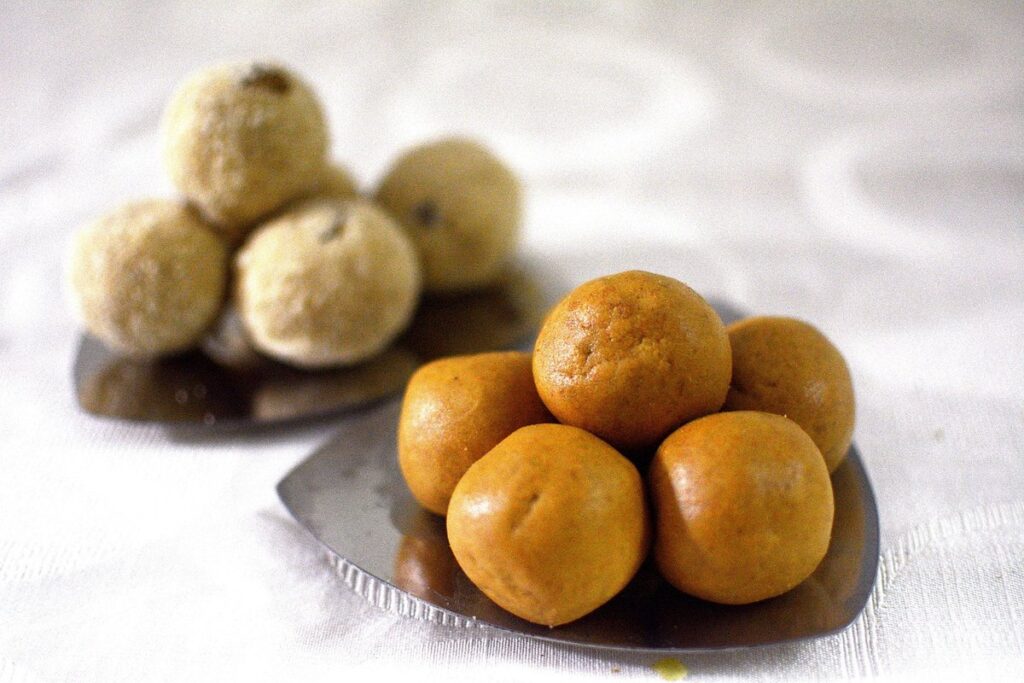
Start by exploring basic recipes that require minimal ingredients and equipment. Look for simple sweets like coconut laddoo or easy-to-make chaat items like pani puri. Practice these recipes first, then gradually move on to more complex dishes as you gain confidence in your cooking skills.