The humble taco, a staple in Mexican cuisine and now enjoyed worldwide. But have you ever stopped to think about what “taco” actually means? In Mexico, where this beloved dish originated, its meaning is multifaceted. Not only does it refer to the traditional street food made from a corn tortilla wrapped around various fillings, but it also has a specific cultural significance that transcends its culinary purpose. Linguistically, the word “taco” is derived from the Aztec language, Nahuatl, where it originally meant “half.” As tacos have evolved into a global food staple, their meaning and significance have expanded, taking on new roles in cuisine, culture, and identity. In this article, we’ll explore the rich history, cultural importance, and linguistic roots of tacos, delving into their evolution as a global phenomenon that’s both a symbol of tradition and innovation. By the end of this journey, you’ll gain a deeper understanding of what “taco” truly means, beyond its tasty fillings and crunchy shells.
History of Tacos in Mexico
Let’s start by exploring how tacos evolved from a humble street food in Mexico, shaped by indigenous and Spanish influences over time. From its origins to the present day, Mexican cuisine has played a significant role in shaping the iconic dish we know today as the taco.
Pre-Columbian Roots
The ancient Mesoamerican civilizations of central Mexico were the first to consume corn tortillas, which would eventually become a staple ingredient in modern tacos. The Aztecs and Mayans used these early versions of tortillas as a base for various fillings, including meats, beans, and squash. Corn was a sacred crop in these cultures, and its versatility made it an ideal food source.
The process of making tortillas from corn masa, or dough, involved soaking the kernels in limewater to remove the hulls, then grinding them into a fine paste using a metate stone tool. This labor-intensive process created a soft, pliable flatbread that could be cooked on a comal griddle over an open flame.
While these early tortillas did not resemble the tacos we know today, they laid the groundwork for the modern taco’s foundation. By understanding the pre-Columbian roots of corn tortillas, you can appreciate the deep cultural significance behind this beloved Mexican dish. This knowledge can also help you connect with the traditional ingredients and cooking methods that continue to inspire new generations of chefs and home cooks.
Spanish Colonization and Influence
When Spanish conquistadors arrived in Mexico in the early 16th century, they brought with them new ingredients and cooking techniques that would forever change the face of Mexican cuisine. Prior to their arrival, Mexican food was based on the indigenous staples of corn, beans, squash, and chili peppers. But the Spanish introduced pork, chicken, beef, and dairy products, which were quickly incorporated into traditional dishes.
The Spanish also brought with them their own culinary traditions, such as using lard instead of vegetable oils for frying, and cooking meats in tomato-based sauces. These techniques had a profound impact on Mexican cuisine, particularly when combined with the native ingredients. For example, the taco de carnitas, a popular dish from Mexico City, is a direct result of Spanish influence.
The introduction of new ingredients and cooking techniques also led to the development of new dishes that blended indigenous and European flavors. The mole sauce, a complex and rich condiment made from chocolate, spices, and nuts, is another example of this fusion. As you explore the origins of tacos in Mexico, keep in mind the lasting impact of Spanish colonization on the country’s cuisine.
Evolution of Tacos in Mexico
The humble taco has come a long way from its ancient origins, evolving significantly over time to become the diverse and vibrant food staple we know today. From simple street foods to gourmet twists, Mexican cuisine is home to an astonishing array of tacos.
Regional Variations
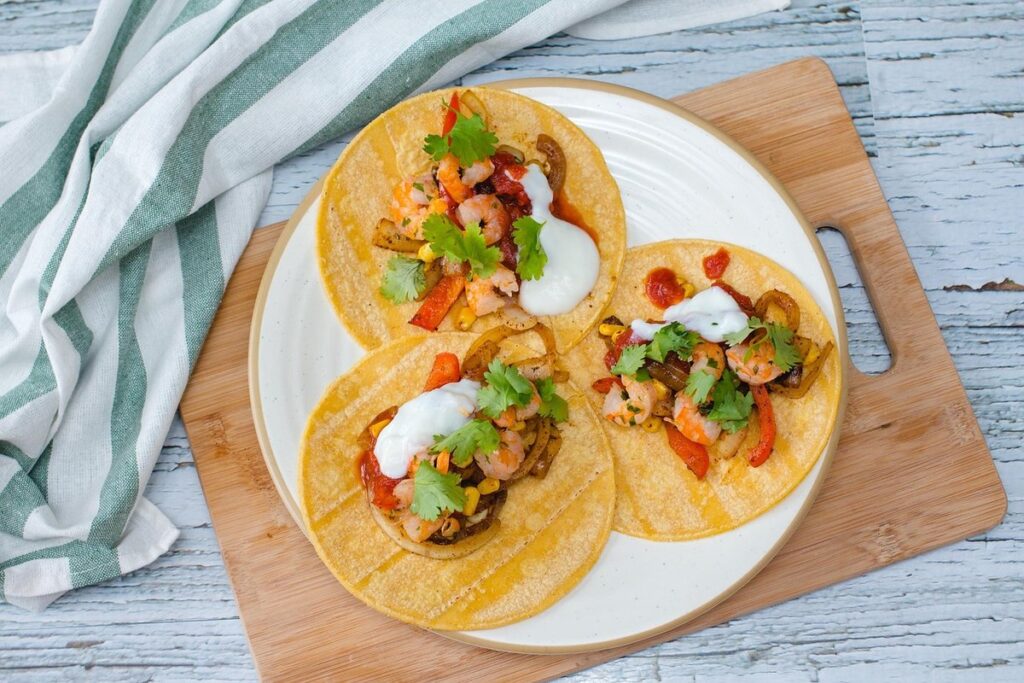
Northern Mexico is known for its large, folded tacos called “tacos de carne asada,” typically filled with grilled beef. These are often served with a slice of orange and a sprinkle of cilantro. In contrast, the Yucatán Peninsula in southern Mexico specializes in “poc chuc” tacos – small, folded tortillas filled with slow-roasted pork, onions, and pickled red onion. Coastal regions like Veracruz and Oaxaca are famous for their seafood-filled tacos, such as those topped with grilled fish or shrimp.
As you explore different parts of Mexico, you’ll discover unique ingredients and flavors that set regional styles apart. For example, the state of Chiapas is known for its use of chipotle peppers in adobo sauce to add a smoky heat to its tacos. Meanwhile, the Baja California Peninsula in northern Mexico has adopted a Korean-Mexican fusion style, featuring tacos filled with spicy Korean BBQ beef and kimchi slaw.
When trying different regional taco styles, keep an open mind and be willing to experiment. Some popular regional ingredients you might want to try include Oaxacan mole negro or the Yucatán’s citrus-marinated pork.
Street Food and Market Culture
Tacos became a staple food in Mexico thanks to street vendors and markets. These informal sellers played a crucial role in popularizing tacos by making them accessible to everyone, regardless of social class. Street vendors would often sell tacos from colorful carts or stands, and the smells wafting from their cooking pits drew in crowds.
Markets, like the famous Mercado San Juan in Mexico City, also contributed to the widespread adoption of tacos. Vendors at these markets sold a variety of street foods, including tacos, tortas, and elote (grilled corn). The diversity of options catered to different tastes and budgets. You can still find similar market stalls today, where you might discover new flavors or encounter old favorites.
The combination of affordable prices, convenience, and variety helped transform tacos into a beloved national dish. Street vendors and markets served as incubators for innovative taco recipes and cooking techniques. This grassroots movement allowed traditional ingredients like meats, cheeses, and salsas to be reimagined in countless ways.
Taco Meaning Beyond Mexican Cuisine
Beyond Mexico, tacos have taken on a multitude of meanings and cultural associations that are just as rich and diverse as their culinary counterparts. Let’s explore how different cultures around the world interpret this iconic dish.
Cultural Significance in the United States
Tacos have transcended their Mexican roots to become an integral part of American food culture. The rise of Tex-Mex, a fusion of Mexican and American flavors, has contributed significantly to this phenomenon. This blend of cuisines often features ground beef, melted cheese, and salsa, deviating from the traditional Mexican taco fillings.
The popularity of Tex-Mex can be attributed to the influence of cultural exchange between Mexico and the United States. The construction of the US-Mexico border led to an influx of Mexican immigrants who brought their culinary traditions with them. American restaurants adapted these recipes to suit local tastes, resulting in the creation of unique dishes like the nacho cheese Doritos Locos Tacos.
Taco chains like Taco Bell have further popularized Tex-Mex flavors nationwide. These establishments often cater to a more substantial and filling-oriented crowd, rather than adhering strictly to traditional taco standards. As a result, American diners can now enjoy tacos in various forms, from classic street-style versions to innovative fusion creations that showcase the versatility of this iconic dish.
Global Influences and Adoptions
Taco fusion has become a staple in international cuisine, with countries around the world putting their own spin on traditional Mexican dishes. In Japan, for instance, tacos have been reimagined as “toria,” featuring unique fillings such as tempura bits and bonito flakes. Australians have also gotten creative, topping tacos with ingredients like grilled shrimp and kimchi.
In Korea, tacos have become a popular street food, with vendors serving up spicy beef and kimchi tacos. The Korean twist on traditional tacos often involves the use of gochujang sauce, adding an extra layer of heat to the dish. Meanwhile, in Singapore, you can find tacos filled with ingredients like char kway teow and Hainanese chicken.
These international adaptations serve as a testament to the taco’s versatility and adaptability. By incorporating local flavors and ingredients, cooks around the world are breathing new life into this beloved Mexican dish. When trying these global variations, don’t be afraid to experiment and add your own twist – after all, that’s what makes fusion cuisine so exciting.
Taco Etymology and Linguistics
The word ‘taco’ has a fascinating history, originating from Mexico’s indigenous people and their Nahuatl language. Let’s explore how this term evolved over time to become synonymous with Mexican cuisine.
Nahuatl Origins
The Nahuatl word “tlahco” is the root from which the term “taco” originates. This indigenous Mexican language was spoken by the Aztecs and their descendants, the Mexica people. The word “tlahco” specifically refers to a half or in-between position. In culinary terms, this translates to food folded in a specific manner – typically as a flatbread wrapped around various fillings.
The concept of folding food is not unique to Nahuatl cuisine; however, the term “tlahco” itself has become synonymous with tacos worldwide. When examining historical records and recipes from pre-Columbian Mexico, it’s clear that various fillings were used in conjunction with this folding technique. These included meats, fruits, and even insects.
The word “tlahco” was later adapted into Spanish as “taco,” which initially referred to a Mexican dish consisting of folded corn tortillas filled with meat or other ingredients. Today, tacos can be found in countless variations globally, but their roots in Nahuatl cuisine remain an essential part of their cultural significance and identity.
Spanish Language Influence
The Spanish language has had a profound impact on taco terminology, particularly when it comes to regional variations. One notable example is the use of “taco” in northern Mexico and southwestern United States, where it refers specifically to a fried or toasted corn tortilla filled with meat, often served with beans, cheese, and salsa.
In central and southern Mexico, however, “taco” typically denotes a smaller, softer corn tortilla wrapped around various fillings, such as meats, cheeses, or vegetables. This regional distinction reflects the linguistic adaptation of the word “taco,” which originated from the Aztec word for “half” or “in the middle.” The Spanish conquistadors adopted this term and modified it to suit their own culinary preferences.
When exploring taco terminology, understanding these regional variations can be helpful in appreciating the nuances of different taco styles. For instance, a traveler in Mexico City may encounter tacos al pastor, which feature marinated pork cooked on a vertical spit. By being aware of these regional dialects, food enthusiasts can better appreciate the diverse flavors and traditions surrounding this beloved dish.
Tacos as a Symbolic Food
Tacos have long been more than just a delicious meal, but also a symbol of cultural identity and tradition. In this context, we’ll explore the deeper meaning behind this beloved food.
Cultural Identity and Tradition
Tacos embody a complex web of cultural identity and tradition for Mexicans. They are an expression of the country’s rich history, shaped by indigenous roots, European influences, and African contributions. The tortilla itself is a staple food that dates back to the Aztecs and Mayans, symbolizing resilience and resourcefulness in times of scarcity.
In modern Mexico, tacos have become a unifying force, bridging regional divides and bringing people together around shared culinary traditions. From the northern border’s carne asada to the Yucatán’s cochinita pibil, each region boasts its own unique taco styles that reflect local flavors and customs.
When exploring Mexican culture through food, it’s essential to recognize tacos not just as a meal but as an extension of family and community ties. By engaging with different regional specialties and learning about their origins, you can develop a deeper appreciation for the cultural significance of this beloved dish. This understanding can also inform your own taco-making endeavors, allowing you to respectfully incorporate authentic flavors and techniques into your cooking.
Modern Representations and Fusion
Tacos have become a staple in modern cuisine, reflecting changing tastes and cultural exchange. This fusion is evident in Korean tacos, where spicy Korean BBQ meets Mexican flavors, wrapped in a crispy tortilla. Another example is the popular Japanese taco rice dish, which combines tender beef or chicken with Mexican spices and a side of steamed rice.
Innovative chefs are pushing boundaries by incorporating global ingredients and techniques into traditional taco recipes. Take, for instance, the use of Korean chili flakes (gochugaru) in some taco fillings, adding a bold, smoky flavor. Or, consider the Indian-inspired tacos with spiced lamb or chicken, served with cilantro-lime sauce.
The blending of cultures has also led to unique presentation styles. Some restaurants serve their fusion tacos in bespoke tortillas made from exotic flours like quinoa or plantain. Others garnish their dishes with microgreens and edible flowers for added visual appeal. By embracing global flavors and aesthetics, modern taco makers are redefining the traditional dish while staying true to its roots.
Conclusion: Understanding the Taco’s Enduring Appeal
Now that we’ve explored the rich history and cultural significance of tacos, let’s examine what makes their enduring appeal so universal.
The Intersection of History, Culture, and Food
The intersection of history, culture, and food is where the taco’s enduring allure truly comes alive. As we’ve seen, the origins of the taco are deeply rooted in Mexico’s indigenous past, where corn was a staple ingredient and tortillas were used as vessels for various fillings. This historical foundation has given way to a rich cultural tapestry, with different regions in Mexico developing their own unique taco styles and traditions.
For instance, in some parts of the country, tacos are served as a snack or appetizer, while in others they’re a main course. The variation is not limited to fillings alone – even the tortillas themselves can differ significantly from one region to another. Take the Oaxacan-style taco, for example, which features thick, handmade tortillas that are perfect for scooping up rich mole sauces.
The taco’s versatility extends far beyond Mexico’s borders as well. As Mexican cuisine has spread globally, different cultures have put their own spin on this beloved dish. Tacos can be found in countless variations, from Korean BBQ tacos to vegan and gluten-free options. This fusion of flavors and styles is not only a testament to the taco’s adaptability but also its ability to transcend cultural boundaries.
Ultimately, the taco’s enduring appeal lies in its unique combination of history, culture, and flavor. By embracing this complexity and exploring different regional specialties, we can gain a deeper appreciation for the taco’s significance beyond mere culinary delight. Whether you’re trying an authentic street food-style taco or experimenting with innovative new fillings, the experience is always rooted in tradition yet open to innovation.
Frequently Asked Questions
Can I use tacos as a way to introduce my friends to Mexican culture?
Yes, using tacos as an entry point can be an effective way to share the richness of Mexican culture with your friends. By trying different types of tacos and exploring their regional variations, you can help your friends appreciate the diversity and complexity of Mexican cuisine. This approach can also lead to meaningful conversations about cultural heritage and exchange.
What if I’m not from Mexico or a Spanish-speaking country – can I still learn about the history and significance of tacos?
While familiarity with the Nahuatl language and Spanish colonization may be helpful, it’s not necessary to understand the history and significance of tacos. By reading about the evolution of tacos in Mexico and their adaptation around the world, you can gain a broad appreciation for the cultural context surrounding this food staple. This knowledge will allow you to engage more deeply with taco culture, even if you’re not from Mexico or don’t speak Spanish.
How do I incorporate traditional Mexican cooking techniques into my own recipes without losing the authenticity of the dish?
When incorporating traditional techniques, it’s essential to balance innovation with respect for cultural heritage. Start by studying the historical context and regional variations that have shaped taco-making traditions. Experiment with classic ingredients like corn tortillas, meats, and spices while adapting these elements to your local tastes. This approach will allow you to infuse your own recipes with authenticity while introducing new flavors.
Can I use tacos as a vehicle for food fusion or innovation without losing their cultural significance?
Yes, innovative uses of tacos in contemporary cuisine can reflect changing tastes and cultural exchange while still honoring the dish’s heritage. Consider how different ingredients and cooking techniques might complement traditional taco-making practices. This approach will allow you to reimagine the possibilities of tacos while maintaining respect for their roots.
What if I’m new to cooking – where do I start when making tacos at home?
Begin by familiarizing yourself with basic Mexican pantry staples like corn tortillas, beans, and spices. Learn how to prepare simple fillings such as grilled meats or sautéed vegetables. As you become more confident in your cooking skills, experiment with different regional variations and ingredients to create unique taco recipes that reflect your tastes.