You might be familiar with the term “bruschetta,” but have you ever stopped to think about its origins? This popular Italian appetizer has become a staple in restaurants and home kitchens worldwide, but its name and cultural significance are often overlooked. Bruschetta literally means “to roast on bread” in Italian, but its meaning extends far beyond a simple definition. As a foodie or curious cook, understanding the history and versatility of bruschetta can help you take your appetizers and snacks to the next level. This guide will explore the cultural significance of bruschetta, from its roots in Italian cuisine to its modern-day interpretations, including creative twists and ideas for making it your own. By the end of this comprehensive guide, you’ll have a deeper understanding of what bruschetta truly means and be inspired to experiment with new recipes and flavors.
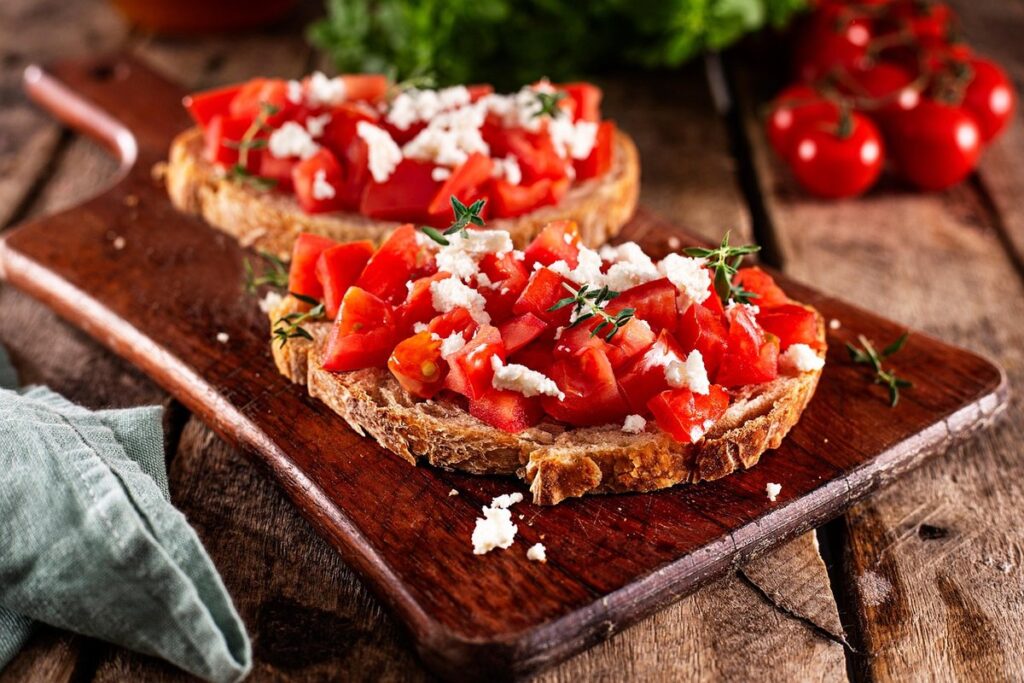
Origins of Bruschetta
Let’s take a step back and explore how bruschetta came to be, tracing its origins back to 16th-century Italy where bread was often topped with olive oil and herbs. This is where the beginnings of our beloved appetizer come alive.
The Italian Roots
Bruschetta originated from the Tuscan region of Italy, where peasants would toast bread as a way to repurpose leftover bread and make it more palatable. This practice was known as “bruscare,” which means “to roast” or “to burn.” The peasants would top their toasted bread with olive oil, salt, and other available ingredients like tomatoes and basil.
As Italian cuisine evolved, bruschetta became a staple in peasant households, particularly during harvest festivals and celebrations. The dish was often served as an antipasto, accompanied by wine and conversation. Its popularity eventually spread throughout Italy, where it was adapted to incorporate local flavors and ingredients.
Today, bruschetta has become a beloved appetizer worldwide, often featuring creative toppings like diced meats, cheeses, and spreads. While its global popularity may have led to variations in preparation and presentation, the fundamental principle of repurposing bread remains at its core. By understanding the humble origins of bruschetta, we can appreciate the simplicity and resourcefulness that defines this beloved Italian dish.
Influence from Ancient Rome
The ancient Romans are often credited with laying the groundwork for modern-day bruschetta. They consumed toasted bread as a staple food, often topping it with olive oil, herbs such as basil and rosemary, and other ingredients like beans and meats. This practice was not only about sustenance but also about social gathering and community building.
When the Romans prepared their daily bread, they would typically drizzle it with high-quality olive oil, which was prized for its flavor and health benefits. They might then sprinkle on some herbs or spices to add depth and aroma. The addition of other ingredients like beans, meats, and vegetables created a variety of flavors and textures that paved the way for the diverse range of bruschetta toppings we see today.
The Roman’s approach to topping toasted bread was not just about adding flavor but also about showcasing their wealth and status. Only the finest ingredients were used, and the presentation was often elaborate. This early influence can be seen in modern-day bruschetta, where high-quality ingredients and creative toppings are still celebrated.
The Name “Bruschetta”
The name “bruschetta” itself has a rich history, and its origins are deeply rooted in Italian culture. Let’s take a closer look at where this mouthwatering term comes from.
Etymology of Bruschetta
The word “bruschetta” originates from Italy, where it is often served as an antipasto. Breaking down its components, “bruscare” means to rub or burn, and the suffix “-schetta” implies a small slice or cutting. This etymology suggests that bruschetta may have originated as a rustic bread dish cooked until crispy on the outside, then rubbed with olive oil, garlic, and perhaps other seasonings.
In Italian, “bruschetta” is often translated to English as toasted bread, which accurately describes its preparation method. However, this translation doesn’t fully convey the nuances of bruschetta’s composition. For example, some variations may feature diced tomatoes or fresh basil on top of the toasted bread, while others incorporate cured meats like prosciutto.
When exploring different language translations, one might find that “bruschetta” is sometimes rendered as “torched bread” in French (pain torché) or Spanish (pan tostado con tomate), highlighting the dish’s characteristic browning. Understanding bruschetta’s etymology helps to clarify its intended preparation and presentation, allowing cooks to better appreciate this popular Italian appetizer.
Similarities with Other Dishes
Bruschetta’s similarities with other dishes from around the world are a reflection of its evolution as a culinary staple. One notable comparison can be made to crostini, an Italian appetizer consisting of toasted bread topped with various ingredients. Like bruschetta, crostini often features fresh vegetables, meats, or cheeses on top of toasted bread. However, the key difference lies in the level of preparation and presentation: while bruschetta typically involves a more rustic, chunky approach to topping, crostini tends to be more refined.
Similarly, toast as a dish has gained popularity globally, with various regional twists and toppings. In some cultures, toast is served as a side or used as a base for other dishes. For example, in the Middle East, it’s common to top toasted bread with hummus, olives, or tabbouleh. These international variations demonstrate how bruschetta’s core concept – combining toasted bread with flavorful toppings – has become a universal template for creative expression in the culinary world.
When exploring similar dishes, consider what aspects you appreciate most about bruschetta and how they can be applied to other recipes.
Ingredients and Toppings
To make the perfect bruschetta, you’ll need a few essential ingredients, including fresh tomatoes, basil, garlic, and mozzarella cheese. Let’s take a closer look at these toppings that bring this dish to life.
Classic Bruschetta Toppings
Tomatoes are a fundamental component of classic bruschetta toppings. Fresh, diced tomatoes add natural sweetness and juiciness to the dish, balancing out the savory flavors from other ingredients. The acidity in tomatoes also helps cut through richness, making each bite feel lighter.
Basil is another essential herb that contributes to bruschetta’s distinctive taste profile. Its bright, slightly bitter flavor complements the sweetness of the tomatoes, while its aromatic oil enhances the overall aroma of the dish. When choosing basil for bruschetta, opt for fresh leaves instead of dried or frozen alternatives – the difference in flavor is noticeable.
Mozzarella and garlic are other traditional toppings that add depth to the dish. Mozzarella’s creamy texture provides a pleasant contrast to the crunch of toasted bread, while its mild flavor allows the other ingredients to shine. Garlic, typically minced or pressed into small pieces, adds a pungency that enhances the overall savory flavor of bruschetta.
When combining these classic toppings, remember that less is often more. A light hand with garlic and basil ensures that each ingredient’s unique character remains intact, while excess can overpower the other flavors.
Creative Twists on Traditional Toppings
In bruschetta’s evolution, traditional toppings have given way to creative combinations that redefine its character. One popular variation is the use of sweet elements like caramelized figs, prosciutto, or honey, which balance savory flavors and add depth. These sweet and salty pairings can transform the dish from a simple snack to an elegant appetizer.
Other topping combinations showcase global influences: Korean chili flakes and crispy kimchi, Mexican salsa and crumbled queso fresco, or Indian spices like cumin and coriander. Each of these unique blends offers a new flavor profile that challenges the traditional notion of bruschetta as a straightforward Italian antipasto. When experimenting with non-traditional toppings, consider the core elements: bread’s texture, olive oil’s richness, and tomatoes’ acidity. Balance and harmony are key; too many competing flavors can overwhelm the dish.
Some combinations may seem unusual at first but can lead to exciting discoveries. Try pairing roasted garlic with artichoke hearts or grilled pineapple with jalapeños. By embracing these creative twists, you can breathe new life into a classic recipe and create a personalized version of bruschetta that reflects your taste preferences.
Cultural Significance
Bruschetta is more than just a tasty appetizer, it also holds a rich cultural significance that’s deeply rooted in Italian tradition and cuisine. Let’s break down its symbolic meaning and importance in Italian culture.
Bruschetta in Italian Culture
Bruschetta is an integral part of Italian social gatherings, festivals, and family traditions. In Italy, bread is not just a staple food but also a symbol of hospitality and community. When guests arrive at someone’s home, it’s customary to offer them a slice of bruschetta as a sign of welcome and respect. This simple gesture breaks the ice and sets the tone for a convivial evening.
During festivals like Festa dei Noantri in Rome or Siena’s Palio, bruschetta vendors set up stalls to sell their delicious creations to hungry crowds. The aroma of toasted bread wafts through the air, enticing passersby to stop and sample a slice (or three). In these festive settings, bruschetta becomes more than just a snack – it’s an experience.
In Italian families, Sunday lunches are often spent gathered around the table, sharing a large platter of bruschetta as a precursor to the main course. This practice is not only about satisfying hunger but also about fostering connection and making memories with loved ones. By understanding the role of bruschetta in Italian culture, you can appreciate its significance beyond just being a tasty appetizer.
Global Variations and Fusion Cuisine
Bruschetta’s adaptability has led to diverse regional interpretations worldwide. In Japan, toasted bread is topped with tuna mayonnaise and diced onions, while in Mexico, it’s transformed into a sweet and spicy treat by combining fresh mango salsa with crumbled queso fresco. The Italian original, however, remains the gold standard for many enthusiasts.
In Australia, chefs often substitute traditional tomatoes with locally grown bush tomatoes, adding a unique twist to the classic recipe. Similarly, South African bruschetta recipes frequently incorporate grilled boerewors – a type of sausage – and top it off with a fried egg. These innovations highlight the dish’s potential for fusion cuisine.
When exploring global variations, consider experimenting with regional ingredients. For instance, swap traditional olive oil with sesame oil to create an Asian-inspired bruschetta. By embracing local flavors and produce, you can breathe new life into this classic Italian staple. Just remember that some adaptations stray further from the original than others, so use your discretion when deciding which variations to try.
Cooking Techniques and Tips
To make bruschetta perfectly, it’s essential to master a few simple cooking techniques that will elevate your dish from ordinary to extraordinary. Mastering these techniques will ensure your bruschetta turns out crispy on the outside and fluffy on the inside.
Toasting Bread for Bruschetta
When preparing bruschetta, selecting the right bread is crucial. Look for a rustic Italian bread with some heft to it, such as Ciabatta or Grissini. Avoid overly dense or heavy breads like Challah or Pumpernickel, which can overpower the flavors of your toppings.
To toast bread for bruschetta, you’ll want to achieve a perfect crunch on the outside and a tender interior. Preheat your broiler to high heat, then slice the bread into 1/2-inch thick rounds. Place the slices directly on the oven rack or on a baking sheet lined with parchment paper. Toast for 2-3 minutes on each side, or until golden brown.
The key to achieving that perfect crunch is to toast the bread just until it’s lightly browned, then remove it from the heat. Overtoasting will result in dry, brittle bread that shatters when bitten into. To prevent this, keep an eye on your bread while it’s toasting and remove it as soon as it reaches the desired color. This will ensure a crispy exterior and a soft interior, perfect for topping with fresh tomatoes, basil, and mozzarella.
Best Practices for Combining Toppings
When combining toppings for bruschetta, balance is key. This means balancing flavors, textures, and portion sizes to create a harmonious whole. Start by choosing a dominant flavor profile – whether it’s the richness of mozzarella, the brightness of tomatoes, or the depth of basil – and build from there. Consider the acidity provided by olives or citrus, the sweetness of caramelized onions, and the earthiness of roasted garlic.
To add variety in texture, mix crunchy elements like breadcrumbs or croutons with softer ingredients like cheese or fresh herbs. A small handful of chopped nuts can also provide a satisfying crunch. However, be mindful not to overdo it – too many textures can overwhelm the dish.
Portion sizes are another crucial consideration. Aim for a balanced ratio between the amount of topping and the base bread. Too much topping can overpower the delicate flavors of the bread, while too little may leave the plate looking bare. As a general rule, use about 1-2 tablespoons of topping per slice of bread, adjusting according to your personal preference.
History of Bruschetta in Pop Culture
Bruschetta has become a staple in modern cuisine, and its presence can be seen in various forms of media, from TV shows to movies. We’re taking a look at some notable examples where bruschetta has made an appearance in popular culture.
From Italian Restaurants to Mainstream Media
Bruschetta’s rise to mainstream popularity can be seen in its frequent appearances on television shows and movies. In the 1990s, Italian restaurants began to feature bruschetta as a standard appetizer, often with an emphasis on fresh tomatoes and basil. This trend soon spread beyond fine dining, as food networks and cooking shows popularized the dish’s preparation.
Media portrayals of bruschetta have contributed significantly to its widespread appeal. Shows like “The Sopranos” frequently featured characters enjoying bruschetta at Italian restaurants or making it in their own homes. These depictions humanized the dish, making it seem approachable and relatable. Additionally, cooking competitions like “Chopped” often feature a bruschetta-themed challenge, showcasing its versatility as an ingredient.
Food trends and cultural references also played a significant role in bruschetta’s rise to fame. The 1990s saw a surge in popularity of Mediterranean cuisine, with chefs and food writers extolling the virtues of fresh vegetables, herbs, and olive oil – key components of traditional bruschetta. This cultural shift helped normalize the dish as a staple of casual gatherings and family meals. As its appeal continued to grow, bruschetta became a staple in many mainstream restaurants, solidifying its place in modern culinary culture.
Iconic Bruschetta Dishes in Film and Literature
Bruschetta has captured the hearts of audiences in various forms of media. In the 1994 film “Only You,” a romantic comedy starring Robert Downey Jr., bruschetta is mentioned as a favorite dish of one of the characters. The scene showcases a classic Italian setup, complete with freshly toasted bread and a generous topping of tomatoes and basil.
In literature, bruschetta has been featured in various novels and short stories. In “Eat Pray Love” by Elizabeth Gilbert, the author describes her experience trying authentic bruschetta at a local trattoria in Italy. This passage highlights not only the flavor but also the cultural significance of this dish.
The iconic Italian-American film “Lady and the Tramp” (1955) features bruschetta as part of an upscale dinner scene. Although not explicitly stated, the scene is reminiscent of traditional Italian cuisine, reinforcing the idea that bruschetta has become synonymous with Italian culture. These appearances in media demonstrate how bruschetta has transcended its origins to become a staple in popular culture.
Conclusion
Now that we’ve explored the origins and meaning behind bruschetta, let’s summarize what you’ve learned. We’ll recap the key takeaways from our journey through the history of this beloved Italian dish.
Recap of Key Points
Bruschetta’s rich history, meaning, and cultural significance can be distilled into several key points. At its core, bruschetta is a dish born from resourcefulness: ancient Italian peasants would rub bread with garlic to make it more palatable before topping it with olive oil, salt, and other available ingredients. This simple yet effective approach not only stretched limited resources but also highlighted the importance of communal eating and sharing.
Through its evolution, bruschetta has become a staple in Mediterranean cuisine, symbolizing hospitality and generosity. Its association with Italian culture is undeniable, with many regions boasting their own unique variations. Bruschetta’s flexibility as an accompaniment or main course has also contributed to its widespread popularity. When recreating this dish at home, consider embracing the spirit of bruschetta by using seasonal ingredients and focusing on simplicity rather than complexity.
Ultimately, bruschetta is more than just a tasty appetizer; it represents a cultural touchstone that bridges tradition and innovation. By understanding and respecting its origins, you can unlock new ways to enjoy this beloved dish and appreciate the values it embodies.
Encouragement to Experiment with Bruschetta
As you’ve reached the end of this guide, we encourage you to take the next step: experimenting with bruschetta. So far, we’ve explored its history and meaning, but now it’s time to get creative. Bruschetta is more than just a topping for bread – it’s a versatile canvas waiting for your personal touch.
Think about the countless combinations of ingredients that have been used in traditional Italian recipes. You can apply this same logic to create your own unique bruschetta creations. For example, pair roasted sweet potatoes with crumbled goat cheese and fresh thyme for a seasonal twist. Or, try combining diced apples with caramelized onions and crispy prosciutto for a sweet and savory mix.
Remember, the beauty of bruschetta lies in its flexibility. Feel free to swap out ingredients, adjust flavors, or add new textures to suit your taste preferences. Don’t be afraid to experiment with different types of bread, from rustic ciabatta to crusty baguette. By pushing the boundaries of traditional recipes, you’ll discover a whole new world of possibilities within this beloved Italian dish. So go ahead – take inspiration from what we’ve discussed and start creating your own bruschetta masterpieces!
Frequently Asked Questions
Can I make bruschetta with gluten-free bread?
Yes, you can easily adapt traditional bruschetta recipes to use gluten-free bread alternatives. Simply choose a high-quality gluten-free bread that holds up well to toasting and proceed with the recipe as usual.
What if my bruschetta toppings fall off when served?
To minimize topping loss, consider using a more robust bread variety or applying toppings in layers rather than piling them high. You can also try baking the assembled bruschetta for a few minutes to help set the ingredients in place.
How do I make bruschetta with non-traditional ingredients like grilled meats or vegetables?
Bruschetta is highly adaptable, and incorporating unique ingredients is encouraged! Consider pairing grilled meats or roasted vegetables with complementary flavors like pesto or balsamic glaze. Feel free to experiment and find your own signature combinations.
Is it acceptable to serve bruschetta as a main course in place of traditional pasta dishes?
While bruschetta can be substantial, it’s generally considered an appetizer or snack due to its size and composition. However, in certain situations like outdoor gatherings or casual events, serving bruschetta as a main course is not unheard of, especially if you’re offering larger servings or more filling toppings.
Can I make bruschetta ahead of time, such as the day before a party?
Yes, it’s possible to prepare some components of your bruschetta in advance, like toasting bread or preparing sauces. However, assemble and top the final dish just before serving for optimal flavor and texture.