Italian cuisine is one of the most beloved and iconic culinary traditions in the world, with a rich history that spans centuries. From its humble origins as a peasant food to its current status as a global phenomenon, Italian cuisine has captivated palates and inspired home cooks for generations. But have you ever wondered what makes Italian food so uniquely delicious? Whether you’re a seasoned cook or just starting to explore the world of Italian cuisine, this comprehensive guide is here to take you on a journey through the must-know ingredients, techniques, and regional specialties that define Italy’s culinary identity.
In the following pages, we’ll delve into the essential elements that make Italian food so special, from classic pasta dishes and pizzas to lesser-known regional flavors and international adaptations. We’ll explore how Italian cuisine has been shaped by its history, geography, and cultural influences, and what you can learn from these factors to elevate your own cooking at home. Whether you’re planning a trip to Italy or simply want to cook like an Italian nonna, this guide is the perfect starting point for any food lover eager to explore the authentic flavors of Italy.

History and Evolution of Italian Cooking
Italian cuisine has a rich history that spans centuries, evolving from peasant dishes to sophisticated creations that reflect the country’s cultural diversity. Let’s explore its fascinating evolution together.
Origins of Italian Cuisine
Italian cuisine has its roots deeply embedded in ancient Mediterranean traditions. To understand the evolution of modern Italian cooking, let’s take a journey through time and explore the influences that have shaped our beloved dishes.
The Etruscan civilization, which flourished in what is now modern-day Italy from the 8th to the 1st century BCE, played a significant role in laying the groundwork for Italian cuisine. Their diet consisted of simple yet hearty meals featuring grains, legumes, and vegetables. The Etruscans also introduced olive oil, which would become a staple in Italian cooking.
The ancient Greeks, with their sophisticated understanding of food and wine, further contributed to Italy’s culinary landscape. They brought their own ingredients like olives, grapes, and wheat, as well as techniques such as fermentation and preserving. These influences merged with the existing Etruscan traditions, creating a unique fusion that would eventually become Italian cuisine.
The Roman Empire also left its mark on Italian cooking, particularly in terms of meat-based dishes and advanced food preservation methods. As a result, modern-day Italian meals often reflect this blend of cultures. To appreciate the full depth of Italy’s culinary heritage, try incorporating some Etruscan-style grains or Greek-inspired olives into your next meal. Experimenting with these ancient ingredients will help you understand how Italian cuisine has been shaped over time.
Medieval Period and the Rise of Regional Specialties
During the Middle Ages, Italy’s culinary landscape began to take shape. As trade and cultural exchange flourished along the Mediterranean coast, regional differences emerged, giving birth to distinct culinary styles across the country. The rugged terrain of Italy also played a significant role in shaping local cuisines, with mountainous regions relying on preserved meats and hearty stews, while coastal areas enjoyed an abundance of fresh seafood.
In the north, the wealthy city-states of Milan and Venice developed refined cuisine influenced by their trade connections with the East. Think risotto alla milanese, flavored with saffron and served with ossobuco – a classic example of northern Italian elegance. Meanwhile, in Tuscany, simple yet satisfying dishes like ribollita (a hearty soup) and pappardelle al cinghiale (wild boar ragu) showcased the region’s rustic charm.
As you explore Italy’s culinary regions, remember to indulge in local specialties, which often reflect the area’s history, geography, and cultural heritage. By embracing regional diversity, you’ll unlock the true flavors of Italy, and discover why this cuisine is renowned for its depth and richness.
Renaissance and Beyond: The Impact of Trade and Migration
As we delve into the rich history of Italian cuisine, it’s essential to acknowledge the profound impact of cultural exchange, trade, and migration on its evolution. From the 16th century onwards, Italy became a melting pot of flavors, as people from various regions and countries brought their unique culinary traditions with them.
The Renaissance period saw an influx of immigrants from other parts of Europe, particularly Spain, France, and the Ottoman Empire. These newcomers introduced new ingredients, cooking techniques, and dishes that were seamlessly integrated into Italian cuisine. For instance, the French introduced the art of pastry-making, which led to the creation of iconic Italian desserts like tiramisù and cannoli.
As trade routes expanded, Italy became a hub for exotic spices, herbs, and other international commodities. The introduction of tomatoes from the Americas revolutionized Italian cooking, adding a burst of flavor to sauces and soups. This cultural cross-pollination not only enriched Italian cuisine but also influenced its regional diversity, making it what we know and love today.
To appreciate this culinary evolution, try experimenting with new ingredients and recipes inspired by Italy’s rich cultural heritage. Visit local markets or specialty stores to discover unique flavors from around the world. You might be surprised at how a simple pasta dish can become a passport to the history of Italian cuisine!
Key Ingredients and Staples
As you begin cooking up a storm in your Italian kitchen, let’s take a look at the essential ingredients that make Italian cuisine truly authentic. From olive oil to Parmigiano-Reggiano, these staples are the foundation of every classic dish.
Olive Oil: The Foundation of Italian Cooking
Olive oil is the unsung hero of Italian cuisine, providing the foundation for countless dishes that have made Italy famous around the world. At its core, olive oil is a staple ingredient in every Italian kitchen, and understanding its history, production methods, and uses is essential to cooking like an Italian.
Italy’s rich olive oil tradition dates back over 3,000 years, with many regions boasting their own unique varieties and techniques. From Tuscany’s full-bodied Frantoio to Puglia’s crisp Cerasuola, each region produces its own distinct flavor profiles that are deeply rooted in the local terroir. When selecting an olive oil for your cooking, consider the producer’s reputation, the varietal blend, and the level of acidity – a good rule of thumb is to choose oils with low acidity levels (less than 0.5%) for best flavor.
In Italian cuisine, olive oil serves as more than just a finishing touch; it’s often used as a cooking oil for sautéing vegetables, meats, and pasta dishes. A good starting point is to use a high-quality extra-virgin olive oil for low-heat applications (such as roasting or braising), while a lighter-tasting oil like light olive oil can be used for higher-heat stir-fries or sauces.
Fresh Herbs and Seasonal Produce
In Italian cooking, fresh herbs and seasonal produce are the unsung heroes that elevate dishes from ordinary to extraordinary. Take basil, for instance – its sweet, pungent flavor is the quintessential taste of Italy. Use it generously in pesto sauces, caprese salads, and as a garnish for summer soups like minestrone.
Oregano, another staple herb, adds depth and warmth to dishes like pizza, pasta sauces, and roasted vegetables. Its piney flavor pairs perfectly with tomatoes, which are at their best during the warmer months. Fresh tomatoes add acidity and sweetness to sauces, making them a crucial component of classic Italian dishes like tomato sauce for spaghetti or bruschetta.
Lemons, too, play a vital role in Italian cooking – their juice adds brightness and zest to dressings, marinades, and even desserts like panna cotta. To incorporate these ingredients into your own cooking, start by using them in simple preparations like salads or sauces. Experiment with combining fresh herbs and produce in new ways, such as adding basil to soups or oregano to roasted meats. With a little practice, you’ll be creating authentic Italian flavors that will transport you straight to the Tuscan countryside.
Cheese and Dairy: Parmigiano-Reggiano to Mozzarella
Italian cuisine would be nothing without its rich and varied cheese-making tradition. From the aged Parmigiano-Reggiano to the soft Mozzarella, Italy has a long history of crafting some of the world’s most beloved cheeses.
When it comes to aged cheeses like Parmigiano-Reggiano, the key is in the aging process. This cheese can be aged for up to 36 months, during which time it develops its signature nutty and fruity flavors. When shopping for Parmigiano-Reggiano, look for a wheel that’s been aged for at least 24 months – this will ensure you’re getting the most complex flavor profile.
On the other hand, soft cheeses like Mozzarella are often preferred for their creamy texture and mild flavor. Fresh Mozzarella is typically made from cow’s milk, but you can also find versions made from buffalo milk in Italy’s southern regions. When choosing a Mozzarella, opt for one that’s been made with high-quality milk – this will ensure it has the best possible flavor.
Aged cheeses like Parmigiano-Reggiano are perfect for grating over pasta dishes or salads, while soft cheeses like Mozzarella are ideal for caprese salads or as a topping for pizzas and sandwiches. With so many delicious options to choose from, it’s no wonder Italian cuisine is renowned for its love of cheese!
Regional Specialties and Classic Dishes
From the rich risottos of Piedmont to the seafood-filled pastas of Liguria, every region of Italy boasts its own unique flavors and specialties that make the country’s cuisine so incredibly diverse. Let’s explore some of these regional gems together!
Northern Italy: Risotto, Polenta, and Venetian Delights
Northern Italy is renowned for its rich and hearty dishes that showcase the region’s deep love for comfort food. One of the most iconic staples from this area is risotto, a creamy rice dish typically made with Arborio rice, white wine, and stock. Risottos can range from classic combinations like mushroom and truffle to seafood-infused delights.
But it’s not just about the rice – polenta, a warm and comforting cornmeal porridge, also takes center stage in Northern Italy. Often served alongside rich meat stews or braises, polenta provides a soothing contrast of textures and flavors. Try pairing it with a gamey ragù or osso buco for an authentic experience.
Venice, the crown jewel of Northern Italy, boasts its own set of seafood specialties that reflect the region’s proximity to the Adriatic Sea. Fritto misto, a mixed fry of seafood and vegetables, is a staple in Venetian cuisine. When in Venice, be sure to try it at a local trattoria or osteria for an unforgettable taste experience.
Central Italy: Tuscan Classics and Umbrian Favorites
Central Italy is renowned for its unassuming yet mouthwatering cuisine, which often takes center stage due to the simplicity and richness of its fundamental ingredients. At the heart of Central Italian cooking lies a deep-rooted affection for legumes, particularly cannellini beans, used in classic dishes such as ribollita – a hearty soup originating from Tuscany that’s essentially a re-brothed vegetable soup made with leftover bread, vegetables, and cannellini beans.
Tuscan cuisine is also deeply rooted in the use of olive oil, which has become an integral component of Italian cooking. Bread is another staple ingredient in Central Italy, often used as a base for bruschetta – toasted slices rubbed with garlic and topped with extra virgin olive oil and sometimes tomatoes or basil. Umbrian cuisine shares similarities with Tuscan food but boasts its unique flavors through the use of ingredients such as black truffles and porcini mushrooms.
A trip to Central Italy would be incomplete without sampling local specialties like pappardelle al cinghiale – a wild boar ragù served with wide, flat noodles. This region’s love for simplicity in cooking is exemplified by dishes that showcase the authenticity of Italian cuisine.
Southern Italy: Pizza, Pasta, and Seafood Delights
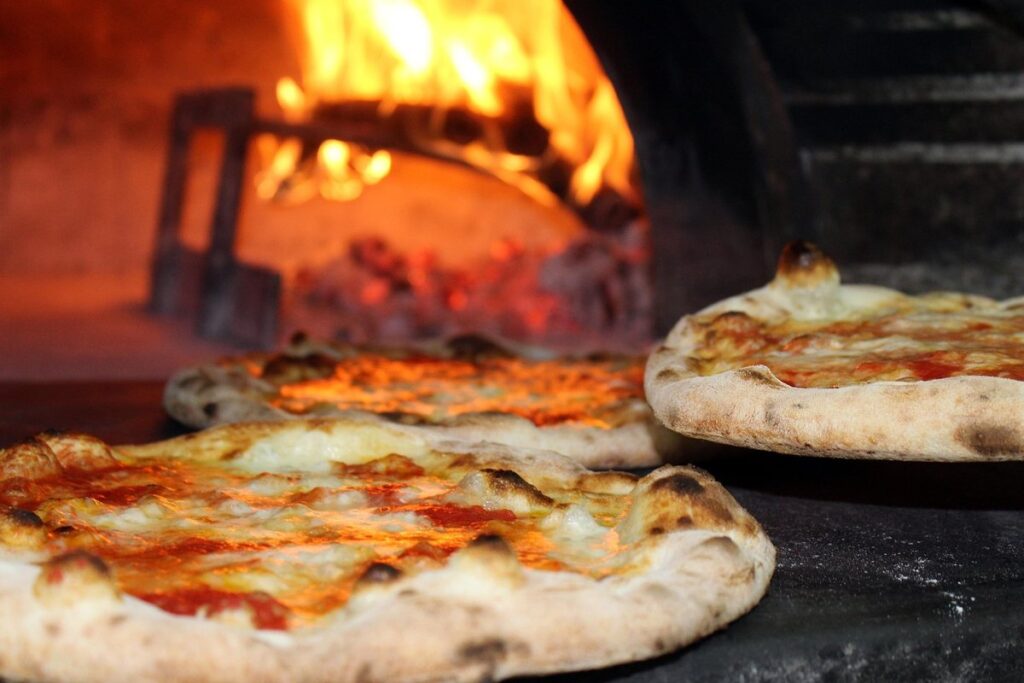
When exploring Southern Italy’s culinary scene, you’ll discover a world of flavors that will delight your taste buds. The region is renowned for its rich heritage, which has been shaped by centuries of cultural and historical influences. One of the most iconic dishes originating from this area is Neapolitan pizza, which is a must-try when visiting Naples.
The Amalfi Coast is another hotspot for seafood lovers, with fresh catches such as grilled octopus, swordfish, and shrimp often served with zesty lemon dressing. Don’t miss trying the regional specialty of ‘Spaghetti alle Vongole,’ which pairs perfectly cooked spaghetti with succulent clams in a flavorful white wine sauce.
The Campania region is also famous for its rich pasta dishes, like ‘Pappardelle al Cinghiale’ – wide flat noodles tossed with wild boar ragù and porcini mushrooms. These local specialties not only tantalize your taste buds but also offer a glimpse into the region’s history and traditions.
To truly experience Southern Italy’s culinary magic, visit local markets or take cooking classes to learn how to prepare these iconic dishes at home. The secrets of authentic Italian cuisine lie in its simplicity and emphasis on quality ingredients – a lesson that will undoubtedly enrich your dining experiences long after leaving this enchanting region behind.
Italian Cooking Techniques and Methods
To truly master the art of Italian cooking, it’s essential to understand the fundamental techniques that have been passed down through generations of Italian cooks. Let’s dive into the world of Italian culinary methods.
The Art of Making Pasta: From Fresh Fettuccine to Hand-Rolled Tortellini
Making pasta from scratch is an art that requires patience and skill. The process begins with mixing together ’00’ flour and eggs to form a dough. It’s essential to use the right type of flour, as it will affect the texture and taste of the final product. A good rule of thumb is to use 100g of flour for every one egg.
Kneading the dough is where the magic happens. It’s crucial to knead for at least 10 minutes to develop the gluten in the flour. This will give your pasta a nice chewiness and texture. You can also add flavorings such as olive oil, salt, or herbs to the dough during this process.
Once the dough has been kneaded, it’s time to roll it out. Use a pasta machine or a rolling pin to achieve the desired thickness. If using a pasta machine, start at the thickest setting and gradually decrease the thickness as you roll out the dough. This will ensure that your pasta is uniform in texture.
When cutting the pasta, use a sharp knife or a pasta cutter to get clean cuts. For long shapes like fettuccine, use a straight-edged cutting tool, while for stuffed pasta like tortellini, use a ring-shaped cutter. Practice makes perfect, so don’t be discouraged if your first batch doesn’t turn out as expected – it’s all part of the learning process!
Braising and Stewing: Coaxing Flavor from Meat and Vegetables
In Italian cooking, slow-cooked meats and vegetables are often the stars of the show. Braising and stewing are techniques that coax out incredible flavors from even the toughest cuts of meat and root vegetables. At its core, browning and deglazing are the secrets to unlocking these rich flavors.
Browning is the process of searing meat in a hot pan until it reaches a deep brown color. This creates a crust on the outside, locking in juices and flavors within. When you add liquid to the pan after browning, those flavorful compounds are released into the dish – this is deglazing. For example, when cooking osso buco, a classic Italian braised veal shank dish, you’ll first brown the meat until it’s deeply caramelized before adding white wine and stock.
Deglazing can be done with wine, broth, or even water, but the key is to use an acidic liquid that will help release those deep flavors. By mastering these two techniques, you’ll unlock new levels of flavor in your Italian cooking.
Roasting and Grilling: Bringing Out the Best in Italian Ingredients
When it comes to highlighting the best flavors in Italian cuisine, two techniques stand out: roasting and grilling. These methods are not only easy to master but also essential for bringing out the natural depth of Italian ingredients. By understanding how to roast and grill like a pro, you’ll be able to unlock the full potential of your favorite Italian dishes.
Roasting is particularly well-suited for robust ingredients like vegetables, meats, and root vegetables. The dry heat helps to caramelize sugars, intensify flavors, and create a satisfying crunch on the surface. Take, for example, roasted eggplant parmesan – the smoky flavor complements the rich tomato sauce perfectly.
Grilling is ideal for seafood, poultry, and delicate vegetables like asparagus or bell peppers. The high heat quickly sears the ingredients, locking in moisture and adding a smoky char that’s quintessential Italian. To achieve this effect at home, make sure to preheat your grill to its highest temperature setting (usually around 500°F). This will help you get those signature grill marks on your seafood or vegetables.
Practically speaking, roasting and grilling require minimal effort – simply season the ingredients with salt, pepper, and herbs, and let the heat do the work. With a bit of experimentation, you’ll soon be whipping up authentic Italian dishes like a seasoned chef.
Italian Cuisine Around the World: Global Influences and Adaptations
Italian cuisine has traveled far and wide, adapting to local tastes and ingredients in countries around the globe, resulting in unique fusions. From Japan to Brazil, let’s explore these fascinating international twists.
The Italian-American Experience: Pasta, Pizza, and Beyond
When Italian immigrants arrived in the United States in the late 19th and early 20th centuries, they brought with them not only their rich cultural heritage but also their culinary traditions. However, as they adapted to American tastes and customs, a unique fusion of flavors emerged – the iconic Italian-American cuisine.
This distinct style of cooking is characterized by the generous use of cheese, particularly mozzarella and parmesan, as well as tomato sauce-based dishes like pasta with meatballs and pizza. In fact, the classic New York-style pizza, topped with melted mozzarella and sweet tomato sauce, owes its existence to Italian immigrants who brought their Neapolitan-style cooking techniques to America.
Some notable examples of Italian-American fusion include the use of sausage in place of traditional pancetta or guanciale, as well as the addition of pepperoni to pizzas. These adaptations not only made Italian cuisine more accessible but also helped to create a new wave of delicious and distinct dishes that are now staples of American-Italian cooking.
To recreate these flavors at home, try substituting ground beef with sweet sausage in your pasta sauces or adding pepperoni slices to your pizza dough for an authentic Italian-American taste experience.
Italian Food Abroad: From Japan to Brazil, and Everywhere In-Between
As you explore the vast world of Italian cuisine, it’s fascinating to see how local flavors and traditions have merged with authentic Italian cooking. From Japan to Brazil, and everywhere in between, Italian food has become a global phenomenon, adapting to suit diverse tastes and ingredients.
In Tokyo, for instance, you can find “Tokyo-Italian” fusion restaurants serving up dishes like pasta risotto with truffle oil and Japanese seaweed, or spaghetti carbonara made with Wagyu beef. Similarly, in Brazil, Italian cuisine has been infused with local spices and ingredients to create unique dishes such as feijoada-style pasta ragù.
When traveling abroad or experimenting with international flavors at home, consider the following tips:
* Research local ingredient availability and incorporate them into your cooking.
* Learn about traditional Italian recipes and how they can be adapted using global flavors.
* Don’t be afraid to experiment – try combining unexpected ingredients and flavor profiles.
By embracing this culinary exchange, you’ll discover new and exciting ways to enjoy Italian food.
Conclusion: The Enduring Legacy of Italian Cuisine
As we conclude our journey through the rich flavors and traditions of Italy, let’s reflect on the lasting impact its cuisine has had on the world.
Why Italian Cooking Remains a Global Favorite
Italian cuisine’s global appeal is a testament to its timeless charm and versatility. One of the primary reasons behind its enduring popularity lies in its rich history, which has been shaped by centuries of cultural exchange and culinary innovation. From ancient Rome to modern-day trattorias, Italian cooking has consistently adapted to changing tastes while retaining its core essence.
The emphasis on fresh ingredients is another key factor contributing to Italian cuisine’s global fame. With a focus on seasonal produce, artisanal products, and high-quality meats, Italian dishes often prioritize simplicity over complexity. This approach not only results in more flavorful meals but also fosters a connection between diners and the natural world.
Furthermore, Italian cooking has a remarkable ability to transcend cultural boundaries, making it accessible and enjoyable for people from diverse backgrounds. Whether it’s a hearty lasagna or a delicate risotto, each dish is imbued with a sense of tradition and community that resonates with food lovers worldwide. By embracing this inclusive spirit, home cooks can easily incorporate Italian flavors into their own culinary repertoire, elevating mealtime to a celebration of taste and culture.
Final Thoughts: Continuing the Tradition of Italian Cooking
As you’ve reached the end of this comprehensive guide to Italian cuisine, we hope that you’re not only knowledgeable about the rich history and diverse regional specialties of Italy but also inspired to get cooking. The beauty of Italian cuisine lies not just in its delicious dishes but also in its versatility and adaptability. We encourage you to continue experimenting with new recipes and techniques while preserving the authenticity of traditional Italian cooking methods.
One way to do this is by exploring different regions, such as Tuscany’s hearty ribollita or Sicily’s sweet cannoli. You can also try modernizing classic dishes by incorporating fresh ingredients or creative twists on old favorites. For example, replace traditional meatballs with vegetarian options like eggplant or portobello mushrooms for a unique take on spaghetti Bolognese.
As you continue to explore the world of Italian cuisine, remember that the true essence lies in simplicity and letting high-quality ingredients shine through. So don’t be afraid to get creative while staying true to the spirit of Italy’s beloved culinary traditions. Buon appetito!
Frequently Asked Questions
How can I adapt Italian recipes for my dietary needs and preferences?
If you’re following a special diet or have specific ingredient allergies, don’t worry – you can easily modify Italian recipes to suit your needs! Simply substitute ingredients with suitable alternatives (e.g., gluten-free pasta) or adjust portion sizes. For example, swap traditional Parmesan cheese with vegan options like nutritional yeast.
What are some key mistakes to avoid when cooking Italian dishes?
To ensure authentic flavors and textures, be mindful of a few common pitfalls: overcooking pasta, under-seasoning sauces, and using low-quality olive oil. Remember that slow-cooked braises and stews require patience, while fresh herbs add brightness to any dish.
How can I incorporate regional specialties into my Italian cooking repertoire?
Explore Italy’s diverse regions by focusing on one area at a time (e.g., start with Northern Italy’s risottos and polentas). Experiment with local ingredients like Parmigiano-Reggiano, truffles, or fresh seafood. Don’t be afraid to try new recipes and techniques – it’s all part of the Italian culinary journey!
What are some essential pantry staples for cooking authentic Italian cuisine?
To cook like a true Italian nonna, stock your pantry with the following must-haves: high-quality olive oil, artisanal pasta, canned San Marzano tomatoes, Parmigiano-Reggiano cheese, and an assortment of fresh herbs (basil, rosemary, thyme). These staples will form the foundation of your Italian cooking repertoire.
Can I make Italian desserts without using refined sugar?
Absolutely! Italian sweets often feature natural sweeteners like honey, fruit purees, or candied citrus. Try experimenting with sorbetto recipes that utilize fresh berries and a touch of honey for sweetness. Your taste buds (and diet) will thank you.