Paella has been a staple of Spanish cuisine for centuries, with its origins dating back to the 15th century. This traditional one-pot dish is not just a meal, but also a reflection of the country’s rich history and cultural diversity. From its humble beginnings as a peasant food to its modern-day adaptations, paella has evolved over time, incorporating various regional influences and ingredients. Its significance extends beyond the plate, representing community, hospitality, and celebration in Spanish culture. As we explore the meaning behind paella, we’ll delve into its early variations, how it’s been shaped by different regions, and its modern twists. By the end of this article, you’ll have a deeper understanding of paella’s cultural significance and be able to appreciate its rich history and symbolism.
Origins and Early Variations of Paella
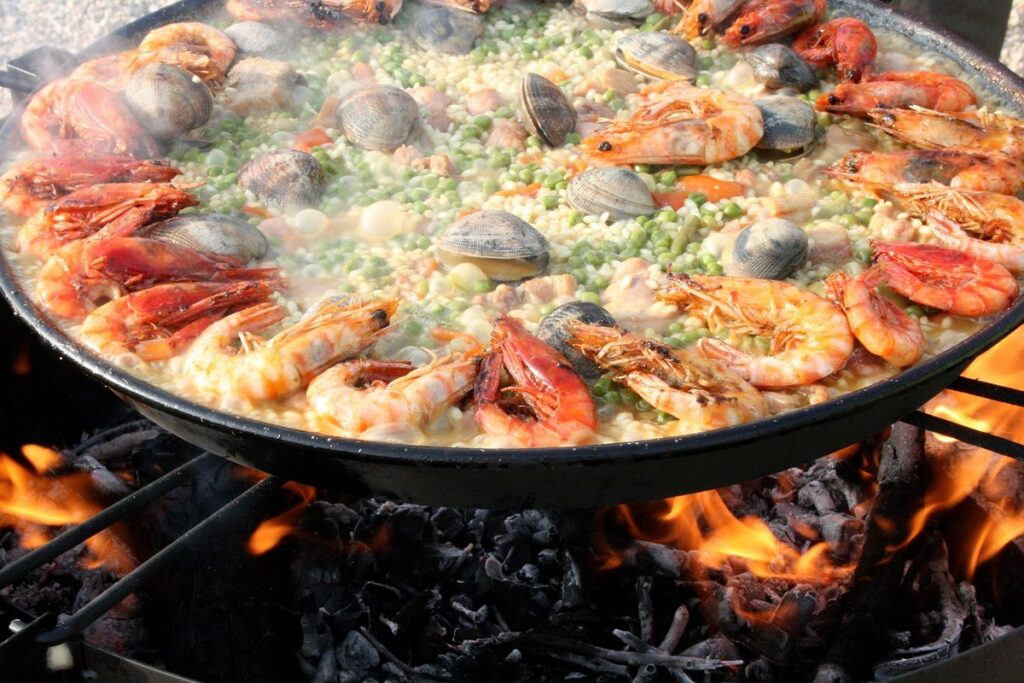
Paella originated from humble beginnings in rural Valencia, where it was cooked over open fires using whatever ingredients were available to local farmers. The dish quickly spread throughout Spain as different regions added their own twists and flavors.
The Iberian Peninsula’s Influence
Paella’s roots lie deeply within the Iberian Peninsula, where its evolution from humble peasant fare to refined cuisine is a testament to the region’s rich culinary heritage. In Spain and Portugal, paella was initially a straightforward dish made with locally sourced ingredients like rice, vegetables, and seafood. The simplicity of this early version allowed for resourcefulness and adaptability in its preparation, as cooks made do with what was available.
As paella spread throughout the peninsula, it absorbed influences from various regional traditions. In the Valencia region, for instance, the dish became associated with the fertile huerta (garden) surrounding the city, where rice was a staple crop. This connection to the land is reflected in the traditional recipe’s emphasis on locally sourced ingredients and simple preparation methods.
As the Spanish Golden Age took hold, paella’s popularity soared, particularly among the nobility. Cooks began experimenting with more elaborate recipes, incorporating meat, poultry, and seafood in increasingly sophisticated combinations. The dish’s evolution into a refined cuisine was cemented by its association with grand feasts and special occasions.
Historical Recipes and Ingredients
Ancient civilizations in Spain used snails, beans, and vegetables as key ingredients in their paella recipes. The earliest known paella recipe dates back to the 12th century, from a cookbook called “Llibre de Sent Soví”. This medieval manuscript includes a dish called “paella de les flors”, which features flowers such as rosemary and thyme, along with beans and vegetables.
In addition to these ingredients, ancient Iberians used snails as a protein source in their paella. The Romans also left their mark on the dish, introducing wheat and olive oil into the recipe. These early variations of paella laid the foundation for modern versions of the dish. For example, the use of beans continued through the centuries, with chickpeas becoming a staple ingredient in many traditional paella recipes.
The incorporation of seafood, which is now a defining feature of many paellas, occurred later on. This shift reflects the growing influence of coastal communities and the increased availability of fresh seafood. By studying these early variations, we can gain a deeper understanding of how paella evolved over time and its diverse cultural influences.
The Rise of Paella in Modern Spain
Paella has become a staple dish in modern Spanish cuisine, enjoyed not only by locals but also by tourists and expats alike who visit the country. In recent years, innovative chefs have given traditional paella recipes a fresh twist, attracting even more fans to this beloved dish.
Regional Influences on Spanish Paella
Paella’s rich diversity stems from its regional influences across Spain. In Valencia, the birthplace of paella, you’ll find traditional Valencian-style paella, characterized by saffron-infused rice and a focus on local ingredients like rabbit and chicken. This style is often cooked in large quantities over an open flame, perfect for festivals and celebrations.
In Catalonia, a different approach prevails. Catalan paella tends to be more broth-rich, with emphasis on seafood options such as mussels and squid. The use of tomatoes is also more prevalent in Catalan-style paella. Other regions, like Aragon and Murcia, offer their own variations, often incorporating unique ingredients like beans or artichokes.
These regional differences highlight the adaptability of paella, making it a dish that’s uniquely suited to each area’s tastes and resources. Whether you’re exploring traditional Valencian-style or venturing into the seafood-rich world of Catalan paella, understanding these local influences can help you appreciate the nuances of this beloved Spanish classic. By embracing regional variations, you’ll uncover new flavors and techniques to incorporate into your own cooking repertoire.
Modern Twists and Fusion Paellas
Modern Spanish chefs have experimented with traditional paella recipes, introducing new ingredients and techniques to create innovative fusion dishes. One popular example is seafood paella with Korean-style gochujang sauce, which adds a spicy kick to the classic combination of shrimp, mussels, and chorizo. Another twist is the incorporation of international spices, such as Indian garam masala or Japanese furikake, into traditional paella seasoning.
In recent years, chefs have also explored the use of non-traditional ingredients like squid ink, beetroot juice, or even foie gras to add depth and visual appeal to their paellas. These modern twists not only cater to diverse tastes but also highlight the adaptability and versatility of Spanish cuisine. When experimenting with fusion paella dishes, it’s essential to balance bold flavors with traditional techniques, ensuring that the dish remains true to its roots while showcasing creativity.
Some popular international flavors blended into paella include Japanese miso paste, Middle Eastern sumac, or Peruvian aji amarillo peppers. By combining these elements with time-honored Spanish ingredients like saffron and smoked paprika, chefs can create truly unique and delicious fusion paellas that celebrate the rich cultural heritage of Spain’s national dish.
What Does ‘Paella’ Really Mean?
So, what does the name “paella” actually mean, and how did it become synonymous with Spanish cuisine? Let’s get to the bottom of this delicious mystery.
Etymology of the Word Paella
The word “paella” has its roots in the Latin term “patella,” which referred to a cooking vessel. This etymology is significant because it reveals the origins of paella’s association with cooking methods and tools. In ancient Rome, patellas were shallow pans used for cooking vegetables, grains, and other simple dishes.
As Latin influence spread throughout Europe, the term patella evolved into various regional forms. For example, in Spanish and Catalan, the word “paella” emerged as a specific type of pan-cooked dish. This culinary practice was also found in ancient Greece and Turkey, where shallow pans were used for searing meat and vegetables.
The connection between paella and cooking vessels is more than just semantic. Traditional paella recipes often rely on specialized pans with wide bottoms and short handles, which allow for efficient heat distribution and easy stirring. When making paella at home, cooks can replicate this technique by using shallow pans or Dutch ovens with similar characteristics. This attention to traditional cookware highlights the importance of understanding the etymology of the word “paella” in order to truly appreciate its history and cultural significance.
The Connection to Rice and Cooking Techniques
Paella’s name is directly tied to its primary ingredient – rice. In fact, the word “paella” itself comes from the Latin “patella,” meaning “frying pan.” However, this etymology doesn’t quite capture the depth of paella’s connection to rice.
Historically, paella was a one-pot dish cooked over an open flame using techniques that date back centuries. This type of cooking allowed for efficient use of fuel and resources, which was crucial in rural Valencia where paella originated. To this day, traditional paella recipes rely on the direct heat from an open flame to achieve the perfect crust at the bottom of the pan.
When cooking paella over an open flame, it’s essential to rotate the pan regularly to ensure even cooking. This technique is often referred to as “socarrat,” which literally means “to caramelize” in Catalan. Achieving a good socarrat requires some practice, but it’s what sets traditional paella apart from other rice dishes. By understanding the historical significance of paella and its connection to open-flame cooking, you can better appreciate the art of making this iconic Spanish dish.
Cultural Significance of Paella
For many Spaniards, paella is more than just a delicious meal – it’s an expression of their rich cultural heritage and a connection to their ancestors. In this section, we’ll explore that deeper significance.
Traditional Celebrations and Events
Paella is an integral part of Spanish culture, often taking center stage during special occasions such as festivals, weddings, and holidays. These events are prime opportunities for families to gather and share a delicious paella dish together. In fact, it’s not uncommon for large gatherings to feature multiple paella pans cooking over open flames.
During the Tomatina tomato-throwing festival in Buñol, Spain, paella is a staple food served at outdoor restaurants. Similarly, during La Mercè festivities in Barcelona, paella vendors line the streets offering their signature dishes. At weddings, it’s customary for the wedding party to share a large paella pan as a symbol of unity and good luck.
When hosting or attending a special event, consider serving paella as a show-stopping centerpiece. It’s perfect for family reunions, outdoor gatherings, or even company picnics. To make the experience even more authentic, encourage guests to use their hands when eating paella, just like in Spain. This not only adds to the festive atmosphere but also creates a memorable and interactive dining experience.
Symbolism and Metaphors Associated with Paella
Paella’s rich ingredients and generous portions have led to its association with abundance. The dish is often seen as a symbol of prosperity, particularly in regions where food was scarce during certain times of the year. In these areas, paella’s ability to feed many people made it a staple at celebrations and gatherings.
The communal aspect of paella is also significant, as it’s commonly served at large gatherings like festivals and family reunions. Sharing paella with others creates a sense of community and connection, reflecting the values of warmth and hospitality that are deeply ingrained in Spanish culture.
In some parts of Spain, particularly in agricultural regions, paella has been linked to fertility due to its origins as a peasant dish made with locally sourced ingredients. The use of saffron, which is expensive and time-consuming to produce, also adds a layer of symbolism, representing wealth and luxury. This connection to the land and traditional practices further emphasizes paella’s importance in local customs and traditions.
Frequently Asked Questions
Can I make paella with any type of rice?
Yes, while traditional Spanish paella uses short-grain rice, you can experiment with other types like long-grain or even cauliflower rice for low-carb options. However, keep in mind that the cooking technique and liquid ratio may vary depending on the rice variety.
How do I choose the right pan for making paella?
For an authentic experience, look for a shallow, wide pan called a “paellera” or a large skillet with a heavy bottom to maintain even heat. Avoid non-stick pans as they can’t handle high heat and may damage easily. A cast-iron or stainless steel option would work well.
What if I’m cooking paella in a modern kitchen without an open flame? Can I still achieve that authentic smoky flavor?
While it’s true that traditional paella was cooked over an open flame, you can replicate the smokiness by using liquid smoke or smoked paprika. Additionally, preheating your oven to 425°F (220°C) and finishing the dish under the broiler for a few minutes can help achieve a similar caramelized crust.
Can I make paella without seafood or meat? Are there any vegetarian or vegan options?
Yes, you can easily adapt traditional paella recipes by substituting protein sources with plant-based ingredients like artichokes, mushrooms, bell peppers, and eggplant. Some popular vegetarian and vegan paella variations include “Paella de Verduras” (Vegetable Paella) and “Paella de Setas” (Mushroom Paella).