The Maha Mrityunjaya Mantra is one of the most revered and powerful mantras in Hinduism, known for its incredible potential to guide individuals on their spiritual journey while also fostering healing and wellness. This ancient chant has been chanted by millions, but what makes it so significant? For those looking to deepen their spiritual growth, or seeking relief from physical ailments, understanding the meaning and benefits of reciting this mantra can be a game-changer. As we explore the significance of the Maha Mrityunjaya Mantra, you’ll learn how its powerful vibrations can help overcome life’s challenges, cultivate inner peace, and even contribute to physical healing. This article will not only provide expert guidance on pronunciation and chanting techniques but also offer insights into the mantra’s spiritual growth benefits, helping you unlock its transformative power for a more balanced and fulfilling life by the time you finish reading.
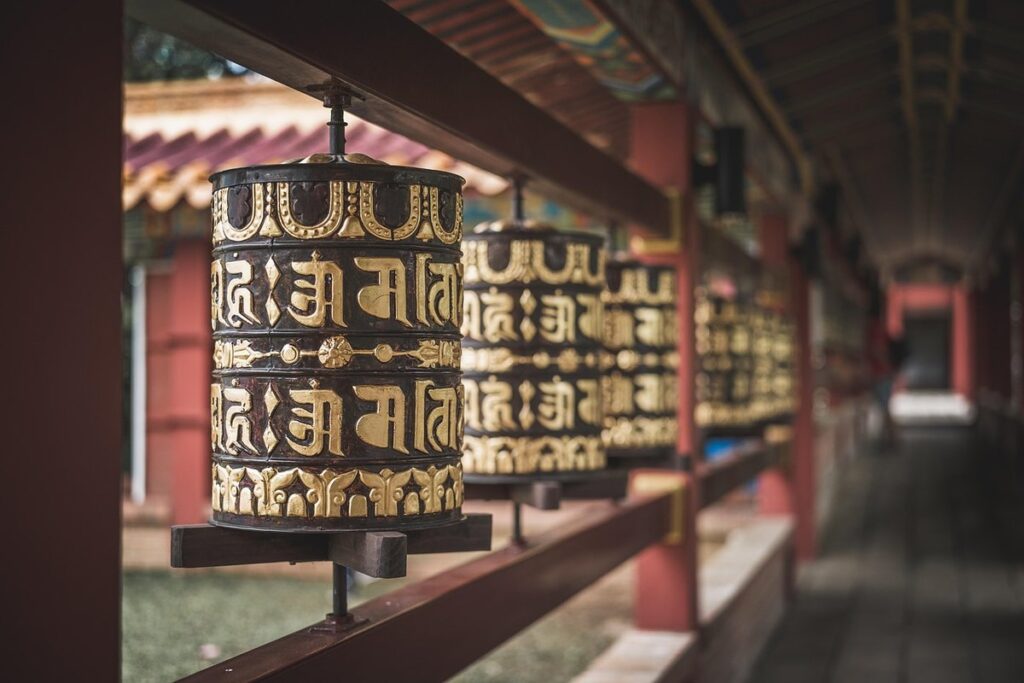
History and Significance of the Maha Mrityunjaya Mantra
The Maha Mrityunjaya mantra is deeply rooted in ancient Hindu scriptures, where its significance as a powerful tool for liberation from life’s cycles is revealed. We’ll explore this rich history and uncover its profound impact on those who chant it.
Origins in Hindu Mythology
In Hindu mythology, the Maha Mrityunjaya Mantra is deeply rooted in the story of Lord Shiva, one of the three primary deities in Hinduism. The mantra is said to have been revealed to the sage Markandeya by Lord Shiva himself. According to legend, Markandeya was a devoted follower of Shiva who had the privilege of witnessing his cosmic dance, the Tandava.
During this dance, Shiva was so pleased with Markandeya’s devotion that he bestowed upon him the secret of immortality and revealed the Maha Mrityunjaya Mantra. This mantra is said to be capable of granting liberation from the cycle of birth and death, known as moksha. The mantra is also associated with Lord Shiva’s attributes of destruction and regeneration, which are reflected in its powerful sound and meaning.
In this mythological context, the Maha Mrityunjaya Mantra is more than just a sacred phrase – it’s a key to unlocking the mysteries of life and death. By understanding its origins, we can gain a deeper appreciation for the mantra’s significance and power.
Significance in Hindu Philosophy
In Hindu philosophy, the Maha Mrityunjaya Mantra is deeply connected to the concept of moksha, or liberation. This mantra is often recited during times of transition and transformation, particularly when facing death or the passing of a loved one. By chanting this mantra, individuals can transcend their fear of death and view it as an opportunity for spiritual growth. The mantra’s emphasis on the cyclical nature of life and death – where birth, growth, decay, and rebirth are seen as interconnected – is central to Hinduism’s understanding of the universe.
The Maha Mrityunjaya Mantra also reflects the idea that death can be a transformative experience, leading one closer to moksha. In this context, the mantra serves as a reminder that life and death are not mutually exclusive, but rather intertwined aspects of the human experience. By embracing this perspective, individuals can cultivate a deeper understanding of their own mortality and use it as a catalyst for spiritual growth and self-realization.
To truly grasp the significance of the Maha Mrityunjaya Mantra in Hindu philosophy, one must consider its role in the broader context of Hinduism’s teachings on the nature of reality and the cycle of life. By doing so, individuals can unlock new insights into the mantra’s meaning and benefits, and begin to harness its power for their own spiritual development.
Meaning and Pronunciation of the Maha Mrityunjaya Mantra
To truly connect with the transformative power of the Maha Mrityunjaya Mantra, it’s essential to understand its meaning and pronunciation. Let’s start by breaking down these crucial elements together.
Breaking Down the Sanskrit Text
The first word of the Sanskrit text “Mahe” is a prefix indicating greatness or excellence. In this context, it emphasizes the mantra’s transformative power. The next word “Shri” translates to “Lord Shiva,” who is often referred to as the destroyer of fear and ignorance. This association sets the tone for the mantra’s purpose: overcoming mortality and achieving liberation.
The phrase “Rudra” refers to a powerful aspect of Lord Shiva, associated with intense spiritual practices and purification. The word “Trayambaka” means “one who nourishes the three aspects of life”: physical, mental, and spiritual. This concept highlights the mantra’s holistic approach to wellness and self-realization.
The next section of the text, “Maha-vidya,” translates to “great wisdom.” It emphasizes the mantra’s status as a powerful tool for accessing higher states of consciousness and gaining profound insight into the nature of reality. The phrase “Rudra Maha-Vidya” can be seen as a synthesis of the previous words, underscoring the importance of combining spiritual knowledge with devotion.
The final word in this section is “Rupam,” which means “form” or “appearance.” This could suggest that the mantra has the power to reveal the true nature of the self and the universe.
Correct Pronunciation Techniques
To correctly pronounce the Maha Mrityunjaya Mantra, it’s essential to understand the sounds and intonation of Sanskrit. The mantra begins with “Ma” (म), which is pronounced like a soft “m” or “ma” sound, similar to “mother.” The “Ri” (रि) in “Maha Mrityunjaya” is pronounced with a guttural, throaty sound, often described as a combination of “r” and “e.” For those unfamiliar with Sanskrit pronunciation, this may be challenging.
One helpful tip is to listen to recordings of experienced yogis or spiritual leaders reciting the mantra. Pay attention to their tone, pitch, and emphasis on specific words. You can also find online resources that provide audio guides for proper pronunciation. To practice at home, try repeating the mantra slowly and deliberately, focusing on each sound and syllable. Start with individual words, such as “Ma” or “Ri,” before moving to the entire mantra. Be patient, as mastering Sanskrit pronunciation takes time and practice.
Benefits and Uses of Reciting the Maha Mrityunjaya Mantra
The benefits of reciting the Maha Mrityunjaya Mantra extend far beyond its spiritual significance, offering practical applications in everyday life to promote overall well-being. Let’s explore some of these uses and how they can be applied.
Spiritual Growth and Enlightenment
Reciting the Maha Mrityunjaya Mantra can facilitate profound spiritual growth and enlightenment by promoting self-realization and inner peace. This mantra is known to awaken the kundalini energy, which lies dormant at the base of the spine. As this energy rises through the chakras, it brings about a deep sense of awareness and understanding of one’s true nature.
Regular recitation of the Maha Mrityunjaya Mantra can help quiet the mind and calm the nervous system, allowing for greater introspection and self-awareness. This, in turn, can lead to a deeper understanding of oneself and the world around us. By cultivating inner peace, individuals can develop a more compassionate and accepting attitude towards themselves and others.
To experience these spiritual benefits, it’s essential to approach the mantra with an open mind and heart. Set aside a quiet space for meditation and recitation, free from distractions. Begin by repeating the mantra slowly and deliberately, allowing its vibrations to resonate within you. As you continue to recite the mantra, focus on the sensation of energy rising through your body, bringing about a sense of calm and clarity.
Physical and Emotional Healing
The Maha Mrityunjaya Mantra has been used for centuries as a powerful tool for physical and emotional healing. Its soothing vibrations are believed to calm the mind and bring balance to the body, reducing stress and anxiety that can lead to various emotional afflictions. Many people have reported significant improvements in their mental well-being after reciting the mantra regularly.
One of the most remarkable aspects of the Maha Mrityunjaya Mantra is its ability to reduce symptoms of depression and anxiety. A person struggling with these issues may find it challenging to focus, sleep, or even perform daily tasks. Reciting the mantra can help calm their mind, allowing them to relax and recharge.
The mantra’s healing properties are not limited to emotional afflictions; it also has a profound impact on physical health. By reducing stress levels, it can lower blood pressure, improve circulation, and boost the immune system. Some people have even reported relief from chronic pain and inflammation after incorporating the Maha Mrityunjaya Mantra into their daily routine.
To experience these benefits, try reciting the mantra at least twice a day, ideally during meditation or yoga practice. You can also incorporate it into your daily activities, such as while walking, driving, or even doing household chores.
Chanting Techniques and Preparations
To effectively recite the Maha Mrityunjaya Mantra, you’ll want to learn various chanting techniques and preparations that help set a peaceful and focused tone. Proper breathing and postures are essential for unlocking its full potential.
Preparing for Chanting
To prepare yourself for chanting the Maha Mrityunjaya Mantra, create a conducive environment by finding a quiet and peaceful space. This could be a dedicated meditation room, a corner of your bedroom, or even outdoors in nature. Dim lighting, soothing colors, and calming scents can also enhance the experience. Consider setting up an altar with images of deities or sacred objects to create a sense of reverence.
Set clear intentions for your chanting practice. What do you hope to achieve through reciting this mantra? Do you seek spiritual growth, physical healing, or emotional balance? Be specific and honest with yourself. You can also keep a journal to track your progress and reflect on the benefits you experience. Before starting, take a few moments to center yourself with deep breathing exercises or gentle stretches. This will help calm your mind and focus your energy. Remember that consistency is key, so aim to chant at the same time each day to make it a habitual part of your routine.
Advanced Chanting Techniques
Using specific mudras can amplify the effectiveness of chanting the Maha Mrityunjaya Mantra. The Akarsana Mudra, for example, involves folding the fingers of one hand to grasp the thumb, while keeping the other hand open and relaxed. This mudra is believed to balance the nervous system and calm the mind, making it easier to focus on the mantra.
Another advanced technique is visualization. Imagine a radiant light emanating from the crown of your head, filling your body with warmth and energy as you chant. Envision this light merging with the universe, dissolving any obstacles or challenges. This visualization can help you connect with the mantra’s transformative power.
To enhance your chanting practice, try incorporating specific visualizations for each repetition of the mantra. For instance, during the first repetition, visualize a bright blue light filling your heart center, symbolizing spiritual growth and self-awareness. During the second repetition, imagine a soothing golden light enveloping your body, representing physical and emotional healing.
Remember to choose mudras and visualizations that resonate with you personally, as this will help deepen your connection with the mantra. With regular practice, these advanced techniques can become an integral part of your chanting routine.
Frequently Asked Questions
Can I recite the Maha Mrityunjaya Mantra during any time of day or night?
Yes, you can recite the mantra at any time, but for optimal benefits, it’s recommended to chant early in the morning or before bed. These periods are considered more conducive for spiritual growth and inner peace.
How do I know if the Maha Mrityunjaya Mantra is working for me? What signs should I look out for?
Pay attention to shifts in your emotional state, such as reduced stress levels or increased feelings of calmness. You may also notice improvements in physical health, like a decrease in pain or an increase in energy. These changes can indicate the mantra’s effectiveness.
Can anyone recite the Maha Mrityunjaya Mantra for healing purposes, even if they’re not experienced with meditation?
Yes, anyone can benefit from reciting the mantra for healing purposes. While experience with meditation may enhance your practice, it’s not necessary to achieve benefits. Focus on setting a peaceful environment and maintaining an open mind.
What happens if I struggle to pronounce certain words in the Maha Mrityunjaya Mantra? Will it still be effective?
Yes, even if you don’t perfectly pronounce each word, the mantra will still hold spiritual significance. Focus on the intention behind your recitation rather than perfect pronunciation. With regular practice, you’ll develop a better understanding of the mantra’s structure and improve your pronunciation over time.
Can I modify the Maha Mrityunjaya Mantra to suit my personal needs or circumstances?
It’s generally recommended to stick to the original version of the mantra as it’s been passed down through Hindu tradition. However, some practitioners find that creating a personalized visualization or intention can enhance their experience. If you choose to modify the mantra, keep in mind its core meaning and significance.