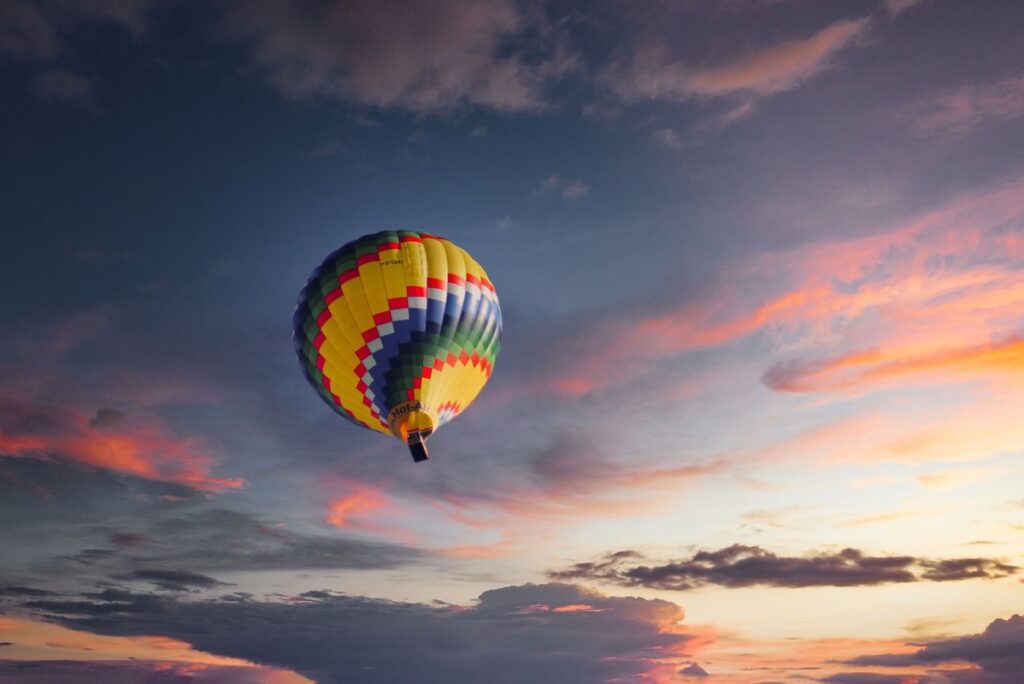
Hot air balloon festivals are a breathtaking spectacle that captures the imagination of people worldwide. You’ve probably seen pictures or videos of majestic balloons soaring above lush landscapes, but have you ever wondered how it all begins? The history of hot air ballooning dates back to 1783 when the Montgolfier brothers first took to the skies in France, and since then, it has become a beloved pastime for millions. Hot air balloon festival sc (or special conditions) present unique challenges, but also unparalleled opportunities for photographers and spectators alike. From safety measures to insider tips on how to make the most of your experience, this article will take you on a journey around the world, exploring the wonders of hot air ballooning. By the end of it, you’ll be equipped with the knowledge to plan an unforgettable adventure at one of these spectacular events.
History and Evolution of Hot Air Balloon Festivals
The history of hot air balloon festivals dates back centuries, with the first recorded event taking place in France over 200 years ago. From humble beginnings to the spectacular events we know today.
Origins of Hot Air Ballooning
The concept of hot air ballooning dates back to the late 18th century when the Montgolfier brothers, Joseph-Michel and Jacques-Etienne, successfully launched the first manned flight on November 21, 1783. Their innovative design used a paper balloon filled with hot air from a furnace, allowing it to ascend into the sky. The brothers’ pioneering achievement paved the way for the development of modern hot air ballooning.
Jean-François Pilâtre de Rozier, a French chemist and aviation pioneer, became the first person to fly in a hot air balloon on September 15, 1784. He flew over Paris with his passenger, François Laurent d’Arlandes, reaching an altitude of approximately 300 meters. These early experiments laid the foundation for the sport of hot air ballooning.
The Montgolfiers’ and Pilâtre de Rozier’s achievements not only marked a significant milestone in aviation history but also set the stage for the modern-day hot air balloon festivals that captivate audiences worldwide with their majesty and beauty. The origins of hot air ballooning showcase the ingenuity and determination of its early pioneers, who dared to push the boundaries of what was thought possible.
Early Hot Air Balloon Festivals
The first hot air balloon festivals emerged in the early 20th century, marking a significant shift in popular culture. One of the earliest and most influential was the Albuquerque International Balloon Fiesta in New Mexico, which began in 1972. The event’s success can be attributed to its unique format: hundreds of balloons fill the sky at dawn, creating a breathtaking spectacle.
The Albuquerque festival paved the way for similar events worldwide. In 1981, the Bristol International Balloon Fiesta in England followed suit, attracting thousands of spectators and solidifying hot air ballooning as a beloved spectator sport. These early festivals not only showcased the beauty of hot air balloons but also introduced new technologies and techniques that improved safety and performance.
The impact of these early events can be seen in modern-day festivals, which offer a wide range of activities and attractions. Today’s hot air balloon festivals often feature elaborate ground displays, live music, and educational exhibits. They have become a staple of community events, bringing people together to celebrate the magic of flight.
Modern-Day Festivals: A Global Perspective
From the Albuquerque International Balloon Fiesta in New Mexico to the Château-d’Œx Balloon Festival in Switzerland and the Bristol Balloon Fiesta in the UK, modern-day hot air balloon festivals showcase a diverse range of cultures, traditions, and breathtaking scenery. One notable event is Japan’s Gifu City Cherry Blossom Festival, where hundreds of balloons take to the skies amidst the stunning backdrop of blooming cherry blossoms.
In Europe, festivals like the Great Yarmouth Balloon Fest in the UK and the Waikato Ballooning Festival in New Zealand offer a more laid-back atmosphere with hot air balloon rides over rolling hills and countryside. The Montreal International Balloon Festival in Canada is another popular event, featuring a spectacular display of balloons against the backdrop of the city’s skyline.
What sets these festivals apart is their unique blend of local culture, food, and entertainment. At many events, attendees can enjoy traditional music, local cuisine, and craft stalls selling handmade goods. Some festivals also offer special activities like hot air balloon rides for kids, flight demonstrations, and interactive workshops where visitors can learn about the science behind ballooning.
Attendees at these festivals can expect a truly immersive experience, with something to suit all interests and age groups. Whether you’re a thrill-seeker or simply looking to soak up the atmosphere, modern-day hot air balloon festivals offer an unforgettable adventure from around the world.
Preparing for a Hot Air Balloon Festival
Before you soar above the festival grounds, let’s get you prepared with essential tips on arrival, accommodations, and what to bring along. Packing wisely will ensure a stress-free experience for you.
Choosing the Right Festival for You
When selecting a hot air balloon festival to attend, there are several factors to consider. Location is one of the most important considerations. Some festivals take place over scenic countryside, offering breathtaking views and unique perspectives on the landscape. Others occur above bustling cities or iconic landmarks, providing an unforgettable experience. Consider what type of environment you prefer: peaceful and serene or vibrant and urban.
Festival size is another critical factor to weigh. Larger events often feature more balloons, flights, and activities, but can also be overwhelming and chaotic. Smaller festivals, on the other hand, may offer a more intimate and exclusive experience. Think about what you’re looking for in your festival experience: variety and excitement or a relaxed atmosphere.
Finally, consider the types of activities offered at each festival. Some events feature only hot air balloon rides, while others include additional attractions like live music, food vendors, and demonstrations. If you’re traveling with family or friends, look for festivals that cater to diverse interests and ages. By carefully weighing these factors, you can choose a hot air balloon festival that meets your unique preferences and provides an unforgettable experience.
Travel Planning: Accommodations and Transportation
When booking accommodations for a hot air balloon festival, consider staying within walking distance of the festival grounds to make the most of your time. Many festivals offer on-site camping options or partner with nearby hotels and resorts that provide shuttle services to and from the event. Research local transportation options, such as public buses or ride-sharing services, to plan how you’ll get around town. Some festivals also offer designated parking areas for festival attendees.
Plan ahead to arrange for transportation to the festival site. Check if there are specific drop-off and pick-up locations for shuttle services or taxis. Be aware of traffic restrictions and road closures during the event, as they can impact travel times. Research airport options if you’re flying in, and consider booking accommodations that offer a free shuttle service from the airport.
Some popular festivals have designated transportation hubs with multiple pickup points throughout the festival grounds. Take note of these locations to plan your itinerary accordingly. Familiarize yourself with local taxi services and their rates to avoid any unexpected costs during the event.
Packing Essentials for a Comfortable Experience
When packing for a hot air balloon festival, it’s essential to prioritize comfort and practicality. A well-prepared attendee is better equipped to enjoy the festivities without distractions. Start with clothing: pack layers for unpredictable weather conditions, as temperatures can fluctuate significantly during the day. Comfortable shoes or boots are also crucial, as you’ll likely be walking on uneven terrain and standing for extended periods.
Don’t forget essential accessories like sunscreen, sunglasses, and a hat to protect yourself from the sun. A small backpack or tote bag with water, snacks, and a phone charger can come in handy during long days. Personal care items such as a portable charger, earplugs (for early morning flights), and hand sanitizer should also be on your list.
Safety gear is equally important: consider bringing a lightweight rain jacket or poncho, as well as a compact first-aid kit with essentials like pain relievers and band-aids. Finally, don’t forget to pack any personal medications or specific needs items, such as extra batteries for hearing aids. By being prepared, you’ll be free to soak up the atmosphere and create unforgettable memories at the hot air balloon festival.
Hot Air Balloon Festival Activities and Attractions
Get ready for a day filled with thrilling activities and attractions that showcase the beauty of hot air balloons. From live music performances to interactive exhibits, there’s something for every age and interest!
Ground Festivities: Food, Music, and Entertainment
The ground festivities at a hot air balloon festival are an integral part of the overall experience. While the balloons take to the sky, the atmosphere on the ground is electric with live music, delicious food vendors, and interactive exhibits that cater to all ages.
Live music stages often feature local bands and musicians performing a range of genres, from traditional folk to modern pop. Expect to see dancers, jugglers, or other performers adding to the lively atmosphere. Food vendors offer a diverse array of cuisines, from classic festival fare like burgers and hot dogs to international specialties like Spanish paella or Indian curries.
Interactive exhibits provide hands-on experiences for visitors, such as balloon-twisting demonstrations, kite-making workshops, or even a chance to try out a simulator that mimics the sensation of being in a hot air balloon. Some festivals also feature art installations, sculpture gardens, or interactive light displays that add an extra layer of magic to the experience.
When planning your visit, consider checking the festival schedule for live music performances and setting aside time to explore the food vendors and exhibits. Many festivals also offer a dedicated area for children’s activities, so be sure to check what options are available for younger attendees.
Rides and Flights: Options for All Ages and Experience Levels
Whether you’re a seasoned hot air balloon enthusiast or a first-time spectator, there’s something for everyone at a festival. Hot air balloon rides and flights come in various forms to cater to all ages and experience levels. For the more adventurous, champagne flights offer an unforgettable way to soar above the ground with a glass of bubbly in hand. These typically require a minimum age restriction of 16-18 years old.
Tethered rides are another great option for those who want to get up close and personal with hot air balloons without taking to the skies. Most festivals have tethered rides that allow passengers to ascend gradually, often while enjoying live music or other festivities on the ground. Height restrictions usually apply, but this varies depending on the festival.
When booking a hot air balloon ride, be sure to check the minimum age and height requirements for your specific flight. You’ll also want to know what to expect during the experience, including pre-flight briefings, takeoff procedures, and post-flight celebrations. Many festivals offer family-friendly flights or special packages designed for first-time passengers. Always choose a reputable operator with experienced pilots and follow safety guidelines to ensure an enjoyable and safe experience.
Demonstrations and Workshops: Learn from the Experts
At hot air balloon festivals, attendees can engage with hands-on demonstrations and workshops led by seasoned pilots and experts. These interactive sessions provide a unique opportunity to learn about the art of hot air ballooning, from pre-flight preparations to in-flight techniques.
During these demonstrations, spectators can observe expert pilots as they prepare balloons for flight, discussing crucial aspects such as weather conditions, wind patterns, and passenger safety. Some festivals also offer hands-on activities like navigating a mock control panel or simulating takeoff procedures.
Additionally, workshops may focus on specific skills, like balloon maintenance or navigation using specialized instruments. These sessions are usually led by experienced pilots who share their expertise through visual aids, lectures, and practical exercises. By participating in these demonstrations and workshops, festival-goers gain insight into the intricacies of hot air ballooning and develop a deeper appreciation for this thrilling sport.
Some festivals may also offer private lessons or masterclasses with renowned pilots, providing attendees with personalized guidance and instruction. These exclusive opportunities allow enthusiasts to ask questions, receive feedback, and refine their skills under expert supervision.
Safety Measures and Precautions at Hot Air Balloon Festivals
As you get ready for a thrilling hot air balloon festival experience, it’s essential to know what safety measures are in place to ensure your well-being. We’ll walk you through the critical precautions to look out for at these events.
Weather Conditions and Flight Cancellations
Hot air balloon flights are highly susceptible to weather conditions, which can impact safety and lead to cancellations. Temperature is a critical factor, as balloons need a minimum temperature of around 50°F (10°C) to inflate safely. If the temperature drops below this threshold, flights may be cancelled or postponed.
Wind speed is another crucial consideration. Turbulent winds can make it difficult for pilots to navigate, increasing the risk of accidents. Typically, flights are grounded if wind speeds exceed 15-20 mph (24-32 km/h). Additionally, visibility plays a significant role in hot air balloon operations. Low-hanging clouds, fog, or haze can reduce visibility and increase the risk of collisions.
Weather forecasts are closely monitored to ensure safe flight conditions. Pilots often make last-minute decisions to cancel flights if weather conditions deteriorate. If a flight is cancelled due to bad weather, it’s usually rescheduled for another day or time when conditions improve. In some cases, organizers may offer refunds or vouchers for future rides.
It’s essential to check the weather forecast before attending a hot air balloon festival and be prepared for potential cancellations.
Emergency Procedures and Equipment
When it comes to hot air balloon festivals, safety is a top priority. To ensure a secure experience for all participants and spectators, organizers implement robust emergency procedures and equipment inspection processes.
Emergency landing procedures are carefully outlined and communicated to pilots and passengers before each flight. In the event of an unexpected situation, such as engine failure or inclement weather, pilots are trained to navigate the balloon to a safe landing site. This typically involves quickly assessing the situation and choosing a suitable location for touchdown, taking into account factors like terrain, obstacles, and wind direction.
Regular equipment inspections are also conducted to guarantee that all balloons, baskets, and other essential gear are in good working condition. These checks involve thorough visual examinations as well as functional tests of critical systems. For example, pilots check the burner’s flame stability, the balloon’s material integrity, and the basket’s structural soundness before each flight.
To further enhance safety, many festivals require pilots to undergo rigorous training and certification programs, ensuring they are equipped to handle a range of scenarios.
Regulations and Certifications: Ensuring a Safe Experience
Governing bodies such as the Federal Aviation Administration (FAA) and the European Aviation Safety Agency (EASA) set strict regulations for hot air balloon operations. In addition to these national organizations, many countries have their own regulatory agencies that oversee hot air balloon activities.
Hot air balloons must meet specific certification requirements before taking to the skies. The most well-known certification is the Federal Aviation Administration’s (FAA) Part 91, which outlines safety standards for private and commercial flights. Commercial operators must also adhere to EASA’s regulations.
Pilots undergo rigorous training and must demonstrate a thorough understanding of weather conditions, emergency procedures, and aircraft maintenance. Regular inspections and maintenance are crucial to ensure the hot air balloon is in good working condition.
When choosing a festival, look for operators that have undergone these certifications and follow strict safety guidelines. You can also check with local authorities or the festival organizers about their safety record and certification status. This ensures you’re in good hands and can enjoy the experience without worry.
Photography and Capturing Memories at Hot Air Balloon Festivals
As you soar above the festival grounds, capturing breathtaking moments is just as thrilling as the flight itself. We’ll explore how to make the most of your camera and capture stunning memories from the hot air balloon festival.
Tips for Photographing Hot Air Balloons in Flight
When photographing hot air balloons in flight, it’s essential to capture their majestic shapes and vibrant colors against a clear blue sky. To achieve this, use a wide-angle lens (between 10-24mm) with a focal length that allows you to capture the balloon’s shape without distortion.
For optimal results, shoot during the golden hour – just before sunrise or after sunset when the light is soft and warm. Avoid harsh midday sun, which can create unflattering shadows on the balloon’s surface. A shutter speed of 1/1000th of a second or faster will help freeze the motion of the balloon.
Experiment with different angles to add visual interest. Consider shooting from below or at an angle, which can create a sense of dynamism and movement. You can also try panning with the camera as the balloon moves, creating a blurred background and emphasizing the balloon’s speed.
To capture the intricate details of the balloon’s design, use a macro lens (optional) or zoom in on your images during post-processing. Additionally, consider using a polarizing filter to reduce glare from the sun and enhance colors.
Ground-Level Photo Opportunities: Capture the Atmosphere
When capturing the atmosphere of a hot air balloon festival, it’s essential to get down to ground level and explore the various vantage points available. Instead of focusing solely on the balloons in flight, try photographing the vibrant food stalls, bustling crowds, and lively entertainment.
From the perspective of a festival-goer, you can capture intimate moments between attendees, such as sharing laughter or trying new foods together. Look for interesting textures, patterns, and colors amidst the festival’s decorations and vendors’ stands.
Consider capturing the hot air balloons from unique angles, like reflections in puddles or windows, or through archways and doorways that frame the balloon against a colorful background. Experiment with wide-angle shots to convey the excitement and energy of the festival atmosphere.
To add depth to your photographs, include attendees in the scene, such as people watching the balloons take off or interacting with vendors. Don’t be afraid to get up close and personal – capturing the intricate details of food stalls, festival merchandise, or balloon decorations can create visually appealing images that tell a story about the event.
Sharing Your Experience: Social Media Tips and Tricks
When sharing your experience at a hot air balloon festival on social media, consider the unique atmosphere and stunning visuals of these events. Post-processing techniques can enhance the vibrant colors and textures of your photos, but be mindful not to overdo it – some festivals feature historic or vintage balloons that should be preserved in their original state.
To showcase the festival’s excitement, share a mix of aerial shots and ground-level captures. Document the setup process, where balloonists prepare for takeoff and spectators await liftoff. Capture the sounds and emotions of the crowd as hot air balloons soar overhead, creating an electric atmosphere.
For Instagram, use relevant hashtags like #hotairballoonfestival or #ballooning, and tag the festival’s official account to increase visibility. When sharing a photo, include a brief description of your experience – what made it memorable? What did you learn from watching the balloons take flight?
If you’re attending with friends or family, consider coordinating a group post on social media, highlighting your collective experience at the festival.
Insider Tips for Getting the Most Out of a Hot Air Balloon Festival
To get the most out of your hot air balloon festival experience, it’s essential to know the insider secrets that will make your day truly unforgettable and stress-free. Our expert tips will share the must-knows for a fantastic time at the festival.
Insider Knowledge: Interviews with Pilots and Organizers
Experienced pilots and organizers offer unique insights into maximizing the hot air balloon festival experience. I spoke with several individuals who have been involved in various festivals around the world, and they shared some valuable tips.
Many emphasize the importance of timing. “The best time to attend is during the morning or late afternoon when the sun is not too high,” says Maria, a pilot with years of experience at festivals in Europe. This allows for optimal viewing conditions and avoids the crowds that often gather midday.
Pilots also stress the need to be flexible. “Be prepared for changes in weather or flight schedules,” advises John, an organizer from Australia. This might mean having a backup plan in place or being willing to adjust your schedule accordingly.
In terms of specific activities, organizers recommend taking advantage of demonstrations and workshops. These offer valuable insights into the inner workings of hot air balloons and can be a great way to learn new skills. Additionally, many festivals now offer VIP experiences, which can provide exclusive access to pilots and other behind-the-scenes opportunities.
Off-Site Activities and Exploration Opportunities
When you’re not taking to the skies in a hot air balloon, there’s still plenty to explore and discover at a festival. Consider visiting nearby attractions, such as museums or historic landmarks, which often offer special exhibits or tours during festival weekends. For example, some festivals take place near vineyards or breweries, offering wine tastings or brewery tours that pair perfectly with the festive atmosphere.
Scenic routes are another great way to enhance your festival visit. Many hot air balloon festivals are held in picturesque locations, such as rolling hills, lakeshores, or coastal areas. Take a leisurely drive or bike ride along these scenic routes to enjoy the stunning views and get a feel for the local landscape.
Local experiences are also not to be missed. Consider visiting nearby farmers’ markets, artisanal shops, or street food vendors to sample local specialties and handmade crafts. At some festivals, you can even take part in workshops or classes that teach traditional crafts or cooking techniques, giving you a deeper appreciation for the region’s culture and heritage.
Some popular options include: visiting a nearby nature reserve or wildlife sanctuary; taking a guided hike or bike tour through scenic trails; or exploring charming towns and villages within walking distance of the festival grounds. These off-site activities can add a rich layer to your overall festival experience, giving you a more nuanced understanding of the local culture and environment.
Unexpected Surprises and Memories to Cherish
You’ve never experienced anything quite like it – the sudden burst of wind beneath your basket, the rush of adrenaline as you soar above the festival grounds. Attendees have shared countless stories of unforgettable moments at hot air balloon festivals. For instance, a woman from France reported being serenaded by a pilot while floating above the crowd during the Cannes International Festival. The romantic gesture left her beaming with joy.
Some attendees have even formed lasting connections over their shared experience in the balloons. A couple met on a flight during the Albuquerque International Balloon Fiesta and now visit the festival every year together. Their annual tradition has become a cherished ritual, filled with laughter and memories of past flights.
Others have reported unexpected surprises like spotting rare wildlife or witnessing breathtaking sunrises from above. Take note: many festivals offer sunrise and sunset flights for optimal viewing conditions. While you can’t plan for these moments, being aware of the time of day can increase your chances of experiencing something extraordinary.
Conclusion: Why Hot Air Balloon Festivals Are a Must-Attend Event
Hot air balloon festivals are an unforgettable experience that should be on every adventure-seeker’s bucket list. The combination of breathtaking views, thrilling rides, and lively atmosphere makes them a unique event that leaves a lasting impression. Whether you’re a thrill junkie or just looking for a fun day out with family and friends, hot air balloon festivals have something to offer.
The sense of community that comes with attending a hot air balloon festival is palpable. Strangers become friends as they share in the excitement of watching colorful balloons soar above, while others join forces to take part in thrilling activities like tethered rides or balloon glows. The experience is also an opportunity to appreciate the skill and artistry involved in operating these magnificent vessels.
In summary, hot air balloon festivals are a must-attend event for anyone looking to create unforgettable memories with loved ones. With their perfect blend of adventure, community, and natural beauty, they offer an experience that’s hard to match elsewhere.
Frequently Asked Questions
Can I bring my pet to a hot air balloon festival?
Yes, some festivals allow pets on the festival grounds, but it’s essential to check with the event organizers beforehand. Be prepared for varying policies across different events and locations.
What if the weather is bad during a hot air balloon flight?
Flight cancellations are usually announced in advance due to inclement weather. Attendees should stay informed through official festival channels and follow instructions from staff or pilots regarding alternative arrangements, such as rescheduling or refunds.
How do I choose between different types of hot air balloon rides (e.g., champagne flights, tethered rides)?
Consider your budget, personal preferences, and the level of experience you’re seeking. If you want a more luxurious experience with a champagne toast after the flight, for instance, go for a champagne flight. For families or those on a tighter budget, a tethered ride might be more suitable.
Can I book accommodations close to the festival grounds without having transportation issues?
Yes, many festivals are set up near hotels and other accommodations that offer shuttle services to the festival grounds. Research your options in advance and look for packages that include transportation to ensure a smooth experience.
What if I’m prone to motion sickness during flights – can I still enjoy hot air balloon rides?
While there’s no guaranteed solution, choosing a flight with a gentle takeoff and landing, such as a tethered ride or a morning flight when winds are typically calmer, might be more comfortable for those sensitive to motion. Consider consulting a healthcare professional for advice on managing your condition during the flight.