The concept of the third eye has captivated spiritual seekers for centuries, representing the gateway to higher states of consciousness, intuition, and inner wisdom. This mysterious energy center, often associated with the brow chakra, holds the power to unlock deeper understanding, foster creativity, and guide decision-making. You may have heard whispers about this mystical realm, but what does it truly mean to tap into your third eye? In this article, we’ll explore the symbolism, history, and practical applications of this powerful energy center. We’ll delve into its significance in spirituality, intuition, and personal growth, as well as provide guidance on how to balance and activate this potent force for greater awareness and clarity. By the end of this journey, you’ll have a deeper understanding of the third eye meaning and know how to harness its energy for decision-making and spiritual evolution.
What is the Third Eye?
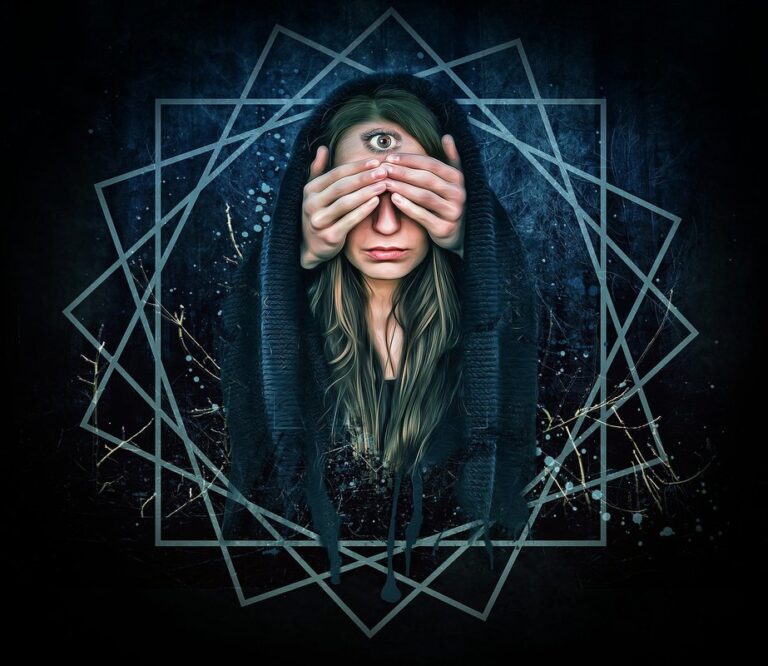
The third eye, also known as Ajna, is a mysterious and powerful energy center located between your eyebrows. This ancient concept has been shrouded in mystery for centuries, and we’ll explore its meaning and significance next.
Definition and Origins
In various spiritual traditions, including Hinduism, Buddhism, and ancient Egyptian mysticism, the third eye is a mystical concept representing a state of heightened awareness and intuition. It’s often associated with the Ajna chakra, or the “command center,” which governs perception, insight, and higher states of consciousness.
The term “third eye” itself refers to the supposed location of this mystical organ – between the eyebrows, where the physical eyes meet. This symbolic placement is meant to evoke a sense of inner vision and extrasensory awareness, distinct from the external world. In Hinduism, for instance, the third eye is said to be the seat of intuition and higher perception.
The concept of the third eye has evolved over time, influenced by various cultural and mystical traditions. Its significance can vary depending on the context – sometimes representing a gateway to spiritual realms, other times associated with clairvoyance or psychic abilities. Understanding its definition and origins provides a foundation for exploring the role of the third eye in cultivating intuition, awareness, and higher states of consciousness.
Symbolism and Representation
In various cultures, the third eye is represented through distinct symbols and concepts. In Hinduism, the Ajna chakra is often depicted as a lotus flower with two petals, situated between the eyebrows. This symbol represents the seat of intuition, insight, and higher consciousness. The Ajna chakra is associated with the color indigo, which is said to facilitate spiritual growth and awareness.
In Western esotericism, the third eye is often represented by the All-Seeing Eye, a symbol that combines elements of ancient mysticism and modern occultism. This concept emphasizes the idea of omniscience and the ability to perceive beyond the physical realm. The All-Seeing Eye is commonly depicted on various artifacts, such as ancient coins and modern logos.
The third eye symbolism extends to other cultures as well, including ancient Egypt and China, where it was associated with divine wisdom and spiritual insight. These symbols serve not only as representations of the third eye but also as reminders of its potential and significance in human consciousness.
History and Evolution of Third Eye Concepts
The third eye concept has been explored and interpreted in various cultures for thousands of years, evolving through ancient civilizations and mystical traditions. Let’s take a journey through this fascinating history.
Ancient Civilizations and Mystical Traditions
Third eye concepts have been woven into the fabric of ancient civilizations, revealing a deep understanding of human consciousness and spiritual awareness. In ancient Egyptian hieroglyphics, the third eye is often depicted as an open eye, symbolizing insight and intuition. Similarly, Hindu scriptures, such as the Bhagavad Gita, describe the ajna chakra, or third eye center, as the seat of wisdom and higher perception.
Buddhist texts also explore the concept of the third eye, referring to it as the “third door” that allows for direct access to spiritual knowledge. The Tibetan Book of the Dead contains intricate descriptions of the third eye’s role in facilitating enlightenment. These ancient civilizations recognized the importance of balancing intuition with critical thinking, a skill essential for navigating life’s complexities.
To tap into this mystical tradition, consider exploring ancient texts and artwork from these cultures. Reflect on how their symbolism and depictions of the third eye might inspire your own spiritual practice. By studying the historical roots of third eye concepts, you can gain a deeper understanding of its significance in your own journey towards unlocking spiritual awareness and intuition.
Influence on Modern Thought and Culture
The idea of the third eye has seeped into modern spirituality, influencing various movements and practices. For instance, some New Age spiritualities have adopted the concept as a symbol for higher states of consciousness and inner knowing. This notion is often tied to the idea of intuition and psychic abilities. As a result, third-eye-related practices such as meditation and visualization have become increasingly popular.
In art and literature, the third eye has been a recurring motif, representing enlightenment, intuition, or mystical insight. For example, Salvador Dali’s artwork often featured depictions of eyes with multiple lids or other modifications to signify altered states of consciousness. Similarly, authors like Aldous Huxley wrote about the concept in their works.
Today, the idea of the third eye remains relevant in contemporary society, particularly among those interested in personal growth and spiritual exploration. This is reflected in the proliferation of books, workshops, and online resources focused on developing intuition and psychic abilities. While some critics view these developments as superficial or overly commercialized, others see them as a testament to humanity’s ongoing quest for deeper understanding and connection with the unknown.
The Third Eye and Chakra System
The third eye is closely linked to the body’s energy system, specifically the seven major chakras that govern our spiritual and physical well-being. Understanding this connection can help you tap into your intuition and inner wisdom more effectively.
Understanding the Ajna Chakra
In the Hindu chakra system, the Ajna chakra is considered the seat of intuition and higher perception. This sixth energy center is associated with the ability to see beyond the physical realm and tap into a deeper understanding of reality. Located between the eyebrows, the Ajna chakra is said to be the bridge between the conscious and subconscious mind.
When the Ajna chakra is balanced and functioning properly, it allows for enhanced intuition and psychic abilities, such as telepathy and clairvoyance. This energy center is also linked to spiritual awareness, enabling individuals to connect with their higher selves and access deeper states of consciousness. The Ajna chakra is often associated with the color indigo, which represents mental clarity and insight.
To cultivate a healthy and balanced Ajna chakra, focus on quieting your mind through meditation and developing a regular practice of self-reflection. This will help you tune into your intuition and develop a deeper sense of trust in your inner guidance. By acknowledging and honoring the wisdom of the Ajna chakra, you can unlock new levels of spiritual awareness and tap into the infinite potential within yourself.
Balancing the Third Eye Energy
To balance and activate third eye energy, you can try a few specific meditation techniques. One approach is to focus on the ajna chakra at the center of your forehead. Sit comfortably with your eyes closed and visualize a bright, pulsing light beginning to emanate from this point. As you inhale, imagine fresh energy flowing into the ajna chakra, filling it to capacity. On each exhale, envision any stagnant or blocked energy releasing and dissipating.
Another technique is the “third eye activation” exercise. Place your thumbs on your forehead between your eyebrows, with your fingers spread wide on either side of your face. Press gently but firmly into this point, feeling for areas of tension or resistance. Hold this pressure for several minutes as you breathe deeply and focus on a mantra or visualization.
In addition to meditation, you can also try physical practices like yoga postures and breathwork to stimulate third eye energy. For example, the “fish pose” in yoga stretches the neck and throat area, promoting relaxation and opening of the ajna chakra.
Connection between Third Eye and Higher States of Consciousness
The connection between the third eye and higher states of consciousness is rooted in ancient spiritual traditions, which believed that activating this center could unlock profound inner wisdom. We’ll explore how this activation can elevate your awareness and intuition.
The Role of Intuition in Decision-Making
When operating from a higher state of consciousness, intuition plays a crucial role in decision-making. In these states, the third eye is more accessible, allowing for a direct connection to the subconscious mind and the collective unconscious. This heightened sense of awareness enables individuals to tap into their inner wisdom, making decisions that are often intuitive and guided by instinct.
For instance, in situations where logic and reason may falter, intuition can step in and provide clarity. This is particularly evident when faced with complex problems or uncertain outcomes. By tuning into their intuition, individuals can access a deeper understanding of the situation, allowing for more informed decision-making.
However, it’s essential to note that relying solely on intuition can be problematic if not balanced with critical thinking. A healthy approach involves integrating intuition with logical analysis, ensuring that decisions are well-rounded and considerate of multiple perspectives. By doing so, individuals can cultivate a deeper sense of trust in their intuitive abilities while maintaining a rational approach to decision-making.
Experiencing Psychic Abilities
Opening the third eye can have a profound impact on one’s perception of reality. As the Ajna chakra begins to activate, individuals may start experiencing unusual abilities such as clairvoyance and telepathy. Clairvoyance involves perceiving information about a person, place, or object without using the physical senses. This can manifest as vivid mental images or gut feelings that seem unrelated to the present moment.
Telepathy is another common psychic ability reported by individuals with an active third eye. It allows them to pick up on thoughts and emotions of others, often through subtle cues such as body language or tone of voice. However, this increased sensitivity can also make it difficult for some people to distinguish between their own thoughts and those of others.
To develop these abilities further, practitioners often engage in meditation and mindfulness exercises that promote a state of heightened awareness. This allows them to tap into the collective unconscious and access information from other realms. By quieting the mind and opening the third eye, individuals can begin to experience a deeper sense of connection with themselves and the world around them.
Cultivating Third Eye Awareness in Daily Life
As you deepen your understanding of the third eye, it’s essential to learn how to tap into its energy and intuition in everyday life. This means being more mindful, present, and aware of your thoughts, emotions, and surroundings.
Mindfulness and Meditation Practices
Incorporating mindfulness and meditation practices into daily life is a crucial step in cultivating third eye awareness. To start, try setting aside just five minutes each morning for a simple meditation practice. Sit comfortably with eyes closed, focus on the breath, and gently release any thoughts or distractions. As you sit, imagine a bright light at the center of your forehead, which represents the ajna chakra.
As you breathe in, envision this light expanding and filling your entire body. When the mind wanders (and it will), gently bring attention back to the breath without judgment. This practice helps quiet the mind and access higher states of consciousness. Another technique is to engage in mindfulness while performing daily tasks. Pay attention to each sensation, thought, or emotion as you go about your day.
For example, while brushing teeth, focus on the feeling of the bristles against your gums, the taste of toothpaste, and the sound of water running. This cultivates present-moment awareness and helps integrate intuition into decision-making. Regular mindfulness and meditation practice can also enhance the ability to tune in to subtle energies and psychic abilities.
Integrating Intuition into Decision-Making
Integrating intuition into decision-making requires a willingness to trust your inner guidance. This means cultivating awareness of your thoughts and emotions, as well as being open to new ideas and perspectives. Start by setting aside time for mindfulness and meditation practices that quiet the mind and allow for deeper introspection.
As you develop your intuition, incorporate it into daily decision-making processes. For example, before making a major purchase or investment, take a moment to tune in to your inner sense of what’s right for you. Ask yourself questions like “Does this feel aligned with my values?” or “Do I feel a sense of excitement or calm about this choice?”
In the workplace, trust your intuition when navigating complex problems or conflicts. Instead of relying solely on logic and analysis, take a step back to listen to your inner wisdom. Consider scenarios where trusting your intuition led to positive outcomes, such as avoiding a potentially disastrous project or embracing a new opportunity.
To effectively integrate intuition into decision-making, it’s essential to strike a balance between trust and critical thinking. This means being aware of biases and emotions that may influence your decisions, while also allowing for the possibility of receiving unexpected guidance from your inner self.
Potential Risks and Misconceptions about the Third Eye
While exploring the third eye, it’s essential to acknowledge common misconceptions that may deter you from unlocking its full potential. Let’s examine some of these risks and set the record straight.
Avoiding New Age Dogma
When exploring the third eye, it’s easy to get caught up in New Age dogma – a type of thinking that prioritizes spiritual experiences and mystical interpretations over practical reality. This can lead to an unbalanced approach to spiritual growth, where individuals become overly focused on achieving certain states or possessing specific powers.
One common pitfall is the emphasis on “awakening” or reaching some sort of enlightenment. While these concepts can be valuable, they often get distorted into a goal-oriented mindset that neglects the importance of everyday life and personal relationships. In reality, spiritual growth is not a destination but an ongoing process.
To avoid this trap, cultivate a grounded approach to third eye exploration by focusing on practical skills like meditation and mindfulness. Regularly practice these disciplines to develop a stronger connection with your intuition, rather than relying solely on theoretical knowledge or charismatic teachers. Be wary of language that emphasizes the attainment of specific powers or states as evidence of spiritual progress – true growth is often subtle and imperceptible. By keeping your approach grounded and focused on practical application, you’ll be better equipped to navigate the complexities of third eye exploration.
Balancing Intuition with Critical Thinking
Balancing intuition with critical thinking is crucial when exploring the third eye. Without rational analysis, intuitive insights can lead to impulsive decisions and poor judgment. Conversely, relying solely on logic can stifle the flow of spiritual information. To navigate this delicate balance, cultivate a curious mindset that welcomes both rational inquiry and intuitive exploration.
When evaluating third eye experiences, consider multiple perspectives and evidence. For instance, if you receive an intuitive nudge about an investment opportunity, research the market trends and financial projections to ensure it’s a sound decision. This integration of logic and intuition will help you avoid potential pitfalls, such as falling prey to false promises or misinterpreting unclear signals.
To develop this balanced approach, practice mindfulness in both meditation and daily life. Pay attention to your thoughts and emotions, recognizing when your rational mind is clouded by emotional biases or vice versa. Regularly engage in activities that challenge your assumptions and encourage critical thinking, while also leaving space for intuitive exploration. By doing so, you’ll develop a more nuanced understanding of the third eye and its role in guiding spiritual awareness.
Frequently Asked Questions
Can I experience psychic abilities without opening my third eye?
Yes, it is possible to develop certain psychic skills through dedicated practice and training, such as clairvoyance or telepathy, but these abilities are often not directly linked to the activation of the third eye. However, some spiritual traditions believe that cultivating intuition and higher perception can enhance overall sensitivity to subtle energies.
How long does it take to see results from balancing my third eye energy?
The time it takes to notice effects from third eye balancing exercises can vary significantly depending on individual factors such as regularity of practice, physical and emotional well-being, and the complexity of issues being addressed. Some may experience shifts in perception or enhanced intuition within a few weeks, while others may require months or even years of consistent effort.
What if I’m not naturally intuitive? Can I still cultivate third eye awareness?
Yes, cultivating third eye awareness is not limited to individuals with a natural inclination towards intuition. Anyone can develop their ability to tune into subtle energies and higher perception through dedicated practice, including mindfulness meditation, energy work, or sensory deprivation techniques. It’s more about developing the skill than relying on innate talent.
Can I use my third eye for more practical purposes, such as solving everyday problems?
While the primary function of the third eye is spiritual growth and intuition, some practitioners have found that it can also be used to gain insight into mundane issues, such as career decisions or personal relationships. However, integrating this information into decision-making requires a balanced approach, combining intuitive insights with logical reasoning and critical thinking.
How do I know if my third eye is truly active?
Determining whether the third eye is active involves paying attention to changes in your inner experience, such as increased intuition, heightened sensitivity to subtle energies, or shifts in perception. While some signs might include vivid dreams, visions, or enhanced creativity, it’s essential to note that these experiences can be subjective and may not necessarily indicate successful activation of the third eye.