
Norway is a linguistically diverse country, with two official variants of Norwegian: Bokmål and Nynorsk. However, these are not the only languages spoken in Norway. The country is also home to several minority languages, including Sami, which is spoken by the indigenous Sami people living in the northern regions. In addition to these, immigrant languages have become increasingly prevalent as a result of the country’s growing migrant population. This linguistic diversity is something that you might not be aware of, but it has a significant impact on daily life and cultural identity. This article will explore the various languages spoken in Norway, highlighting the importance of promoting linguistic diversity through education and media. By the end of this article, you’ll have a better understanding of the complex language landscape in Norway and how it contributes to the country’s unique cultural heritage.
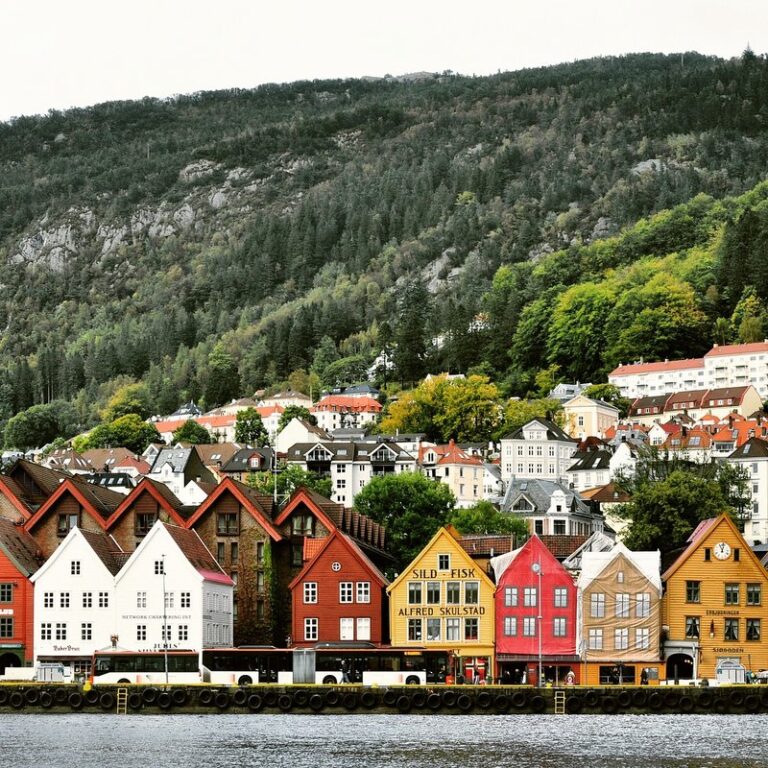
Official Languages and Dominant Speakers
Norway has two official languages, which are widely spoken throughout the country. In this section, we’ll take a closer look at the Bokmål and Nynorsk languages that Norwegians use in their daily lives.
Overview of Norwegian Language Variants
Norway has two official languages: Bokmål and Nynorsk. While they share a common foundation as Norwegian language variants, they have distinct differences in grammar, vocabulary, and usage. One of the main similarities between the two is their mutual intelligibility – speakers of one variant can generally understand speakers of the other with little effort.
The most notable difference lies in their origins: Bokmål was developed from Danish, whereas Nynorsk emerged as a distinct form of Norwegian. This influence is evident in vocabulary and spelling conventions. For instance, Bokmål retains more loanwords from Danish, while Nynorsk tends to favor native Norwegian words.
In practical terms, this means that if you’re communicating with someone who speaks Bokmål, you may notice some differences in word choice or grammatical structure compared to speaking with a Nynorsk speaker. To navigate these variations effectively, consider learning basic phrases and vocabulary in both variants to increase your chances of being understood.
While there are no strict rules governing the use of either variant in everyday life, many Norwegians are familiar with both Bokmål and Nynorsk.
Bokmål: The Most Widely Used Variant
Bokmål is the most widely used variant of the Norwegian language, spoken by around 85-90% of the population. Its history dates back to the 19th century, when it was created as a standardized form of Danish. Over time, Bokmål has evolved into a distinct dialect with its own grammar and vocabulary.
In education, Bokmål is used in most schools and universities, making up about 90% of the language instruction. It’s also the primary language used in media, such as newspapers, radio, and television. In government, all official documents and communications are written in Bokmål. Many Norwegians use Bokmål for everyday communication, including in business, social interactions, and even online.
Despite its prevalence, there are some regions where Nynorsk is more widely spoken. However, even in these areas, Bokmål is still commonly used. For those learning Norwegian as a second language, it’s essential to focus on Bokmål due to its widespread use. While it may seem daunting at first, becoming proficient in Bokmål can open doors to understanding and communicating with the majority of Norwegians.
In practical terms, this means that most language courses, textbooks, and language learning resources will be tailored to Bokmål.
Nynorsk: Preserving Norwegian Culture and Identity
Nynorsk was introduced in 1850 as a literary and official language variant to counterbalance the dominance of Bokmål, which had been imposed by Danish rulers. The name “nynorsk” literally means “new Norwegian,” reflecting its aim to create a more authentic and distinct form of written Norwegian.
The development of Nynorsk was driven by the desire to preserve Norway’s linguistic heritage and promote a sense of national identity. By standardizing the language, linguists aimed to create a unifying force that would bridge regional dialects and variations. Today, Nynorsk is an official language in Norway, alongside Bokmål, and its use is encouraged in public institutions, education, and media.
To learn or promote Nynorsk, consider exploring the following resources:
- The Norwegian Bokmål-Nynorsk Dictionary (Bokmålsordboka) for word comparisons
- Online courses and language learning platforms that offer Nynorsk lessons
- Reading materials written in Nynorsk, such as literature and news articles
Minority Languages and Regional Variations
While Norwegian is a widely spoken language, there are also several minority languages and regional variations that are unique to different parts of the country. We’ll take a closer look at these lesser-known linguistic treasures.
Sami Language and Culture
The Sami people have a distinct language and culture that is an integral part of Northern Norway’s heritage. They are indigenous to the region and have traditionally inhabited areas above the Arctic Circle, including parts of Troms, Finnmark, and Nordland counties. The Sami language, known as Saami or Sammangiel Diehtor, belongs to the Uralic language family and is spoken by approximately 70,000 people worldwide, with around 10,000 living in Norway.
In Norway, the Sami language is recognized as a minority language and has official status in several municipalities. The Lappish Sami Association (Sámiid Riikkasearvi) works to promote and preserve Sami culture, including the language. You can find courses and language materials online or through local cultural centers. Many schools also offer Sami language classes as part of their curriculum.
The Sami people have a rich cultural heritage, with traditional practices such as reindeer herding and handicrafts still being maintained today. Their oral tradition is characterized by myths, legends, and epic poems that pass down stories about the Sami people’s history and connection to the land. By learning about the Sami language and culture, you can gain a deeper understanding of Norway’s linguistic diversity and appreciation for its indigenous heritage.
Kven Language: A Finno-Ugric Minority
The Kven language is a Finno-Ugric minority language spoken in Northern Norway. It originated from the influx of Finnish and Sami people into the region during the Viking Age, leading to linguistic and cultural assimilation with the native population. Today, approximately 300 people in Norway’s northernmost counties speak Kven as their first or second language.
Kven speakers are mainly found along the coast of Troms and Nordland counties, where they have maintained a distinct identity despite being a minority. The language is characterized by its unique blend of Finnish, Sami, and Norwegian influences, which has resulted in a distinct grammar and vocabulary.
Efforts to revitalize Kven have been underway since the 1990s, with the establishment of language courses, cultural centers, and publications. However, the number of fluent speakers continues to decline due to intermarriage and urbanization. As a result, linguists and community members are working together to document and preserve Kven through language documentation projects and language planning initiatives.
To support the preservation of Kven, visitors can engage with local communities by attending cultural events or taking part in language courses offered at some regional centers.
Regional Dialects and Variations
Norwegian has developed distinct regional dialects over time, shaped by geographical and cultural factors. The western part of Norway, particularly in regions like Hordaland and Sogn og Fjordane, speaks a dialect known as Vestlandsk. This dialect is characterized by its distinct pronunciation and vocabulary, often deviating from Standard Bokmål. In contrast, the eastern part of Norway, especially around Oslo and Akershus, speaks an East Norwegian dialect that has been influenced by urbanization and cultural exchange.
The differences between these regional dialects are not merely linguistic but also reflect local traditions and histories. For example, Vestlandsk has retained many Old Norse words and expressions, while East Norwegian has adopted more loanwords from English. These variations can sometimes cause confusion for speakers of other dialects, especially in formal situations like job interviews or business meetings.
To better navigate these regional differences, it’s essential to understand the local context and be willing to adapt your communication style. When interacting with locals, pay attention to their accent and vocabulary, and try to respond accordingly. This will not only show respect for their dialect but also facilitate more effective communication.
Immigrant Languages and Language Diversity
Norway has a rich linguistic landscape shaped by its immigrant communities, where languages like Somali, Arabic, and Polish are spoken alongside Norwegian.
These immigrant languages play a significant role in Norway’s cultural diversity.
Immigration and Language Change
Immigration has significantly influenced the linguistic landscape of Norway. Over the past few decades, an increasing number of immigrants have settled in the country, bringing with them their native languages and dialects. According to Statistics Norway, approximately 15% of the population has a foreign background, with many coming from countries where languages such as Arabic, Polish, and Somali are prevalent.
As a result, immigrant languages are increasingly being heard in public spaces, schools, and workplaces. Many immigrants have also started language exchange programs, cultural associations, and community centers to maintain their native languages and cultures. For instance, the Norwegian Directorate of Immigration has established language training courses for newly arrived refugees and asylum seekers, which helps them integrate into Norwegian society.
Norway’s linguistic diversity is a reflection of its tolerant and inclusive attitude towards immigrant languages and dialects. While some critics argue that this may lead to language fragmentation and a decline in the use of Norwegian as a common language, others see it as an opportunity for cultural enrichment and exchange. To promote linguistic diversity, Norway has implemented policies such as multilingual signage, translation services, and language support programs in schools.
This shift towards greater language diversity is also evident in the growing number of multilingual Norwegians who use their foreign languages in everyday life. A survey by the Norwegian Language Council found that around 30% of young Norwegians aged between 18 and 25 are fluent in two or more languages, including English, which has become a common lingua franca in Norway.
Language Support for Immigrants in Norway
Immigrants to Norway have access to various language support services to facilitate integration into Norwegian society. The Norwegian Directorate of Integration and Diversity offers language courses for immigrants, tailored to their proficiency level and learning needs. These courses are free or low-cost and can be taken at local schools, community centers, or online.
Language instruction typically begins with basic Norwegian language skills, followed by more advanced courses that focus on grammar, vocabulary, and pronunciation. Some programs also offer specialized training in areas such as business communication, healthcare, or education. For example, the “Integrasjonskurs” program provides intensive language training to help immigrants find employment.
In addition to language courses, integration programs like “New In Town” and “Integration Workshop” provide cultural orientation, job skills training, and mentorship opportunities for new arrivals. These programs aim to promote social cohesion and facilitate community engagement among immigrant groups. By leveraging these resources, immigrants can improve their language proficiency, build social networks, and enhance their overall quality of life in Norway.
The Role of English as a Lingua Franca
As a result of increased global connectivity and economic integration, English has become an essential language for communication in Norway. Norwegians frequently use English to interact with international businesses, tourists, and expats living in the country. In addition, English is widely used as a common language among foreigners who come to Norway for work or study.
In many urban areas, particularly Oslo, it’s not uncommon to hear people speaking English on public transportation, in restaurants, or while shopping. This has led to an increased demand for English language courses and proficiency testing. For instance, the Norwegian Directorate of Immigration (UDI) recommends that immigrants demonstrate a certain level of English proficiency as part of their integration process.
The growing importance of English is also reflected in Norway’s education system. Many schools now offer English-medium instruction, particularly in subjects like business, technology, and engineering. This approach aims to equip students with the skills necessary for success in an increasingly globalized economy.
Education and Media: Promoting Linguistic Diversity
Norway has implemented various initiatives to promote linguistic diversity, including language education programs that encourage students to learn minority languages. This is where media plays a crucial role in preserving and promoting these languages.
Language Instruction in Norwegian Schools
In Norwegian schools, language instruction is designed to promote linguistic diversity and preserve the country’s rich cultural heritage. Students learn both Bokmål and Nynorsk, the two official language variants, with an emphasis on understanding their historical development and regional characteristics. This approach encourages students to appreciate the nuances of each variant and develop a strong foundation in written and spoken Norwegian.
In addition to the standard curriculum, minority languages such as Sami and Kven are also taught in schools where there is sufficient demand. For example, in Troms og Finnmark county, students can take Sami language classes, which not only help them communicate with their peers but also foster a deeper understanding of the indigenous culture.
Language instruction in Norwegian schools also acknowledges the country’s immigrant heritage. Many schools offer language support programs for immigrant students, providing additional resources and teaching methods tailored to their needs. This approach helps ensure that all students have an equal opportunity to succeed academically and socially.
Media Representation of Minority Languages
In addition to language instruction in schools, media plays a significant role in promoting linguistic diversity in Norway. Several radio stations broadcast programs in minority languages, including Sami and Kven. For example, NRK Sámi Radio offers news, music, and cultural programming exclusively in the Sami language. Similarly, Kven FM broadcasts news, talk shows, and music in the Kven language.
Language-specific publications also contribute to promoting linguistic diversity. Several newspapers, magazines, and online platforms publish content in minority languages. For instance, the newspaper Ávvir is published in both Norwegian and Sami, providing readers with access to news and information in their native language. These media outlets not only provide a platform for speakers of minority languages but also help to preserve and promote these languages.
Some notable examples of media that promote linguistic diversity include:
- NRK Sámi Radio (Sami language)
- Kven FM (Kven language)
- Ávvir (Norwegian and Sami languages)
- Båldut (a monthly magazine in the Kven language)
Challenges and Opportunities for Promoting Linguistic Diversity
Promoting linguistic diversity in Norway poses both challenges and opportunities. One significant challenge is the dominance of Norwegian languages in education policy, which can inadvertently marginalize minority languages. For instance, while Nynorsk has official status, its use is often limited to specific subjects or schools, leaving students who speak it at home with limited opportunities for language development.
On the other hand, efforts like the Sami Language Act have provided a framework for preserving and promoting indigenous languages. This act recognizes the rights of Sami people to use their language in public services, education, and media. However, the effectiveness of such policies depends on cultural attitudes within Norway.
A more inclusive approach to language instruction could involve incorporating minority languages into mainstream curricula or providing additional support for students who speak these languages at home. This would not only promote linguistic diversity but also acknowledge the country’s rich linguistic heritage. By doing so, Norway can move closer to achieving its goal of becoming a linguistically diverse and inclusive society.
Frequently Asked Questions
Can I speak Norwegian without learning Bokmål or Nynorsk specifically?
Yes, while it’s beneficial to learn one of the official languages, many Norwegians speak and understand both variants, and you can still communicate effectively in everyday situations. However, knowing either Bokmål or Nynorsk will help you navigate more formal contexts.
How do I support my child in learning a minority language like Sami at home?
Start by exposing your child to the language through media, such as children’s books, music, and films in Sami. You can also attend cultural events and join language exchange programs or online communities to connect with other Sami speakers.
What if I want to learn Kven, but there are limited resources available?
While it’s true that Kven has fewer resources than some other languages, you can still find online materials, language courses, and community groups focused on preserving the Kven language. Be prepared to be creative in your learning process and reach out to experts or native speakers for guidance.
Can I use English as a lingua franca in Norway, especially when communicating with older Norwegians?
Yes, English is widely spoken and accepted in Norway, but being respectful of the local culture means making an effort to learn basic Norwegian phrases, especially when interacting with older generations. This will help you build stronger relationships and avoid unintentionally offending locals.
How do I navigate language differences within regional dialects in Norway?
When communicating across different regions, be aware that dialects may vary significantly, but most Norwegians will still understand standard Bokmål or Nynorsk. However, showing interest in the local dialect can help you connect with people and build stronger relationships.

