Swedish cuisine is often misunderstood as being bland and simple, but this couldn’t be further from the truth. Traditional dishes like Swedish meatballs and pickled herring are not only delicious, but they also showcase the country’s unique flavor profile, which is deeply rooted in its history and culture. From the pickling of vegetables to the curing of meats, Sweden has a rich tradition of preserving food to make it last through harsh winters. In recent years, Swedish cuisine has undergone a renaissance, with modern chefs putting their own twists on classic dishes, incorporating fresh, seasonal ingredients and innovative cooking techniques. This comprehensive guide will explore the flavors of Sweden, covering traditional recipes as well as modern interpretations, so you can learn how to cook authentic Swedish meals at home and appreciate the rich culinary heritage of this beautiful country. By the end of this article, you’ll have the knowledge and confidence to create a variety of mouth-watering Swedish dishes in your own kitchen.
A Brief History of Swedish Cuisine
Swedish cuisine has a rich and fascinating history that spans centuries, shaped by the country’s harsh climate, geography, and cultural influences. Let’s take a look at how traditional dishes like meatballs and gravlax have evolved over time.
Early Influences and Traditions
Swedish cuisine is shaped by its geographical location and historical events. The country’s proximity to the Baltic Sea has made fishing a vital part of Swedish culture since ancient times. The Viking Age, which spanned from the late 8th century to the mid-11th century, had a lasting impact on modern Swedish food.
During this period, Viking traders established trade relationships with other European nations, introducing new ingredients and cooking techniques to Sweden. For example, they brought back exotic spices such as cumin and coriander from their travels, which were incorporated into traditional Swedish dishes like pepparkakor (gingerbread cookies).
The Viking Age also saw the introduction of new cooking methods, including smoking and pickling, which allowed for preservation of meat and fish. These techniques are still used in modern Swedish cuisine, particularly when it comes to preserving seafood.
In terms of early influences on Swedish food culture, the country’s cultural heritage is also significant. The traditional Scandinavian concept of “kost” (cooking) emphasizes simplicity, freshness, and local ingredients. This philosophy is reflected in classic Swedish dishes like Janssons Frestelse (a casserole made with anchovies and potatoes), which relies on just a few high-quality ingredients.
Traditional Swedish Cooking Techniques
In traditional Swedish cooking, pickling is a common technique used to preserve vegetables and fruits. Cucumbers, beets, and carrots are often pickled in a brine solution with spices like dill, mustard seeds, and coriander. This process involves soaking the ingredients in the pickling liquid for several days or weeks, allowing them to absorb flavors and develop a tangy taste.
Smoking is another technique used in Swedish cuisine, particularly when preparing meats like salmon, herring, and ham. To smoke meat, it’s typically placed over low heat for an extended period, often overnight, which helps break down the proteins and infuse the food with a rich, savory flavor. Smoking can also be done using a wood-fired oven or a specialized smoker.
Preserving is another essential technique in Swedish cooking, where fruits and vegetables are made to last throughout the winter months by being immersed in sugar syrup, vinegar, or salt. Examples of preserved foods include lingonberry jam, cloudberries in sugar, and pickled herring. These techniques have been passed down through generations and continue to play a significant role in preparing traditional Swedish dishes today.
Classic Swedish Dishes You Need to Try
Swedish cuisine is known for its rich flavors and hearty portions, and there are several classic dishes that every food lover should try at least once. Think meatballs, gravlax, and seafood stews, all rooted in traditional Swedish cooking techniques.
Meatballs and Other Popular Main Courses
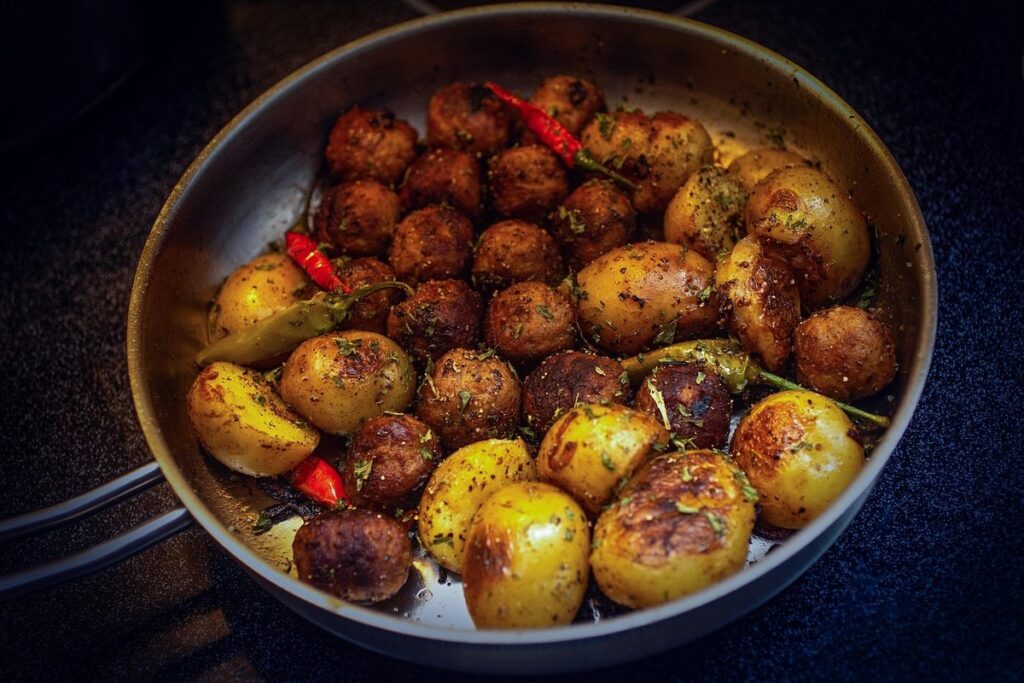
Meatballs are one of Sweden’s most iconic dishes and a staple at dinner tables throughout the country. These small, flavorful meatballs are made from ground beef and pork, mixed with onions, allspice, and sometimes breadcrumbs or oats. To make traditional Swedish meatballs (köttbullar), use a mixture of 80/20 or 70/30 lean to fat ratio, as this will help keep them moist and tender.
In addition to köttbullar, other popular main courses in Sweden include Janssons Frestelse, a casserole made from anchovies and potatoes that’s surprisingly flavorful despite its simplicity. The key to making a great Janssons is to use high-quality anchovy paste and to let the dish sit for at least 30 minutes before serving, allowing the flavors to meld together.
Kottbullegröt, or meatball porridge, is another beloved Swedish main course that’s perfect for chilly winter nights. This comforting dish is made by simmering meatballs in a flavorful broth with potatoes and vegetables, then serving it over egg noodles or rice. To try Kottbullegröt at home, use store-bought meatballs or make your own using the traditional Swedish recipe, and be sure to serve it with a sprinkle of chopped fresh parsley for added freshness.
Traditional Side Dishes and Accompaniments
Boiled potatoes are a staple side dish in traditional Swedish cuisine, often served alongside meatballs, gravlax, and other main courses. These potatoes are typically boiled until tender and then tossed with a pat of butter, salt, and sometimes a sprinkle of chopped fresh dill. In addition to boiled potatoes, Swedes also enjoy boiled or steamed vegetables like carrots, green beans, and cauliflower.
Vegetables like rutabaga, turnips, and cabbage are commonly used in Swedish cooking and can be served as side dishes or added to soups and stews. Bread is another essential component of a traditional Swedish meal, often served on the side with meals or used as a base for open-faced sandwiches called smörgås.
To incorporate these traditional side dishes into your own Swedish-inspired meals, try serving boiled potatoes alongside meatballs or gravlax. You can also add steamed vegetables to your plate for a burst of color and flavor. Don’t forget to serve some crusty rye bread on the side – it’s perfect for sopping up juices from your main course.
Some key tips for preparing traditional Swedish side dishes include using high-quality ingredients, cooking methods that preserve texture and nutrients, and presenting dishes in an attractive way. By incorporating these elements into your own cooking, you can create authentic and delicious Swedish-inspired meals at home.
The Role of Fish and Seafood in Swedish Cuisine
Fish plays a significant role in traditional Swedish cuisine, particularly along the coast where fresh seafood is abundant. From smörgåstårta to gravlax, seafood is often at the heart of Sweden’s culinary delights.
Fresh and Pickled Fish Recipes
Swedes have a long tradition of preserving fish to enjoy throughout the year. One classic method is pickling herring, known as sill in Swedish. To make traditional pickled herring, start by selecting a firm, oily herring fillet and soaking it in a brine made from salt, sugar, vinegar, and spices for several weeks. This process helps break down the fish’s connective tissues and infuses its rich flavor with aromatic notes of caraway seeds and dill.
Grilled salmon, or rödspätta as the Swedes call it, is another beloved dish that showcases the country’s commitment to fresh seafood. To prepare it, simply season a skinless salmon fillet with salt, pepper, and a squeeze of lemon juice before grilling over medium heat until cooked through. Serve with boiled potatoes and steamed vegetables for a classic Swedish meal.
When experimenting with traditional fish recipes like these, remember that quality matters: choose the freshest ingredients you can find to ensure the best flavor and texture. By incorporating pickled herring or grilled salmon into your cooking repertoire, you’ll gain insight into Sweden’s rich culinary heritage and be well on your way to exploring the country’s diverse seafood traditions.
Shellfish and Mussels in Swedish Cooking
Shellfish and mussels play a significant role in traditional Swedish cuisine. One popular dish is mussel soup (musselköttbullegröt), which features fresh mussels cooked in a flavorful broth with potatoes, onions, and sometimes even meat or bacon. Another staple is seafood stews, often made with a combination of fish and shellfish like shrimp, scallops, and mussels.
In Swedish cooking, shellfish are frequently paired with acidic ingredients like lemon juice or vinegar to balance their richness. A classic example is the mussel dish known as “musslor i vitvin” – mussels cooked in white wine with garlic, onions, and sometimes cream. This hearty dish is often served during special occasions and celebrations.
When preparing shellfish in Swedish cuisine, it’s essential to use fresh ingredients and cook them quickly over high heat to prevent overcooking. To try a traditional seafood stew at home, start by sautéing aromatics like onions and garlic before adding your choice of fish and shellfish. Finish the dish with a splash of white wine or vinegar for added depth of flavor.
The Art of Baking in Sweden
Swedish bakers take pride in their traditional pastries and breads, often infused with local flavors like cardamom and cloudberry. Let’s see how this unique approach to baking reflects the country’s culinary heritage.
Traditional Sweet Treats
Princess Cake is a beloved Swedish sweet treat, consisting of layers of sponge cake filled with whipped cream and fruit preserves. Its origins date back to the 1940s, when it was created by a Swedish baker for the royal family’s summer home on Lake Mälaren. Today, you can find Princess Cake in most Swedish bakeries and cafes.
Gingerbread Cookies, or pepparkakor, are another traditional Swedish sweet treat that is typically served around Christmas time. These thin, crisp cookies are made with molasses, ginger, cinnamon, and cloves, giving them a distinctive flavor and aroma. Many Swedes also make their own pepparkakor at home using a family recipe passed down through generations.
Cardamom Coffee Cake, or kanelbulle, is a sweet pastry that combines the warmth of cardamom with the richness of butter and sugar. It’s often served as an accompaniment to coffee or tea, particularly during social gatherings and special occasions. The combination of cardamom and cinnamon gives this pastry its unique flavor profile, which is quintessentially Swedish.
Savory Pastries and Bread
Swedish cuisine is characterized by its emphasis on simplicity and traditional techniques. Savory pastries and breads play a significant role in this culinary tradition. One notable example of savory pastry is the Kanelbulle, a sweet or savory treat flavored with cardamom and typically shaped into a knot. The aroma of freshly baked Kanelbulle wafting from Swedish bakeries is unmistakable.
Another integral part of Swedish baking is Vörtbröd, which is often mistakenly classified as a sweet bread due to its mild sweetness. However, the flavor profile of Vörtbröd is more complex and savory than that of traditional sweet breads. This is because it’s typically made with beer instead of water, giving it a distinctive depth of flavor.
Some popular fillings for Swedish pastries include gravlax (cured salmon), pickled herring, or even mushroom duxelles. When selecting ingredients for your own savory pastry creations, consider using locally sourced meats and cheeses to enhance the authenticity of the dish. By incorporating traditional Swedish flavors and techniques into your baking repertoire, you can create delicious and unique pastries that showcase the country’s rich culinary heritage.
A Modern Take on Swedish Cuisine
Swedish cuisine is evolving rapidly, with modern twists on classic dishes emerging as a key part of the country’s food scene. Here, we explore these innovative interpretations.
Contemporary Chefs and Restaurants
Swedish cuisine has long been synonymous with traditional dishes like meatballs and gravlax. However, in recent years, a new wave of innovative chefs and restaurants has emerged, breathing fresh life into the country’s culinary scene. These modern Swedish chefs are not only reimagining classic recipes but also incorporating international flavors and techniques to create truly unique fusion cuisine.
Take, for example, Mathias Dahlgren’s restaurant in Stockholm, which offers a contemporary take on traditional Swedish dishes using locally sourced ingredients. His focus on seasonal produce and creative presentation has earned him a Michelin star. Another notable chef is Magnus Ek, who has gained international recognition for his vegetarian and vegan options at Oaxen Krog.
These chefs are not alone in their efforts to modernize Swedish cuisine. Restaurants like Frantzén in Stockholm and Sjömagasinet in Gothenburg offer innovative menus that blend traditional flavors with international inspiration. For those looking to experience modern Swedish cuisine firsthand, consider visiting these restaurants or trying out the recipes of these innovative chefs at home. By doing so, you’ll gain a deeper understanding of the country’s culinary evolution and appreciation for its rich food culture.
The Impact of Globalization on Swedish Food Culture
Globalization has brought about a significant shift in Swedish food culture. One notable effect is the introduction of new ingredients and cooking techniques from around the world. This is particularly evident in modern Swedish cuisine, where chefs often incorporate global flavors into traditional dishes. For instance, Swedish chefs have adopted the use of Asian spices and herbs to create unique fusion recipes.
Many restaurants now offer international-inspired menus that blend Swedish classics with foreign influences. Some popular examples include Korean-Mediterranean BBQ pork ribs and Japanese-Swedish sushi rolls. These innovative dishes not only cater to diverse tastes but also reflect the increasing cultural exchange between Sweden and other nations.
The impact of globalization on Swedish food culture can be seen in various ways: through the introduction of new ingredients, cooking techniques, and menu styles. Chefs are experimenting with global flavors, creating a more dynamic and inclusive culinary scene. As a result, traditional Swedish dishes have been reimagined to suit modern tastes, making them more appealing to a broader audience.
A Guide to Eating Like a Local in Sweden
When exploring Swedish food culture, one of the best ways to experience its authenticity is by eating at local eateries and trying traditional dishes that are off the beaten path. From street food markets to cozy cafes, you’ll find hidden gems serving up unique flavors.
Must-Try Dishes and Foods
When dining out in Sweden, be sure to try some of the country’s signature dishes. One must-try is köttbullar, Swedish meatballs served with potatoes and lingonberry jam. These tender morsels are typically made from a mixture of beef and pork, and are often served at traditional Swedish restaurants like Vurma or Östermalms Saluhall.
Another popular option is gravlax, thinly sliced salmon cured in a mixture of sugar, salt, and spices. You can find this dish on menus throughout the country, but it’s especially common in Stockholm. Don’t be afraid to ask for recommendations from your server – many restaurants will suggest their take on traditional Swedish cuisine.
If you’re looking for something more substantial, consider ordering a plate of Janssons Frestelse, a classic Swedish casserole made with anchovies and potatoes. This humble dish may not sound like much, but it’s a beloved staple in Sweden and is often served at family gatherings and special occasions.
When exploring traditional food markets and cafes, be on the lookout for stalls selling pickled herring or boiled cod – these are popular snacks among locals and make for a delicious and authentic experience.
Tips for Cooking Swedish Meals at Home
When cooking Swedish meals at home, sourcing high-quality ingredients is crucial. You can find authentic Swedish products at specialty stores or online marketplaces that import Nordic goods. Look for local farmers’ markets or Scandinavian delis to discover fresh produce and meats. For instance, Swedish pickled herring and gravlax are easily available at many health food stores.
Common kitchen tools in Swedish cooking include a cast-iron skillet (often used for pan-frying meatballs), a ceramic casserole dish (ideal for baking traditional dishes like kroppkakor and pyttipanna), and a Nordic-style wooden spoon. You can also use a stand mixer with a dough hook attachment to make Swedish flatbreads, such as limpa or rav.
Some essential ingredients to have on hand include lingonberry jam, pickled beets, and aquavit (a Scandinavian spirit often used in cooking). Familiarize yourself with traditional Swedish spices like allspice, caraway seeds, and mustard seeds. By stocking these staples and utilizing the right tools, you’ll be well-equipped to prepare authentic Swedish meals that will transport your taste buds across the Baltic Sea.
Conclusion: Embracing the Flavors of Sweden
Embracing the flavors of Sweden is not just about trying new dishes; it’s about immersing yourself in the country’s rich culinary culture. To truly experience Swedish food, try cooking traditional recipes at home. Start with simple dishes like meatballs or gravlax, and experiment with ingredients like lingonberry jam and aquavit.
For a more authentic taste of Sweden, visit local markets and restaurants that serve traditional cuisine. Don’t be afraid to try new foods, even if they seem unfamiliar. Swedish food is often hearty and comforting, so don’t be surprised if you find yourself craving more after one bite. By embracing the flavors of Sweden, you’ll gain a deeper appreciation for the country’s unique culinary heritage and its role in shaping modern Scandinavian cuisine.
Frequently Asked Questions
What if I’m short on time and can’t make traditional Swedish dishes from scratch?
You can still enjoy authentic Swedish flavors by buying pre-made ingredients or using shortcuts like jarred pickled herring. Many supermarkets also carry frozen meatballs made with Swedish-style beef and pork.
Can I use alternative ingredients to accommodate dietary restrictions in traditional Swedish recipes?
While some substitutions might alter the flavor profile, you can experiment with alternatives like vegetarian meatballs or fish-free versions of dishes like Janssons Frestelse. Be mindful that these changes might affect the dish’s authenticity.
How do I know when a traditional Swedish dish is cooked to perfection, especially with tougher cuts of meat?
Look for signs like tender meat that falls apart easily, and a rich, savory sauce. For example, meatballs should be cooked until they’re lightly browned on the outside and still juicy inside. Use your senses – if it smells amazing and looks appealing, chances are it’s ready.
What if I’m not familiar with Scandinavian ingredients like lingonberry jam or aquavit? Where can I find them?
Many health food stores and specialty markets carry these items. Online retailers also offer a wide selection of Scandinavian ingredients. If you’re having trouble finding something specific, try substituting with similar products or experimenting with new flavors to create your own unique twists.
Can I make traditional Swedish desserts without cardamom, which seems like an integral spice?
While cardamom is indeed a key flavor component in many Swedish sweets, you can omit it or substitute with other spices like cinnamon or nutmeg. However, keep in mind that this will change the character of the dessert – if you want to stay true to traditional flavors, it’s worth seeking out high-quality cardamom.