Neapolitan cuisine has been a cornerstone of Italian food for centuries, with its rich history and cultural significance making it a timeless treasure. From ancient Greek and Roman influences to modern-day innovations, this beloved cuisine has evolved over time yet remained true to its roots. Traditional dishes like pasta alla norma and pizza margherita are staples in Neapolitan cooking, but the culture behind these iconic meals is just as fascinating. What set Neapolitan cuisine apart from other Italian regions? How did its history shape the way people cook and eat today? In this article, we’ll explore the ancient influences that paved the way for modern Neapolitan dishes, contemporary innovations that are redefining traditional recipes, and why this cuisine remains a beloved favorite around the world. By the end of this journey through Neapolitan cuisine culture, you’ll understand what makes it so enduringly popular and how to incorporate its unique flavors and techniques into your own cooking.
Origins of Neapolitan Cuisine
The rich flavors and traditions of Neapolitan cuisine have their roots in a long history that spans centuries, shaped by the region’s unique geography. From its ancient Greek influences to its medieval trade routes, every layer adds depth to this beloved culinary culture.
Ancient Influences on Neapolitan Food
Neapolitan cuisine is a rich tapestry woven from the threads of various ancient cultures. The Greeks, for example, introduced olives and olive oil to the region, which remain essential ingredients in Neapolitan cooking. They also brought their expertise in fishing and seafood preparation, influencing the city’s famous fish-based dishes like fritto misto.
The Romans, who later conquered Naples, further refined these culinary traditions. They adopted the Greek practice of using olive oil for cooking and introduced new ingredients like garlic and asparagus. Roman influence is particularly evident in Neapolitan pasta dishes, which often feature a light sauce made with olive oil, garlic, and herbs.
Tomato sauces, a staple in modern Neapolitan cuisine, were also influenced by these ancient cultures. Although tomatoes are now an integral part of Neapolitan cooking, they were initially introduced by the Spanish during their rule over Naples in the 16th century. However, it’s believed that early tomato cultivation and use in cooking was inspired by the Portuguese, who brought back exotic spices and ingredients from their travels.
The adaptation of ancient Mediterranean techniques and ingredients has had a lasting impact on Neapolitan cuisine. By incorporating these elements into your own cooking, you can create authentic and delicious dishes that pay homage to this rich culinary heritage.
Moorish and Mediterranean Flavors
The Moors’ invasion of Naples in the 9th century had a profound impact on the city’s culinary landscape. This brief period of Arab rule introduced new flavors and spices to Neapolitan cuisine, including cumin, coriander, and saffron. These exotic ingredients were incorporated into traditional dishes, such as pasta sauces and stews, creating a distinctive Moorish influence that still resonates today.
Mediterranean trade routes also played a significant role in shaping the region’s culinary development. As merchants and traders traveled between Naples and other coastal cities, they brought with them new ingredients, cooking techniques, and recipes. The city’s strategic location on the Mediterranean made it an ideal hub for exchanging goods and ideas, including those related to food.
The result of these cultural exchanges was a unique fusion of flavors that characterized Neapolitan cuisine in the Middle Ages. To recreate this flavor profile today, try incorporating cumin and coriander into your pasta sauces or adding saffron threads to your risottos. Experiment with different spice blends and cooking techniques to capture the essence of Moorish and Mediterranean flavors in your own kitchen.
The Significance of Campania’s Regional Ingredients
Campania’s regional ingredients are the backbone of authentic Neapolitan cuisine, and exploring their significance reveals a rich tapestry of flavors. From San Marzano tomatoes to burrata cheese, each ingredient has its own story to tell.
Introduction to Local Produce and Proteins
In Campania’s rich culinary landscape, several ingredients stand out for their exceptional quality and impact on Neapolitan cuisine. San Marzano tomatoes, grown exclusively in the Sarno Valley, are prized for their low acidity and sweeter flavor profile, which makes them ideal for sauces and condiments. These tomatoes are not only a staple in Neapolitan kitchens but also have been certified by the European Union as a protected designation of origin (PDO) product.
Another iconic ingredient is buffalo mozzarella, produced from the milk of water buffalo raised in the region. This cheese is renowned for its creamy texture and mild flavor, making it a perfect complement to fresh tomatoes and basil. In addition to its culinary value, buffalo mozzarella also boasts nutritional benefits, as it is high in protein and low in saturated fat.
Olive oil, primarily produced from the Frantoio olive tree, is another fundamental component of Neapolitan cuisine. With its rich flavor and numerous health benefits, olive oil is used liberally in cooking and as a finishing touch for dishes like pasta and pizza. When selecting olive oil, look for products that are labeled “extra virgin” or “cold-pressed,” as these will have the highest quality and nutritional value.
Artisanal Food Production in Naples
In Naples, artisanal food production is a cherished tradition that reflects the city’s commitment to preserving its culinary heritage. Artisans and small-scale producers play a vital role in creating local specialties using time-honored methods. For instance, Neapolitan pasta makers are known for their skill in crafting fresh pasta by hand, using high-quality durum wheat semolina and traditional techniques passed down through generations.
In the city’s markets, visitors can find vendors selling artisanal mozzarella di bufala, made from the milk of water buffalo raised on local farms. These producers adhere to strict quality standards and traditional methods to ensure their products’ distinctive flavor and texture. The use of locally sourced ingredients and traditional techniques not only guarantees exceptional taste but also supports the local economy.
To experience Naples’ artisanal food production firsthand, consider visiting one of the city’s many markets or participating in a cooking class focused on traditional Neapolitan cuisine. By doing so, you’ll gain insight into the dedication and craftsmanship that goes into creating these beloved specialties. The attention to detail and commitment to tradition evident in Neapolitan artisanal food production are essential aspects of the region’s culinary identity.
Traditional Neapolitan Dishes and Their Stories
Neapolitan cuisine is more than just a collection of recipes, it’s a rich cultural heritage that comes alive through its traditional dishes. Let’s take a closer look at some of these iconic Neapolitan specialties.
Classic Pasta Dishes: Spaghetti Carbonara and More
Spaghetti carbonara is often attributed to Rome, but its true origins are rooted in the Campania region. The dish’s evolution can be seen in its gradual shift from a humble peasant meal made with guanciale and eggs to the richer version popularized by Italian chefs abroad. Fettuccine alla nonna, on the other hand, is a quintessential Neapolitan pasta dish that showcases the importance of family recipes in local cuisine. Its rich, slow-cooked ragù is a testament to the region’s love for hearty, comforting meals.
A key component of traditional Neapolitan pasta dishes is the use of high-quality ingredients, such as San Marzano tomatoes and guanciale from nearby farms. These locally sourced ingredients not only add depth to the dishes but also reflect the region’s commitment to preserving traditional flavors. Rigatoni con ragù, another beloved classic, highlights the importance of texture in Neapolitan cuisine – the tubular pasta is perfectly suited for hearty meat sauces.
When preparing these dishes at home, consider using authentic ingredients and techniques to capture their true essence. A good starting point is to use guanciale instead of pancetta or bacon, which will add a unique smokiness to your carbonara.
Meatballs, Sausages, and Other Local Favorites
Polpette (meatballs) are a staple in Neapolitan cuisine, typically made with beef and pork, breadcrumbs, Parmesan cheese, and eggs. They’re often served as an antipasto or appetizer, usually accompanied by a tangy tomato sauce. Salsiccia e friarielli, on the other hand, is a classic combination of sausages and broccoli rabe, typically served with a drizzle of olive oil.
Capricciosa pizza toppings are another iconic Neapolitan favorite, featuring ham, mushrooms, artichokes, olives, and sometimes anchovies. While it may sound like an eclectic mix, each topping is carefully chosen for its flavor profile and texture. Capricciosa is a true representation of the city’s culinary diversity.
Some essential ingredients to have on hand when making these dishes include high-quality sausages, such as ‘nduja or salsiccia Napoletana, and fresh broccoli rabe. For a more authentic experience, try using homemade tomato sauce instead of store-bought varieties. This will not only elevate the flavor but also allow you to appreciate the simplicity and freshness that Neapolitan cuisine is known for.
When preparing these dishes, remember that less is often more – let the natural flavors of each ingredient shine through rather than overcomplicating with too many toppings or sauces.
Neapolitan Cuisine in Modern Times
Neapolitan cuisine has evolved significantly over time, adapting to changing tastes and trends while remaining true to its rich cultural heritage. In recent years, modern twists on classic Neapolitan dishes have gained popularity worldwide.
Contemporary Innovations and Twists on Tradition
Modern chefs are breathing new life into traditional Neapolitan recipes while staying true to their roots. Innovative uses of local ingredients and techniques have become a hallmark of contemporary Neapolitan cuisine. For instance, some chefs are experimenting with heirloom tomatoes from the nearby hills of Campania, pairing them with fresh basil and burrata cheese in updated versions of classic Caprese salad.
In Naples, traditional recipes like pasta alla norma – featuring eggplant, tomato sauce, and ricotta salata cheese – have been reinvented with creative twists. Chefs are incorporating seasonal ingredients, such as artichokes or fennel, to add new depth to these beloved dishes. Local seafood is also being reimagined in modern Neapolitan cuisine, from grilled octopus to seafood-studded risottos.
A key aspect of this innovation is the preservation of traditional techniques, like hand-kneading pasta dough and cooking sauce from scratch. Chefs are combining these timeless methods with bold new flavors and presentation styles to create visually stunning plates that honor their Neapolitan heritage. By embracing the past while pushing culinary boundaries, modern chefs in Naples continue to inspire a new generation of food enthusiasts around the world.
The Role of Social Media and Food Culture in Shaping Neapolitan Cuisine
Social media platforms have revolutionized the way Neapolitan cuisine is consumed and perceived globally. Food bloggers and culinary influencers play a significant role in shaping the evolution of traditional dishes. By sharing recipes, cooking techniques, and behind-the-scenes stories, they humanize chefs and food artisans, making their craft more relatable and accessible to a wider audience.
Food blogs have become essential platforms for showcasing Neapolitan cuisine’s rich heritage. Influencers often highlight local ingredients, artisanal producers, and traditional preparation methods, which in turn fuels interest in authentic Neapolitan flavors. Moreover, social media has democratized the dissemination of culinary knowledge, allowing home cooks to share their own recipes and cooking experiences with a global community.
However, this increased visibility also raises concerns about cultural appropriation and authenticity. To navigate these complexities, it’s essential for chefs, food bloggers, and influencers to engage in respectful dialogue with Neapolitan culinary experts and local communities. By doing so, they can ensure that the evolution of Neapolitan cuisine is guided by a deep understanding of its traditions and history.
Cultural Significance and Celebration of Neapolitan Cuisine
Neapolitan cuisine is deeply rooted in Campania’s rich cultural heritage, where traditional dishes are not just a source of sustenance but also a symbol of community and identity. Let’s explore what makes Neapolitan food so special to the region’s people.
Traditional Festivals and Celebrations
Neapolitan cuisine is a beloved part of Naples’ cultural identity, and it’s celebrated with great enthusiasm during traditional festivals like Festa di San Gennaro (Festival of Saint Januarius) and Carnevale di Napoli. These events showcase the city’s rich heritage and its passion for food.
During Festa di San Gennaro, held in September, streets are filled with locals and visitors alike, savoring traditional dishes like sfogliatelle, babà, and zeppole. The festival’s main square is also home to an array of food stalls offering Neapolitan delicacies such as ragù alla napoletana and grilled meats. This celebration honors the city’s patron saint, Saint Januarius, with a focus on family, faith, and community.
Carnevale di Napoli, on the other hand, takes place in February or March and is known for its vibrant street performances, elaborate costumes, and, of course, delicious food. Masks made from sugar paste are a staple during this festival, often adorned with intricate designs that reflect Neapolitan culture. Throughout these celebrations, visitors can experience firsthand the joy and warmth that Neapolitans share when enjoying traditional cuisine together.
Family, Community, and Food in Neapolitan Culture
In Neapolitan culture, food is not just sustenance, but a catalyst for connection and celebration. Family meals are an integral part of daily life, with mealtimes often stretching into leisurely afternoons spent sharing stories and laughter. Sunday lunches, known as “pranzo della domenica,” are particularly significant, typically involving multiple courses, wine, and company.
Community events centered around food are also common in Naples, such as the Festa di San Gennaro, where locals gather to feast on traditional dishes like zeppole and sfinge. These gatherings foster a sense of belonging and pride in one’s heritage. Even everyday activities like market shopping or visits to local trattorias become opportunities for socializing and building relationships.
Food plays a crucial role in Neapolitan social dynamics, with mealtimes serving as a time for bonding and strengthening family ties. Children often learn traditional recipes from their elders, which are then passed down through generations. In Naples, food is not just a means of nourishment but a way to nurture relationships and community bonds.
Preserving and Promoting Neapolitan Cuisine Heritage
Let’s explore the efforts being made to safeguard Neapolitan culinary traditions, from authentic recipes to cultural festivals, and discover how they’re helping preserve its rich heritage. By supporting these initiatives, you can help keep the flavors of Naples alive.
The Role of Local Authorities and Organizations
Local authorities and organizations play a crucial role in preserving traditional recipes and cooking techniques. In Naples, you’ll find various initiatives aimed at promoting Neapolitan cuisine and supporting local food producers. For instance, the Campania Region’s Department of Agriculture has established a network of artisanal food producers, providing them with training and resources to maintain their traditional methods.
Restaurants like Pizzeria Brandi and Trattoria da Nennella showcase traditional recipes and cooking techniques, while also experimenting with new flavors and presentation styles. These establishments often partner with local suppliers to source ingredients, contributing to the preservation of regional produce and proteins. The City of Naples has launched programs to promote Neapolitan cuisine through culinary events, workshops, and food festivals.
Additionally, organizations like Slow Food Campania work tirelessly to protect and promote biodiversity in Campania’s agricultural landscape. They collaborate with local authorities, farmers, and chefs to develop sustainable food systems that preserve traditional recipes while promoting environmentally friendly practices. By working together, these stakeholders contribute to the preservation of Neapolitan cuisine heritage and ensure its continued relevance in modern times.
Challenges and Opportunities for Sustainable Food Systems in Naples
Naples’ reliance on industrial farming practices has led to soil degradation, reduced biodiversity, and decreased crop yields. This approach also perpetuates a culture of disposability, with plastic waste generated by packaging and single-use products contaminating the city’s waterways and harming marine life. The consequences of these unsustainable methods are evident in the decreasing quality of local produce and the erosion of traditional farming practices.
To address these issues, sustainable food systems initiatives have emerged in Naples. Some examples include urban gardens and rooftop farms that utilize rainwater harvesting and composting to reduce waste. These projects not only provide fresh produce to local communities but also serve as educational hubs for residents interested in learning about sustainable agriculture.
However, the scale of these efforts is currently limited by a lack of coordination among local authorities and organizations. To achieve lasting change, it’s essential that stakeholders collaborate on initiatives like implementing composting programs, reducing plastic packaging, and promoting agroecological farming practices. This will require commitment from both policymakers and residents to prioritize sustainable food systems over industrialized agriculture methods.
Conclusion: The Timeless Flavors of Neapolitan Cuisine Culture
Neapolitan cuisine culture is more than just a collection of recipes; it’s an emotional connection to the past, a celebration of tradition, and a testament to the power of food in bringing people together. The flavors that make up this rich culinary heritage are timeless, not because they remain unchanged, but because they continue to evoke the same emotions and sensations that have been cherished for generations. The essence of Neapolitan cuisine lies in its ability to adapt to new circumstances while retaining its core identity.
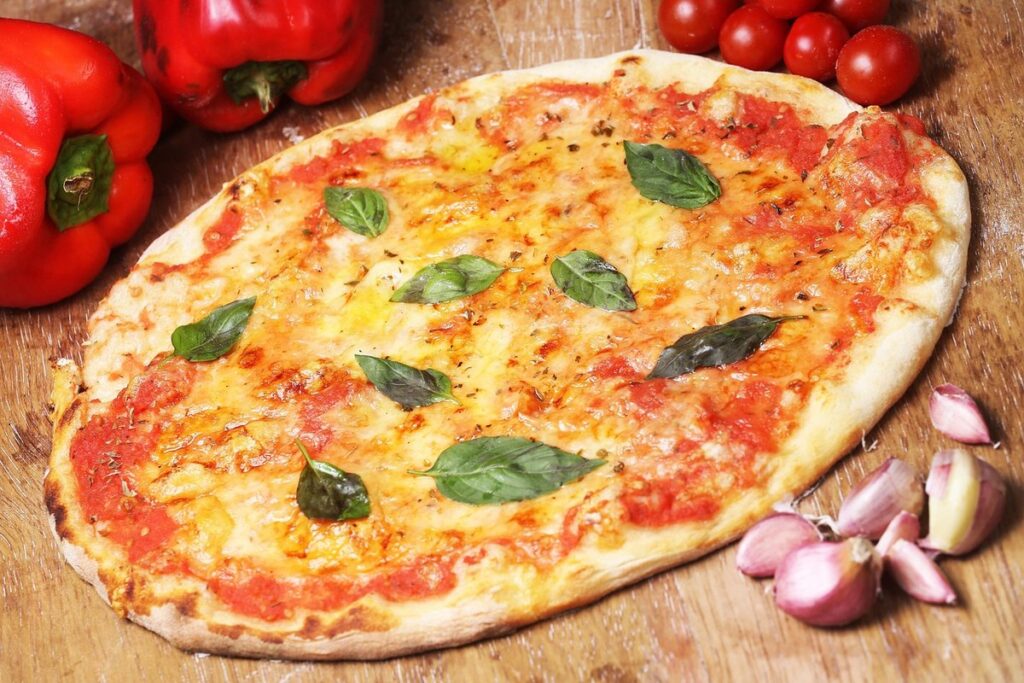
This is reflected in the way traditional dishes like pizza margherita and ragù alla napoletana are still made with love and care, using age-old techniques and high-quality ingredients that reflect the region’s rich agricultural heritage. The art of Neapolitan cuisine is not just about cooking; it’s about preserving history, celebrating community, and sharing a part of oneself with others.
In conclusion, experiencing Neapolitan cuisine culture is not just about savoring delicious flavors; it’s about immersing yourself in the stories, traditions, and emotions that have shaped this beloved culinary tradition.
Frequently Asked Questions
How Can I Incorporate Neapolitan Cuisine into My Own Cooking?
Incorporating Neapolitan cuisine into your cooking is easier than you think. Start by exploring local markets or specialty stores for authentic ingredients like San Marzano tomatoes and buffalo mozzarella. Experiment with traditional recipes, substituting ingredients to suit your taste preferences. Don’t be afraid to innovate and create your own modern twists on classic dishes.
Can I Use Non-Traditional Methods to Preserve Neapolitan Cuisine Heritage?
Yes. While traditional methods are essential for preserving cultural heritage, there’s no one-size-fits-all approach. Consider collaborating with local chefs, artisans, or food preservationists to develop innovative techniques that balance tradition with modern needs and constraints. This might involve experimenting with new preservation methods, sourcing sustainable ingredients, or creating educational programs.
How Do I Choose Between Traditional and Modern Neapolitan Dishes for a Special Occasion?
When deciding between traditional and modern Neapolitan dishes, consider the occasion’s tone and your guests’ preferences. For formal events, classic pasta dishes like spaghetti carbonara or fettuccine alla nonna are timeless choices. However, for more casual gatherings, modern twists on tradition can offer a fresh take.
Is It Possible to Adapt Neapolitan Cuisine for Vegetarian or Vegan Diets?
Yes. Traditional Neapolitan cuisine often features meat as the centerpiece, but many classic dishes can be adapted to suit vegetarian and vegan diets. Consider substituting animal proteins with plant-based alternatives or using vegetable-rich ragùs in place of meat-based sauces. Be creative and explore the many ways you can reimagine traditional recipes.
Can I Learn Neapolitan Cooking Techniques from Online Resources?
While online resources can provide a solid foundation, there’s no substitute for hands-on experience when it comes to mastering Neapolitan cooking techniques. Consider attending cooking classes or workshops where you can learn directly from experienced chefs and artisans. This will not only improve your skills but also allow you to ask questions and gain practical insights.