Korean cuisine has long been a source of fascination for food enthusiasts, with its bold flavors, intricate preparation methods, and rich cultural significance. At the heart of traditional Korean cooking lies a deep understanding of the country’s history, from the royal court dishes that once defined the culinary landscape to the modern fusion innovations that are redefining it today. You may be surprised to learn just how deeply intertwined food is with Korean culture, with even the simplest meals carrying significant symbolic and spiritual weight. This article will take you on a journey through the rich history and cultural significance of traditional Korean cuisine, exploring the key dishes, ingredients, and techniques that have made Korean cooking so beloved around the world, and what modern chefs are doing to innovate while staying true to tradition, ultimately allowing you to cook authentic Korean meals at home.
The Origins and History of Korean Cuisine
Korean cuisine has a rich history dating back thousands of years, shaped by its geography, climate, and cultural influences. From ancient Goguryeo to modern-day Seoul, let’s explore how this fascinating cuisine came to be.
Early Influences from China and Japan
Korean cuisine’s early influences from China and Japan played a significant role in shaping its unique flavor profile. Buddhism and Confucianism, introduced to Korea from these neighboring countries, also had a lasting impact on Korean culture and food traditions. During the Three Kingdoms period (57 BC – 668 AD), Chinese Buddhism spread throughout Korea, bringing with it new ingredients, cooking techniques, and philosophical ideas about the importance of balance in life.
Chinese influence can be seen in Korean dishes such as juk (rice porridge) and naengmyeon (cold noodles). The introduction of Confucianism also led to a greater emphasis on etiquette and respect for elders at mealtimes. From Japan, Korea adopted new cooking techniques, such as grilling and steaming, which are still used today in Korean cuisine.
The interaction between Korean, Chinese, and Japanese cultures during this period resulted in the blending of flavors and ideas. This cultural exchange had a lasting impact on Korean cuisine, making it what it is today – a unique fusion of East Asian traditions and flavors. By understanding these early influences, we can appreciate the depth and richness of Korean culinary heritage.
Korean Royal Court Cuisine
During the Joseon Dynasty, a unique and refined culinary tradition developed within the royal court. This cuisine, known as “insam,” emphasized delicate presentation, subtle flavors, and an emphasis on texture and aroma. Chefs would often prepare intricate dishes using expensive ingredients such as abalone, shark fin, and ginseng.
One notable example of insam is the dish “songji,” a sweet and savory soup made with ginseng, abalone, and other luxurious ingredients. This type of cuisine was typically served during special occasions like weddings and coronations, where the elaborate presentation and flavors were meant to reflect the majesty and prestige of the royal family.
The kitchen staff in the palace would often use advanced techniques such as steaming and stewing to prepare dishes that showcased the natural flavors of ingredients. The emphasis on freshness and seasonality was also a hallmark of insam cuisine, with chefs carefully selecting ingredients based on their peak ripeness and flavor profiles.
Essential Ingredients and Flavors in Korean Cooking
Korean cooking relies on a distinctive combination of ingredients, including soy sauce, garlic, ginger, and gochujang, which add depth and heat to dishes. Let’s take a closer look at these essential flavors and ingredients.
Understanding the Role of Gochujang and Doenjang
Gochujang and doenjang are two essential condiments in Korean cuisine, each with its unique flavor profile and texture. Gochujang is a sweet and spicy chili paste made from fermented soybeans, rice, and red pepper flakes. It adds depth and heat to various dishes, such as marinades for meats, sauces for noodles, and soups like kimchi stew. Doenjang, on the other hand, is a fermented soybean paste with a nutty, umami flavor. It’s often used in combination with garlic and sesame oil to make a sauce for stir-fries or braises.
Both gochujang and doenjang have regional variations that reflect local tastes and preferences. For example, some gochujang brands are sweeter than others, while doenjang from different provinces can have distinct flavor profiles. When shopping for these condiments, look for high-quality products made with minimal ingredients and no added preservatives.
In Korean cooking, gochujang and doenjang serve as the foundation for many sauces and marinades. They’re also used to add depth to soups and stews. To get started with using these condiments, try making a simple sauce by mixing gochujang with soy sauce, garlic, and sugar. Experiment with different ratios of gochujang to doenjang to find the balance that works best for you.
Exploring Korean Staples: Rice, Noodles, and Vegetables
Rice is a staple grain in Korean cuisine, often served with nearly every meal. It’s typically short-grain rice, which is stickier and clingier than long-grain varieties. This type of rice is ideal for dishes like bibimbap, where the rice is topped with an assortment of vegetables and a fried egg.
Noodles also play a significant role in Korean cooking. Naengmyeon, or cold buckwheat noodles, are a popular summer dish made with thin, chewy noodles served in a spicy sauce. Other types of noodles, such as Japchae’s sweet potato starch noodles, add texture and variety to Korean dishes.
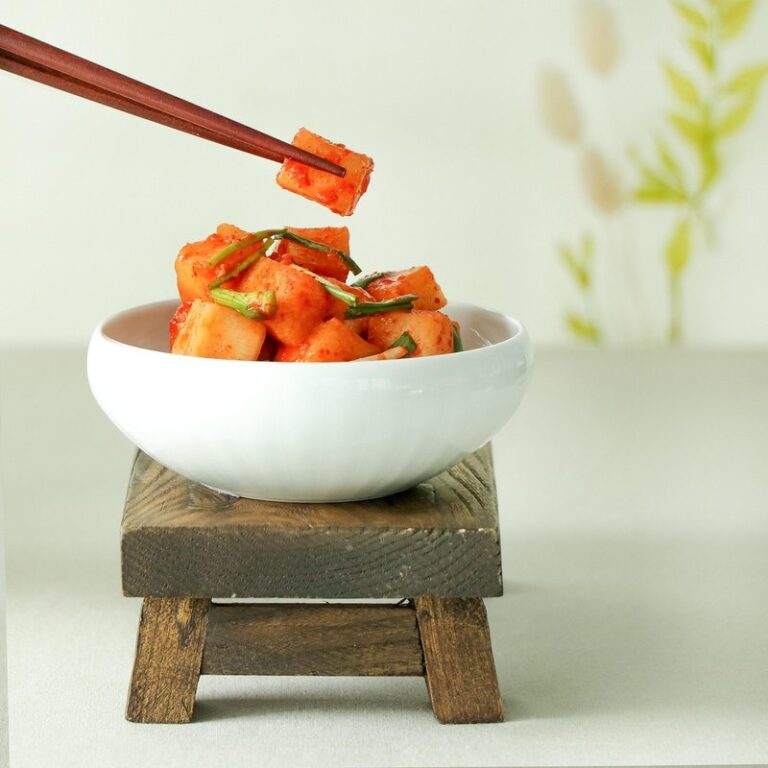
Vegetables like kimchi, made from fermented cabbage or radishes, bring bold flavors to the table. Kimchi is often served alongside other dishes to add depth and umami flavor. Leafy greens like spinach and bean sprouts are also commonly used in stir-fries and soups.
In fact, vegetables are so important that Korean cuisine has a saying: “Bokbap” (rice) and “Chae” (vegetables) should be eaten together to create a balanced meal. This highlights the significance of including both grains and vegetables in every meal.
Traditional Korean Dishes and Their Significance
One of the most fascinating aspects of Korean cuisine is its rich cultural heritage, where traditional dishes play a significant role in family gatherings and celebrations. In this section, we’ll explore some iconic Korean classics that embody the country’s culinary traditions.
Introduction to Popular Dishes Like Bibimbap and Japchae
Bibimbap and Japchae are two of Korea’s most beloved dishes, offering a glimpse into the country’s culinary traditions. Bibimbap, which translates to “mixed rice,” is a signature Korean dish consisting of an assortment of vegetables, meat (usually beef), and a fried egg, all served over a bed of warm white rice. The name itself implies the act of mixing various ingredients together, symbolizing the harmony and balance that Koreans strive for in their cuisine.
Japchae, on the other hand, is a stir-fried noodle dish made from sweet potato starch noodles, typically paired with vegetables such as spinach, carrots, and sometimes meat. The name Japchae literally means “stir-fried glass noodles,” referring to the transparent appearance of the noodles after cooking.
Both dishes are deeply rooted in Korean culture, reflecting the country’s emphasis on balance and harmony. Bibimbap is often served during special occasions and meals with family or friends, while Japchae is commonly enjoyed as a comfort food or side dish. To experience these iconic dishes like locals do, try visiting traditional Korean restaurants or attempting to make them at home using readily available ingredients and simple cooking techniques. By doing so, you’ll gain a deeper appreciation for the rich culinary heritage of Korea.
The Importance of Seasonal Ingredients in Korean Cuisine
Seasonal ingredients play a vital role in Korean cuisine, with traditional dishes often featuring ingredients that are harvested at specific times of the year. For instance, samgyetang, a ginseng chicken soup, is typically made during the summer months when fresh ginseng is readily available. This emphasis on seasonal ingredients not only adds depth and complexity to Korean dishes but also reflects the country’s rich cultural heritage.
Korean chefs often incorporate locally sourced ingredients into their recipes, which can vary depending on the region and time of year. For example, Jeonju’s Bibimbap typically features seasonal vegetables such as zucchini, carrots, and bean sprouts. By using fresh, seasonal ingredients, Korean cooks are able to showcase the unique flavors and textures that each ingredient provides.
When cooking with seasonal ingredients, it’s essential to consider the balance of flavors in a dish. For instance, the rich flavor of ginseng in samgyetang is balanced by the lightness of chicken broth. By incorporating seasonal ingredients into your own Korean-inspired recipes, you can create dishes that are both flavorful and authentic. To get started, try experimenting with local farmers’ markets or specialty grocery stores to find fresh, seasonal ingredients to add to your cooking repertoire.
Cultural Significance of Mealtimes in Korea
Mealtimes in Korean culture are steeped in tradition and ritual, playing a vital role in family bonding and community connection. Let’s explore how mealtimes shape daily life in Korea.
Understanding the Concept of Jeong and Sharing Food with Others
Mealtimes in Korea are not just about sustenance; they’re a chance to deepen relationships and foster community. At the heart of these gatherings is the concept of jeong, which roughly translates to “warm feelings” or “affection.” Jeong is built through shared experiences, particularly around food. When you share a meal with others in Korea, it’s not just about consuming calories; it’s about creating memories and strengthening bonds.
To cultivate jeong while sharing meals, focus on the experience rather than just the food. Encourage conversation by asking open-ended questions or sharing personal anecdotes related to the dishes being served. In Korean culture, mealtimes are often a time for storytelling and laughter. For example, when enjoying a traditional Korean meal like bibimbap, take the time to explain the significance of each component and how it’s prepared.
In Korea, it’s customary to serve meals communally, with everyone sharing dishes from a central platter. This setup encourages interaction and allows guests to try various flavors and textures. By embracing this communal aspect of Korean mealtimes, you can foster a deeper sense of connection with others while enjoying the rich flavors of Korean cuisine.
The Role of Food in Korean Holidays and Celebrations
Food plays a central role in various Korean holidays and celebrations. Two significant occasions where food is deeply ingrained are Seollal (Lunar New Year) and Chuseok (Harvest Festival). During these periods, traditional dishes like Jeongol (stone pot stew), Jeyuk bokkeum (stir-fried pork), and Tteokguk (rice cake soup) are prepared to share with family members.
In Seollal, a traditional Korean table setting includes the “bungeo-ppang” dish, which is a fish-shaped pastry filled with sweet red bean paste. This sweet treat symbolizes good luck for the new year. Similarly, during Chuseok, families gather around the table to share food made from seasonal ingredients like songpyeon (half-moon shaped rice cakes) and makgeolli (traditional Korean rice wine).
These dishes not only showcase Korean culinary traditions but also serve as a way to honor ancestors and foster family bonds. The act of sharing meals during these holidays is deeply rooted in the concept of “jeong,” or affection, which emphasizes the importance of food as a symbol of love and respect for one another.
Modern Korean Cuisine and Its Global Influence
Modern Korean cuisine has undergone a significant transformation, blending traditional flavors with international ingredients and cooking techniques. You’ll discover how these innovative dishes are winning over foodies worldwide.
Fusion Cuisine and Innovative Korean Restaurants Abroad
Korean cuisine has been making waves globally, with modern fusion dishes and innovative restaurants leading the charge. One notable example is Korean-Mexican fusion, where spicy gochujang sauce meets traditional taco flavors. Restaurants like Seoul Sausage Company in Los Angeles offer creative twists on Korean-style BBQ tacos, while others blend Korean chili flakes with Peruvian aji amarillo peppers.
Another trend is the rise of modern Korean restaurants abroad that incorporate international influences without sacrificing authenticity. For instance, London’s Songyuk offers a contemporary take on traditional Korean dishes like bibimbap and bulgogi, using seasonal British ingredients to add depth and nuance. Similarly, New York City’s Jungsik presents a refined, molecular-gastronomy-inspired spin on classic Korean flavors.
To experience the best of modern Korean cuisine abroad, look for restaurants that balance innovation with respect for tradition. Some key indicators include chefs who have trained in Korea or have worked under renowned Korean chefs, menus that incorporate authentic Korean ingredients and techniques, and an atmosphere that reflects Korean culture and aesthetics. By supporting these innovative eateries, you can enjoy the full flavor of modern Korean cuisine while exploring its global influence.
The Impact of Korean Food on Global Cuisine
Korean cuisine’s influence on global food trends is a significant development in recent years. The spread of Korean flavors and techniques has been driven by the popularity of international restaurants, food trucks, and social media platforms showcasing Korean dishes. One notable example is the rise of kimchi fried rice, a fusion dish that combines spicy kimchi with Chinese-style stir-fried rice.
This adaptation of traditional Korean ingredients into a globalized format reflects a broader trend in which Korean cuisine has been incorporated into international culinary scenes. The influence can also be seen in the increased availability of gochujang and other Korean chili pastes in supermarkets worldwide, as well as the growing number of restaurants offering Korean-style barbecue and bibimbap.
Incorporating these elements into one’s own cooking or ordering at a restaurant requires an understanding of the fundamental flavors and techniques that underpin Korean cuisine. By experimenting with ingredients like gochujang, soy sauce, garlic, and ginger, individuals can create authentic-tasting dishes without requiring extensive experience in traditional Korean cooking methods.
Frequently Asked Questions
Can I start incorporating Korean ingredients and flavors into my existing cooking routine without feeling overwhelmed?
Yes, it’s possible to gradually introduce Korean cuisine into your cooking repertoire. Start by experimenting with one or two key ingredients, such as gochujang or doenjang, in familiar dishes like stir-fries or soups. As you become more comfortable, explore traditional Korean recipes and flavors.
How can I balance the bold flavors of Korean chili paste (gochujang) when cooking for a crowd with varied taste preferences?
When working with strong ingredients like gochujang, it’s best to introduce them gradually, allowing each person to adjust the heat level to their liking. Consider offering separate sauces or condiments for diners to customize their dishes.
What are some essential Korean pantry staples that I should stock up on to make authentic Korean dishes at home?
Stock your pantry with a good quality gochujang, doenjang, Gochugaru (Korean chili flakes), and sesame oil. Additionally, keep a supply of rice, noodles, and an assortment of Korean vegetables like kimchi cucumbers and bok choy on hand.
Can I make traditional Korean dishes without access to a Korean market or specialty store?
While having access to Korean markets can be convenient, it’s not necessary for making authentic Korean dishes. Many ingredients, such as gochujang and doenjang, are now widely available in international sections of supermarkets or online.
How do I know if I’m using the right type of rice for traditional Korean dishes like bibimbap?
For most Korean recipes, including bibimbap, use short-grain white rice. This type of rice holds its shape well when cooked and provides a necessary texture contrast to other ingredients in the dish.