
Traditional Chinese customs and practices are an integral part of China’s rich cultural heritage, shaping the country’s identity and influencing its relationships with other nations. For centuries, these customs have been passed down through generations, reflecting the values and traditions of Chinese society. However, in recent years, the preservation of traditional Chinese has become increasingly important due to globalization and urbanization. As people from different cultures interact more frequently, it is essential to understand and appreciate the significance of China’s unique customs, practices, and arts. This article will explore the importance of preserving traditional Chinese, examining its role in cross-cultural understanding and identity preservation. By the end of this piece, you’ll have a deeper appreciation for the cultural heritage of China and understand why preserving it is crucial for building bridges between different cultures.
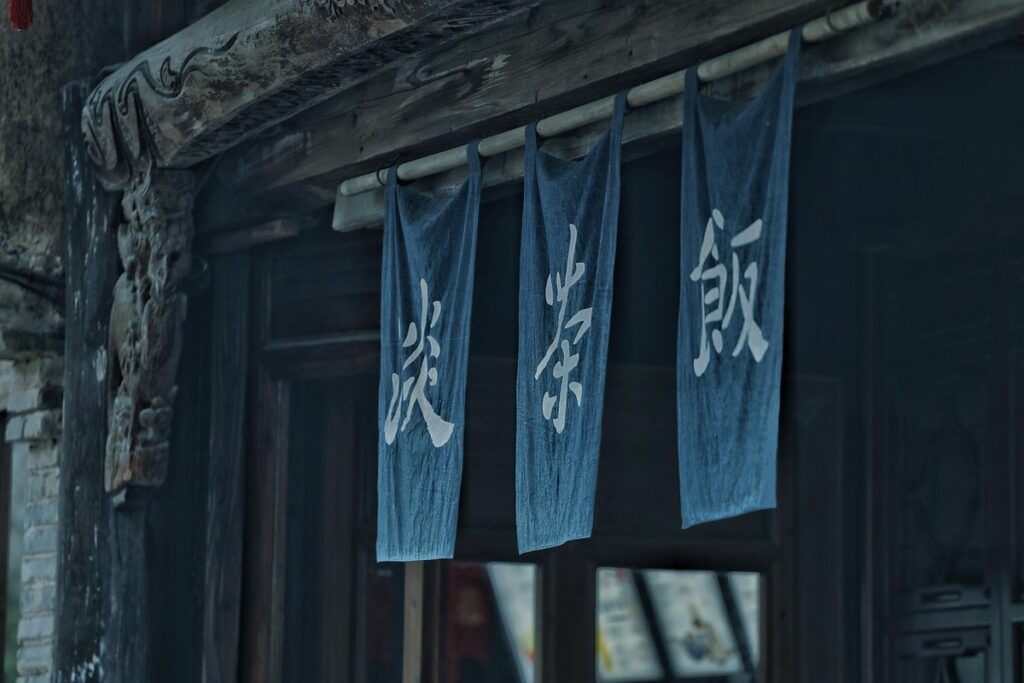
Understanding the Significance of Traditional Chinese Culture
Traditional Chinese culture is a treasure trove of history, customs, and practices that have shaped the country’s identity. Let’s take a closer look at what makes these traditions so significant in modern-day China.
The Evolution of Chinese Traditions
Traditional Chinese culture has undergone significant transformations throughout history, shaped by various philosophical and spiritual influences. Confucianism, which emphasizes moral values and social hierarchy, played a crucial role in shaping traditional Chinese customs. The teachings of Confucius, such as the importance of respect for elders and authority, continue to influence family dynamics and social interactions.
Taoist principles, on the other hand, have contributed to China’s rich spiritual heritage. The concept of Tao, or the ultimate reality, has been a driving force behind Chinese thought and philosophy. This emphasis on balance and harmony with nature is reflected in traditional Chinese art forms, such as calligraphy and painting.
Buddhism, introduced from India in the 1st century CE, also had a profound impact on Chinese culture. Buddhist ideas about karma and reincarnation influenced Chinese views on morality and spirituality. The blending of these philosophies has resulted in a unique cultural synthesis that is distinctively Chinese.
This evolution of traditional Chinese culture can be seen in various aspects of daily life, from rituals and ceremonies to art forms and literature. Understanding the influences behind these customs can provide valuable insight into China’s rich cultural heritage.
Importance of Cultural Preservation
Preserving traditional Chinese customs is crucial for maintaining cultural identity and promoting cross-cultural understanding. Cultural preservation ensures that future generations can learn from and appreciate their heritage. When cultural traditions are lost, a people’s sense of identity and connection to their ancestors erodes.
The loss of cultural knowledge and practices also has practical implications. For instance, the decline of traditional medicine in China has led to a shortage of practitioners and a reliance on Western medical systems. Preserving traditional Chinese customs helps ensure that valuable knowledge is not lost forever.
In addition to preserving cultural identity, cultural preservation promotes cross-cultural understanding. When people from different cultures engage with each other’s traditions, it fosters empathy and appreciation for the complexities of human experience. This exchange can also lead to innovative solutions and new perspectives, as seen in the fusion of traditional Chinese medicine with modern Western techniques.
To support cultural preservation efforts, individuals can participate in local festivals and events that celebrate traditional customs. They can also learn about and adopt practices such as calligraphy or paper cutting, which not only preserve cultural knowledge but also provide a creative outlet for self-expression.
A Brief History of Traditional Chinese Customs
As we delve into China’s rich cultural heritage, let’s take a step back and explore the fascinating history behind traditional customs that have been passed down through generations. From ancestral worship to tea ceremonies, these timeless traditions are steeped in symbolism and meaning.
Origins of Ancient Rituals
Ancient Chinese rituals, such as ancestor worship and Qigong practice, have their roots in the country’s rich spiritual heritage. These practices were deeply intertwined with the concept of Tian, or the natural world, which was believed to be a holistic system where all living things were connected.
Ancestor worship, for instance, was a way for ancient Chinese people to honor their ancestors and maintain social order. They believed that the spirits of their ancestors lived on in the afterlife, watching over them and guiding their actions. By performing rituals and offering sacrifices, they sought to appease these spirits and ensure the well-being of their families.
Qigong practice, which involves slow movements and deep breathing exercises, was also deeply rooted in Chinese spiritual traditions. It was believed to cultivate life energy, or Qi, which flowed through the body and connected it to the natural world. Practitioners would often perform Qigong exercises in harmony with nature, such as at dawn or dusk, to align themselves with the rhythms of the universe.
These ancient rituals continue to influence Chinese culture today, with many people still practicing ancestor worship and Qigong as a way to connect with their heritage and maintain balance in their lives.
The Role of Festivals in Chinese Culture
Festivals play a vital role in Chinese culture, serving as an integral part of its rich heritage. Two significant festivals, the Lunar New Year (Spring Festival) and Dragon Boat Festival, have been celebrated for centuries, each with unique traditions and cultural significance.
The Lunar New Year, also known as Spring Festival, marks the beginning of spring and is typically celebrated over a 15-day period. It’s a time for family reunions, traditional foods, and festivities. According to Chinese tradition, it’s essential to clean and decorate homes, give red envelopes with money to children, and wear new clothes to symbolize renewal.
The Dragon Boat Festival, held on the fifth day of the fifth lunar month, commemorates the legendary poet Qu Yuan. The festival features dragon boat racing, traditional foods such as zongzi (glutinous rice dumplings), and lion dances. These festivals not only entertain but also serve as a means to honor ancestors and pass down cultural traditions.
Understanding the history and significance of these festivals allows us to appreciate their importance in Chinese culture. By participating in or observing these celebrations, we can gain insight into China’s rich heritage and the values that underlie its customs.
Traditional Chinese Arts and Crafts
Traditional Chinese arts and crafts are a vital part of China’s rich cultural heritage, showcasing exquisite skills passed down through generations. From intricate wood carvings to delicate silk embroidery, these timeless creations still mesmerize visitors today.
Calligraphy: An Ancient Art Form
Calligraphy has been an integral part of traditional Chinese culture for thousands of years. This ancient art form is deeply rooted in China’s rich history and has played a significant role in the country’s cultural development. The techniques used in calligraphy are based on the principles of balance, harmony, and elegance.
To master the art of calligraphy, one must learn to hold the brush correctly and understand the proper strokes for each character. Calligraphers use various tools, including brushes made from animal hair or plant fibers, to create intricate and beautiful works of art. The most common styles of Chinese calligraphy include Kaisho, Gyosho, and Rei-syo.
The importance of calligraphy in traditional Chinese culture cannot be overstated. It is not only a form of artistic expression but also a means of conveying meaning and significance. In ancient China, calligraphy was used to record important documents, such as the classics and historical records, which were considered sacred texts. Today, calligraphy continues to be an essential part of traditional Chinese ceremonies and rituals.
Paper Cutting and Embroidery: Traditional Crafts
Paper cutting and embroidery have been revered traditional crafts in China for centuries. These ancient art forms have not only provided a means of creative expression but also served as a reflection of Chinese culture’s rich heritage. Paper cutting, known as “jianshi” in Mandarin, is an intricate process that involves cutting delicate designs into paper to create stunning artworks. The art form originated during the Song dynasty (960-1279 AD) and has since evolved over time, with various regional styles emerging.
In contrast, embroidery, or “xùzhī” in Chinese, has been a cherished craft for centuries. Intricately stitched patterns on silk fabric have adorned imperial robes and palace furnishings. The art of embroidery has also become an essential part of traditional Chinese clothing, particularly wedding attire. Modern applications of these crafts include decorative motifs on home textiles, gift items, and even architectural designs.
Today, paper cutting and embroidery continue to captivate artists and enthusiasts worldwide. They serve as a testament to China’s rich cultural heritage and offer an opportunity for cross-cultural exchange. Whether used in traditional or modern contexts, these timeless crafts demonstrate the beauty of Chinese artistry and the importance of preserving cultural traditions for future generations.
The Role of Food in Traditional Chinese Culture
Food plays a central role in traditional Chinese culture, serving as more than just sustenance but also a symbol of hospitality and respect. A single dish can evoke emotions and memories that transcend mere taste.
Symbolism and Significance of Chinese Cuisine
Traditional Chinese cuisine is more than just a collection of flavors and dishes; it’s steeped in cultural symbolism and historical significance. Take dim sum, for example: these small plates of food originated as a way to fuel workers during the busy tea trade era in southern China. The diversity of options and sharing aspect reflect the importance of community and social bonding in Chinese culture.
Peking duck is another iconic dish with rich symbolism. Its origin dates back to the imperial court of Beijing, where it was served as a special treat for royalty and dignitaries. The intricate preparation process, which involves scoring the skin and roasting the duck to perfection, is a testament to the attention to detail and respect for tradition that defines Chinese cuisine.
Understanding the cultural context behind these dishes can enhance your appreciation and enjoyment of them. When trying traditional Chinese food, consider the historical and social significance behind each dish. For instance, steamed buns often symbolize good luck and prosperity in Chinese culture. By acknowledging these symbolic meanings, you can deepen your connection with the people and traditions that created this rich culinary heritage.
Festive Foods and Drinks
During Chinese festivals and celebrations, traditional foods and drinks play a significant role in reinforcing cultural bonds. One of the most iconic festive foods is niangao, a sweet glutinous rice cake served during the Lunar New Year. Its name, which translates to “year-after-year,” symbolizes the hope for continued success and progress.
Another essential ingredient in Chinese festive cuisine is dumplings, typically consumed during the Dragon Boat Festival. These steamed or pan-fried pockets of dough are filled with meat or vegetables and represent a family’s unity and togetherness. In some regions, it’s customary to eat dumplings while facing a mirror, believed to reflect on past mistakes and learn from them.
Festive foods often feature seasonal ingredients and are prepared using traditional cooking methods passed down through generations. For example, the Winter Solstice is marked with a dish called zongzi, glutinous rice wrapped in bamboo leaves and filled with pork, chicken, or vegetables. This food symbolizes family reunions and is typically served during special occasions.
In addition to these specific dishes, festive foods often serve as an opportunity for social bonding and community building.
Traditional Chinese Clothing and Accessories
Traditional Chinese clothing is not just a fashion statement, but also a reflection of the country’s rich cultural heritage and history. From intricate embroidery to ornate headdresses, each garment tells a unique story about China’s customs and traditions.
The Evolution of Hanfu
Hanfu has undergone significant transformations since its inception over 3,000 years ago. Its evolution can be attributed to various dynasties and cultural influences that have shaped it into the diverse styles we see today. During the Shang Dynasty (16th-11th centuries BCE), Hanfu was characterized by a simple yet elegant design, often depicted in ancient artifacts and pottery.
The Zhou Dynasty (11th century-256 BCE) saw the introduction of more intricate patterns and motifs, reflecting the increasing complexity of Chinese society. The Han Dynasty (206 BCE-220 CE) is notable for its widespread adoption of silk fabrics, which revolutionized Hanfu’s texture and appearance. This period also saw the emergence of distinct regional styles, such as the Northern and Southern Hanfu.
In modern times, Hanfu has experienced a revival of sorts, with designers incorporating traditional elements into contemporary fashion. This fusion of past and present is evident in the use of digital printing techniques to recreate ancient patterns on modern fabrics. For those interested in exploring Hanfu’s evolution firsthand, consider visiting museums or cultural exhibitions that showcase historical artifacts and contemporary adaptations.
Symbolism in Traditional Chinese Accessories
In traditional Chinese culture, accessories are often imbued with symbolic meaning, reflecting the wearer’s status, occupation, or spiritual affiliation. Jade jewelry, for instance, is a classic example of this symbolism. In ancient China, jade was considered a sacred stone, associated with good fortune and longevity. Wearing jade jewelry signified the owner’s wealth and social standing.
Fans were another essential accessory in traditional Chinese attire. Not only did they serve as a practical means to cool oneself in hot weather, but they also conveyed a message about one’s personality or occupation. For example, fans adorned with phoenixes represented good fortune, while those featuring plum blossoms symbolized loyalty.
Hats and headpieces were equally significant, often signifying the wearer’s social status or occupation. The traditional Chinese hat, known as a “mingtang,” was worn by officials and scholars to signify their authority and learning. Conversely, the “zhao” hat, characterized by its pointed crown, was worn by women to denote their marital status.
By understanding these symbolic meanings, you can appreciate the rich cultural heritage behind these traditional Chinese accessories.
Modern Revival of Traditional Chinese Customs
As we delve into China’s rich cultural heritage, let’s take a closer look at how traditional customs are being reimagined in modern times. From ancient rituals to contemporary interpretations.
Efforts in Cultural Preservation
In recent years, numerous initiatives have emerged to preserve and promote traditional Chinese customs. The government has launched various programs aimed at revitalizing ancient festivals, such as the Qingming Festival and the Dragon Boat Festival. These events are now being celebrated with renewed enthusiasm, featuring elaborate rituals and performances that showcase China’s rich cultural heritage.
Cultural institutions and organizations are also playing a crucial role in preserving traditional arts and crafts. Many museums and galleries have established dedicated exhibitions and workshops focused on calligraphy, paper cutting, and embroidery. These efforts not only help to conserve these ancient art forms but also provide opportunities for people to learn and appreciate them.
Additionally, cultural events such as the Chinese Opera Festival and the Silk Road Cultural Festival are being organized to promote traditional Chinese music, dance, and theater. These festivals bring together artists from around the world, showcasing China’s rich cultural diversity and promoting cross-cultural exchange. By supporting these initiatives, locals and tourists alike can help preserve and promote China’s unique cultural traditions for future generations.
Challenges and Opportunities for Cultural Revitalization
Efforts to revive traditional Chinese culture face significant challenges. One major obstacle is the homogenization of cultural identity through globalization and urbanization, where younger generations increasingly adopt Western customs and values over traditional practices. This shift can lead to a decline in interest and participation in heritage activities.
Another challenge lies in balancing preservation with relevance. Modernizing traditional customs without sacrificing their essence can be a delicate task. For instance, the recent revival of Hanfu, China’s traditional clothing, has sparked debate about its fusion with contemporary styles versus adherence to historical accuracy.
Despite these challenges, opportunities for revitalization exist. The rise of social media has enabled cultural preservationists to reach wider audiences and showcase the beauty and significance of traditional Chinese customs. Collaborations between government agencies, educational institutions, and community organizations have also led to innovative programs promoting cultural exchange and education.
To effectively revitalize traditional Chinese culture, stakeholders must prioritize grassroots involvement and inclusive participation. By engaging local communities in cultural revitalization efforts, we can create a more sustainable and relevant practice that honors China’s rich heritage while embracing its diverse present.
Conclusion: Preserving Tradition for a Global Audience
As we conclude our journey through China’s rich cultural heritage, let’s reflect on how to preserve these timeless customs and practices for a global audience. This final chapter offers practical insights on their continued relevance.
The Importance of Cross-Cultural Exchange
Cross-cultural exchange plays a vital role in preserving traditional Chinese culture for a global audience. As China’s cultural heritage continues to attract international attention, it is essential to recognize the value of embracing diversity while maintaining respect for cultural traditions.
In a world where globalization has led to increased cultural exchange, there is a unique opportunity for people from diverse backgrounds to come together and learn from one another. This exchange not only fosters greater understanding but also encourages cross-cultural appreciation. By engaging with traditional Chinese customs and practices, individuals can gain a deeper insight into the culture’s significance and relevance.
However, it is equally important to acknowledge that cultural preservation should not be reduced to mere appropriation or superficial adoption of certain customs. Rather, it requires a genuine effort to understand the historical context and significance of each tradition. This involves being mindful of one’s own biases and preconceptions, as well as being open to learning from others.
To facilitate meaningful cross-cultural exchange, consider the following: engage with local communities and cultural organizations that promote traditional Chinese customs; attend festivals and events that celebrate Chinese heritage; and participate in cultural workshops or classes that teach traditional practices. By taking these steps, you can develop a more nuanced understanding of China’s rich cultural heritage and contribute to its preservation for future generations.
Ultimately, cross-cultural exchange is not a one-way process but rather a mutual exchange of ideas, values, and traditions. By embracing this exchange, we can create a more inclusive and culturally sensitive environment where traditional Chinese customs and practices are valued and respected alongside other cultures.
Frequently Asked Questions
Can I incorporate traditional Chinese customs into modern events or celebrations?
Yes, incorporating elements of traditional Chinese culture can enrich and diversify your events, fostering cross-cultural understanding. Consider blending ancient practices with modern sensibilities to create unique experiences that honor heritage while embracing diversity.
How do I balance cultural preservation with creative adaptation in traditional Chinese arts and crafts?
To strike a balance between preserving traditional techniques and adapting them for modern audiences, focus on understanding the historical context and significance of each craft. This will enable you to make informed decisions about what elements to adapt or innovate, ensuring that your creations remain respectful while being accessible.
What if I’m not Chinese: Can I participate in, learn from, or help preserve traditional Chinese customs?
Yes, cross-cultural exchange is a key aspect of preserving cultural heritage. Your interest and participation can contribute significantly to the preservation and revitalization of traditional Chinese customs. Seek out opportunities to learn from Chinese communities, respect their traditions, and engage with initiatives promoting cultural preservation.
How do I introduce traditional Chinese clothing or accessories into my wardrobe while being mindful of cultural appropriation?
To avoid cultural appropriation when introducing elements of traditional Chinese attire or accessories into your wardrobe, prioritize education over acquisition. Learn about the historical significance and cultural context behind each item, ensuring you understand its original purpose and meaning. This approach will guide your choices and help you respect the heritage associated with these items.
Can I apply the principles of traditional Chinese customs to non-Chinese contexts or festivals?
Yes, certain aspects of traditional Chinese culture, such as the emphasis on family, respect for ancestors, and celebration of seasonal changes, can be universally appreciated. When adapting traditional customs for non-Chinese contexts, focus on their underlying values and themes that transcend cultural boundaries, allowing for meaningful cross-cultural exchange and understanding.

