Cultural festivals have long been a cornerstone of community identity, bringing people together in celebration of shared heritage. From traditional music and dance to vibrant street art and delicious local cuisine, these events showcase the unique character of each region while fostering connection among attendees. But cultural festivals are not just about having fun – they also play a significant role in driving economic growth and preserving traditional practices for future generations. As the world becomes increasingly interconnected, festivals face new challenges, from navigating modernization and technology to balancing commercialism with cultural authenticity. This article will explore how cultural festivals bring communities together while adapting to changing circumstances, highlighting both the opportunities and obstacles that arise when tradition meets progress. By the end of this piece, you’ll have a deeper understanding of the impact cultural festivals can have on local economies and cultural heritage.
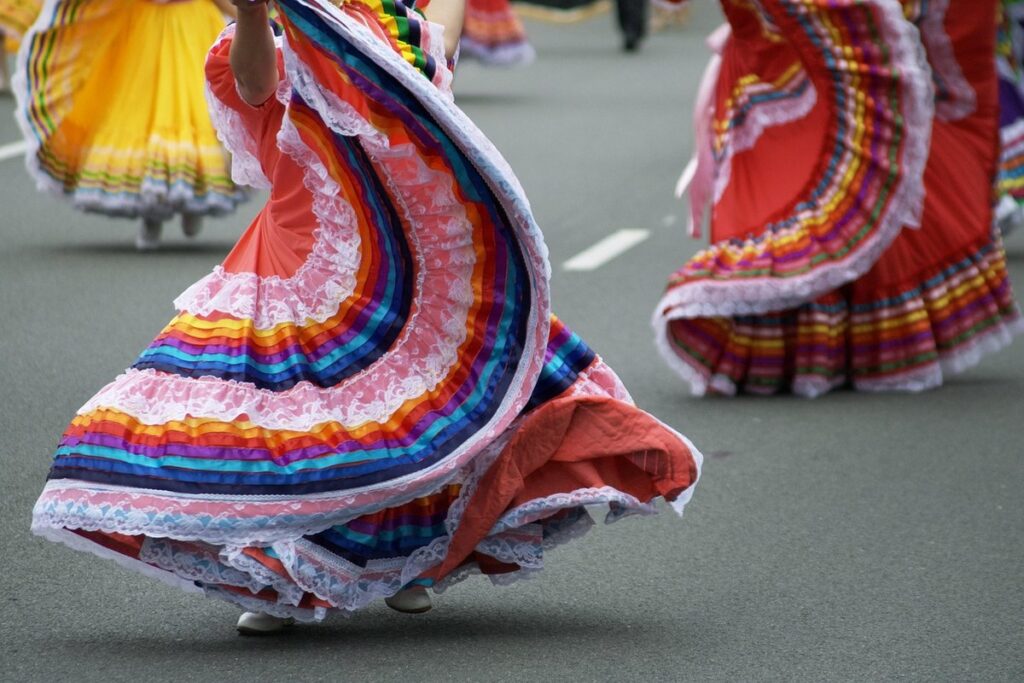
The History of Cultural Festivals
Cultural festivals have a rich and diverse history that spans centuries, with roots in ancient traditions and ceremonies. Let’s take a journey through time to explore their fascinating evolution.
Origins of Cultural Celebrations
The earliest recorded cultural festivals were deeply intertwined with the spiritual and social practices of ancient civilizations. In ancient Egypt, for example, the festival of Isis was celebrated to honor the goddess of motherhood and fertility. This festival involved elaborate processions, music, and offerings to ensure a successful harvest.
Similarly, in ancient Greece, the Festival of Dionysus was held to worship the god of wine, theater, and ecstasy. Participants would engage in wild rituals, including mask-making and performances that reenacted mythological stories. These early festivals often served as social bonding experiences, fostering community and cultural identity.
A key aspect of these ancient celebrations is their connection to the land and its bounty. Many festivals were tied to agricultural cycles, ensuring a successful harvest or commemorating important events like the changing of the seasons. For instance, the Mesopotamian festival of Akitu celebrated the spring equinox with rituals and offerings to ensure fertility and abundance.
Understanding these origins can provide valuable context for modern cultural festivals, highlighting their role in preserving heritage and promoting social cohesion. By examining the history behind these events, we can appreciate their enduring significance and impact on communities worldwide.
Evolution of Modern Cultural Festivals
Over time, cultural festivals have adapted to changing social values, technological advancements, and global connectivity. Many modern festivals now incorporate diverse traditions and influences, reflecting their surrounding communities’ identities. For instance, the annual Holi Festival in India has merged with Western-style music events, attracting a broader audience.
As people become increasingly urbanized and connected through digital platforms, cultural festivals have shifted from primarily traditional celebrations to more inclusive, experiential experiences. Events like Coachella and Tomorrowland showcase eclectic lineups and immersive art installations, blending electronic dance music (EDM) with visual arts. This evolution maintains the core values of community bonding and creative expression while appealing to newer generations.
Some festivals continue to honor their heritage by incorporating digital elements, such as augmented reality (AR) experiences or live-streamed performances. The aim is not only to preserve traditional practices but also to attract a wider audience and stay relevant in an ever-changing world. By embracing innovation and diversity, cultural festivals can maintain their significance while adapting to the needs of contemporary societies.
Examples of Traditional Cultural Festivals
Diwali, a Hindu festival of lights, is celebrated over five days in India and other parts of South Asia. The festival’s origins date back to ancient mythology, where it is believed to symbolize the triumph of light over darkness and good over evil. Each day has its unique rituals and traditions: the first day marks the beginning of the festival with a ritual known as Laxmi Puja; the second day is celebrated with brother-sister bonding through exchange of gifts and sweets; the third day commemorates the defeat of Narakasura, a demon king.
In contrast, Chinese New Year is a 15-day celebration that honors the beginning of the new lunar year. This festival has its roots in ancient China’s agricultural cycle, marking the end of winter and the start of spring. Rituals during Chinese New Year include family gatherings, traditional lion dances, and giving red envelopes filled with money to children as gifts. Carnaval, a festive celebration before Lent, is observed in many Latin American countries and parts of Europe. It features vibrant parades, music, and dance, often accompanied by colorful costumes and elaborate floats.
The Role of Cultural Festivals in Modern Society
Cultural festivals play a vital role in modern society, not only celebrating heritage but also fostering community engagement and social cohesion. They bring people together from all walks of life.
Economic Impact of Cultural Festivals
Hosting cultural festivals can have a significant economic impact on a community. One of the most direct benefits is job creation. Festivals require a large workforce to manage logistics, set up stages and stalls, and handle crowd control. These temporary jobs provide income for individuals who might otherwise be unemployed or underemployed during peak festival periods.
Tourism revenue is another key advantage of hosting cultural festivals. Festival-goers often stay in local hotels, dine at nearby restaurants, and shop at community markets. In fact, studies have shown that visitors to cultural festivals tend to spend more money than average tourists, as they are drawn to the unique experiences and authentic products on offer.
Local businesses also benefit from the increased foot traffic and media attention surrounding a festival. Many entrepreneurs take advantage of this exposure by offering special promotions or discounts during the event. By partnering with local vendors and promoting their services, festival organizers can stimulate economic growth and help to establish a sense of community pride and ownership.
Social Benefits: Community Building and Inclusivity
Cultural festivals provide a unique opportunity for community building and inclusivity. By celebrating diverse cultures and traditions, these events bring people together from all walks of life, fostering a sense of belonging and shared identity. The atmosphere at a cultural festival is often electric, with attendees freely mingling and engaging in activities that showcase the richness of different cultures.
One key way festivals promote cross-cultural understanding is by providing a platform for marginalized voices to be heard. Organizations like the Festival of Colors in India, which highlights the importance of women’s rights and education, offer a space for underrepresented groups to share their stories and experiences. Similarly, cultural festivals often feature food stalls serving traditional cuisine from various regions, allowing attendees to sample new flavors and learn about different culinary traditions.
By embracing diversity and promoting inclusivity, cultural festivals play a vital role in shaping more harmonious and accepting communities. Attendees can take this spirit of inclusivity back into their daily lives by attending community events, participating in cultural exchange programs, or simply engaging with people from different backgrounds in their neighborhood or workplace.
Challenges Faced by Cultural Festivals in Modern Times
In modern times, cultural festivals face numerous challenges that can impact their success and relevance. One of the primary concerns is funding. Many festivals struggle to secure sufficient financial support, which can lead to cost-cutting measures that compromise the quality of performances and activities. For instance, the 2020 Edinburgh Festival Fringe had to cancel many events due to a lack of funding.
Logistical issues are another significant challenge. Festivals must balance the need for accessibility with the constraints of venue capacity, transportation, and accommodation. The increasing demand for festivals has led to overcrowding, long queues, and safety concerns. For example, the Coachella Valley Music and Arts Festival in California has faced criticism for its environmental impact and treatment of staff.
Balancing traditional practices with modern values is also a delicate task. Festivals must navigate cultural sensitivities while incorporating contemporary themes and issues. This requires careful planning to ensure that all aspects of the festival, from performances to food vendors, are respectful and inclusive. For example, some festivals have incorporated sustainability initiatives, such as reducing waste and promoting eco-friendly practices.
Planning and Hosting a Successful Cultural Festival
Planning a cultural festival requires more than just entertainment, it also demands careful planning and coordination of logistics, vendors, and programming to create an immersive experience for attendees. Let’s examine how to successfully host such an event.
Conceptualizing a New Festival or Event
When conceptualizing a new cultural festival, it’s essential to consider several key factors. First, define a clear theme and purpose for the event. This could be tied to a specific culture or community, a historical milestone, or a contemporary issue. For example, a festival celebrating the heritage of a particular immigrant group might focus on traditional music, dance, and cuisine.
Next, establish a realistic budget and logistics plan. Determine how many attendees you aim to attract and what kind of infrastructure will be needed to accommodate them. This may involve securing funding from sponsors or grants, as well as coordinating with local authorities for permits and event spaces.
Another crucial consideration is your target audience. Who do you want to attract? Are they families, young adults, or seniors? Tailor the festival’s programming and marketing efforts accordingly. Consider offering activities and performances that cater to different age groups and interests. This might include workshops, interactive exhibits, or live music events. By carefully planning these elements, you can create a vibrant and inclusive cultural festival experience that resonates with your intended audience.
Venue Selection and Infrastructure Development
Selecting a suitable venue for a cultural festival is crucial to its success. The chosen location should be easily accessible by public transportation, and ideally within walking distance from major attractions and amenities. This consideration ensures that attendees can navigate the area without difficulty, reducing congestion and promoting a smooth experience.
The selected venue must also accommodate the festival’s size and scope. A large open space or a series of interconnected buildings is often required to house various activities, performances, and exhibitions. For example, the famous Coachella Valley Music and Arts Festival in California takes place on a 330-acre site that includes multiple stages, art installations, and food vendors.
Infrastructure development is another essential aspect of venue selection. Basic amenities such as restrooms, food stalls, and first aid services are necessary to cater to attendees’ needs. Additionally, the availability of power supply, water points, and storage facilities should be confirmed in advance to prevent any last-minute logistical issues. It’s also vital to ensure that the chosen location has a clear emergency evacuation plan in place.
Marketing Strategies for Cultural Festivals
To effectively market a cultural festival, you need to reach diverse audiences through targeted strategies. Social media platforms are ideal for this purpose, as they allow you to engage with specific demographics and interests. Create event pages on Facebook, Instagram, and Twitter, and utilize relevant hashtags to increase visibility.
Local partnerships are also crucial in marketing cultural festivals. Collaborate with nearby businesses, community centers, and schools to promote the event through their networks. Offer incentives, such as discounts or exclusive access, to encourage these partners to participate actively. For instance, a local bakery might offer traditional festival-themed treats at a discounted rate to attendees who show proof of purchasing tickets.
Targeted advertising is another key component of successful marketing. Utilize platforms like Google Ads and Facebook Ads to reach specific age groups, interests, and geographic locations. Be sure to clearly define your target audience before creating ads, as this will help you create content that resonates with them. By leveraging these strategies, you can effectively promote your cultural festival to diverse audiences and attract a wide range of attendees.
Cultural Festivals as a Tool for Preservation and Education
Cultural festivals play a vital role in preserving traditional practices, passing on history to younger generations, and fostering cultural exchange among communities. They offer unique opportunities for education and appreciation of diverse cultural heritages.
Preserving Cultural Heritage through Festivals
Cultural festivals play a vital role in preserving traditional practices, music, dance, and art forms for future generations. These events provide a platform where communities can showcase their unique heritage, ensuring its continuation through intergenerational transmission. For instance, the Navratri festival in India is a prime example of how cultural traditions are preserved and passed down to younger generations. During this nine-day celebration, locals participate in traditional dances, wear vibrant attire, and engage in folk music, all while honoring their ancestors’ customs.
The preservation of these cultural practices is crucial for several reasons. Firstly, it helps maintain the identity and cultural diversity of communities worldwide. Secondly, festivals like these often serve as a means to educate people about their heritage, fostering an appreciation for the traditions that have shaped their lives. Finally, by participating in these events, individuals can experience and learn from their community’s rich history firsthand. To incorporate similar experiences into your own life, consider attending cultural festivals or participating in local events that celebrate traditional practices.
Educational Opportunities: Workshops and Demonstrations
Attending a cultural festival is an immersive experience that goes beyond entertainment. It offers a chance to engage with artisans, learn from experts, and witness traditional crafts being passed down through generations. Many festivals feature workshops where visitors can participate in hands-on activities like weaving, pottery-making, or woodcarving.
These interactive sessions allow attendees to develop new skills, understand the process behind artisanal techniques, and appreciate the importance of cultural preservation. Demonstrations by skilled craftsmen provide insight into traditional tools, materials, and methods used over centuries. Masterclasses offer more in-depth instruction, often led by experienced instructors who share their knowledge and expertise.
To maximize educational opportunities, festival-goers should arrive early to secure a spot in popular workshops or demonstrations. They should also bring necessary materials, such as paper or sketchpads for note-taking, and wear comfortable clothing suitable for hands-on activities. Some festivals may offer take-home projects or certificates of completion, making the experience even more memorable and tangible.
Engaging with Local Communities through Cultural Festivals
Engaging local communities in planning and participating in cultural festivals is crucial for their success. When locals are involved, they feel invested in the event’s outcome, which leads to increased attendance and a more authentic experience. Community members can share their knowledge of traditional practices, music, and art, ensuring that the festival stays true to its roots.
To involve local communities effectively, festival organizers should establish partnerships with local organizations, schools, and cultural centers. These partnerships can help identify community needs and interests, which should be reflected in the festival’s programming. For example, a festival might include workshops on traditional crafts, cooking demonstrations, or language classes.
By engaging local communities, festivals can also promote cross-cultural understanding and appreciation. This is especially important for preserving cultural heritage, as it ensures that younger generations are aware of their roots and feel connected to their community. By working together with local residents, festival organizers can create events that are not only enjoyable but also meaningful and educational.
The Future of Cultural Festivals: Trends and Innovations
Cultural festivals are evolving at a rapid pace, driven by changing audience expectations and advances in technology. From immersive experiences to sustainable practices, here’s what’s on the horizon.
Emerging Trends in Cultural Festival Organization
As cultural festivals continue to grow in popularity, organizers are embracing new trends to make their events more sustainable, engaging, and impactful. One key emerging trend is the adoption of sustainable practices, such as reducing plastic waste, using eco-friendly vendors, and implementing energy-efficient technologies. For instance, some festivals now offer reusable cups and bags for attendees, while others have banned single-use plastics altogether.
Digital integration is another significant trend in cultural festival organization. Many events are now leveraging social media platforms to create interactive experiences, share real-time updates, and foster a sense of community among attendees. Some festivals also use mobile apps to facilitate navigation, provide personalized recommendations, and enable easy access to information about performances and activities.
Community-driven initiatives are also gaining traction. Festivals are increasingly partnering with local organizations and businesses to promote cultural heritage, support marginalized communities, and develop more inclusive programming. By incorporating these emerging trends into their events, organizers can create a more immersive, responsible, and meaningful experience for attendees.
Challenges and Opportunities for the Industry
The cultural festival industry is poised for significant growth, but it also faces several challenges. One of the primary concerns is funding, as festivals struggle to secure sponsorship and grants due to increasing competition from other events. Additionally, changing audience preferences present a challenge, with many attendees seeking more immersive experiences that go beyond traditional music and food offerings.
Another challenge is the need for festivals to adapt to environmental concerns. With growing awareness about climate change and sustainability, festivals must consider their carbon footprint and make efforts to reduce waste and emissions. For example, some festivals have implemented measures such as composting toilets, solar-powered stages, and reducing single-use plastics.
Despite these challenges, there are opportunities for innovation in the industry. Festivals can leverage technology to create more engaging experiences, such as augmented reality installations or live streaming performances. They can also partner with local businesses and communities to create more inclusive and culturally relevant events. By embracing sustainability and incorporating new technologies, festivals can not only survive but thrive in a rapidly changing environment.
Best Practices for Sustainable Cultural Festival Management
Effective cultural festival management requires balancing profitability with environmental responsibility. This is achievable through sustainable practices that minimize waste, reduce carbon footprint, and support local communities. One key strategy is to adopt a circular economy approach, where materials are reused or recycled whenever possible. For instance, the Melbourne Music Festival has implemented a program to reuse and recycle stage materials, reducing waste by over 50%.
Another best practice is to choose locally sourced food and beverages, supporting local farmers and vendors while reducing transportation emissions. The New Orleans Jazz & Heritage Festival features a variety of local cuisine options, highlighting the unique flavors of the region.
Additionally, consider implementing eco-friendly policies such as banning single-use plastics, providing composting facilities, and promoting public transportation options for attendees. These measures not only contribute to a more sustainable event but also enhance the overall attendee experience by creating a positive association with the festival brand. By prioritizing sustainability, cultural festivals can set a precedent for responsible events that benefit both the community and the environment.
Frequently Asked Questions
Can I host a cultural festival with a limited budget?
Yes, hosting a cultural festival on a limited budget requires creative planning and resourcefulness. Consider partnering with local businesses, community groups, or government organizations to secure funding, venue, and logistical support. Be flexible with dates, themes, and activities to minimize costs.
How do I balance traditional practices with modern values in my festival?
When balancing traditional practices with modern values, involve a diverse committee of stakeholders, including community leaders, artists, and organizers. Research best practices from existing festivals and consult with experts in cultural preservation and innovation. Be open to feedback and willing to adapt traditions to make them more inclusive and relevant.
What if I’m not familiar with the local culture or traditions?
If you’re unfamiliar with the local culture or traditions, start by researching and consulting with local community leaders, historians, and artists. Consider hiring a cultural advisor or consultant who can provide guidance on sensitive topics and authentic representation. Be respectful of cultural differences and willing to learn from your mistakes.
How do I engage local communities in planning and participating in my festival?
Engage local communities through inclusive outreach efforts, such as town hall meetings, social media campaigns, and community events. Form partnerships with local organizations, schools, and businesses to ensure diverse representation and participation. Make sure to involve community members in decision-making processes and provide opportunities for feedback and contribution.
Can I host a cultural festival online or virtually?
Yes, hosting a cultural festival online or virtually can be a viable option, especially during COVID-19 restrictions or when physical events are not feasible. Utilize social media platforms, live streaming services, and virtual event software to create an immersive experience. Consider collaborating with online communities, influencers, and digital artists to enhance the virtual event.