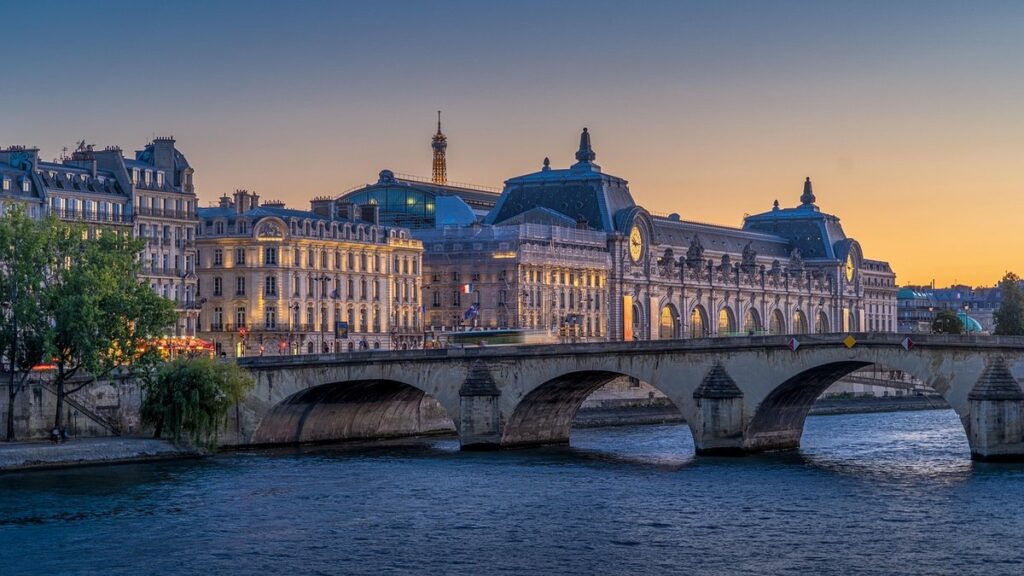
Imagine strolling through the charming streets of Paris on a warm summer evening, surrounded by the sounds of laughter, music, and savoring every bite of a perfectly prepared croissant. This is just one glimpse into the rich tapestry of French culture and traditions that have captivated hearts around the world for centuries. From mealtimes to music, art to language, these customs and practices are woven into the very fabric of France’s identity. They shape not only the country’s history but also its sense of community and way of life today. In this article, we’ll explore some of these fascinating aspects of French culture, from the importance of Sundays off for leisure time to the significance of art and music in everyday life. By the end of it, you’ll have a deeper understanding of what makes France so unique and will be able to appreciate its traditions with newfound appreciation.
The History and Evolution of French Culture
French culture has a rich tapestry of influences, shaped by centuries of history, art, literature, and philosophy that have come together to form its distinctive identity. From medieval times to modern-day innovations, we’ll examine how these elements evolved over time.
Early Influences and Roots
The early Roman and Celtic influences on French culture laid the groundwork for its unique blend of traditions. As the Romans conquered Gaul, they brought with them their language, laws, and architectural styles, which blended seamlessly with the existing Celtic culture. The Latin language, in particular, had a lasting impact on the development of the French language, with many words still borrowed from Latin today. Christianity also played a significant role in shaping French culture, introducing new art forms and customs that would become integral to the country’s identity. For example, the elaborate Gothic cathedrals built during this period, such as Notre-Dame de Paris, demonstrate the fusion of Romanesque and Celtic architectural styles with Christian iconography.
The incorporation of Christianity also led to significant changes in French language and art. The introduction of the Latin alphabet replaced the earlier Celtic script, while the influence of Christian art can be seen in the iconic depictions of saints and biblical scenes that adorn the walls of these medieval churches. By understanding these early influences, we can better appreciate the rich tapestry of traditions that make up French culture today.
Medieval and Renaissance Periods
During the Middle Ages, the Catholic Church exerted significant influence over French culture, shaping its values, art, and architecture. The Church’s dominance is evident in the grand cathedrals that still dot the French landscape, such as Notre-Dame de Paris. These structures not only served as places of worship but also as testaments to the Church’s power.
The Renaissance had a profound impact on French arts, literature, and architecture during this period. Artists like Jean Clouet and François Clouet brought Italianate styles to France, influencing the development of portraiture and decorative arts. In literature, works such as the poetry of Joachim du Bellay celebrated classical forms, while writers like Ronsard championed a distinctly French voice.
The interplay between Catholicism and Renaissance humanism also influenced French architecture during this time. As seen in the Château de Chambord, there is a blending of Gothic and classical styles, reflecting the evolving tastes of the nobility. This synthesis of medieval and classical elements would continue to shape French art and culture for centuries to come. The legacy of these periods can still be felt today in France’s rich cultural heritage.
Daily Life and Traditions in Modern France
A day in modern France is often characterized by a rich blend of tradition and everyday life, where historical customs continue to shape contemporary culture. From café routines to festive celebrations, we’ll explore this unique balance.
Mealtimes and Cuisine
Mealtimes are sacred in France, with each repas (meal) carefully planned to showcase the country’s rich culinary heritage. Breakfast, or le petit déjeuner, is a light affair, often consisting of bread, jam, and coffee or hot chocolate. You’ll rarely see a croissant on the breakfast table, as this flaky pastry is typically reserved for a mid-morning snack.
Lunch, or le déjeuner, is the main meal of the day, usually eaten between 12:30 pm and 2:00 pm. This is when you’ll find classic dishes like coq au vin (chicken cooked in red wine) and bouillabaisse (a fish soup originating from Marseille). Don’t be surprised if you’re offered a cheese course or a dessert to round out the meal.
Dinner, or le dîner, is served between 7:30 pm and 9:00 pm, with a focus on finer cuisine. Think duck confit, ratatouille, and tarte tatin – each region has its specialties, so be sure to try local ingredients and dishes during your stay. When dining out, respect the tradition of ordering three courses (apéritif, plat principal, and dessert) and savoring each bite with company.
Social Etiquette and Customs
In France, politeness and respect are highly valued in social interactions. Greetings play a significant role in setting the tone for future interactions. When meeting someone for the first time, it’s customary to exchange kisses on each cheek (known as “faire la bise”). The number of kisses can vary depending on the region, but two kisses is common in most areas. In formal situations or when meeting someone older than you, a handshake is more appropriate.
Table manners are also important in France. Mealtimes are considered sacred, and conversations during meals tend to be reserved and polite. It’s customary to keep your hands visible on the table, with your wrists resting lightly on the edge of the table. Avoid eating between courses or finishing a meal too quickly, as this can suggest you didn’t enjoy the food.
Physical touch is also an essential aspect of French social etiquette. In general, it’s considered polite to use physical gestures like handshakes and pats on the back when parting ways or congratulating someone. However, avoid initiating intimate contact with strangers, as this can be perceived as overly familiar or even rude.
The Arts and Entertainment in France
France is renowned for its rich artistic heritage, and nowhere is that more evident than in its vibrant music scene and world-class museums. We’ll take a closer look at what makes French art and entertainment so unique.
Music and Dance
French music and dance have a rich history and continue to play an essential role in the country’s cultural heritage. Traditional folk dancing is still practiced today, particularly at festivals and fairs, where you can see groups performing traditional styles like the bourrée and the farandole. These dances often accompany live music played on instruments such as the accordion and the hurdy-gurdy.
Chanson, a genre of French song that originated in the 19th century, is another significant aspect of French music. Famous composers like Claude Debussy and Maurice Ravel made significant contributions to this genre, which emphasizes storytelling through lyrics and melodies. Their compositions often featured complex harmonies and rhythms, setting them apart from more traditional forms of French music.
You can experience the beauty of traditional French music and dance by attending a festival or concert during your visit to France. Some popular events include the Festival d’Avignon and the Jazz à Vienne festival in July and August. By immersing yourself in these performances, you’ll gain a deeper understanding of the country’s rich cultural heritage and its continued influence on modern French music and dance.
Visual Arts and Architecture
French visual arts have a rich history spanning centuries. From the Middle Ages to the present day, French artists have made significant contributions to the world of art. During the Middle Ages, French artists were heavily influenced by Byzantine and Gothic styles, which can be seen in the intricate stone carvings and ornate stained-glass windows found in many French cathedrals.
As we move into the 19th century, French Impressionism emerges as a dominant force. Artists like Claude Monet and Pierre-Auguste Renoir are famous for their landscapes and everyday scenes captured in soft, dreamy light. Their works, such as Monet’s “Impression, Sunrise” and Renoir’s “Dance at Le Moulin de la Galette,” showcase the Impressionist style’s emphasis on light and color.
To experience French visual arts firsthand, visit museums like the Musée Marmottan Monet in Paris or the Fondation Maeght in Saint-Paul-de-Vence. These institutions house an impressive collection of works by French artists, including Monet and Renoir.
Celebrations and Holidays in France
When it comes to celebrating life’s special moments, the French have a rich tradition of honoring important dates with flair and elegance. From Bastille Day parades to Christmas markets, we’ll explore some of France’s most beloved celebrations.
Bastille Day and Other National Holidays
France’s national holidays are an integral part of its cultural identity, reflecting the country’s history, values, and sense of community. One of the most iconic celebrations is Bastille Day, which commemorates the storming of the Bastille prison on July 14th, 1789. This event marked a turning point in the French Revolution, symbolizing the people’s fight for liberty and democracy. Today, Bastille Day is celebrated across France with military parades, fireworks, and street parties.
Another significant national holiday is Armistice Day, observed on November 11th. This day honors the end of World War I and serves as a poignant reminder of the sacrifices made by French soldiers during the conflict. Christmas celebrations in France are also unique, often blending traditional Catholic customs with modern secular influences. Many families attend midnight mass, exchange gifts, and indulge in festive foods like foie gras and bûche de Noël. While these holidays may have distinct characteristics, they all share a common thread: a deep appreciation for the country’s rich history and cultural heritage.
Traditional Festivals and Events
The Cannes Film Festival is one of France’s most renowned events, attracting top filmmakers and celebrities from around the globe. Held annually on the French Riviera, it showcases a diverse range of cinematic works, from art-house masterpieces to blockbuster hits. The festival’s rich history dates back to 1939, making it a unique blend of glamour and artistic expression.
The Tour de France is another iconic event that has been synonymous with French culture for over a century. This grueling cycling competition traverses the country’s picturesque landscapes, passing through quaint villages and bustling cities. While the physical demands on riders are extreme, the Tour de France is as much about community and national pride as it is about athletic prowess.
The Nice Carnival, held in February or March, offers a vibrant display of color and music, featuring elaborate floats, costumes, and processions. This festive event draws millions of visitors each year, making it one of Europe’s largest street parties. Attendees can expect to be swept up in the infectious energy and joie de vivre that define French celebrations.
Regional Variations in French Culture
One of the most fascinating aspects of French culture is how it differs from region to region, each with its own unique customs and traditions that add depth and richness to the overall experience.
The Influence of Provençal Culture
In Provence, the south of France, a distinct cultural identity has developed over centuries. The region’s unique customs and traditions are deeply rooted in its Mediterranean climate, rich history, and strategic location at the crossroads of Europe and North Africa. When it comes to cuisine, Provençal dishes like ratatouille, bouillabaisse, and tarte provençale showcase the region’s love for fresh vegetables, seafood, and olive oil.
The Provençal language, known as Occitan, is still spoken by some locals in rural areas. Although it has largely been replaced by French, efforts are being made to revive this ancient tongue. Celebrations like the Fête de la Saint-Sylvestre (New Year’s Eve) and the Festival of Lanterns (Fête des Lumières) bring communities together with music, dance, and traditional costumes.
To experience Provençal culture firsthand, visit the charming villages perched on hilltops, explore the markets selling local produce and handicrafts, or attend a village festival. By immersing yourself in these authentic customs and traditions, you’ll gain a deeper appreciation for the rich cultural heritage of Provence.
Other Regional Idiosyncrasies
The Breton culture in Brittany is one of the most distinct regional identities in France. This Celtic-influenced heritage is evident in traditional costumes, folk music, and festivals like the Fête de la Bretagne. In contrast, the Occitan culture in southern France, particularly in the regions of Occitania and Gascony, has preserved a unique linguistic and cultural tradition. The use of the Occitan language, also known as Provençal, is still alive today, with many locals maintaining strong ties to their ancestral roots.
While these regional differences are often stereotyped or romanticized, they reflect genuine historical and cultural distinctions that have been shaped by geography, politics, and migration patterns. Visitors can experience the authentic Breton culture by attending a traditional folk concert or trying local specialties like crêpes and far breton (a rich custard tart). In southern France, exploring villages with medieval architecture, such as Carcassonne and Saint-Cirq-Lapopie, offers a glimpse into the region’s storied past. By embracing these regional idiosyncrasies, travelers can gain a deeper understanding of France’s rich cultural tapestry.
French Language and Education
Learning the French language is a fundamental aspect of truly experiencing French culture, and understanding the education system is key to grasping its nuances. From grammar to curriculum, we’ll explore how language and education intersect in France.
The Role of Language in French Culture
Language plays a vital role in shaping French identity and culture. The preservation of regional dialects is an integral part of France’s linguistic heritage. You’ll find distinct variations in language across different regions, such as Occitan in the southwest or Breton in Brittany. These dialects are not just relics of the past but living languages that continue to be spoken by local communities.
The French government has implemented measures to protect and promote these regional languages. For instance, Occitan is an officially recognized minority language, and schools offer courses in it. Similarly, the region of Alsace has its own dialect, Alsatian, which is taught in some schools.
Preserving linguistic diversity requires a deep understanding of local culture and history. Visiting regions where these dialects are spoken can be a rewarding experience for language learners and cultural enthusiasts alike. Not only will you gain insight into the rich tapestry of French languages, but you’ll also have opportunities to engage with locals who speak these dialects fluently. By embracing regional languages, you’ll get closer to the heart of French culture and traditions.
Education System and Values
The French education system places a strong emphasis on critical thinking, creativity, and social responsibility. From a young age, students are encouraged to question and challenge established norms, developing a nuanced understanding of the world around them. This approach is reflected in the country’s renowned pedagogical method, known as “la pédagogie freinet,” which focuses on experiential learning and student-led inquiry.
As students progress through their education, they are also taught to value social responsibility and civic engagement. A significant portion of their curriculum is dedicated to understanding French history, politics, and culture, with a focus on the country’s rich literary and artistic heritage. This emphasis on cultural awareness serves as a foundation for developing empathy and tolerance in young people.
For those interested in immersing themselves in French education, it’s worth noting that many French schools offer language classes specifically designed for international students. These programs provide an opportunity to learn from native speakers while experiencing the unique aspects of the French education system firsthand. By embracing this approach, individuals can gain a deeper understanding of French culture and values, which are deeply intertwined with the country’s educational philosophy.
Frequently Asked Questions
What if I want to experience French culture firsthand but don’t speak fluent French?
Yes, it’s still possible to immerse yourself in French culture even without speaking the language fluently. Look for cultural events and festivals that cater to tourists or English speakers, such as music concerts or art exhibitions with English translations. You can also consider visiting regions like Provence, where many locals speak some English, especially in tourist areas.
How do I navigate regional variations in French culture when traveling?
Regional variations are a natural part of French culture, and being aware of them will enrich your travel experience. Research the specific region you’re visiting to understand local customs, traditions, and dialects. Don’t be afraid to ask locals for recommendations or guidance on cultural nuances. For example, if you’re in Brittany, learn about Breton culture and try some local specialties.
Can I celebrate French holidays like Bastille Day without being a resident?
Yes, you can participate in Bastille Day celebrations even if you’re not a resident of France. Many cities around the world host their own Bastille Day events, often with music, food, and cultural activities inspired by French traditions. Check local event listings or consult with your embassy or consulate to find out about nearby celebrations.
How do I balance respect for local customs with my own personal style while traveling in France?
Balancing respect for local customs with your own personal style requires being mindful of your surroundings and adapting to the situation. Observe how locals dress, behave, and interact with each other, and try to follow their lead. However, don’t be afraid to express yourself authentically – just do so in a way that’s respectful of local norms.
Can I use French language skills learned from online courses or travel apps in everyday conversations?
Yes, it’s possible to apply French language skills learned from online courses or travel apps to everyday conversations. However, keep in mind that formal education and immersion programs often provide more nuanced understanding and cultural context. Supplement your learning with authentic interactions, such as speaking with native speakers, watching French media, or practicing with language exchange partners.