
Gift wrapping is often seen as a universal language, but its meaning and significance can vary greatly across cultures. In Japan, beautifully crafted washi paper gifts are considered more valuable than their contents, while in Europe, ornate ribbons and bows add an air of sophistication to even the simplest presents. As we explore gift wrapping traditions around the world, from Asia’s intricate paper cutouts to Latin America’s vibrant textiles, we’ll discover the stories behind these customs. We’ll also examine how modern sustainable options and digital alternatives are transforming the way we wrap gifts today. Whether you’re looking to add a personal touch to your presents or simply want to learn about different cultures, this article will take you on a journey around the globe to uncover the unique gift wrapping techniques that bring people together. By the end of it, you’ll be able to reimagine your own gift wrapping style with inspiration from diverse traditions.
Japan’s Artistic Approach to Gift Wrapping
From intricately designed origami paper to delicate washi tape patterns, Japanese gift wrapping is an art form that elevates everyday presents into stunning works of art. Each carefully crafted detail tells a story.
The Importance of Beautiful Packaging
In Japan, beautifully designed packaging is not just a necessity but an art form. Gift wrapping is seen as a reflection of one’s thoughtfulness and consideration for the recipient. A well-designed package can convey a sense of love and care, making the gift-giving experience even more special.
The attention to detail in Japanese gift wrapping is impressive. From the intricately designed paper to the carefully selected ribbons, every element is chosen with intention. The packaging is often seen as an extension of the gift itself, rather than just a utilitarian wrap. This approach requires a level of craftsmanship and creativity that is not always present in Western cultures.
For those looking to adopt this approach, consider starting with simple yet elegant designs. Choose paper with beautiful patterns or textures, and pair it with a coordinating ribbon or bow. Don’t be afraid to add personal touches, such as handwritten notes or small decorative items. The key is to balance creativity with restraint, ensuring that the packaging doesn’t overwhelm the gift itself. By doing so, you can create a truly unique and memorable gift-giving experience.
Traditional Japanese Gift Wrapping Techniques
In Japan, traditional gift wrapping techniques emphasize the importance of beautiful presentation. One notable technique is origami-style wrapping, which involves folding paper to create unique and intricate designs. This art form requires patience and skill, but the end result is a stunning work of art that complements the gift itself.
Natural materials like washi paper are also favored for their simplicity and elegance. Washi paper is made from the bark of the mulberry tree and is prized for its translucency and texture. When used for wrapping, it creates a delicate, ethereal effect that adds to the gift’s appeal. To incorporate this technique into your own gift wrapping, look for washi paper with subtle patterns or textures that add visual interest.
When using natural materials like washi paper, consider pairing them with simple, unadorned gifts to avoid overwhelming the senses. This allows the beauty of the paper to shine through and creates a sense of balance in the presentation. By embracing traditional Japanese gift wrapping techniques, you can create unique and memorable gifts that reflect your thoughtfulness and attention to detail.
Modern Japanese Gift Wrapping Trends
Modern Japanese gift wrapping has undergone a significant transformation in recent years. The traditional emphasis on intricate designs and precise folds remains, but modern materials and designs have been incorporated to create unique and eye-catching gifts. Many stores now offer colorful tissue paper and patterned wrapping paper that add a pop of color to the traditional minimalist aesthetic.
One notable trend is the use of textured paper, which adds depth and visual interest to the gift. Some popular designs include geometric patterns, cherry blossoms, and abstract art. To incorporate these modern elements into your gift wrapping, try pairing a bold patterned paper with simple white or beige ribbon for a striking contrast.
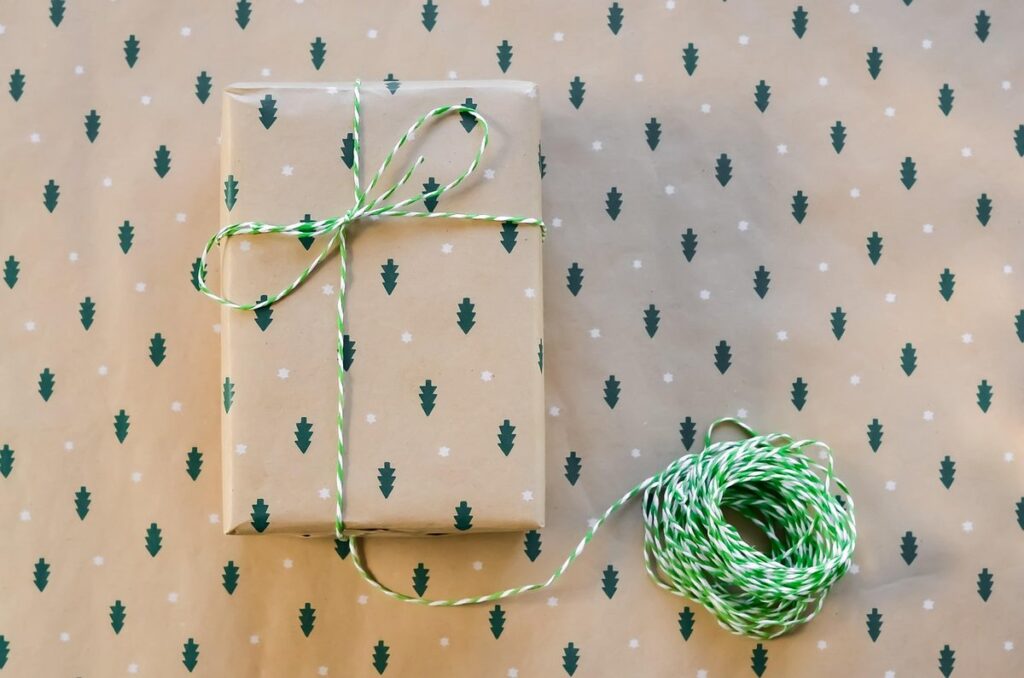
Another trend is the increasing popularity of kraft paper and natural fibers, which add an eco-friendly touch to the traditional Japanese style. These materials can be paired with beautiful stamps or washi tape to create a unique and sustainable gift wrapping look. By combining classic techniques with modern materials and designs, you can create truly one-of-a-kind gifts that showcase your thoughtfulness and attention to detail.
European Luxury Gift Wrapping Traditions
From elegant bows to exquisite paper, European luxury gift wrapping traditions are a true testament to style and sophistication. Let’s take a closer look at some of the continent’s most coveted wrapping methods.
French Luxe: The Art of Elegant Gift Wrapping
In France, gift wrapping is an art form that exudes elegance and sophistication. The French approach to gift wrapping is all about creating a stunning presentation using high-quality paper, ribbons, and bows. A good starting point is to choose a beautiful paper with a subtle texture and pattern. Look for papers made from premium materials such as cotton or silk, which will add an extra layer of luxury to your gift.
To create a polished look, use a combination of ribbons and bows in complementary colors. For example, pair a pale blue ribbon with a white bow for a classic French look. Don’t forget to add some decorative elements like flowers, leaves, or berries to give your gift wrapping a touch of whimsy. The key is to balance these embellishments with the elegant simplicity of the paper and ribbons.
For a truly French-inspired gift wrap, consider using a few essential elements: a ribbon tied in a neat bow, a sprig of fresh greenery like eucalyptus or ferns, and a small gift tag or card. With these basics, you’ll be well on your way to creating a luxurious gift wrapping presentation that would make even the French proud.
British Tradition: Simple yet Elegant
The British approach to gift wrapping is characterized by its understated elegance and emphasis on quality over extravagance. Unlike some European countries, where elaborate designs and patterns are a hallmark of luxury gift wrapping, the British tend to favor simplicity and restraint. This doesn’t mean that their gifts lack style or sophistication, but rather that they focus on showcasing high-quality materials and clean lines.
High-end British gift wrappers often choose crisp white paper, adorned with subtle textures or minimalist designs, to let the recipient’s gift take center stage. The beauty of this approach lies in its timelessness – a simple yet beautifully wrapped gift can remain stylish for years to come. When selecting materials, consider investing in high-quality paper, ribbons, and bows that will stand the test of time.
In contrast to more ornate wrapping styles, the British tradition encourages you to focus on one or two statement pieces rather than overwhelming the gift with embellishments. This approach not only creates a visually appealing effect but also allows the recipient to appreciate the thought and effort put into choosing each element.
Asian Gift Wrapping Traditions
From intricately designed fans to delicate silk ribbons, traditional Asian gift wrapping often combines beauty and simplicity. We’ll explore some of these unique techniques together.
Chinese Red Envelopes: A Symbol of Good Fortune
In Chinese culture, red envelopes are a symbol of good fortune and prosperity. They’re typically given during special occasions like weddings, holidays, and New Year’s celebrations. The tradition is rooted in the idea that red is a lucky color, associated with good luck, wealth, and happiness.
When giving red envelopes as gifts, it’s customary to include cash or “hongbao” inside. The amount of money can vary depending on the occasion and relationship between the giver and receiver. For example, during weddings, couples often receive red envelopes filled with money from their elders and friends to help them start their new life together.
The design of the red envelope is also significant. Typically, they feature traditional Chinese patterns like cherry blossoms or plum blossoms, which symbolize good fortune and prosperity. Some envelopes may also have a special message or poem printed on them, adding an extra touch of meaning to the gift.
When giving or receiving red envelopes, it’s essential to follow some etiquette rules. For instance, never give red envelopes in odd numbers, as this is considered unlucky. Also, make sure to receive the envelope with both hands, as a sign of respect and gratitude.
Indian Diwali Gift Wrapping Traditions
During Diwali, India’s festival of lights, gift wrapping takes on a vibrant and symbolic meaning. The tradition emphasizes the importance of light, love, and generosity, reflecting the celebration’s core values. Gift wrappers often use bright colors, intricate patterns, and elaborate designs to create visually stunning packages.
Diwali gifts are typically wrapped in multi-colored paper or fabric, sometimes with glittering accents or golden filigree. The wrapping itself is as much a part of the gift as the item inside – it’s meant to be a visual representation of the giver’s love and affection. To add an extra touch, some people tie a small thread or ribbon around the package, often in a specific color associated with the recipient.
In terms of practicality, Indian Diwali gift wrapping traditions can be applied to any occasion by incorporating bright colors, patterns, and textures into your wrapping design. Consider using festive paper, ribbons, or embellishments to add an extra layer of meaning and joy to your gifts. By embracing this aspect of Indian culture, you can create unique and memorable presents that reflect the spirit of generosity and love at the heart of Diwali celebrations.
Latin American Gift Wrapping Customs
From vibrant papel de china to intricately woven textiles, gift wrapping in Latin America is a colorful and meaningful tradition that adds an extra layer of thoughtfulness to any present. In this part of the world, gifts are often treated like works of art.
Mexican Papel Picado: A Colorful Tradition
In Mexico, adding a festive touch to gifts is a cherished tradition during celebrations like Día de los Muertos. Intricately cut paper banners known as papel picado play a significant role in this custom. These colorful decorations feature intricate designs and are typically hung from walls or tables. Papel picado is made by cutting thin strips of colored tissue paper, which creates a delicate, almost translucent effect.
During Día de los Muertos, families often use papel picado to create elaborate altars honoring their loved ones who have passed away. The banners add a vibrant splash of color and create a festive atmosphere in homes. To incorporate this tradition into your gift-giving, consider purchasing or making papel picado banners that match the occasion’s theme. You can hang them from a gift basket or use them as a decorative wrap for a small gift.
When using papel picado to add a touch of Mexican flair to your gifts, remember to choose designs and colors that reflect the recipient’s personality and the celebration you’re honoring. This thoughtful approach will not only add visual appeal but also convey respect and appreciation for the occasion.
Brazilian Gift Wrapping with Flair
In Brazil, gift wrapping is a playful and creative affair. Bright colors, patterns, and fun embellishments are staples of Brazilian gift wrapping style. You’ll often see gifts wrapped in vibrant fabrics or papers featuring tropical motifs like flowers, birds, and palm trees. This flair for the dramatic is not limited to just the wrapping paper itself – ribbons, bows, and other embellishments are also used liberally.
To incorporate this playful approach into your own gift wrapping, try using brightly colored papers or adding fun patterns with stamps or stencils. Consider adding a few decorative touches like sequins, glitter, or even a hand-drawn design on the wrap itself. You could also experiment with different textures by combining smooth paper with rougher materials like burlap or lace.
In Brazil, it’s not uncommon to see gifts wrapped in multiple layers of colorful paper, creating a festive and celebratory atmosphere. To achieve this look, try layering different patterns and textures on top of one another – just be sure to secure the wrap with some sturdy tape to prevent it from coming undone. With a little creativity, you can bring a touch of Brazilian flair to your own gift wrapping traditions.
Middle Eastern and African Gift Wrapping Traditions
From Morocco’s intricate embroidery to South Africa’s colorful fabrics, gift wrapping traditions in the Middle East and Africa are a vibrant reflection of their rich cultural heritage. Vibrant patterns and textures play a significant role in these unique and beautiful customs.
Moroccan Zellij Tiles: A Unique Gift Wrap Style
In Morocco, gift wrapping is an art form that reflects the country’s rich cultural heritage. One of the most unique and beautiful traditions is using Zellij tiles as a gift wrap style. These intricately designed tiles are typically made from ceramic or zellij (a type of glazed tile) and feature geometric patterns, floral motifs, and Arabic calligraphy.
To create this look, you can use individual tiles to cover your gift, securing them with a strong adhesive or even decoupage medium. Alternatively, you can purchase pre-made Zellij tile wraps that are specifically designed for gifting. These wraps often feature the same intricate designs as traditional Moroccan tiles but in a more convenient and easy-to-use format.
The beauty of using Zellij tiles as a gift wrap lies in their ability to add an extra layer of meaning and significance to your present. Each tile is carefully crafted with its own unique design, making each wrapped gift truly one-of-a-kind. By incorporating this traditional Moroccan style into your gifting practices, you can bring a touch of North African flair to any occasion.
South African Gift Wrapping with Natural Materials
In South Africa, gift wrapping often incorporates natural materials to create unique and eco-friendly gifts. One common approach is using wooden crates or boxes as a base for presenting items such as candles, soaps, or jewelry. The wooden texture adds warmth and an organic feel to the presentation. Rattan baskets are also frequently used as a wrap or embellishment, bringing a natural and earthy element to the gift.
Fabric plays a significant role in South African gift wrapping, particularly with the use of vibrant prints and textures. Scarves, aprons, or even repurposed clothing can be wrapped around gifts to add color and personality. This approach not only reduces waste but also allows for creative expression. For instance, you could wrap a handmade soap in an old scarf or tie a bouquet of flowers in a piece of fabric with a meaningful pattern.
When incorporating natural materials into your gift wrapping, consider the texture, color palette, and overall aesthetic you want to achieve. Choose items that complement the recipient’s personal style and preferences. By embracing natural materials, you can create gifts that are not only visually appealing but also environmentally conscious.
Global Modernization of Gift Wrapping Traditions
As we travel across cultures, it becomes clear that gift wrapping traditions are evolving rapidly, influenced by modern technology and global connectivity. From innovative materials to digital designs, discover how the art of gift giving is adapting worldwide.
The Rise of Sustainable Gift Wrapping
Modern consumers are increasingly seeking out sustainable and eco-friendly gift wrapping options. This shift towards sustainability is driven by growing concerns about waste management, climate change, and environmental degradation. As a result, many companies are responding to consumer demands by introducing reusable bags, biodegradable materials, and recyclable packaging.
Reusable bags made from natural fibers such as cotton or jute are becoming increasingly popular for gift wrapping. These bags can be used multiple times, reducing the need for single-use paper or plastic wraps. Some companies are even offering customizable reusable bags with unique designs and patterns, allowing consumers to personalize their gifts while promoting sustainability.
Biodegradable materials like plant-based plastics and mushroom-based packaging are also gaining traction in the market. These alternatives to traditional plastic wrap can be composted at home, reducing waste and minimizing environmental impact. When choosing eco-friendly gift wrapping options, consider opting for reusable bags or biodegradable materials that align with your personal values and contribute to a more sustainable future.
Digital Gift Wrapping: A New Era in Tradition
Digital gift wrapping is revolutionizing the way people present gifts to one another. Online platforms are now offering virtual gifts, e-cards, and innovative ways to send presents. This shift towards digital gift wrapping has been driven by a desire for sustainability and convenience.
One of the key features of digital gift wrapping is its ability to reduce waste. Traditional gift wrapping often results in excess paper, ribbons, and other materials ending up in landfills. Digital gifts, on the other hand, can be sent directly to the recipient’s email or online account, eliminating the need for physical packaging.
Some popular platforms that offer digital gift wrapping services include Paperless Post and Smilebox. These websites allow users to create custom e-cards and virtual gifts using a wide range of templates and design tools. Recipients can then access their digital gift through a unique link sent via email.
For those looking to incorporate digital gift wrapping into their holiday traditions, consider the following tips: start by exploring different online platforms to find one that suits your needs; choose a template or design that reflects your personal style; and don’t forget to include a thoughtful message or note with your digital gift.
Frequently Asked Questions
How Can I Incorporate Traditional Japanese Gift Wrapping Techniques into My Modern Life?
You can incorporate traditional Japanese gift wrapping techniques by practicing origami-style folding and using natural materials like washi paper. Start with simple projects, such as wrapping small gifts or creating decorative boxes. Experiment with different folds and designs to develop your skills. As you become more confident, try incorporating modern materials and designs into your traditional techniques.
What Are Some Common Mistakes People Make When Trying to Create Luxury-Look Gift Wraps at Home?
Common mistakes when trying to create luxury-look gift wraps at home include using low-quality materials, neglecting attention to detail, and not considering the recipient’s personal style. To avoid these mistakes, choose high-quality paper and ribbons, focus on elegant designs rather than overly complex ones, and consider the recipient’s preferences when selecting wrapping materials.
Can I Use Digital Gift Wrapping Platforms for Large or Heavy Gifts?
Yes, digital gift wrapping platforms can be used for large or heavy gifts by sending a virtual representation of the gift along with a note or message. However, if you want to send a physical gift, consider using reusable bags or eco-friendly materials to minimize waste and environmental impact.
How Do I Balance Tradition with Personal Style When Choosing Gift Wrapping Materials?
Balance tradition with personal style by selecting wrapping materials that reflect your own unique aesthetic while still respecting the occasion’s cultural significance. For example, you might choose traditional Japanese washi paper for a wedding gift but add modern embellishments like ribbons or flowers to make it more personal.
Can I Use Recycled Materials for Gift Wrapping and Still Make It Look Luxurious?
Yes, you can use recycled materials for gift wrapping and still make it look luxurious by focusing on elegant designs and high-quality finishes. Consider using natural fibers like cotton or linen, which can add a sophisticated touch to your gifts.

