Wedding traditions are often seen as a way to honor heritage, but they can also be a source of confusion for couples planning their special day. With cultural exchange and globalization on the rise, it’s not uncommon for couples to come from different backgrounds or have mixed cultures within their family. As a result, many are left wondering how to incorporate their heritage into their wedding celebration while still creating new family traditions that feel authentic to them. This can be especially challenging when trying to balance traditional practices with modern sensibilities. In this article, we’ll explore the ways in which cultural exchange has shaped wedding traditions worldwide and provide you with practical tips on how to weave your own heritage into your ceremony and reception. By the end of this article, you’ll have a better understanding of how to celebrate your unique cultural identity while starting new family traditions that will be cherished for generations to come.
Understanding the Significance of Wedding Traditions
Many couples around the world incorporate meaningful wedding traditions into their big day, often without realizing the rich history and cultural significance behind them. In this next part, we’ll explore why these customs matter to newlyweds.
Cultural Exchange and Globalization
Cultural exchange and globalization have significantly impacted wedding traditions worldwide. As people travel, migrate, and communicate more frequently, they bring their customs and ideas with them, creating a melting pot of influences. This cross-pollination has resulted in unique fusion weddings that blend elements from different cultures.
For instance, Indian couples may incorporate traditional Chinese tea ceremonies into their own nuptials, while British couples might adapt African or Asian-inspired attire for their big day. Similarly, social media platforms have enabled global wedding inspiration, allowing couples to discover and draw from diverse customs worldwide.
This exchange has also sparked the creation of new traditions. In some countries, Western-style weddings are becoming increasingly popular among younger generations, while in others, traditional ceremonies are being revitalized through cultural events and festivals. To incorporate these influences into their own celebrations, couples can research, attend international weddings, or even participate in intercultural events to gain a deeper understanding of diverse customs. By embracing this exchange, couples can create truly unique and meaningful wedding experiences that reflect their global heritage.
The Importance of Preserving Heritage
Preserving heritage is essential in wedding traditions because it connects couples to their roots and ancestry. When couples incorporate traditional customs into their wedding celebration, they honor their family’s history and cultural identity. This not only strengthens their bond with their loved ones but also passes down cherished traditions to future generations.
For instance, a couple may choose to include an Indian sari ceremony in their wedding, which is significant because it symbolizes the union of two families and blesses the newlyweds with happiness and prosperity. Similarly, a couple might decide to have a Scottish ceilidh dance at their reception, which allows them to connect with their Scottish heritage.
Preserving heritage also adds depth and meaning to a couple’s wedding celebration. By incorporating traditional customs, couples can create a unique and authentic experience that reflects their cultural identity. This can be especially important for couples who are blending traditions or have mixed cultural backgrounds.
Traditional Wedding Customs from Around the World
From henna ceremonies in India to tea ceremonies in Japan, each culture has its own unique and fascinating wedding customs that are steeped in tradition. Let’s take a journey around the world to discover them.
Western Weddings: British, American, and European Traditions
In Western cultures, traditional wedding customs vary across countries, but share some commonalities. The British and American traditions are particularly well-known for their formal etiquette and time-honored practices. One iconic symbol of a bride’s commitment is the bouquet, typically carried down the aisle by the bride. This tradition dates back to ancient Greece, where flowers were seen as a token of love and unity.
The Western custom of wearing a white wedding dress also originated in Europe. Queen Victoria popularized this trend in the 19th century, and it has since become a staple of traditional Western weddings. The best man, often a close friend or family member, plays an important role in supporting the groom on his special day. His responsibilities may include holding the wedding rings during the ceremony, giving a speech to toast the happy couple, and assisting the groom with various tasks.
Some European countries have unique twists on these customs. For example, in some parts of Europe, it’s traditional for the bride to wear a veil or carry a bouquet made from flowers that are symbolic of good luck or fertility. In other cases, the best man may be replaced by a “best woman” or “maid of honor,” who takes on similar responsibilities.
Asian Weddings: Indian, Chinese, and Japanese Traditions
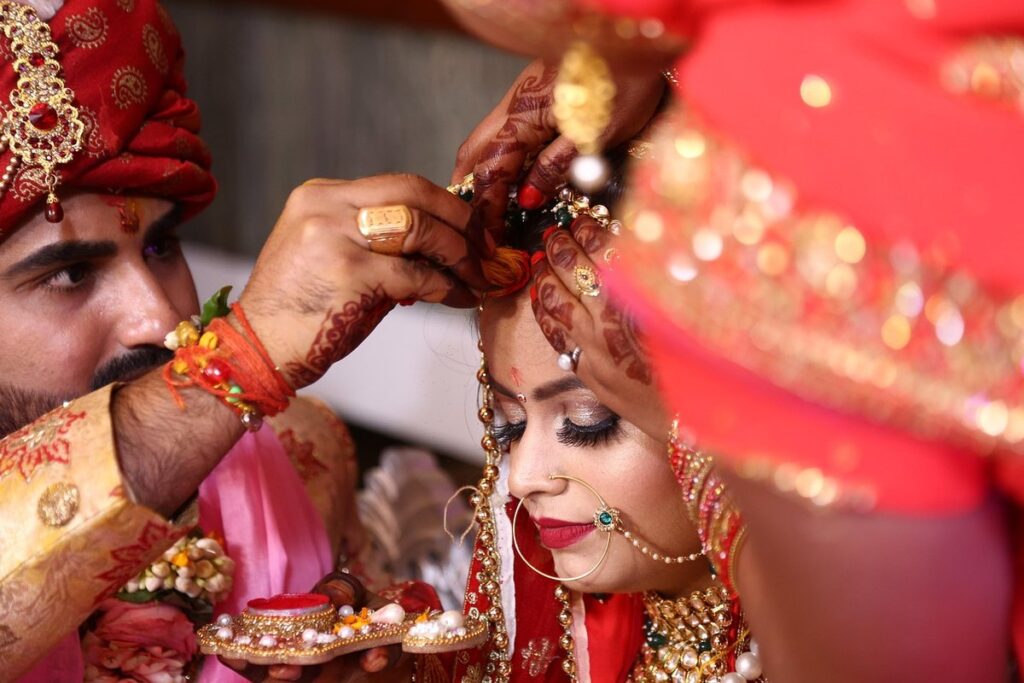
Asian weddings are a rich tapestry of diverse traditions and customs. In India, the Mehndi ceremony is an essential part of wedding preparations. On the eve of the wedding day, henna is applied to the bride’s hands and feet by women from her family and friends. This ritual is believed to bring good luck and marriage stability.
In China, tea ceremonies are a vital aspect of traditional weddings. The couple sips tea from intricately designed cups while exchanging vows and rings. This custom symbolizes harmony and unity in their relationship. Chinese brides also wear intricate traditional attire, often with elaborate embroidery and ornate designs.
Japanese weddings typically involve a Shinto-style ceremony at a shrine or temple, followed by a Western-style reception. The bride wears a stunning white kimono adorned with delicate floral patterns, while the groom dons a formal black suit. Traditional Japanese attire is characterized by its simplicity and elegance. Whether it’s an Indian Mehndi ceremony, a Chinese tea ceremony, or a Japanese Shinto wedding, each Asian tradition offers unique insights into the region’s cultural heritage.
Unique Wedding Customs from Africa and the Middle East
From Morocco’s henna ceremonies to South Africa’s umembossi dance, we’ll take a fascinating journey through the one-of-a-kind wedding customs of Africa and the Middle East. These traditions are steeped in rich cultural heritage.
African Weddings: Yoruba, Zulu, and Ashanti Traditions
In Yoruba culture, weddings are a grand celebration of love and family unity. The Egungun festival, for example, is an integral part of Yoruba wedding traditions. During the festival, masked dancers, known as Egungun, perform to honor ancestors and seek their blessings on the newlyweds. This ancient ritual aims to bring harmony between the couple and their families.
In Zulu culture, bride price payments are a significant aspect of weddings. The payment is made by the groom’s family to the bride’s family as a symbol of respect and commitment. The amount paid varies depending on the family’s social status and economic situation. Traditionally, the payment consists of cattle, which serves as a form of currency in Zulu culture.
In Ashanti culture, weddings are also marked by vibrant traditional attire and colorful ceremonies. One notable custom is the use of kente cloth, a symbol of unity and strength, in wedding celebrations. The bride’s attire often features intricate designs and patterns that reflect her family’s heritage and status. These customs not only showcase African cultures’ rich history but also their unique approach to celebrating love and commitment.
Middle Eastern Weddings: Moroccan, Egyptian, and Persian Traditions
In Middle Eastern weddings, three countries stand out for their rich and diverse traditions: Morocco, Egypt, and Persia (modern-day Iran). Moroccan weddings often begin with a henna night, where the bride’s hands and feet are intricately decorated with intricate patterns. This ancient practice is believed to bring good luck and blessings to the couple.
In Egyptian weddings, the tea ceremony plays a significant role. The groom’s family typically visits the bride’s family with a tray of traditional sweets and tea as a gesture of respect and welcome. This exchange is often accompanied by lively music and dancing. As for Persian weddings, intricate decorations are a hallmark. The couple’s home is transformed into a majestic venue, adorned with colorful fabrics, flowers, and candles.
These distinctive customs showcase the unique cultural heritage of each country. Moroccan henna nights, Egyptian tea ceremonies, and Persian decorations all contribute to the celebratory atmosphere that defines Middle Eastern weddings. Couples looking to incorporate these traditions into their own wedding may find inspiration in the rich history and symbolism behind each practice.
Non-Traditional Wedding Customs from Around the World
From the Japanese tea ceremony to Indian henna nights, many cultures have unique wedding customs that blend tradition and whimsy in beautiful ways. Let’s take a look at some of these fascinating non-traditional practices.
Non-Religious Ceremonies and Elopements
For couples who prefer a more intimate and personal celebration, non-religious ceremonies and elopements are becoming increasingly popular. These alternatives to traditional weddings often involve smaller guest lists or no guests at all, allowing the couple to focus on their love for each other. Elopements can take many forms, from a quiet morning ceremony in a scenic outdoor location to a weekend getaway with just the two of them.
Beach weddings are another type of non-traditional celebration that often don’t involve large gatherings. These ceremonies typically take place at sunrise or sunset when the crowds have thinned out, and the couple can exchange vows on the shore with only their officiant present. Destination weddings also fit into this category, where couples travel to a new location for their ceremony, often surrounded by stunning natural scenery.
In recent years, elopements have become more mainstream, with many couples choosing to forego the traditional wedding reception and focus on just the two of them. To plan an intimate ceremony like this, consider finding a secluded location, such as a mountaintop or a remote beach, where you can exchange vows without interruption.
Unconventional Vows and Commitment Rituals
In many cultures, traditional vows and commitment rituals have been replaced with unconventional alternatives. One such example is jumping the broom, a practice originating from West Africa. During slavery times, enslaved couples would jump over a broomstick to symbolize their union, as they couldn’t officially marry. Today, some couples incorporate this ritual into their wedding ceremonies as a nod to their African heritage.
Another unique commitment ritual is handfasting, practiced in Scotland and Ireland. The couple’s hands are tied together with a ribbon or cord, signifying their bond and commitment to each other. This practice dates back to ancient Celtic times, when it was used to formalize unions between couples.
For those interested in incorporating unconventional vows and commitment rituals into their wedding ceremony, consider the following:
- Research the origins and significance of the ritual you’re interested in.
- Discuss with your partner whether this type of ritual feels authentic and meaningful to both of you.
- Consider how it will be incorporated into your overall ceremony – as a standalone moment or woven throughout other traditions.
Remember, your wedding ceremony is a unique reflection of your love story. Feel free to adapt or combine different customs to create a truly unforgettable experience.
The Evolution of Wedding Traditions in Modern Times
Wedding traditions are constantly evolving, influenced by globalization and changing societal values. We’ll examine how modern couples are updating classic customs to reflect their unique styles and cultural backgrounds.
Adapting Ancient Customs for Contemporary Couples
Couples today are taking a creative approach to wedding planning by incorporating traditional customs into their modern celebrations. One way they’re doing this is by reimagining ancient rituals and making them more relatable to contemporary couples. For example, some brides are opting for a “handfasting” ceremony, where they exchange vows with their partner while having their hands tied together with a ribbon or cord – a nod to the Celtic tradition of binding couples together.
Another way couples are adapting traditional customs is by adding personal touches and modern twists. Take the Japanese tea ceremony, for instance: instead of brewing matcha in a traditional setting, some couples are incorporating the tranquil atmosphere and spiritual significance into their own unique celebration. This might involve exchanging vows during a sunset tea ceremony or having a traditional Japanese sweets-making station at their reception.
To incorporate traditional customs into your wedding, consider what aspects resonate with you and your partner. Are there specific rituals that hold meaning in your family’s cultural heritage? Or perhaps there are certain traditions that you admire from other cultures? By thoughtfully combining these elements with modern touches, you can create a truly one-of-a-kind celebration that honors your love story.
Creating New Family Traditions
Creating new family traditions is a thoughtful way for couples to honor their heritage and individuality. As wedding customs evolve with each passing generation, it’s essential to incorporate personal touches that reflect a couple’s unique story. This can be as simple as infusing traditional elements into modern decor or incorporating meaningful rituals into the ceremony.
For example, a couple might choose to exchange handmade vows written in a language spoken by their ancestors or participate in a family heirloom blessing during the reception. Alternatively, they could create a custom wedding tradition that combines multiple cultures, such as a unity candle lighting ceremony featuring both Eastern and Western customs.
When creating new family traditions, it’s crucial to consider the values and symbolism behind each element. Ask yourself what truly matters to you and your partner. Do you want to honor your cultural heritage? Pay tribute to your ancestors? Or celebrate your love in a unique way? By thoughtfully incorporating these elements into your wedding ceremony or reception, you’ll create a lasting legacy for your family that reflects your individuality and shared values.
Frequently Asked Questions
Can I adopt just one or two wedding traditions from another culture without feeling like I’m appropriating it?
Yes, incorporating elements from other cultures can be a beautiful way to celebrate your heritage, but make sure you understand the context and significance behind each tradition. Research and respect the culture’s intention behind the custom, and consider discussing it with someone from that cultural background.
How do I balance preserving my family traditions with creating new ones that reflect our modern values?
It’s all about finding a balance between honoring your roots and embracing change. Consider incorporating old customs into new settings or adapting them to fit your personal style. This way, you can still honor your heritage while making it relevant for your contemporary wedding.
What if I’m not sure which cultural traditions are actually meaningful to me? Where do I start?
Start by exploring your ancestry and researching the customs that originated from your family’s culture of origin. You might be surprised at how many beautiful traditions are waiting to be rediscovered! Consider talking to relatives, reading books or online forums, and attending cultural events to get a feel for what resonates with you.
Can I combine different wedding customs to create something entirely new?
Absolutely! Many couples today are blending customs from multiple cultures to create their own unique wedding celebration. This can be a beautiful way to honor your diverse heritage while making it distinctly yours. Just remember to stay respectful and aware of cultural sensitivities when combining traditions.
Is there any advice on how to handle cultural differences within my own family when planning the wedding?
Yes, navigating cultural differences with family members can be challenging. Try having open and honest conversations about what you both value in your heritage and what might be important for the wedding. Be patient, understanding, and respectful of each other’s perspectives – it’s a great opportunity to bond over shared values!