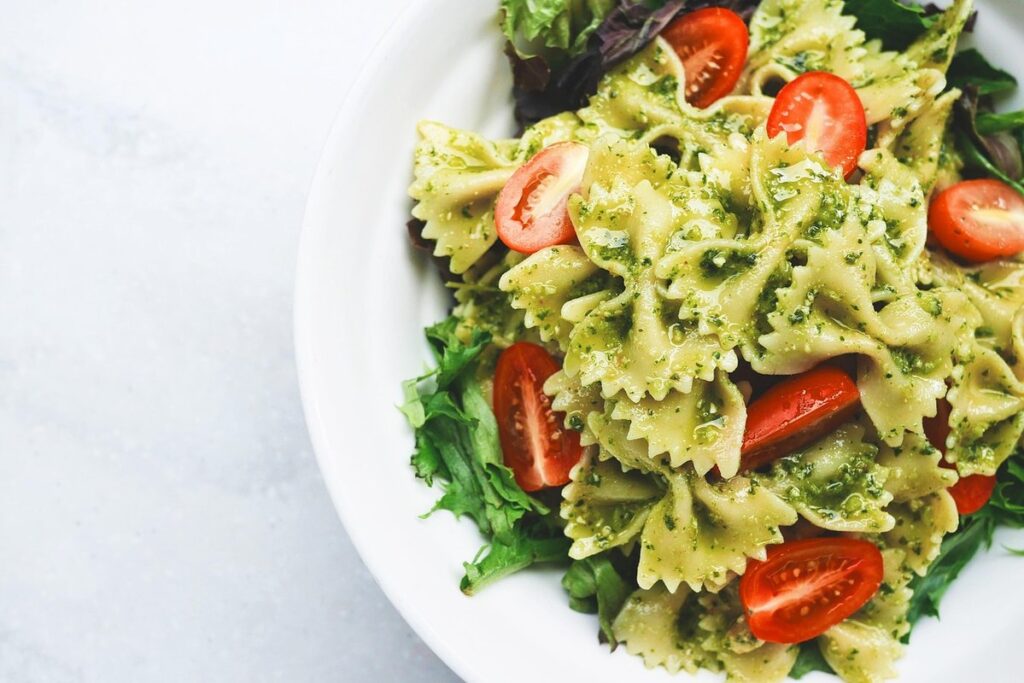
Italy is renowned for its rich culinary heritage, with iconic dishes like pasta carbonara and pizza margherita being staples of Italian cuisine. However, traditional food in Italy goes far beyond these popular favorites, with regional specialties and ingredients playing a significant role in the country’s gastronomic identity. For many foodies and cooks, mastering the art of traditional Italian cooking is a key part of elevating their skills in the kitchen. Yet, with so many variations on classic recipes and conflicting advice on what truly constitutes authentic Italian cuisine, it can be overwhelming to know where to start. This comprehensive guide aims to demystify the world of traditional Italian food, exploring iconic dishes, essential ingredients, and time-honored cooking methods that will help you recreate Italy’s culinary magic in your own kitchen, allowing you to confidently cook like a true Italian nonna by the end of this article.
Origins of Italian Food Culture
Italian food culture has its roots in ancient traditions and influences from various regions, shaping the country’s rich culinary heritage over time. Let’s start by exploring how these historical factors contributed to its evolution.
The Influence of Mediterranean Diet
The Mediterranean diet has had a profound impact on the development of Italian cuisine. Characterized by its emphasis on whole grains, fruits, vegetables, and healthy fats, this dietary pattern has been integral to the country’s food culture for centuries. The Mediterranean diet is not just a set of guidelines; it’s a way of eating that reflects Italy’s rich agricultural heritage.
Fresh produce, such as tomatoes, olives, and citrus fruits, are staples in Italian cuisine. These ingredients are often combined with whole grains like bread and pasta to create dishes like pasta e fagioli, which is a hearty soup made from vegetables, beans, and small pasta shapes. Olive oil, a key component of the Mediterranean diet, is used liberally in Italian cooking, adding flavor and moisture to dishes.
Incorporating elements of the Mediterranean diet into your own cooking can be as simple as swapping out refined oils for olive oil or experimenting with new ingredients like eggplant and zucchini. By embracing these traditional flavors and techniques, you can elevate your own cooking and connect with the rich culinary heritage of Italy.
Historical Factors Contributing to Italian Cuisine
The Roman Empire’s expansion introduced Mediterranean crops and cooking techniques to Italy. These influences blended with local traditions to shape early Italian cuisine. The empire’s trade networks also brought exotic spices and ingredients, which were incorporated into traditional dishes.
During the Renaissance, Italian cities like Venice and Florence became hubs for culinary innovation. Wealthy merchants and nobles commissioned elaborate feasts, inspiring chefs to create intricate desserts and ornate presentation styles. This era saw the rise of refined courtly cuisine, characterized by rich sauces and game meats.
World War II had a significant impact on Italian food culture, particularly in the north. Rationing and scarcity led to creative substitutions and improvisations, resulting in regional specialties like risotto alla milanese. The war also accelerated the migration of Italians from southern regions to northern cities, exchanging culinary practices and influencing each other’s cooking styles.
These historical events have left lasting imprints on Italian cuisine, reflecting the country’s rich cultural heritage and adaptability in the face of adversity.
Regional Italian Specialties
From the mountains of Piedmont to the coast of Campania, Italy’s diverse regions boast their own unique flavors and specialties that showcase the country’s rich culinary heritage. Let’s start our journey through these regional treasures.
Northern Italy: Risotto and Polenta
Northern Italy is renowned for its creamy risottos and hearty polentas. These comforting dishes have their roots in the region’s agricultural abundance and are often served as a staple in local trattorias. Risotto alla Milanese, from Lombardy, is a classic example of this: saffron-infused Arborio rice cooked with ossobuco (braised veal shanks) creates a rich, savory flavor profile.
Other notable risottos include Risotto con Funghi (with mushrooms) and Risotto con Asparagi (with asparagus). Polenta, made from cornmeal, is often served with game meats like venison or wild boar. Try pairing it with Osso Buco for a traditional Northern Italian meal.
Some of the key ingredients in these dishes include high-quality olive oil, Parmesan cheese, and fresh herbs like parsley and thyme. When preparing risotto, be sure to use a good Arborio rice and not to overcook it – this will help maintain its signature creaminess. For polenta, experiment with different types of cornmeal for varying textures.
Central Italy: Pasta e Fagioli
In Central Italy, pasta e fagioli is a staple dish that warms the heart and fills the belly. This hearty soup-like stew originated in the rural areas of Tuscany and Umbria, where it was cooked using readily available ingredients like cannellini beans, onions, garlic, and tomatoes. The simplicity of this dish belies its depth of flavor, which is achieved by slow-cooking the ingredients together in a rich broth.
A key component of pasta e fagioli is the use of high-quality ingredients. Look for fresh vegetables, such as carrots and celery, to add texture and flavor to the dish. Canned beans can be used as a substitute, but it’s worth noting that dried beans will provide a more authentic taste and texture.
When preparing pasta e fagioli, it’s essential to cook the pasta al dente, so it retains its bite and doesn’t become mushy in the broth. A ratio of 1:1 for pasta to beans is a good starting point, but feel free to adjust according to your personal preference. The acidity from the tomatoes helps balance the richness of the beans and olive oil, making this dish a satisfying and comforting meal.
Southern Italy: Seafood and Meat-Based Dishes
In Southern Italy, you’ll find a distinct culinary identity shaped by its rich marine heritage and Mediterranean climate. Seafood is a staple here, with dishes like fritto misto (mixed fried seafood) and zuppa di pesce (fish soup) showcasing the region’s abundance of fresh fish and shellfish. The Amalfi Coast, in particular, is renowned for its delicious seafood risotto.
When it comes to meat-based dishes, Southern Italy has a long tradition of slow-cooked stews and braises. For example, peperonata (a sweet pepper stew) is a classic Neapolitan dish made with roasted peppers, tomatoes, and sometimes meat or sausage. In Calabria, you’ll find ‘nduja (a spicy, spreadable pork sausage) often served with bread or used as an ingredient in pasta sauces.
Some key ingredients to look out for in Southern Italian cuisine include capers from Salerno, olive oil from Campania, and Parmigiano-Reggiano cheese. To make the most of your time exploring Southern Italy’s culinary scene, be sure to try local seafood at markets like Naples’ Piazza del Plebiscito or visit a family-run trattoria serving traditional meat-based dishes.
Iconic Italian Ingredients
Let’s talk about some of Italy’s most beloved ingredients, from rich prosciutto di Parma to fragrant basilico genovese. These flavors form the backbone of traditional Italian cuisine.
Olive Oil and Vinegar
Italian cooking relies heavily on olive oil and vinegar as staple condiments to add flavor and depth to a variety of dishes. When it comes to choosing an olive oil, look for one that is cold-pressed from the first pressing of olives, as this will yield the best flavor and aroma. Some popular types of Italian olive oil include Frantoio and Moraiolo.
Vinegar, on the other hand, is used to add a touch of acidity and balance out rich flavors in sauces and dressings. Balsamic vinegar, made from reduced grapes, is a classic Italian choice for its thick, syrupy texture and sweet-tart flavor. White wine vinegar or red wine vinegar can also be used as substitutes.
In traditional Italian cooking, olive oil and vinegar are often paired together to create a drizzle sauce for pasta dishes or as a marinade for grilled meats. A simple vinaigrette made with olive oil, vinegar, and a pinch of salt is also a staple in many Italian kitchens. When using these condiments, remember that less is often more – start with a small amount and adjust to taste, as the flavors can quickly become overpowering.
Parmesan Cheese and Other Italian Cheeses
Parmesan cheese is a staple ingredient in traditional Italian cuisine. Produced primarily in the Emilia-Romagna region, Parmigiano-Reggiano is aged for a minimum of 24 months to develop its distinctive nutty flavor and crumbly texture. This versatility makes it a popular addition to pasta dishes like spaghetti Bolognese and risotto alla Milanese.
Other regional cheeses also play important roles in Italian cuisine. In the north, Grana Padano is often used in place of Parmigiano-Reggiano due to its slightly sweeter flavor profile. In central Italy, Pecorino Romano is a staple cheese made from sheep’s milk, commonly paired with pasta dishes like carbonara and amatriciana.
When choosing Italian cheeses, consider the type of dish you’re preparing. For example, if making a creamy risotto or pasta sauce, Parmigiano-Reggiano’s rich flavor will shine through. In contrast, Pecorino Romano adds a tangy kick to lighter pasta dishes like spaghetti aglio e olio.
To experience the authentic flavors of Italy, look for high-quality cheese at local specialty stores or Italian markets. Avoid pre-shredded or pre-grated cheeses, which can lose their texture and flavor over time. Instead, grate or crumble your own Parmigiano-Reggiano just before serving to ensure maximum flavor impact.
Fresh Produce: Tomatoes, Basil, and More
Tomatoes are an integral component of traditional Italian cooking, often used in sauces, salads, and side dishes. Heirloom varieties like San Marzano and Plum tomatoes are prized for their sweet-tart flavor and low acidity. These varieties are typically grown in the southern regions of Italy, where the warm climate and rich soil produce optimal conditions.
Fresh basil is another staple herb in Italian cooking, commonly paired with tomatoes to add bright, citrusy notes to dishes like caprese salads and pesto sauces. Other herbs frequently used in traditional Italian cuisine include parsley, oregano, and rosemary. These herbs are often combined in various proportions to create distinctive flavor profiles.
In addition to these staples, Italian cooks also make use of a wide range of other produce, including eggplant, zucchini, bell peppers, and onions. Many of these ingredients can be found at local markets or in home gardens throughout Italy. To incorporate more fresh produce into your own cooking, consider visiting your local farmer’s market or experimenting with growing your own herbs and vegetables using Italian varieties.
Traditional Italian Cooking Methods
As you explore the rich flavors of traditional Italian cuisine, it’s essential to understand the cooking methods that have been passed down through generations of Italian cooks. From wood-fired ovens to classic stovetop techniques.
Wood-Fired Ovens and Brick-Baked Pizza
Wood-fired ovens have been a cornerstone of traditional Italian cooking for centuries. These rustic, brick-lined structures are designed to reach extremely high temperatures, allowing pizzas and other dishes to cook quickly over direct heat. In authentic Italian cuisine, wood-fired ovens are often used for baking Neapolitan-style pizzas, which feature a thin crust cooked in just 90 seconds. The characteristic char and smokiness that result from cooking in a wood-fired oven are essential to this style of pizza.
To achieve the perfect brick-baked pizza, pizzaiolos (pizza makers) typically use a combination of high-gluten flour, water, salt, and yeast. The dough is stretched into a thin circle, topped with ingredients like San Marzano tomatoes, fresh mozzarella, and basil, and then slid onto a hot stone or baking steel within the oven. As the crust cooks, it’s often rotated to ensure even cooking and a crispy crust.
When cooking in a wood-fired oven, temperature control is key. Pizzaiolos must carefully monitor the heat and adjust their cooking time accordingly. A well-tended wood-fired oven can reach temperatures of up to 1000°F (538°C), making it ideal for cooking delicate dishes like pizza. By mastering the art of brick-baked pizza in a wood-fired oven, home cooks can create authentic Italian-style pizzas that are sure to impress friends and family.
Grilling and Pan-Frying Techniques
Grilling and pan-frying techniques are essential components of traditional Italian cooking. When executed correctly, these methods can elevate a dish from ordinary to extraordinary. In Italy, grilling is often associated with outdoor cooking, where meats such as chicken, beef, and pork are cooked over an open flame. The Maiale alla Fattoria, a Tuscan-style roasted piglet, is a prime example of this technique.
Pan-frying, on the other hand, is a more delicate art that requires attention to detail and a good understanding of heat control. A classic Italian dish like Chicken Cacciatore showcases the pan-frying method, where chicken is quickly seared in a hot skillet with onions, bell peppers, and tomatoes. To achieve this perfect balance of crispy exterior and juicy interior, it’s crucial to use high-quality ingredients and cook the meat over medium-high heat.
When grilling or pan-frying, Italian cooks often rely on simple yet flavorful combinations of herbs and spices, such as oregano, basil, and garlic. These aromatics not only add depth to the dish but also enhance the overall texture and presentation. By mastering these basic techniques, home cooks can create authentic Italian flavors that transport diners straight to the Tuscan countryside.
Modern Twists on Traditional Italian Dishes
As we explore traditional Italian cuisine, it’s only natural that we also examine how chefs are innovating and updating classic recipes to create something entirely new and exciting. From pasta to pizza, here are some fresh takes on timeless favorites.
Fusion Cuisine and Creative Uses for Classic Ingredients
Modern chefs are breathing new life into classic Italian dishes by fusing traditional flavors with innovative ingredients and techniques. This creative approach not only updates timeless recipes but also showcases the versatility of Italian cuisine. Take, for instance, the modern fusion of pizza and sushi – yes, you read that right! Some forward-thinking pizzerias have started offering “sushi-style” pizzas with vinegared dough and toppings like raw tuna and avocado.
Another example is the increasing popularity of vegan Italian dishes. Modern chefs are substituting traditional Parmesan cheese with plant-based alternatives, such as nutritional yeast or cashew cream, to create dairy-free versions of beloved pasta sauces and risottos. This creative approach not only caters to growing demand for vegan options but also highlights the adaptability of Italian cuisine.
Some notable examples of fusion cuisine in Italy include the use of Peruvian ají amarillo peppers in pasta dishes and the incorporation of Korean chili flakes into traditional ragù recipes. These innovative twists demonstrate that Italian cuisine is not static, but rather a dynamic and evolving entity. By experimenting with new flavors and ingredients, modern chefs are pushing the boundaries of what it means to be “authentic” Italian cooking.
When experimenting with fusion cuisine at home, consider substituting one or two traditional ingredients with something new each time you cook. This will help you develop your own signature style and keep your dishes fresh.
Regional Variations and Innovative Cooking Methods
Regional variations and innovative cooking methods are breathing new life into traditional Italian cuisine. Take Sicily, for instance, where the use of eggplant and ricotta salata cheese gives classic dishes like eggplant parmesan a unique twist. In Sardinia, sea urchin and octopus are being incorporated into pasta sauces and risottos.
Innovative cooking methods are also emerging as Italian chefs experiment with new ways to prepare traditional ingredients. Grilling has become increasingly popular in recent years, particularly for dishes like grilled octopus or seafood skewers. Wood-fired ovens continue to play a central role in Neapolitan pizza-making, but some modern pizzaiolos (pizza makers) are experimenting with alternative cooking methods like brick ovens and charcoal grills.
Some chefs are also exploring the use of sous vide machines to precisely control cooking temperatures, resulting in perfectly cooked pasta or risotto. This technique is particularly useful for large-scale events or catering services. For home cooks, investing in a good quality skillet or grill pan can make all the difference in achieving that perfect sear on a piece of meat or fish.
Innovative ingredients and techniques are also being used to create new vegetarian and vegan dishes that still feel authentic and Italian. Think roasted eggplant caponata served with grilled bread or creamy burrata made from cashew cream. These creative twists are not only appealing to modern tastes but also pay homage to the country’s rich culinary heritage.
Frequently Asked Questions
Can I use store-bought ingredients to make authentic Italian dishes?
Yes, it’s possible to achieve good results with store-bought ingredients, but keep in mind that using high-quality, fresh ingredients will elevate the flavor and authenticity of your dishes. Freshly made pasta or homemade sauces can make a significant difference.
How do I balance traditional flavors with modern twists without compromising the dish’s integrity?
Focus on incorporating new flavors through complementary ingredients rather than altering traditional techniques. For example, pair classic tomato sauce with unique herbs like basil or oregano to add depth without straying from tradition.
What if I’m short on time and can’t make everything from scratch? Are there any shortcuts for busy cooks?
While making pasta or sauces from scratch is ideal, you can use store-bought alternatives as a substitute in a pinch. For instance, using pre-made pesto or tomato sauce can save time without sacrificing flavor.
Can I apply traditional Italian cooking methods to non-traditional ingredients or dishes, such as vegan or gluten-free options?
Yes, traditional Italian techniques like grilling and pan-frying can be applied to various ingredients and diets. Experiment with plant-based alternatives to classic meats or use gluten-free pasta to create innovative, Italian-inspired dishes.
How do I know which Italian region’s cuisine is best suited for my taste preferences?
Start by exploring the unique characteristics of each regional specialty, such as Northern Italy’s rich risottos or Southern Italy’s bold seafood dishes. Consider your personal flavor profile and dietary restrictions when selecting a region to focus on.