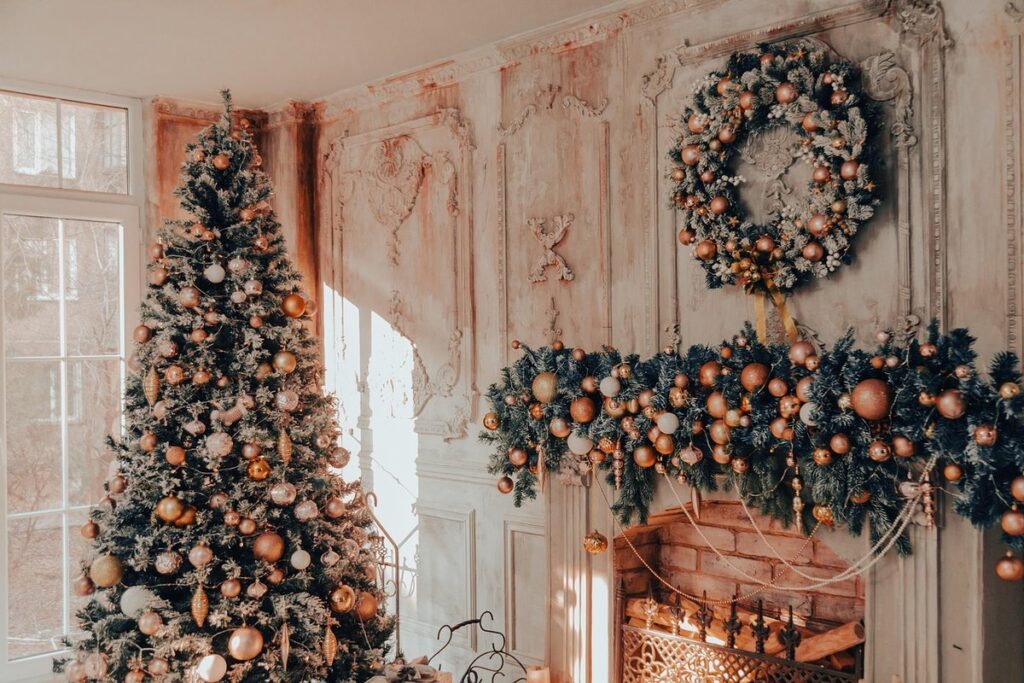
Imagine yourself strolling through the cobblestone streets of a quaint Provençal village, surrounded by twinkling lights, festive scents, and the warm glow of Christmas markets. The magic of Provence’s unique Christmas markets is a truly immersive experience that combines local products with cultural heritage and a joyful atmosphere. If you’re anything like me, you’ll fall under their spell and want to soak up every moment. But what makes these markets so special? And how can you make the most of your visit? In this article, I’ll share insider tips on visiting and shopping at Provence’s Christmas markets, as well as offer advice on immersing yourself in Provençal culture. By the end of it, you’ll be able to navigate these enchanting events like a local and discover their hidden treasures for yourself.

Understanding the Magic of Provence Christmas Markets
Welcome to the heart of the holiday season in Provence, where festive markets transform charming villages into winter wonderlands. Here, you’ll discover the unique charm and traditions that make these markets a must-visit during Christmas time.
What Are Provence Christmas Markets?
Provence Christmas markets are a distinctive celebration of the holiday season, weaving together festive atmosphere, local products, and cultural heritage. At their core, these markets are an opportunity to immerse yourself in the region’s rich traditions and history. You’ll find a mix of artisanal goods, regional delicacies, and traditional festivities that showcase Provence’s unique character.
One of the defining features of Provence Christmas markets is the emphasis on local products and craftsmanship. Expect to find handmade items like pottery, textiles, and woodcarvings, often created by the artisans themselves. You’ll also sample regional specialties such as olive oil, honey, and wine, which are perfect for pairing with festive foods or taking home as souvenirs.
The markets themselves are often held in picturesque settings, such as historic town squares, medieval villages, or even castle courtyards. The atmosphere is lively and inviting, with twinkling lights, garlands of greenery, and the scent of mulled wine and roasting chestnuts wafting through the air. As you wander through the stalls, you’ll get a glimpse into the region’s rich cultural heritage, from traditional crafts to local cuisine.
Brief History of Christmas Markets in Provence
Christmas markets have a rich history in Provence, dating back to the 16th century when they were first introduced by German and Austrian traders. The word ” marché de Noël” was initially used to describe these festive gatherings, which took place primarily in cities like Avignon and Arles. These early markets sold traditional Christmas goods such as candles, toys, and ornaments.
Over time, the influence of regional customs and traditions became apparent. In Provence, the emphasis shifted towards selling local products, including olive oil, wine, and textiles. This emphasis on local produce allowed Provençal vendors to showcase their unique wares alongside international Christmas items. By the 20th century, Christmas markets had become an integral part of Provençal culture, with many towns hosting their own festive events.
Today, visitors can still experience this blend of regional and international influences at Provence’s Christmas markets. When browsing these stalls, look for local specialties like hand-painted pottery from Apt or handmade lavender soaps from Grasse. Be sure to try some Provençal delicacies, such as tapenade or bouillabaisse, which are often sold alongside festive treats like gingerbread and mulled wine.
Key Features of Provence Christmas Markets
What sets Provence Christmas markets apart from others is their strong focus on showcasing local artisanal goods, traditional food, and festive ambiance. One of the defining features is the emphasis on handmade products, such as ceramics, textiles, and jewelry, crafted by regional artisans. Visitors can expect to find unique, high-quality items that reflect the region’s rich cultural heritage.
Another key feature is the abundance of traditional Provençal delicacies, including roasted chestnuts, mulled wine, and local specialties like tapenade and olive oil. Market stalls often offer samples and tastings, allowing visitors to experience the full flavors of the region. The festive atmosphere is equally immersive, with twinkling lights, garlands of greenery, and the scent of pine wafting through the air.
In contrast to larger commercial markets, Provence Christmas markets tend to be smaller and more intimate, creating a sense of community among vendors and visitors alike. This focus on local character and charm makes each market feel distinct and authentic, offering an unforgettable experience for those who visit.
Planning Your Visit to a Provence Christmas Market
When visiting a Provence Christmas market, it’s essential to plan ahead for a magical and memorable experience, from transportation to what you should wear. We’ll cover the key details to consider before your trip.
Choosing the Right Market for You
When selecting a Provence Christmas market, consider what matters most to you. Are you interested in browsing local artisans’ wares, sampling regional delicacies, or immersing yourself in festive atmosphere? Some markets specialize in handmade crafts, while others focus on food and wine. For instance, Arles’ Christmas market is renowned for its artisanal jewelry and textiles, making it a great choice if you’re looking to purchase unique gifts.
Location also plays a significant role. If you’re staying in Avignon or Aix-en-Provence, consider visiting the markets in these towns. These events are often within walking distance or a short drive from local accommodations. On the other hand, if you’re based near the Mediterranean coast, head to the markets in Saint-Rémy-de-Provence or Les Baux-de-Provence.
Lastly, think about your time constraints. Some markets take place over several days, while others are one-day events. Check the market’s duration and plan accordingly. For example, the Aix-en-Provence Christmas market typically runs for two weeks, allowing visitors to browse at their leisure. By considering these factors, you can choose a market that suits your interests and schedule.
Getting There: Transportation and Accommodation Options
Reaching a Provence Christmas market can be an adventure in itself. If you’re planning to drive, be aware that some markets are located in rural areas with limited parking options. Consider booking a guided tour or using public transportation instead. The nearest airport is usually Marseille-Provence Airport (MRS), but Nice Côte d’Azur Airport (NCE) and Avignon-Papetière Airport (AVN) also offer convenient connections to nearby towns.
Once you’ve arrived, finding accommodation can be a challenge during peak season. Book your hotel or B&B in advance, especially if you’re planning to visit popular markets like the one in Annecy or the Christmas Village in Aix-en-Provence. Some hotels offer special packages and discounts for market-goers, so it’s worth inquiring about these when booking.
For those who prefer to travel by train, TGV lines connect major cities like Paris and Lyon to Provence towns with Christmas markets. From there, you can take local buses or taxis to reach your destination. Alternatively, consider renting a car or hiring a driver for the day to make the most of your visit. Whatever your chosen mode of transportation, be sure to plan ahead and research parking options in advance to ensure a stress-free experience.
What to Expect at a Provence Christmas Market
As you step into the festive atmosphere of a traditional Provence Christmas market, you’ll be surrounded by local artisans, delicious food, and unique gifts. Here’s what to look forward to at these magical winter markets.
Immersive Festive Atmosphere
As you wander through a Provence Christmas Market, you’re enveloped by an immersive festive atmosphere that’s both enchanting and authentic. Traditional decorations set the tone for the season: twinkling lights adorn the stalls and buildings, while garlands of fresh greenery – often rosemary or thyme – add a fragrant touch to the market’s ambiance. The air is filled with the sweet scent of baked goods wafting from nearby patisseries, enticing you to try local specialties like panettone or bûche de Noël.
Live music and local performers add to the festive atmosphere. You might be treated to the soulful sounds of a French folk band or the lively rhythms of a traditional Provençal dance troupe. Meanwhile, artisans demonstrate their crafts – weaving baskets, carving wooden decorations, or painting ceramics – offering a glimpse into the region’s rich artisanal heritage.
Take a moment to appreciate the sensory details: the soft glow of candlelit stalls, the colorful array of festive fabrics on display, and the tantalizing aromas emanating from food vendors. As you soak up the atmosphere, remember that it’s the perfect opportunity to capture memories with family and friends – or simply to immerse yourself in the magic of a traditional Provence Christmas Market.
Sampling Local Products and Delicacies
At a Provence Christmas market, you’ll have the opportunity to sample an array of local products and delicacies that showcase the region’s rich gastronomic heritage. Begin by exploring the market stalls offering artisanal olive oils, each with its own distinct flavor profile and aroma. These oils are often infused with herbs like rosemary or lavender, adding a unique twist to traditional Provençal cooking.
Next, visit the wine vendors, who offer an assortment of local wines, including rosé, red, and white varieties. Be sure to ask about pairing suggestions for the season’s delicacies, such as foie gras and truffles. These luxurious ingredients are typically available in limited quantities, so be prepared to act quickly.
Some stalls may also feature traditional Provençal specialties like tapenade, bouillabaisse, or ratatouille. Be adventurous and try new flavors, but don’t be afraid to ask for recommendations from the vendors themselves. They often have insider knowledge on the best pairings and can help you navigate the market’s culinary offerings.
Shopping for Artisanal Goods and Souvenirs
When browsing the stalls at Provence Christmas markets, it’s easy to get caught up in the charm of handmade artisanal goods and souvenirs. Where do you start your shopping adventure?
Unique Handmade Items to Take Home
When browsing the stalls at a Provence Christmas market, you’ll find an array of exceptional handmade items perfect for taking home. Look out for intricately patterned textiles such as Provençal fabrics, embroidered linens, and hand-knitted scarves. Potteries and ceramics are also abundant, with artisans showcasing their skills in creating unique pieces like decorative vases, functional bowls, and ornaments. Woodwork enthusiasts will delight in the beautifully crafted wooden decorations, figurines, and utensils.
Consider your interests and budget when selecting a souvenir or gift. If you’re drawn to textiles, check for the “made in France” label to ensure authenticity. For pottery and ceramics, inspect the craftsmanship and look for makers’ marks or signatures. Woodwork items may feature regional symbols or motifs – keep an eye out for these details.
To take your shopping experience to the next level, try these tips: ask stallholders about their inspiration and creative process; inquire about the materials used in each piece; and don’t be afraid to negotiate prices, especially if you’re purchasing multiple items. By doing so, you’ll not only find unique souvenirs but also support local artisans and contribute to the market’s community-driven spirit.
Supporting Local Artisans and Small Businesses
When shopping for artisanal goods at a Provence Christmas market, it’s essential to consider supporting local artisans and small businesses. Buying directly from these vendors not only ensures you’re taking home authentic, handmade products but also has a positive impact on the community and environment.
By purchasing from local artisans, you’re injecting funds directly into the local economy. This benefits the artists themselves, as well as the surrounding towns and villages that often rely heavily on tourism. In turn, this investment can lead to improvements in infrastructure, services, and overall quality of life for residents.
Supporting small businesses also promotes environmental sustainability. Mass-produced goods often have a significant carbon footprint due to transportation costs. In contrast, local artisans typically source materials from nearby suppliers or even grow their own products, minimizing the ecological impact of their creations. As you browse through stalls, look for signs indicating that vendors are part of local cooperatives or associations – this is a good indication that your purchase will have a positive ripple effect on the community. By making conscious choices as a consumer, you can contribute to the well-being of both people and the planet.
Immersing Yourself in Provencal Culture
To truly experience the magic of Christmas markets in Provence, you’ll want to surround yourself in the local culture and traditions that make these events so special. Let’s start by exploring the customs and ways of life that shape the festive season in this charming region.
Traditional Festivities and Events
During the Christmas market season in Provence, you’ll find a lively atmosphere filled with traditional festivities and events. One of the most iconic and festive dances is the ‘Bébé dans les nuages’ (Baby in the Clouds), a beautiful traditional dance that showcases the region’s rich cultural heritage. You may have the opportunity to witness this enchanting performance at one of the many Christmas markets, particularly in larger towns like Arles or Avignon.
Folk music performances are also an integral part of Provence’s Christmas market scene. Expect to be serenaded by local musicians playing traditional instruments like the accordion and guitar, often accompanied by festive songs and carols that will get you into the holiday spirit. These impromptu performances add to the market’s lively atmosphere, making it a truly immersive experience for visitors.
Some markets may also host other events, such as Christmas-themed craft workshops or decorations-making sessions, where you can learn about traditional Provencal crafts like ceramics and weaving. Be sure to check the market schedule in advance to catch these unique activities and make the most of your visit.
Local Cuisine: Recipes and Pairing Suggestions
Provence is renowned for its rich gastronomic heritage, which shines brightly during Christmas market season. Traditional dishes like Bouillabaisse, a hearty fish soup originating from Marseille, and Tarte Provençale, a savory tart filled with vegetables and sometimes meat or eggs, are staples of the region’s cuisine. For a taste of authenticity, try making these classic recipes at home.
To pair your local delicacies with the perfect beverage, consider the following options:
- Wine: A dry Rosé from Bandol or a rich red wine from Châteauneuf-du-Pape complement the bold flavors of Bouillabaisse.
- Spirits: Pastis, an anise-flavored spirit popular in Provence, pairs well with Tarte Provençale and other savory dishes.
When shopping for local ingredients at the Christmas market, look for vendors selling fresh produce, artisanal cheeses, and cured meats. These products are often used in traditional recipes and can add a touch of authenticity to your holiday cooking.
Tips for Visitors: Budget-Friendly and Practical Advice
As you plan your Provence Christmas market adventure, be sure to set a realistic budget and prioritize the must-see stalls and activities that suit your interests and preferences. Consider these practical tips for a stress-free visit.
Money-Saving Tips and Tricks
When exploring the festive stalls and vendors at a Provence Christmas market, it’s easy to get caught up in the excitement of discovering local treasures. However, overspending on food, drinks, or souvenirs can quickly add up. To avoid breaking the bank, look for affordable food options like hot chocolate and mulled wine, often priced around 2-3 euros per cup. You’ll also find plenty of free samples to try, such as regional specialties like foie gras and terrines.
For ticketed events or activities, consider purchasing tickets in advance online to save time and money. Some markets may offer package deals or discounts for certain events, so it’s worth checking the official website beforehand. Be mindful of your spending on artisanal goods and souvenirs, as prices can be steep due to high demand.
To avoid overspending, set a daily budget and stick to it. A good rule of thumb is to allocate about 20-30% of your daily budget for shopping, leaving the rest for food, drinks, and other expenses. By being mindful of your spending habits and taking advantage of free samples and affordable options, you can enjoy the market experience without breaking the bank.
Safety and Accessibility Precautions
Many stalls at Provence Christmas markets are wheelchair-accessible, but it’s a good idea to scout out the layout beforehand and identify these areas. Some larger markets may have designated accessible zones or paths for wheelchairs and mobility scooters. Look for signs indicating accessible stalls or ask market staff for guidance.
In addition to physical accessibility, some markets offer audio descriptions or sign language interpretation for visitors who are deaf or hard of hearing. For example, the Christmas market in Arles has a dedicated area with sign language interpreters during peak hours.
If you need assistance with mobility or have specific requirements, consider bringing a companion or asking a staff member for help. Many vendors and volunteers are happy to assist with carrying purchases or providing additional support.
For visitors who require wheelchair-accessible rest areas, some markets offer designated accessible restrooms or quiet spaces. The Aix-en-Provence Christmas market, for instance, has an accessible restroom facility near the main entrance.
Frequently Asked Questions (FAQs)
When attending Provence Christmas markets for the first time, it’s natural to have some questions. Are these markets only found in large towns like Avignon and Arles? No, you can find them in smaller villages too. What kind of products will I see at a typical market stall? Expect local handmade crafts, decorations, and gourmet food items like olive oil, soap, and wine. Are Provence Christmas markets similar to German or Austrian ones? While they share some similarities, Provence has its own unique character and charm. Can I shop online if I can’t make it in person? Some sellers may have online platforms, but many prefer to sell directly at the market for a more personal experience. What time of year do these markets usually take place? They typically start in late November or early December and run through Christmas Eve.
Frequently Asked Questions
How Can I Find Out If a Specific Market Has Wheelchair Accessibility?
Yes, many Provence Christmas markets have wheelchair-accessible stalls and rest areas. You can check the market’s official website or contact them directly to confirm accessibility features before planning your visit. Some popular markets also provide maps or guides highlighting accessible routes and facilities.
What if I Don’t Speak French? Can I Still Enjoy the Market Experience?
While it’s true that some vendors may not speak English, many Christmas markets in Provence now cater to international visitors. Look for signs indicating English-speaking staff or vendors who can assist you with translations. Additionally, consider purchasing a guidebook or downloading a translation app on your phone to help navigate stalls and interactions.
Can I Bring My Pet to the Market?
Yes, pets are generally welcome at Provence Christmas markets, but it’s essential to check with individual market organizers beforehand as some may have specific rules or restrictions in place. Be considerate of other visitors and keep your pet under control while exploring the market.
What if I Want to Visit Multiple Markets in One Trip? Which Ones Are Recommended?
Popular markets like Arles, Avignon, and Aix-en-Provence are great starting points for first-time visitors. Consider visiting smaller villages or towns as well, such as Les Baux-de-Provence or Saint-Rémy-de-Provence, which offer a more intimate market experience. Research each location’s unique offerings to create an itinerary tailored to your interests.
Can I Buy Artisanal Goods and Local Products Online Before Visiting the Market?
Yes, many local artisans now sell their products online through websites or social media platforms. Take advantage of this opportunity to browse and purchase items before visiting the market in person. Some vendors may also offer pre-orders or special discounts for early customers.