
Eastern Europe is often overlooked by travelers in favor of more popular destinations, but this region is home to some of the most unique cultures, histories, and landscapes on the continent. From the snow-capped mountains of Poland to the sun-kissed beaches of Bulgaria, each country has its own distinct charm waiting to be discovered. You may know that Eastern Europe played a pivotal role in shaping European history, but what you might not know is that this region is also home to some of the world’s most vibrant cities, delicious traditional cuisine, and breathtaking natural beauty. In this article, we’ll take you on a journey through must-visit places like Krakow and Budapest, introduce you to the rich traditions and customs of the region, and guide you through the best food and drink experiences Eastern Europe has to offer, so by the time you finish reading, you’ll be equipped with insider knowledge to plan your own unforgettable trip.
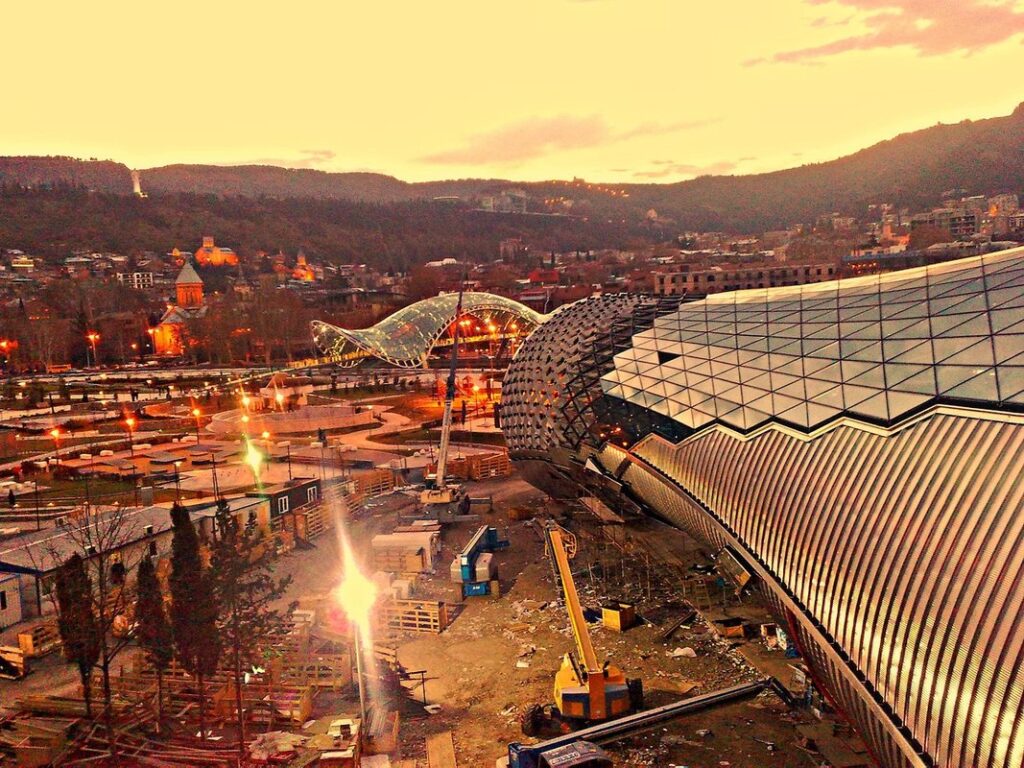
Overview of Eastern European Countries
As you start exploring Eastern Europe, it’s essential to understand the unique characteristics and cultural nuances that define each country. This overview will introduce you to the diverse nations that make up this fascinating region.
The Region’s Geography and Climate
Eastern European countries are nestled between the Baltic Sea to the north and the Black Sea to the south. This strategic location has influenced the region’s climate, with a mix of temperate and continental influences. Winters can be harsh, especially in the northern regions, while summers are generally warm but may experience sudden temperature drops.
The terrain varies greatly from country to country. Poland, for instance, is home to the Tatra Mountains, while the Czech Republic boasts a more gently rolling landscape. Hungary’s Great Hungarian Plain dominates its geography. The Carpathian Mountains run through Romania and Ukraine, dividing these countries from the rest of Eastern Europe.
A small minority of areas are susceptible to flooding due to their proximity to major rivers such as the Danube or Vistula. However, many regions experience low humidity levels during most seasons, making them ideal for exploring. In general, temperatures drop significantly in winter months (December to February), while spring and autumn seasons offer more pleasant weather conditions with mild temperatures (10-20°C/50-68°F) and relatively clear skies.
Brief History of Eastern Europe
Eastern Europe has been shaped by a complex tapestry of empires, invasions, and revolutions over the centuries. The region was once part of the Roman Empire, with many cities still bearing witness to its grandeur, such as Rome’s easternmost outpost, Split in Croatia. As the Roman Empire declined, various tribes and empires vied for control, including the Huns, Goths, and Slavs.
The Middle Ages saw the rise of powerful kingdoms and empires, like the Kingdom of Hungary and the Grand Duchy of Lithuania, which played a significant role in shaping Eastern Europe’s culture and politics. The Ottoman Empire brought Islamic influence to the region, while the Holy Roman Empire and Polish-Lithuanian Commonwealth fought for dominance.
The 19th and early 20th centuries saw a series of nationalist movements and revolutions that led to the formation of modern-day states. World War II had a devastating impact on Eastern Europe, with many countries suffering under Soviet occupation or fascist rule. The fall of communism in 1989 marked a new era for the region, as it transitioned towards democracy and capitalism. Understanding this complex history is essential for appreciating the rich cultural heritage and diversity that defines Eastern Europe today.
Poland: A Country at the Heart of Europe
Poland is a country rich in history, culture, and natural beauty, with its strategic location making it a fascinating blend of Eastern European charm and Western influence. From medieval architecture to vibrant cities, Poland has much to offer visitors.
Culture and Traditions in Poland
Polish customs and traditions are a rich tapestry of folk heritage and modern urban life. You’ll find vibrant festivals throughout the year, such as the Krakow Film Festival, which showcases Polish cinema to a global audience. The country’s love for celebration is perhaps best exemplified by its numerous Easter markets, where traditional food, crafts, and music come together in colorful displays.
Polish folk heritage is also evident in its traditional dress, which varies across regions but often features intricately embroidered clothing and ornate headdresses. You can experience this rich cultural heritage firsthand at festivals like the annual Tatra Mountains Festival or by visiting a local museum showcasing traditional textiles.
In contrast to these traditional celebrations, modern Polish cities like Warsaw and Krakow offer a more urban experience. You can explore trendy neighborhoods filled with street art, independent cafes, and vintage shops. These cities also boast world-class museums, theaters, and music venues that showcase the country’s thriving arts scene. By immersing yourself in both Poland’s folk traditions and its modern culture, you’ll gain a deeper understanding of this complex and captivating country.
Must-Visit Places in Poland
Poland boasts a rich tapestry of historical sites, natural wonders, and cultural attractions. Start with Wawel Hill in Krakow, where you’ll find the stunning Wawel Cathedral and the former royal palace. This imposing complex is steeped in history, having served as the coronation site for Polish monarchs.
Next, visit the Auschwitz-Birkenau Memorial and Museum, a poignant reminder of the country’s somber past. The museum showcases the atrocities that occurred within its walls during World War II. Be sure to book tickets in advance to avoid long wait times.
For a taste of Poland’s natural beauty, head to the Tatra Mountains, where you can hike, bike, or ski amidst breathtaking scenery. Alternatively, explore the picturesque town of Zakopane, nestled at the foot of the mountains and famous for its wooden architecture and traditional highlander culture.
Other must-visit attractions include the stunning Malbork Castle in northern Poland, a UNESCO World Heritage Site and one of the largest brick castles in Europe. The city of Gdansk is also worth exploring, with its colorful buildings, lively markets, and rich maritime history.
The Czech Republic: A Land of Beer and Culture
Get ready to experience the rich history, vibrant culture, and world-renowned beer that makes the Czech Republic a standout destination in Eastern Europe. From Prague’s stunning architecture to traditional folk music, discover what this enchanting country has to offer.
Prague: The City of a Hundred Spires
Prague’s architecture is a mesmerizing blend of Gothic, Renaissance, and Baroque styles, with over 1,000 preserved buildings from the medieval period. The city’s famous landmarks, such as St. Vitus Cathedral and Charles Bridge, are testaments to its rich history and cultural significance. These iconic structures have been shaped by centuries of influence from European powers, including the Holy Roman Empire and the Habsburgs.
The Old Town Square is a must-visit destination, with its vibrant atmosphere and stunning architecture. The Astronomical Clock, built in 1410, is one of the oldest and most impressive timepieces in the world. Meanwhile, the Jewish Quarter, Josefov, offers a glimpse into Prague’s complex history, with its preserved synagogues and museums.
Some hidden gems await discovery in lesser-known neighborhoods like Smíchov and Karlín. These areas are filled with charming cafes, boutiques, and art galleries, showcasing the city’s thriving cultural scene. Visitors can explore these off-the-beaten-path areas to experience Prague’s authentic charm and creativity.
Czech Cuisine and Traditions
Czech cuisine is a hearty reflection of the country’s history and geography. Traditional dishes like roasted pork with dumplings and sauerkraut, as well as beef goulash, are staples in many Czech households. But it’s not just about the food – Czechs place great importance on mealtimes as social gatherings. Family and friends often come together for Sunday roast dinners or festive holidays like Christmas.
The country’s love affair with beer is also deeply ingrained in its culture. Visitors can sample a wide range of local brews, from crisp lagers to rich dark beers. Beer halls and pubs are common gathering places, where locals share stories and enjoy each other’s company over a pint (or two). Some popular Czech beer festivals, like the Prague Beer Festival, attract visitors from around the world.
A unique aspect of Czech cuisine is its emphasis on seasonal ingredients. During the summer months, fresh fruits and vegetables are incorporated into traditional dishes, while winter sees hearty stews and soups made with root vegetables and game meats. For travelers, exploring local markets or trying authentic street food can provide a genuine taste of Czech culture.
Hungary: Land of Thermal Waters and Rich History
Hungary is a treasure trove of natural wonders, from its stunning thermal lakes to ancient ruins that whisper secrets of the past. Let’s explore this enchanting land together.
Exploring Budapest’s thermal Baths and Spas
Budapest’s thermal baths and spas are a vital part of the city’s culture and history. The Romans first built public baths here over 2,000 years ago, followed by the Ottomans who introduced their own unique designs. Today, visitors can still soak in the warm waters at many of these historic sites.
Széchenyi Thermal Bath is one of the most popular and largest public baths in Budapest. Its stunning Art Nouveau building is a work of art itself, with high ceilings and intricate details. The bath complex offers a range of pools, saunas, and massage services. Another favorite among visitors is Rudas Baths, which boasts an impressive collection of Ottoman-era artifacts.
In addition to these larger complexes, there are also numerous smaller thermal baths and spas throughout the city that offer a more intimate experience. Some popular options include Király Thermal Bath and Gellért Baths. Visitors can enjoy a relaxing soak in the warm waters, take a massage or spa treatment, or simply unwind in the peaceful surroundings.
To make the most of Budapest’s thermal bath scene, it’s best to plan ahead. Many baths have designated hours for visitors, so check opening times before heading out. Some also offer discounts or packages for long-term stays or repeat visits.
Hungarian Cuisine: Goulash and Beyond
Hungarian cuisine is often associated with hearty stews and rich flavors. At its core, Hungarian cooking revolves around a few fundamental ingredients: pork, beef, chicken, paprika, garlic, onions, caraway seeds, and sour cream. Goulash, the national dish of Hungary, is a staple that showcases these ingredients in a thick, flavorful broth. However, beyond goulash lies a world of diverse Hungarian cuisine.
Hungarians love their meat dishes, but fish plays an important role too, particularly when it comes to river fish like carp and pikeperch. The country’s northern regions are famous for their halászlé (spicy fish soup), while the Danube River delta is renowned for its fresh seafood. Vegetarian options might be scarce in traditional Hungarian cuisine, but modern restaurants have started incorporating more plant-based dishes.
When exploring Hungarian cuisine, it’s essential to try a few key dishes: székelygulyás (a hearty meat stew from Transylvania), halászlé (spicy fish soup), and rétes (strudel filled with meat, cheese, or fruits). Don’t be afraid to ask for local specialties at traditional restaurants or food stalls. Even small towns have their own unique dishes that showcase the country’s culinary diversity.
Croatia: A Coastal Gem with a Rich History
Croatia’s stunning coastline and rich history have made it a favorite among travelers, but there’s more to this beautiful country than just its beaches. Get ready to discover its hidden gems and cultural treasures.
Dubrovnik: The Pearl of the Adriatic
Dubrovnik’s medieval walls are a testament to the city’s rich history and cultural significance. The old town is encircled by these imposing fortifications, which have been remarkably well-preserved over the centuries. As you walk along the walls, you’ll notice the distinctive red-tiled roofs of the buildings within, adding a pop of color to the otherwise predominantly stone façades.
The coastline surrounding Dubrovnik is equally breathtaking, with crystal-clear waters lapping against the shore and limestone cliffs rising up from the sea. The city’s stunning natural beauty has made it a popular destination for visitors, but its cultural significance shouldn’t be overlooked. Dubrovnik was once a major trading hub, and its architecture still reflects this heritage.
The old town is divided into four main streets: Stradun, Placa, Od Puca, and Brsalje. Each street offers a unique glimpse into the city’s past, with historic buildings, churches, and museums to explore. Be sure to visit the Franciscan Monastery, which houses one of the oldest pharmacies in Europe, or the Rector’s Palace, where you can learn about Dubrovnik’s rich history through interactive exhibits.
Some popular attractions within the old town include the Lovrijenac Fortress, a 14th-century fortress built into the rocky coastline, and the Onofrio’s Fountain, a stunning example of Renaissance architecture.
Plitvice Lakes National Park
As you wander through Plitvice Lakes National Park, the crystal-clear waters and lush vegetation will transport you to a world of serenity. This UNESCO World Heritage Site is a must-visit for nature lovers, with its turquoise lakes, waterfalls, and tranquil atmosphere. The park’s 16 interconnected lakes are a result of thousands of years of tectonic activity, which has created a unique landscape of travertine barriers and cascading water.
To fully experience the park’s natural beauty, consider exploring it on foot or by boat. The hiking trails offer breathtaking views of the lakes and surrounding vegetation, while a boat ride allows you to get up close and personal with the waterfalls. Be sure to take your time and soak in the scenery – the park’s tranquility is infectious.
When visiting Plitvice Lakes National Park, keep an eye out for the park’s unique wildlife, including birds, fish, and even the occasional bear. The park is also home to a variety of plant species, including trees, shrubs, and wildflowers. With its stunning natural beauty and rich biodiversity, Plitvice Lakes National Park is an unforgettable experience that will leave you in awe.
Romania: A Country with a Rich Cultural Heritage
Romania is home to a vibrant cultural landscape shaped by its complex history, from medieval Transylvanian fortresses to the lively streets of Bucharest. Let’s take a closer look at this fascinating country.
Transylvania’s Folk Traditions and History
Transylvania’s folk traditions are a unique blend of Hungarian, Romanian, and Saxon influences. The region is home to numerous festivals throughout the year, each showcasing its rich cultural heritage. One of the most significant events is the Transylvanian Ethnographic Festival, which takes place in July. Here, you can witness traditional dances, music, and crafts, including intricate woodcarvings and embroidered clothing.
The region’s folk music is characterized by the use of instruments such as the cimbalom and the taragot. These sounds are often accompanied by haunting vocal melodies that evoke a sense of mysticism and tradition. You can experience this unique sound firsthand by attending a traditional folk concert or by visiting one of the many museums dedicated to Transylvanian culture.
In addition to its vibrant festivals and rich music scene, Transylvania is also home to numerous traditional crafts. The region is famous for its woodcarvings, which often feature intricate designs and patterns inspired by nature. You can see examples of these carvings in local markets or at the National Museum of Transylvanian History in Cluj-Napoca.
Bran Castle: The Dracula Connection
Bran Castle, perched atop a hill near Bran village, is one of Romania’s most iconic landmarks. Its Gothic turrets and battlements evoke images of medieval grandeur, but it’s its connection to Bram Stoker’s Dracula that has cemented its place in popular culture. Built in the 14th century as a fortress to protect against invading Hungarians, Bran Castle has undergone several transformations over the centuries.
Today, visitors can explore the castle’s labyrinthine corridors and admire its ornate furnishings. The interior is a testament to Romanian architecture, with woodcarvings, stone fireplaces, and ornate plasterwork. Despite its association with Count Dracula, the castle itself has no direct connection to Stoker’s novel; it was simply chosen as the inspiration for the fictional character’s lair due to its foreboding atmosphere.
One of the most striking features of Bran Castle is its collection of artifacts related to Vlad the Impaler, the historical figure who inspired Stoker’s creation. The castle also hosts a museum showcasing Romanian folklore and mythology, adding to its cultural significance. Visitors can spend hours exploring the castle’s nooks and crannies, and learning about its rich history and cultural importance.
Bulgaria: A Country on the Rise
Bulgaria is a hidden gem waiting to be discovered, offering a unique blend of history, culture, and natural beauty that’s hard to find elsewhere in Eastern Europe. Let’s take a closer look at what makes Bulgaria so special.
Sofia: The City of Contrasts
Sofia is a city like no other. Amidst ancient ruins and Ottoman mosques, modern skyscrapers pierce the sky, creating a unique blend of cultures and traditions that define Bulgaria’s capital. The history of Sofia is etched on its walls – the Roman era is evident in the remains of the Serdica Amphitheatre, while the Ottoman Empire left behind the Banya Bashi Mosque, one of the oldest in the city.
The mix of old and new is not limited to architecture; Sofia’s cultural scene reflects this blend. Traditional Bulgarian taverns serve up hearty meze platters alongside modern fusion cuisine. The city’s many museums showcase a range of artistic styles, from ancient artifacts to contemporary installations. Visitors can explore the vibrant streets of the city center or venture into one of the many neighborhoods, each with its own distinct character.
Despite its eclectic feel, Sofia has undergone significant transformation in recent years. Efforts to revitalize public spaces have transformed areas like the Central Market Hall and the nearby Vitosha Boulevard into hubs of activity. The result is a city that seamlessly blends tradition and innovation – making it an exciting destination for travelers looking to experience Eastern Europe’s unique cultural heritage firsthand.
Bulgarian Cuisine: Meze and More
Bulgarian cuisine is a treasure trove of flavors, with a unique blend of Mediterranean, Ottoman, and Slavic influences. Meze, small plates of food, are an integral part of Bulgarian dining culture. Popular meze dishes include shopska salad (a mix of tomatoes, cucumbers, and feta cheese), tarator (a cold yogurt soup), and banitsa (flaky pastry filled with feta cheese or spinach). These small plates often accompany a main course or are served as an appetizer.
When cooking Bulgarian-style, don’t be afraid to experiment with fresh vegetables, herbs, and spices. A staple ingredient in many Bulgarian dishes is hot paprika, which adds a smoky depth to soups, stews, and roasted meats. Another essential component of Bulgarian cuisine is the use of yogurt, often used as a marinade or mixed with garlic and herbs to create a sauce.
Some practical tips for cooking Bulgarian-style include using locally sourced ingredients whenever possible, such as fresh vegetables from the Sofia Central Market or homemade yogurt from a local farm. Additionally, don’t be afraid to try new spices and flavor combinations – they’re an essential part of what makes Bulgarian cuisine so unique.
Frequently Asked Questions
Can I visit all Eastern European countries in one trip?
Yes. With careful planning and research, it’s possible to visit multiple Eastern European countries on a single trip. Consider focusing on neighboring countries with similar cultural or geographical characteristics, such as Poland and the Czech Republic.
How do I avoid tourist traps when exploring Eastern Europe’s old towns?
Be mindful of areas that are heavily commercialized or overpriced, and instead opt for local recommendations from expats, travelers, or locals who can guide you to authentic experiences. Research beforehand and plan ahead to make the most of your time in each city.
What if I’m traveling on a budget? Can I still enjoy Eastern Europe’s rich culture?
Absolutely. Many Eastern European countries offer affordable accommodations, dining options, and activities that won’t break the bank. Consider staying in hostels or Airbnb apartments, trying local street food or markets, and exploring free museums and historical sites.
How do I navigate language barriers while traveling through Eastern Europe?
While many Eastern Europeans speak some English, especially younger people and those in the service industry, it’s still a good idea to learn basic phrases like “hello,” “thank you,” and “excuse me” in the local language. Downloading translation apps or carrying a phrasebook can also help facilitate communication.
What are some essential items to pack for traveling through Eastern Europe?
Be sure to pack layers for unpredictable weather, comfortable shoes for walking, and power adapters for charging your devices. Consider bringing a portable charger, a money belt, and a guidebook with information on local customs and etiquette.

