Polish cuisine is more than just hearty stews and rich sauces, although those are indeed staples. It’s about family gatherings around the dinner table, sharing stories and laughter over traditional dishes that have been passed down through generations. For many Poles, food is a way to connect with their heritage and culture. Traditional Polish cooking often features ingredients like pork, beef, and vegetables, combined in rich flavorsome ways that warm the heart as much as they fill the belly. This article will take you on a journey through some of Poland’s most beloved dishes, from pierogi to bigos, exploring how food brings people together in this vibrant country. By the end of it, you’ll have gained a deeper appreciation for the rich history and flavors of traditional Polish cuisine.
The Rich History of Polish Food
Polish cuisine has a rich and storied history that spans centuries, shaped by its complex cultural heritage and geographical location. Let’s take a look at how regional specialties have contributed to this flavorful tradition.
Influences from Eastern Europe and Beyond
Polish cuisine has been shaped by its cultural heritage, reflecting influences from neighboring countries like Ukraine and Russia. The country’s strategic location at the crossroads of Eastern Europe has made it a melting pot of culinary traditions. Ukrainian dishes such as varenyky (dumplings filled with meat or cheese) have found their way into Polish cooking, often with modifications to suit local tastes.
Similarly, Russian influence can be seen in traditional Polish dishes like barszcz czerwony (beet soup), which is similar to Russia’s own borscht. The use of ingredients like dill and sour cream also reflects the country’s eastern heritage. In addition to these direct influences, Polish cuisine has also borrowed from other European traditions, particularly German and Austrian cooking.
For example, pierogi ruskie (potato and cheese dumplings) have a clear resemblance to German spätzle. The use of caraway seeds in traditional Polish breads like makowiec (poppy seed cake) is another example of the country’s culinary borrowings from neighboring cultures. These influences have enriched Polish cuisine, making it unique and flavorful.
Traditional Cooking Methods and Ingredients
Wood-fired ovens have long been a staple of traditional Polish cooking. These earthy ovens, often fueled by charcoal or wood, allow for slow-cooked stews and braises to tenderize tougher cuts of meat. Hearty meat dishes like bigos, a hunter’s stew made with pork, beef, and game meats, are simmered in these ovens for hours, infusing the flavors and creating a rich broth.
Locally sourced ingredients play a crucial role in traditional Polish cooking. Pork is a staple, often used in dishes like gołąbki (stuffed cabbage rolls) and pierogi ruskie (potato and cheese dumplings). Beef is also common, featured in hearty stews and soups. Game meats, such as venison and wild boar, are often slow-cooked in wood-fired ovens to add depth of flavor.
To replicate the flavors of traditional Polish cooking at home, consider investing in a cast-iron Dutch oven or a wood-fired oven (if possible). These cookware options allow for slow cooking and even heat distribution, essential for creating rich, tender dishes. When shopping for ingredients, look for locally sourced meats and vegetables to ensure authentic flavors.
Regional Polish Dishes: A Gastronomic Tour
As we journey through Poland’s regional specialties, let’s start in the south, where hearty bigos and flavorful pierogi ruskie await. These traditional dishes showcase the unique flavors of this picturesque region.
Silesian Specialties from Southern Poland
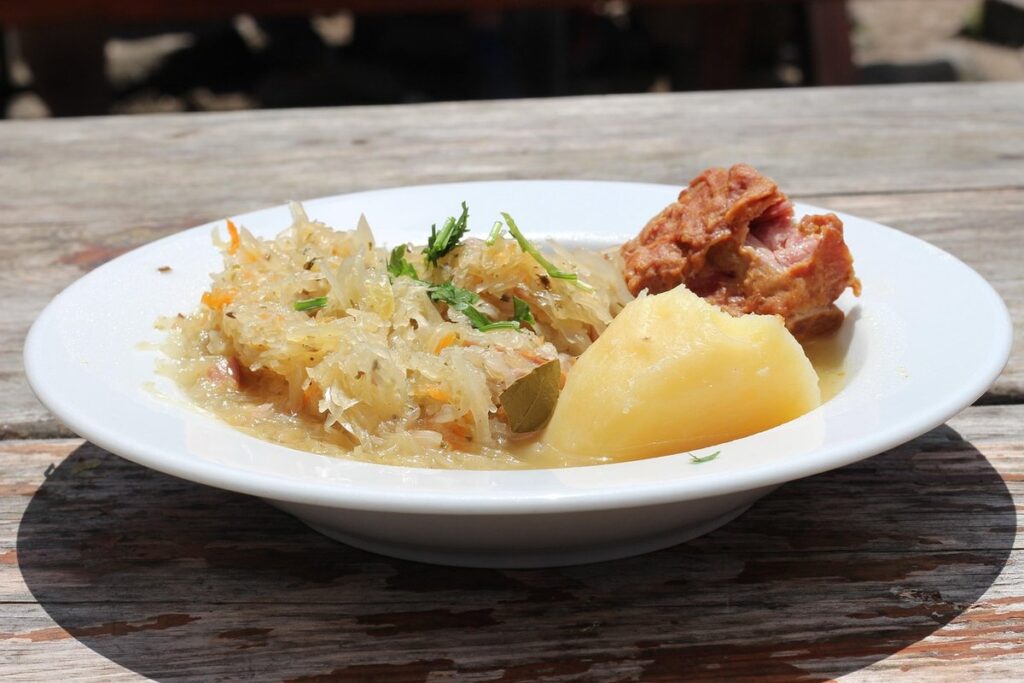
Silesian cuisine from southern Poland is a treasure trove of hearty and flavorful dishes. One of the most iconic specialties is bigos, a hunter’s stew made with a combination of meats such as pork, beef, and sausages, simmered in a rich broth with vegetables like cabbage and beans. This comforting dish is often served with rye bread or potatoes.
Another beloved Silesian favorite is gołąbki, stuffed cabbage rolls filled with a mix of ground meat and rice, wrapped in fresh cabbage leaves and simmered in a flavorful tomato-based sauce. The combination of tender cabbage and savory filling is a true delight.
For those with a sweet tooth, makowiec is a classic Polish poppy seed cake that originated in Silesia. Made with ground poppy seeds, honey, and walnuts, this moist and aromatic cake is often served as a dessert or snack during special occasions.
These regional specialties showcase the rich culinary heritage of southern Poland, where traditional cooking methods and local ingredients come together to create unique and delicious flavors. By trying these Silesian favorites, you can experience the authentic taste of Polish cuisine and connect with the region’s cultural identity.
Masurian Delights from Northeastern Poland
The Masurian region in northeastern Poland is known for its unique and flavorful dishes. One of the most beloved soups from this area is zurek, a sour rye soup made with fermented rye flour, meat or sauerkraut, and sometimes topped with a raw egg. The tangy flavor and thick consistency make it a hearty and comforting meal.
Kibinai are another popular treat in Masuria, filled with spiced minced meat or cheese, wrapped in a thin dough, and typically fried until golden brown. These pastries are often served as a snack or light lunch, accompanied by a side of sour cream or applesauce to balance their savory flavor.
The traditional ingredients used in Masurian cuisine are simple yet effective. Locals rely on local game such as pheasant and wild boar for added flavor and depth. Traditional cooking methods like smoking and pickling also play a significant role in preserving the region’s rich culinary heritage. Visitors can experience the authentic flavors of Masuria by trying zurek at a local restaurant or market stall, where it is often served with a side of rye bread.
Classic Polish Main Courses
Polish comfort food is all about hearty, satisfying dishes that warm the soul. Let’s start with some classic main courses that showcase the rich flavors and traditions of Poland’s regional cuisine.
Pierogi: The National Dish of Poland
Pierogi are a staple of Polish cuisine and are often referred to as the country’s national dish. These dumplings have been a part of Polish tradition for centuries, with their origins dating back to the 13th century. The word “pierogi” itself is derived from the Old Polish word “pyrago,” meaning “dumpling.”
The fillings for pierogi are as diverse as they are delicious, ranging from classic meat and potato combinations to more modern options like cheese and fruit. Some of the most popular fillings include ground pork with onions and mushrooms, sauerkraut, and caramelized bananas for a sweet twist.
When it comes to cooking pierogi, there are several methods to choose from. Boiling is a common approach, allowing the dumplings to cook through while retaining their delicate texture. Alternatively, frying or baking can add a crispy exterior and a golden-brown finish. To cook pierogi effectively, it’s essential to use a large pot of boiling water and to not overcrowd the pot, as this can cause the dumplings to stick together.
Some popular types of pierogi include Ruskie (filled with potatoes and cheese), Kielbasa (with ground meat and onions), and Szarlotka (a sweet version filled with apples). Experimenting with different fillings and cooking methods is a great way to add some variety to your pierogi recipes.
Bigos: A Hearty Hunter’s Stew
Bigos is a slow-cooked stew that embodies the hearty and comforting spirit of Polish cuisine. Its composition typically includes a variety of meats such as pork, beef, and sometimes venison or game sausage. These ingredients are simmered together with a medley of sauerkraut, mushrooms, onions, and caraway seeds to create a rich, savory broth.
The preparation of bigos often involves an overnight cooking process, allowing the flavors to meld together over time. This labor-intensive approach is reflective of the traditional Polish practice of preparing meals for large groups or families. Bigos is frequently served at social gatherings and celebrations, where its bold flavors can be shared and enjoyed by many.
In terms of preparation, it’s essential to choose a variety of meats that are suitable for slow-cooking. Pork shoulder or beef chuck work well, while game meats like venison should be cooked until tender. To enhance the dish’s flavor, use high-quality sauerkraut and caraway seeds, which add a distinctive tanginess. Bigos is often served with rye bread or boiled potatoes on the side, providing a satisfying accompaniment to this filling stew.
Traditional Polish Desserts
Polish desserts are a sweet reflection of the country’s rich cultural heritage, from classic makowiec to regional specialties like pierniki and pączki. Let’s indulge in these traditional treats that have captured the hearts of locals and visitors alike.
Makowiec: The Poppy Seed Cake Tradition
Makowiec, a traditional Polish poppy seed cake, holds a special place in the country’s culinary heritage. Its history dates back to the 17th century when it was popularized by Jewish communities in Poland. The cake’s name “makowiec” is derived from the Polish word for poppy seeds, emphasizing its primary ingredient.
Throughout Poland, makowiec has various regional interpretations. In some areas, it’s made with ground poppy seeds and honey, while others incorporate chopped walnuts or raisins for added texture and flavor. The cake’s density and moistness are often attributed to the use of ground poppy seeds, which provide a unique nutty taste.
In traditional Polish bakeries, makowiec is typically served as a sweet treat during special occasions such as weddings and holidays. Home cooks also prepare it for family gatherings and everyday meals. When making makowiec at home, it’s essential to note that the ratio of ground poppy seeds to other ingredients can greatly impact the final product’s texture and flavor.
To achieve the perfect balance, use a 1:1 ratio of ground poppy seeds to sugar, and be mindful of the amount of liquid used in the recipe.
Pączki: Deep-Fried Doughnuts for Fat Thursday
In Poland, Fat Thursday marks the beginning of the Lenten season, and it’s a day to indulge in sweet treats before the 40-day period of fasting. Pączki, deep-fried doughnuts filled with jam or cream, are a traditional dessert enjoyed on this occasion. These sweet pastries originated from Polish Jews, who adapted them from Middle Eastern traditions.
The name “pączki” is derived from the Polish word for “doughnut,” and these treats have become synonymous with Fat Thursday celebrations. In modern-day Poland, pączki are typically filled with rose or raspberry jam, though some bakeries may also offer other flavors like chocolate or cream. When purchasing pączki, look for authentic Polish bakeries that use high-quality ingredients and traditional techniques to create the perfect dough.
If you’re planning to try pączki at home, consider using a simple yeast-based dough recipe and filling the pastries with homemade jam or whipped cream. Be aware that making pączki can be time-consuming, as the dough needs to rise for several hours before frying. However, the end result is well worth the effort – crispy on the outside and fluffy on the inside, these sweet treats are sure to satisfy your cravings.
Polish Food and Culture: A Glimpse into Daily Life
Polish cuisine is deeply rooted in tradition, with mealtimes often being a chance to connect with family and friends over hearty dishes like bigos and pierogi. Let’s take a look at how food plays a central role in Polish daily life.
Traditional Polish Breakfasts and Meals
Polish breakfasts and midday meals are deeply rooted in traditional cooking methods and ingredients. Rye bread is a staple, often served with butter or cheese for a simple yet satisfying start to the day. You can also find more substantial options like gołąbki – stuffed cabbage rolls filled with meat and rice – or pierogi, which typically contain potatoes, cheese, or meat.
These dishes are not only delicious but also reflect Poland’s cultural heritage. Gołąbki, for instance, have their roots in traditional Polish cuisine from the Silesian region. Similarly, pierogi are a national dish that originated in various parts of Poland, with different regions putting their own twist on this classic comfort food.
When it comes to midday meals, Polish households often serve a variety of dishes depending on the season and occasion. In winter, bigos – a hearty hunter’s stew – is a common choice, while lighter options like zurek – a sour rye soup – are more popular during warmer months. Whether you’re in the midst of a bustling city or a rural village, traditional Polish meals offer a glimpse into the country’s rich culinary history and its people’s love for hearty, flavorful food.
Social Gatherings and Special Occasions in Poland
Polish social gatherings are known for their lively atmosphere and sumptuous feasts. On Easter Sunday, families typically gather for a long-awaited meal, often featuring traditional dishes like mazurki (Easter bread) or dyngus (a sweet pastry). Weddings, too, are grand affairs with copious amounts of food on offer. Guests can expect to sample pierogi ruskie (potato and cheese dumplings), gołąbki (stuffed cabbage rolls), and bigos – a hearty hunter’s stew made from various meats and sauerkraut.
The role of food in these gatherings is multifaceted. Not only does it bring people together, but it also honors tradition and cultural heritage. In Poland, mealtimes are not just about sustenance; they’re opportunities to bond with others and celebrate life’s milestones. When attending a Polish social gathering, be prepared for an abundance of food options, as well as lively conversation and music.
Some practical tips for the visitor: learn a few basic Polish phrases like “Smacznego!” (bon appétit) or “Dziękuję” (thank you), which will help you connect with locals. Also, don’t be shy to try new dishes – Poles take great pride in their culinary traditions and are often eager to share them with guests.
Conclusion: Preserving Traditional Polish Cuisine
As we near the end of our culinary journey through Poland, it’s essential to think about how you can preserve and enjoy traditional dishes in your own kitchen. Here are some tips for maintaining these regional specialties.
The Importance of Authenticity and Cultural Exchange
As you’ve explored the rich flavors and traditions of Polish cuisine throughout this journey, it’s essential to consider the importance of authenticity in preserving these regional specialties. With the increasing influence of modern food trends and global cuisines, there’s a risk that traditional Polish dishes may lose their unique character.
To combat this, cultural exchange can play a vital role. By embracing authentic ingredients, cooking methods, and recipes, chefs and home cooks can showcase the true essence of Polish cuisine. This isn’t about blindly adhering to tradition; rather, it’s about respecting the heritage and history that underpin these dishes. For instance, when preparing pierogi or bigos, use traditional ingredients like all-purpose flour, pork, and beef, and avoid substituting with modern alternatives.
Authenticity also extends to the presentation and storytelling surrounding Polish cuisine. Share the stories behind classic recipes, like the origins of makowiec or pączki, and highlight the cultural significance of these dishes in everyday life. By doing so, you’ll not only preserve traditional Polish cuisine but also foster a deeper appreciation for its history and cultural context.
Incorporating cultural exchange into your cooking practice can be as simple as trying new recipes from different regions, experimenting with authentic ingredients, or learning about the people and traditions behind each dish. This isn’t just about cooking; it’s about preserving a piece of Poland’s identity and sharing that with others. By embracing authenticity and cultural exchange, you’ll not only enrich your own culinary experience but also contribute to the preservation of traditional Polish cuisine for future generations.
Frequently Asked Questions
How Can I Make Traditional Polish Food at Home?
Start by exploring the article’s regional specialties and classic main courses to get an idea of the types of dishes you can make. Then, experiment with traditional cooking methods like wood-fired ovens or stews. Don’t be afraid to try new ingredients and recipes, but also pay attention to authenticity – use high-quality meats and locally sourced produce whenever possible.
Can I Make Traditional Polish Food if I’m a Vegetarian?
Yes. While many traditional Polish dishes feature meat, there are plenty of options for vegetarians, such as pierogi filled with fruits or vegetables, and makowiec (poppy seed cake). You can also experiment with vegetarian versions of hearty stews like bigos. Just be aware that some ingredients may contain animal by-products, so always check the labels.
How Do I Make Polish Pierogi at Home Without a Recipe?
To make pierogi without a specific recipe, start by mixing together flour, eggs, and warm water to create a dough. Then, add your desired filling – try using traditional options like potatoes and cheese or more modern variations like fruit or chocolate. Roll out the dough thinly and cut into circles to form the pierogi. Cook in boiling water until they float.
What If I Don’t Have Access to Traditional Polish Ingredients?
If you can’t find traditional ingredients like kielbasa (Polish sausage) or pickled cucumbers, don’t worry – there are plenty of substitutes available. For example, you can use regular sausage or substitute the pickles with dill or sauerkraut. Just remember that using non-traditional ingredients will change the flavor and authenticity of your dish.
Can I Serve Traditional Polish Food at a Party?
Yes. Traditional Polish dishes like bigos, pierogi, and makowiec are perfect for serving at parties because they’re hearty, flavorful, and easy to eat in large quantities. Consider setting up a buffet with multiple options and don’t be afraid to get creative – try pairing traditional Polish food with modern flavors or presentation styles.