Traditional Czech cuisine has a rich history that dates back centuries, shaped by the country’s unique cultural heritage. You might know that hearty soups like svickova and goulash are staples in many Czech households, but there’s so much more to explore beyond these familiar dishes. The Czech Republic is divided into two main regions: Bohemia and Moravia, each with its own distinct culinary traditions. From sweet pastries like trdelník to regional specialties like Olomouc’s famous pork knuckle, the country’s cuisine is a reflection of its complex history and cultural influences. This guide will take you on a journey through traditional Czech food, covering cooking techniques, pairings, and regional specialties that showcase the unique flavors of Bohemia and Moravia. By the end of this article, you’ll be able to understand and appreciate the nuances of Czech cuisine and perhaps even try your hand at cooking some classic dishes yourself.
History and Influences of Czech Cooking
Czech cooking has a rich heritage, shaped by centuries-old traditions and influences from various cultures that have left their mark on the country’s cuisine. From hearty meat dishes to sweet pastries, its history is reflected in every delicious bite.
The Impact of Bohemian and Moravian Traditions
Czech cuisine is a rich tapestry woven from the threads of its historical past. Two regions, Bohemia and Moravia, have had a profound impact on the country’s culinary identity. The ancient Celts and Romans settled in what is now Bohemia, introducing their own agricultural practices and cooking techniques. The region’s fertile plains made it an ideal place for farming, and Czechs developed a strong tradition of growing cabbage, rye, and wheat.
In contrast, Moravia was heavily influenced by its proximity to the Carpathian Mountains. Its rugged landscape led to the development of game hunting and foraging, which is reflected in traditional dishes like svíčková (marinated beef in cream sauce). The region’s rich soil also made it suitable for vineyards, and wine production became a staple of Moravian culture.
When the Austro-Hungarian Empire annexed Bohemia and Moravia in 1867, the two regions’ culinary traditions began to converge. Czech cuisine as we know it today is a blend of these influences, with each region contributing its unique flavors and techniques. Understanding this history can help you appreciate the nuances of traditional Czech cooking and even inspire your own creations at home.
The Role of Austro-Hungarian Rule in Czech Cuisine
The Austro-Hungarian Empire’s control over Czech lands from 1526 to 1918 had a lasting impact on traditional Czech food. During this period, Czech cuisine was influenced by Hungarian and Austrian traditions, introducing new dishes and ingredients that remain essential today. One notable example is the dish goulash, which originated in Hungary but became a staple of Czech cuisine under Austro-Hungarian rule.
Another significant influence was the introduction of paprika, a spice commonly used in Hungarian cooking, which is now a fundamental component of Czech stews and soups. The use of game meats such as venison and wild boar also became more prevalent during this time, reflecting the empire’s emphasis on hunting and wildlife management.
The Austro-Hungarian period saw the rise of sophisticated baking traditions in Czech cuisine, particularly in the region of Moravia. The famous Moravian pastry, trdelník, which is now a popular street food throughout the country, was heavily influenced by Austrian and Hungarian pastry-making techniques introduced during this time. These influences continue to shape traditional Czech cooking, reflecting the complex cultural heritage of the country’s culinary traditions.
Traditional Czech Dishes: Soups, Stews, and Main Courses
Czech cuisine is all about hearty, comforting dishes that warm the soul. Let’s start with some of the country’s most beloved traditional meals, from rich soups to savory stews and satisfying main courses.
Classic Beef Goulash: A National Staple
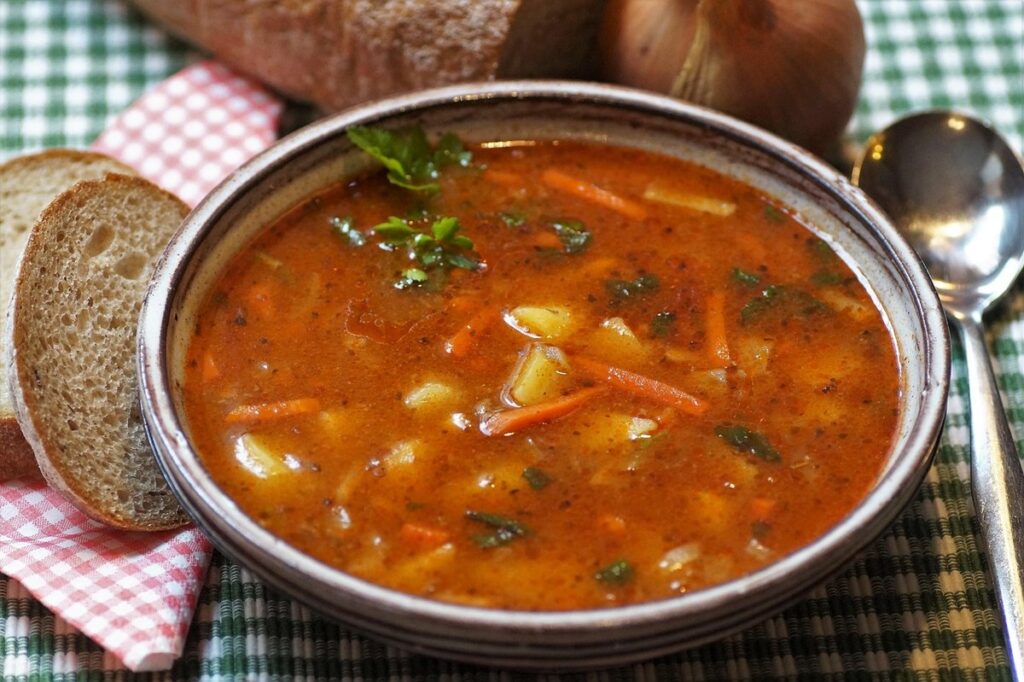
Beef goulash is a staple of Czech cuisine, and its rich flavor profile has made it a beloved dish across the country. At its core, traditional Czech beef goulash is a hearty stew made with tender chunks of beef, onions, garlic, and a blend of spices, including paprika, caraway seeds, and black pepper.
The preparation method typically involves browning the meat in a large pot, followed by the addition of vegetables and broth. The mixture is then simmered for at least an hour to allow the flavors to meld together. Some variations include adding potatoes or other root vegetables to make the dish more filling.
Culturally, beef goulash holds significant importance as it has been passed down through generations of Czech families. It’s often served at family gatherings and special occasions, such as weddings and holidays. In many traditional Czech restaurants, you’ll find beef goulash on the menu year-round, with some establishments offering their own unique twists on the classic recipe.
When preparing beef goulash at home, consider using a mixture of chuck and brisket for tender results. Also, don’t be afraid to let it simmer for as long as possible – the longer it cooks, the more flavorful it becomes.
Svíčková: Marinated Beef in Cream Sauce
Svíčková has been a beloved staple of Czech cuisine for centuries. Its origins date back to the 19th century, when it was served at high-society gatherings and special occasions. The name “svíčková” translates to “little candle,” which refers to the small, tender chunks of beef that are typically used in the dish.
The marinated beef sirloin is a crucial component of svíčková. It’s usually made with top-round or sirloin cuts, which are marinated in a mixture of vinegar, oil, and spices for several hours before being cooked to perfection. The resulting tender meat is then served atop a bed of dumplings, which soak up the rich, creamy sauce.
A traditional svíčková dish is typically accompanied by a tangy cranberry or cherry sauce, as well as a side of bread or crackers. Some variations may also include additional toppings such as fresh herbs or a dollop of sour cream. To make your own svíčková at home, start by marinating the beef in a mixture of vinegar, oil, and spices for at least 2 hours. Then, cook the meat to your liking and serve it with a side of dumplings and your choice of toppings.
Czech Desserts and Pastries: Sweet Treats from the Region
Czech desserts are a treat for the taste buds, offering an array of sweet pastries that showcase the country’s rich baking heritage. From traditional trdelník to delicious kolaches, we’ll explore the region’s favorite sweets.
Trdelník: A Traditional Pastry with Austrian Roots
Trdelník is a traditional pastry with an Austrian heritage, but it has become an integral part of Czech cuisine. Its origins date back to the 18th century when Austrians introduced the recipe for a sweet, flaky pastry wrapped around a stick and grilled over open flames. The name “trdelník” is derived from the Czech word “trdlo,” meaning rod or stick. The pastry typically consists of ground walnuts, sugar, and cinnamon, which are mixed with flour and eggs to create a dough that’s rolled out, spread with a mixture of butter and sugar, and then wrapped around a wooden dowel.
The trdelník is cooked over an open flame, giving it a crispy exterior and a soft interior. This sweet pastry has evolved over time, with various regions in the Czech Republic creating their own unique variations. Some fillings include chocolate chips, cream cheese, or even ice cream. When visiting the Czech Republic, look for street vendors selling trdelníks, often topped with powdered sugar and cinnamon. To try this traditional pastry at home, use a mixture of ground walnuts, sugar, and cinnamon in your dough, and don’t be afraid to experiment with different fillings.
Šafránové Knedlíky (Saffron Dumplings): A Sweet Twist on a Classic
Šafránové Knedlíky (Saffron Dumplings) are a beloved Czech dessert, often overlooked by visitors to the country. These sweet dumplings are infused with saffron, giving them a distinct yellow color and subtle earthy flavor. Traditionally served at Christmas time, Šafránové Knedlíky are typically paired with a sweet sauce made from vanilla, sugar, and eggs.
The origins of this dessert can be traced back to the medieval tradition of serving dumplings as a sweet treat during special occasions. The addition of saffron, which was highly valued for its medicinal properties, gave Šafránové Knedlíky an air of luxury. Today, you can find these sweet dumplings on the menus of many traditional Czech restaurants.
To make Šafránové Knedlíky at home, start by soaking saffron threads in hot water to release their flavor and color. Mix the saffron-infused liquid with a simple dough made from flour, yeast, and milk. Wrap small balls of the dough in a clean cloth and boil them until they float to the surface. Serve the dumplings warm, topped with a generous helping of sweet sauce.
When preparing Šafránové Knedlíky, be sure to use high-quality saffron for the best flavor and color. A little goes a long way – typically just a few threads are needed per serving. By following this traditional recipe, you can create a truly authentic Czech dessert that’s sure to impress family and friends.
Czech Beer and Food Pairing: A Guide to Traditional Combinations
When enjoying traditional Czech cuisine, pairing your meal with a local beer is an essential part of the experience, elevating flavors and atmosphere. We’ll explore classic combinations that showcase the country’s rich food and drink heritage.
The Art of Pairing Beer with Czech Cuisine
When it comes to pairing beer with traditional Czech cuisine, there are some key principles to keep in mind. One of the most important is matching the weight and intensity of the dish with the type of beer. For example, a hearty goulash pairs perfectly with a crisp Pilsner Urquell, as the bitterness cuts through the richness of the meat. On the other hand, a lighter beer like Budvar is better suited to accompanying delicate fish dishes or salads.
In Czech cuisine, beer is often used as an ingredient in sauces and marinades, adding depth and complexity to the dish. In this case, a malty, caramel-flavored beer like Šumava is an excellent choice. When pairing beer with Czech food, it’s also essential to consider the regional specialties and traditions of each area. For instance, in Moravia, you’ll often find beer paired with pork or beef dishes, while in Bohemia, lighter beers are preferred for accompanying fish or vegetarian options.
Some popular combinations to try include goulash and Pilsner, Svíčková (marinated beef in cream sauce) with a malty beer like Šumava, and roasted pork with a hoppy lager. Experimenting with different pairings will help you develop your own unique preferences and style.
Classic Beer Gardens in the Czech Republic: A Brief History
Czech beer gardens have a rich history dating back to the Middle Ages. These establishments originated as open-air spaces where locals would gather to drink and socialize while enjoying traditional beer and food combinations. The first recorded beer garden, U Medvídků, was established in Prague’s Old Town in 1466 by the Medek family. This iconic spot still operates today, offering a glimpse into the country’s brewing traditions.
Over time, Czech beer gardens evolved to become integral parts of the community, with many serving as gathering places for locals and travelers alike. They often feature live music, outdoor seating areas, and an extensive selection of local beers. Beer garden owners take great pride in preserving traditional recipes and brewing methods, ensuring that visitors experience authentic Czech cuisine.
Classic beer gardens continue to play a significant role in promoting the country’s culinary heritage. By visiting these establishments, tourists can sample a wide range of traditional dishes, such as roasted meats, sausages, and fried cheese, all expertly paired with local beers. The preservation of these cultural institutions not only contributes to the country’s gastronomic identity but also supports local economies and community development.
Regional Specialties from Bohemia, Moravia, and Silesia
Bohemia, Moravia, and Silesia are three distinct regions that have shaped Czech cuisine, each offering unique specialties like traditional Bohemian roast pork and Moravian goulash. Let’s explore these regional flavors in more detail.
Bohemian Delicacies: A Taste of Prague’s Cuisine
Bohemian cuisine is known for its hearty and rich flavors, often associated with traditional Czech dishes. One of the most popular Bohemian delicacies is roasted pork, typically served with a side of dumplings or bread. The preparation method involves slow-roasting the pork to bring out its natural sweetness, often seasoned with a blend of spices including caraway seeds, salt, and black pepper.
Another beloved dish from this region is svickova, also known as marinated beef in cream sauce. This classic Czech dish originated in Bohemia and consists of thinly sliced beef that’s marinated in a mixture of vinegar, oil, and spices before being served with a rich cream sauce made from heavy cream, butter, and flour.
Regional variations of these dishes often reflect the local ingredients available. For instance, some recipes may call for adding mushrooms or asparagus to the roasted pork, while others might use a different type of herb in the marinade for svickova. When preparing these dishes at home, consider using high-quality ingredients, such as fresh spices and locally sourced meat, to achieve authentic flavors.
When serving Bohemian delicacies, don’t forget to pair them with a cold Pilsner beer – the perfect accompaniment to bring out the full flavor of these traditional Czech dishes.
Moravian Specialties: A Look into Southern Czech Cuisine
Moravská klobása is a type of sausage that originates from Moravia, often served with bread or as part of a larger meal. The traditional recipe involves a combination of pork and beef, mixed with spices such as marjoram and paprika. Some recipes also include additional ingredients like garlic and caraway seeds.
Bramboráky, or potato pancakes, are another popular dish from Moravia. They’re made by grating potatoes and mixing them with onions, eggs, and flour. The mixture is then formed into patties and fried until crispy and golden brown. Bramboráky can be served as a side dish or used as a base for other ingredients.
When trying moravská klobása or bramboráky, it’s worth noting that the quality of these dishes often depends on the region within Moravia. Some areas are known for their particularly flavorful sausages or potato pancakes, so exploring local specialties can be a great way to experience authentic Moravian cuisine.
Traditional Czech Cooking Techniques and Ingredients
Czech cooking is deeply rooted in tradition, relying on simple yet effective techniques that have been passed down through generations. Let’s explore some of these fundamental methods and essential ingredients that shape the country’s hearty cuisine.
The Use of Game Meats in Czech Cuisine
Game meats have been a staple in traditional Czech cuisine for centuries. Deer and wild boar are particularly popular, with venison often used in stews and soups. In Moravian cuisine, pheasant is also commonly featured, often roasted or served as a goulash.
When preparing game meats, Czech chefs typically rely on simple yet effective methods to enhance the natural flavors of the meat. Marinating is a common practice, with a mixture of vinegar, salt, and spices used to tenderize and add depth to the game. Wild game meats are also often smoked or air-dried to preserve them for longer periods.
Some key species to look out for in traditional Czech cuisine include red deer, roe deer, and wild boar. When selecting game meat, it’s essential to consider the animal’s diet and habitat, as this can significantly impact the flavor and texture of the final product.
To incorporate game meats into your own cooking, start by trying a simple recipe such as venison goulash or roasted pheasant with root vegetables. Be sure to use fresh herbs like thyme and rosemary to add complexity to the dish, and don’t be afraid to experiment with different marinades and spice blends to find your preferred flavor profile.
Regional Spices and Herbs: A Guide to Authentic Flavors
Caraway seeds, also known as karafiát, are a staple in Czech cuisine. These small, brown seeds have a distinctive nutty flavor and aroma, often used to add depth to dishes like goulash, stews, and breads. In traditional Czech cooking, caraway seeds are commonly paired with other spices like cumin and coriander to create a warm, earthy flavor profile.
Parsley is another popular herb in Czech cuisine, often used as a garnish or added fresh to dishes like soups, salads, and meat stews. Its mild, slightly bitter taste complements the rich flavors found in many traditional Czech recipes.
Some key regional specialties make use of specific spices and herbs: for example, Moravian cooks often rely on paprika to add a smoky flavor to their dishes, while Bohemian cuisine features more liberal use of dill.
Here are some common ways to incorporate these spices and herbs into your cooking:
- Use caraway seeds in homemade breads or rolls
- Add fresh parsley to soups like the classic Czech cream soup (kremšnita)
- Pair paprika with garlic for a flavorful marinade or rub
Modern Czech Cuisine: Fusion and Innovation
Czech cuisine is evolving, blending traditional flavors with modern twists, as chefs experiment with new ingredients and cooking techniques to create innovative dishes. From classic combinations to bold fusions, discover the exciting direction Czech food is taking.
Contemporary Chefs Pushing the Boundaries of Traditional Czech Food
Czech chefs are redefining traditional cuisine by incorporating international flavors and techniques. Restaurants like Field and Prague’s Eska showcase modern takes on classic dishes. Chef Roman Pícha’s menu at Eska features a venison goulash with cranberry and juniper berries, blending Moravian game meat traditions with Nordic accents.
Notable chefs pushing the boundaries of traditional Czech food include Jakub Novák, who offers a vegetarian take on svíčková at his Prague restaurant. His version substitutes marinated portobello mushrooms for beef. In Brno, chef Pavel Weiss’s menu combines traditional Czech flavors with international ingredients and presentation styles.
Some notable restaurants driving this trend are Alcron in Prague, which offers a contemporary take on classic Czech cuisine, and Mlýn Chýnov in South Bohemia, where chef Petr Samek incorporates seasonal ingredients into innovative dishes. These chefs’ work demonstrates how Czech cuisine can be both authentic and cutting-edge.
New Wave Czech Restaurants: A Sampling of Top Establishments
In recent years, a new wave of innovative Czech restaurants has emerged, blending traditional flavors with modern techniques and presentation. At the forefront of this culinary movement are establishments like Field in Prague’s Vinohrady district, where chef Oldřich “Dačický” Nový crafts unique dishes that reimagine classic Czech recipes. Another standout is Eska, a restaurant located in the heart of Prague, which serves up creative takes on traditional Czech cuisine using locally sourced ingredients.
Restaurants like these are pushing the boundaries of modern Czech food by experimenting with new flavors and presentation styles while still staying true to their cultural heritage. Visitors can expect dishes that blend traditional Czech flavors with international influences, such as Korean BBQ-style pork or Japanese-inspired sushi rolls filled with Czech ham. Some restaurants also offer unique dining experiences, like Field’s focus on foraging and using locally sourced ingredients.
Some notable examples of new wave Czech restaurants worth visiting include:
- Field in Prague’s Vinohrady district
- Eska in the heart of Prague
- Mlýnec in Prague’s Old Town
- Alcron at the Radisson Blu Hotel in Prague
Conclusion: Traditional Czech Food Today
As you’ve explored traditional Czech food, it’s clear that some dishes have stood the test of time, and in this final section, we’ll examine their modern-day appeal. Many classic recipes remain just as beloved today.
The Importance of Preserving Cultural Culinary Heritage
As we conclude our exploration of traditional Czech cuisine, it’s essential to acknowledge the importance of preserving cultural culinary heritage. With the increasing influence of globalization and changing tastes, there’s a risk that authentic Czech dishes may fade into obscurity. However, embracing this unique culinary tradition not only honors the country’s history but also enriches its present.
One way to preserve traditional Czech food is by supporting local restaurants and markets that specialize in authentic recipes. Look for eateries that proudly display their Czech heritage on menus and in décor. These establishments often source ingredients from local farmers and producers, ensuring the dishes are made with love and care. You can also explore regional specialties by visiting different parts of the country, where each area boasts its own unique flavor profiles.
Another crucial aspect is preserving traditional cooking techniques and passing them down to younger generations. Many Czech families have maintained their culinary traditions through oral storytelling and hands-on apprenticeships. This intergenerational knowledge transfer not only ensures the continuation of beloved recipes but also fosters a deeper connection with one’s cultural roots.
To get involved in preserving Czech culinary heritage, consider taking cooking classes or workshops that focus on traditional techniques and ingredients. Many local cooking schools offer hands-on lessons where you can learn the intricacies of Czech cuisine from experienced chefs. You can also participate in food festivals and events that celebrate Czech culture, such as the Prague Food Festival or the Moravian Wine Festival.
By embracing and supporting traditional Czech food, we not only preserve a piece of the country’s history but also contribute to its cultural identity. As you continue to explore this rich culinary landscape, remember to appreciate the nuances and complexities that make Czech cuisine so unique.
Frequently Asked Questions
Can I make traditional Czech food at home without special equipment?
Yes, many classic dishes like svickova and trdelník can be made with basic kitchen tools. However, some recipes may require specialized utensils or equipment to achieve the authentic texture and presentation. Start by experimenting with simpler recipes and gradually invest in more specialized gear.
How do I choose the right type of beer for pairing with Czech cuisine?
When selecting a beer to pair with traditional Czech food, consider the flavor profile of the dish. For example, pilsner pairs well with lighter dishes like goulash, while darker beers complement richer flavors found in svickova. Experiment with different styles and brands to find your preferred pairings.
What if I’m unable to source specific ingredients from the Czech Republic?
While authenticity is important, many traditional Czech recipes can be adapted using alternative ingredients. For instance, caraway seeds can be substituted with similar spices like cumin or coriander. Be creative and experiment with different combinations to find suitable alternatives.
Can I make traditional Czech desserts without an oven?
Some traditional Czech pastries and desserts can be made without an oven by using alternative cooking methods like grilling or pan-frying. For example, trdelník can be cooked on a griddle or in a skillet. Consider adapting recipes to suit your available cooking equipment.
How do I know if my homemade Czech food is authentic?
Authenticity lies not only in ingredients but also in technique and presentation. Research traditional Czech recipes and cooking methods to gain a deeper understanding of the cuisine’s nuances. Pay attention to texture, flavor profiles, and visual presentation to ensure your dishes reflect the country’s rich culinary heritage.