As Australia’s birthday approaches, many of us are itching to get together with family and friends to celebrate. But have you ever stopped to think about the history and significance behind Australia Day? From its humble beginnings to the vibrant traditions we enjoy today, this national holiday is a time to reflect on our country’s story and come together with loved ones. For many Australians, Australia Day is a chance to soak up the sun, enjoy some delicious traditional foods, and participate in fun outdoor activities with the people who matter most. Whether you’re planning a backyard BBQ, a day at the beach, or a community event, this article will explore the history, traditions, and ideas to make your Australia Day celebrations truly special, so you’ll be well-equipped to plan a memorable and enjoyable day with your family and friends.
History of Australia Day
Australia Day, as we know it today, has its roots in the arrival of the First Fleet in 1788, marking a pivotal moment in the country’s history. Let’s take a step back in time to explore the events that led to this significant date.
The Evolution of Australia Day
The Evolution of Australia Day has been shaped by significant milestones in the country’s history. Initially, January 26 was marked as the anniversary of the arrival of the First Fleet in 1788, commemorating British settlement. However, this date has been the subject of controversy, particularly for the Indigenous Australian community, who view it as Invasion Day. To acknowledge this tension, some states and territories have moved to alternative dates, such as January 26 becoming a day of reflection in Victoria and the ACT. Meanwhile, other states, like New South Wales and Queensland, have stuck with the original date, incorporating Indigenous recognition and reconciliation into their celebrations.
Key events that have contributed to the evolution of Australia Day include the introduction of the Australia Act in 1986, which transferred the country’s constitutional powers from the UK to Australia. This shift marked a significant step towards national sovereignty. In the 1990s, the Australian government began to officially recognize the day as a celebration of the nation’s diversity and multicultural heritage. Since then, Australia Day has become a platform for communities to come together and showcase their cultures, traditions, and achievements. Today, the day is marked by official ceremonies, community events, and family gatherings, reflecting the country’s growth and development.
Significance and Symbolism
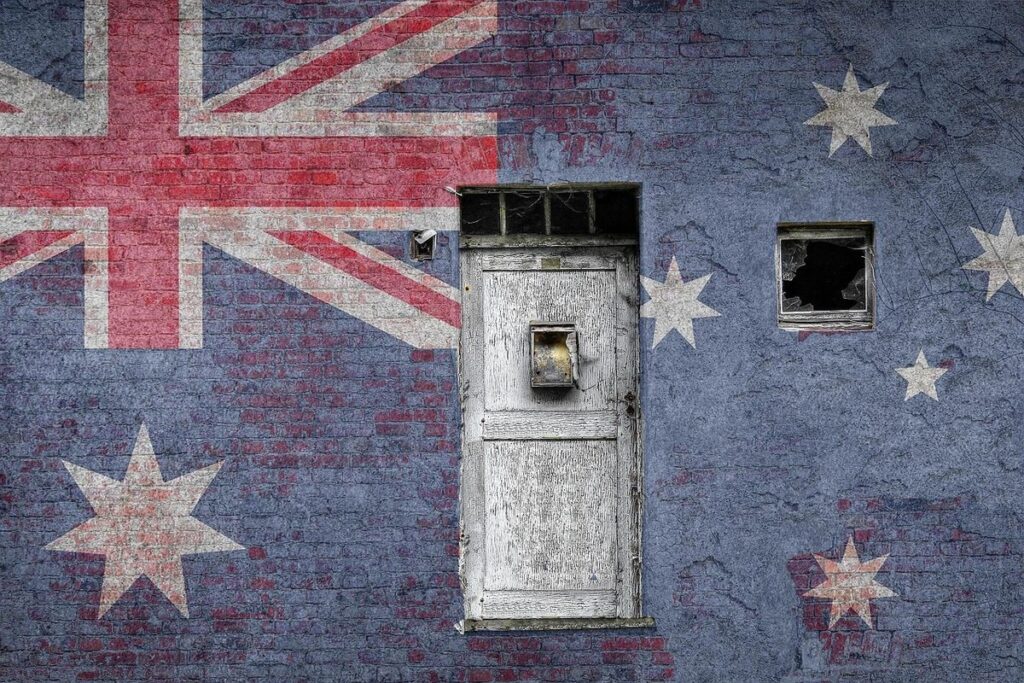
The flag, national anthem, and other patriotic icons hold significant importance in Australia Day celebrations. The flag, designed by Pamela Schwerdt, features the Union Jack in the upper left corner, the Southern Cross in the fly, and the Commonwealth Star below the Union Jack. It represents the country’s history and connection to the United Kingdom, as well as its growth as an independent nation. The national anthem, “Advance Australia Fair,” was chosen in 1984 to promote a sense of national identity and pride. It is sung during flag-raising ceremonies and other official events.
The use of these symbols on Australia Day is deliberate and meaningful. By incorporating them into celebrations, Australians pay homage to their country’s past, present, and future. For example, during citizenship ceremonies, new citizens take the Oath of Allegiance, pledging their loyalty to Australia and its people. This act emphasizes the significance of national symbols in fostering a sense of belonging and unity.
Controversies and Debates
The controversy surrounding Australia Day has been a long-standing issue, particularly among Indigenous Australians. Many Aboriginal and Torres Strait Islander peoples view January 26 as Invasion Day or Survival Day, commemorating the arrival of British settlers and the loss of their land, culture, and identity. The impact of European settlement on native cultures has been devastating, with many communities still struggling to preserve their languages, customs, and traditional practices.
There are differing opinions about the day’s significance, with some seeing it as a celebration of Australian identity and others viewing it as a painful reminder of historical injustices. Some argue that the day should be a time for reflection and reconciliation, acknowledging the past and working towards a more inclusive future. Others propose alternative dates for Australia Day, such as May 27, which marks the 1967 referendum that granted Indigenous Australians the right to vote. Ultimately, the debate surrounding Australia Day serves as a reminder of the complex and contested nature of Australian history.
Planning an Australia Day Celebration
Get ready to plan the ultimate Australia Day bash with friends and family, as we share our top tips for creating a fun and memorable celebration. From backyard BBQs to beach parties, we’ve got you covered.
Party Ideas and Themes
Hosting an Australia Day party is a great way to get into the spirit of the celebrations. You can choose a theme that reflects the country’s unique culture and history. Some popular ideas include a bush bash, where you decorate with eucalyptus leaves and serve barbecued meats, or a beach party, where you set up a sand-filled sandbox and play beach volleyball.
For a more formal celebration, consider hosting a traditional Australian-themed dinner party. Decorate with boomerangs, didgeridoos, and Aboriginal artwork, and serve classic dishes like meat pies, fish and chips, and vegemite sandwiches. You can also have a “koala’s favorite foods” dessert table with Australian-inspired treats like lamingtons and pavlovas.
To add some fun to your party, plan some activities that reflect the country’s love of sports and outdoors. Set up a backyard Olympics with events like the 100-meter dash, long jump, and tug-of-war. You can also have a scavenger hunt, where guests have to find items related to Australian culture, such as a boomerang or a didgeridoo. Whatever theme you choose, make sure to have plenty of Australian flags, balloons, and decorations to create a festive atmosphere.
Traditional Australian Foods
When it comes to traditional Australian foods, several dishes are commonly served on Australia Day. One classic choice is the meat pie, often served at barbecues and outdoor gatherings. To make a traditional Australian-style meat pie, you’ll need beef mince, onions, tomato sauce, and puff pastry. Simply cook the beef and onions, then fill the pastry with the mixture and bake until golden brown.
Another popular option is prawns, often grilled or barbecued and served with a side of tangy sauce. For a more substantial dish, consider making a plate of fish and chips. This classic Australian comfort food typically consists of battered and fried fish, served with crispy fries and a side of mushy peas.
For a sweet treat, consider making some pavlova, a meringue-based dessert named after a Russian ballerina. This dish typically consists of whipped cream, fresh fruit, and a crunchy meringue base. To make a pavlova, you’ll need egg whites, sugar, and cream, as well as your choice of fresh fruit. Simply whip the egg whites and sugar until stiff, then shape into a circle and bake until golden. Top with whipped cream and fresh fruit for a delicious and authentic Australian dessert.
Outdoor Activities and Events
Nothing beats the Australian outdoors on Australia Day. For a fun-filled day, consider hosting a barbecue or picnic in a park or by the beach. These classic Aussie gatherings are perfect for soaking up the sun and enjoying good company. If you’re feeling competitive, organize a backyard cricket match or a friendly game of Aussie Rules football. Alternatively, head to a nearby sports field or stadium to watch a live match featuring local teams.
If you’re looking for more low-key activities, consider organizing a bushwalk or hike in a nearby national park. Many parks offer guided tours or self-guided trails that showcase the country’s stunning natural beauty. You can also set up a DIY outdoor movie screen in your backyard and watch a classic Australian film under the stars.
For a more energetic vibe, host a water-based event, such as a backyard pool party or a visit to a nearby beach or lake. Many cities and towns also host outdoor events, like concerts, festivals, or fireworks displays, so be sure to check what’s on in your area.
Australia Day Traditions and Customs
From backyard barbecues to grand community events, Australia Day is a time for friends and family to come together and celebrate the nation’s birthday. Let’s take a closer look at the traditions and customs that make this day so special.
Flag Raising Ceremonies
On Australia Day, one of the most iconic and meaningful traditions is the flag raising ceremony. This ceremony takes place in the morning, typically at 9 am, and is led by a dignitary or a local representative. The protocol for raising the flag involves the Australian national flag being hoisted up a flagpole, while the national anthem is played. The flag is then lowered to half-mast for a moment of silence, followed by the raising of the flag to its full height. This ceremony is a symbol of national pride and unity, and its importance cannot be overstated.
The flag itself holds significant importance as a national symbol. It represents the country’s history, culture, and values. The blue field of the flag symbolizes the sky and the oceans that surround Australia, while the Southern Cross constellation on the flag represents the country’s geographical location. The flag is a reminder of the country’s rich history and its people’s resilience and adaptability.
In many towns and cities, the flag raising ceremony is a community event, with locals gathering to watch the ceremony and participate in the national anthem. It’s a moment of national pride and a reminder of the country’s shared history and values.
National Anthem and Oath of Allegiance
The Australian national anthem, “Advance Australia Fair,” is a revered symbol of Australian identity and culture. Written in 1878, the song was officially adopted as the national anthem in 1984, replacing “God Save the Queen.” The lyrics reflect the country’s history, geography, and aspirations. You can experience the anthem at an Australia Day celebration, where it’s often sung with pride and enthusiasm. The Oath of Allegiance is also an integral part of Australia Day ceremonies. This oath, taken by new citizens during citizenship ceremonies, is a promise of loyalty to the Australian Constitution and the nation as a whole. When taking the Oath, new citizens pledge to “be faithful and bear true allegiance to the Commonwealth of Australia.” This solemn promise is a significant milestone in the citizenship process, marking the individual’s transition to full Australian citizenship.
In practice, both the national anthem and the Oath of Allegiance are essential components of Australia Day celebrations. You can participate by attending a citizenship ceremony, where you can watch the oath-taking ceremony, or by joining in the singing of the national anthem at a community event.
Citizenship Ceremonies
Becoming an Australian citizen is a significant milestone, and what better way to mark it than on Australia Day? Citizenship ceremonies held on January 26th are a poignant reminder of the country’s commitment to inclusivity and diversity. These ceremonies typically involve a formal presentation of certificates, a pledge of allegiance, and a reception to welcome new citizens into the community.
The ceremony itself is a moving experience, with new citizens taking an oath or affirmation to uphold Australian values and laws. This promise is a crucial step in becoming a part of the country’s democratic fabric. It’s not just a technicality – it’s a declaration of commitment to the values that Australia represents.
In an Australian citizenship ceremony, you’ll usually find a few key elements: a presentation of certificates, a pledge of allegiance, and a reception to welcome new citizens. The ceremony is often followed by a citizenship oath ceremony, where new citizens take the official oath or affirmation. This public declaration is a powerful symbol of the country’s inclusive spirit.
Australia Day Around the Country
From Sydney’s iconic harbour to the sun-kissed beaches of Perth, every corner of Australia comes alive with colour and excitement on Australia Day. Let’s take a tour of the country’s most vibrant celebrations.
Regional Celebrations
From the rugged coastline of Western Australia to the vibrant cities of New South Wales, each region brings its own unique flavor to Australia Day celebrations. In the tropical north, communities gather on the beach for epic barbecues and live music, while in the southern states, folk festivals and craft fairs showcase local artisans and talent. In the Northern Territory, the Australia Day festivities are often intertwined with the Indigenous culture, featuring traditional dance and storytelling performances.
In some regions, the celebrations are more low-key, with community gatherings and potluck feasts at local parks and reserves. In others, the focus is on sports and outdoor activities, such as beach volleyball tournaments and dragon boat races. For example, in the town of Carnarvon in Western Australia, the Australia Day festivities include a massive watermelon-eating contest, while in the town of Byron Bay in New South Wales, a surfing competition is held to coincide with the celebrations.
Whether you’re in the city or the country, there’s always something unique and interesting to discover about how Australia Day is celebrated in different parts of the country.
Cultural Events and Performances
Australia Day celebrations are a vibrant showcase of the country’s rich cultural heritage. Concerts and festivals are held in cities and towns across the nation, featuring local and national acts that perform traditional Australian music, such as bush bands and folk musicians. The Australian National Maritime Museum in Sydney hosts a concert on the harbour, while the Queensland Music Festival in Brisbane features a range of performances, from classical to contemporary.
Cultural events also celebrate Australia’s indigenous heritage. The Sydney Opera House hosts a celebration of Aboriginal and Torres Strait Islander music, dance, and art, while the Melbourne Festival features a range of performances and exhibitions that showcase the country’s diverse cultural landscape. Some events also incorporate traditional Australian foods, such as barbecues and bush tucker tastings.
When attending cultural events and performances on Australia Day, consider the following tips: check the program in advance to plan your day, arrive early to secure a good spot, and be respectful of cultural protocols and traditions. By attending these events, you can experience the best of Australian culture and celebrate the country’s birthday in style. Some popular events include the Sydney Festival, Brisbane Festival, and Melbourne Festival.
Community Service and Volunteering
On Australia Day, many communities across the country organize events that promote social responsibility and civic engagement. These events provide an opportunity for individuals to get involved in their local communities and make a positive impact. One way to do this is by participating in beach cleanups, where volunteers work together to collect litter and debris from local beaches.
Many organizations, such as Surf Life Saving Australia and the Australian Marine Conservation Society, partner with local councils to host these events. These cleanups not only contribute to the cleanliness of our beaches but also help to raise awareness about the importance of marine conservation. Other community service initiatives on Australia Day might include park cleanups, food drives, or charity runs.
If you’re interested in getting involved, start by checking your local council’s website for information on upcoming events. Many councils also offer opportunities for individuals or groups to organize their own community service initiatives. By volunteering your time on Australia Day, you’ll not only be contributing to your community but also helping to celebrate the values of social responsibility and civic engagement that are at the heart of Australia’s national birthday.
Conclusion
As we wrap up our guide to Australia Day celebrations, let’s summarize the key takeaways and essential tips for making the most of this special day.
Reflecting on Australia Day
As we conclude our guide to Australia Day celebrations, it’s essential to reflect on the significance of this national day. Australia Day commemorates the arrival of the First Fleet in 1788, marking the beginning of European settlement in Australia. However, the date also serves as a reminder of the complex and often fraught history of Indigenous Australian-European relations.
The history of Australia Day is multifaceted, with different communities and cultures interpreting its significance in various ways. For some, it’s a day to celebrate the country’s cultural diversity and the contributions of immigrants. For others, it’s a day to acknowledge the dispossession of Indigenous peoples and the ongoing struggles they face today.
Despite these complexities, Australia Day remains an important celebration in Australian culture and identity. It’s a time for families and friends to come together, share traditional foods and drinks, and participate in outdoor activities and events. By embracing the spirit of Australia Day, we can foster a deeper appreciation for the nation’s rich history, cultural heritage, and the values that unite us as Australians.
As we look to the future, it’s crucial to recognize the importance of reconciliation and cultural understanding. This can be achieved by engaging with local Indigenous communities, attending cultural events and performances, and learning about the country’s history and traditions. By doing so, we can create a more inclusive and respectful celebration of Australia Day, one that honors the nation’s complex past while embracing its diverse present.
Frequently Asked Questions
What if I’m planning a large-scale Australia Day event and need to obtain a permit?
You’ll need to contact your local council or event management department to inquire about the permit process. They’ll guide you through the necessary steps, which may include providing details about the event, expected attendance, and any specific requirements for your location. Yes, permit requirements can vary depending on the location and scale of your event.
Can I incorporate Indigenous Australian traditions and customs into my own Australia Day celebration?
Incorporating Indigenous Australian traditions and customs is a wonderful way to acknowledge the rich cultural heritage of Australia’s First Peoples. You can explore local Indigenous cultural centers, consult with Indigenous community members, or look for online resources that provide guidance on respectful and meaningful incorporation of Indigenous traditions into your celebration.
How do I handle any controversies or debates surrounding Australia Day that may arise during my celebration?
When planning an Australia Day celebration, it’s essential to be aware of the potential for controversy or debate. If you’re hosting an event, consider creating a safe and respectful environment for guests to discuss their perspectives. Encourage open and respectful dialogue, and have a plan in place for addressing any issues that may arise.
What if I’m not Australian, but I want to celebrate Australia Day with my partner or friends who are from Australia?
Celebrating Australia Day with your partner or friends can be a great way to connect with their culture and traditions. You can start by learning a little bit about the history and significance of the day, and then plan some activities or events that they might enjoy. Ask them to share their favorite Australian traditions and customs, and be respectful of their cultural heritage.
Can I hold a citizenship ceremony on Australia Day, even if I’m not an official citizenship ceremony organizer?
While you can’t hold an official citizenship ceremony on Australia Day without proper authorization, you can still plan a celebration or event that includes a mock citizenship ceremony or a symbolic induction into Australian culture. This can be a fun and meaningful way to acknowledge the contributions and participation of new Australians in the country’s celebrations.